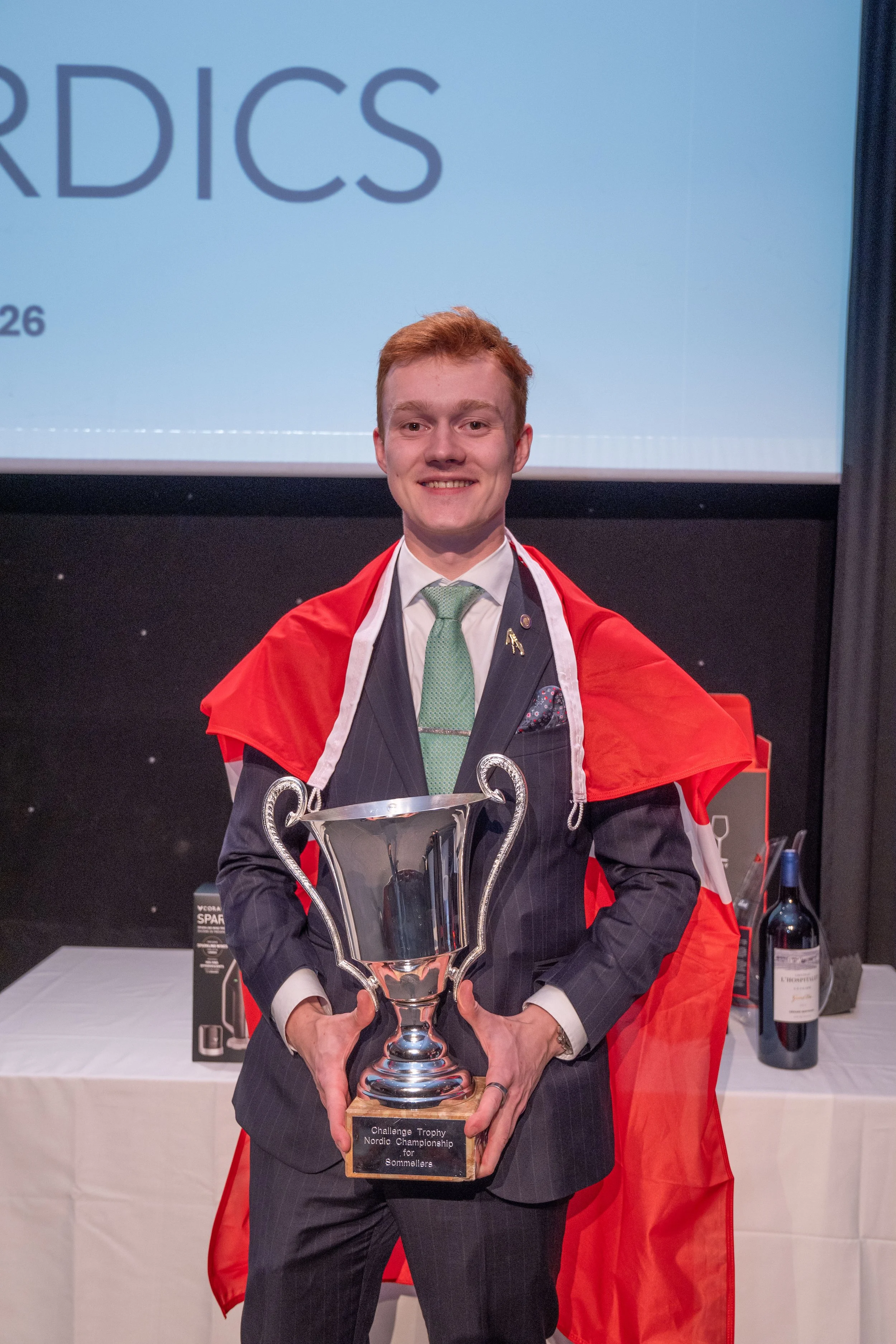
Toke Did it Again - the Nordics 2026
It was a very early morning at the Copenhagen’s airport when we all met. Stine, waiting for the others, a bit tired but very excited, saw Nina, Ketil, Tim, Christian and Toke to come her way. All thrilled, nervous and very much looking forward to whatever is going to happen. And things happened. Here’ s the story about it.
Reykjavík is About to Become the Nordic Capital of Sommellerie
This September, some of the region’s finest sommeliers will gather in Iceland to compete for one of the most prestigious titles in Nordic wine: Best Sommelier of the Nordics. The Nordic Sommelier Championship brings together Denmark, Sweden, Norway, Finland and Iceland in a competition that tests far more than the ability to identify a wine blind.
Toke Fiedler Terkildsen Named Denmark's Best Sommelier 2026 — and Falstaff Nordics' Young Sommelier
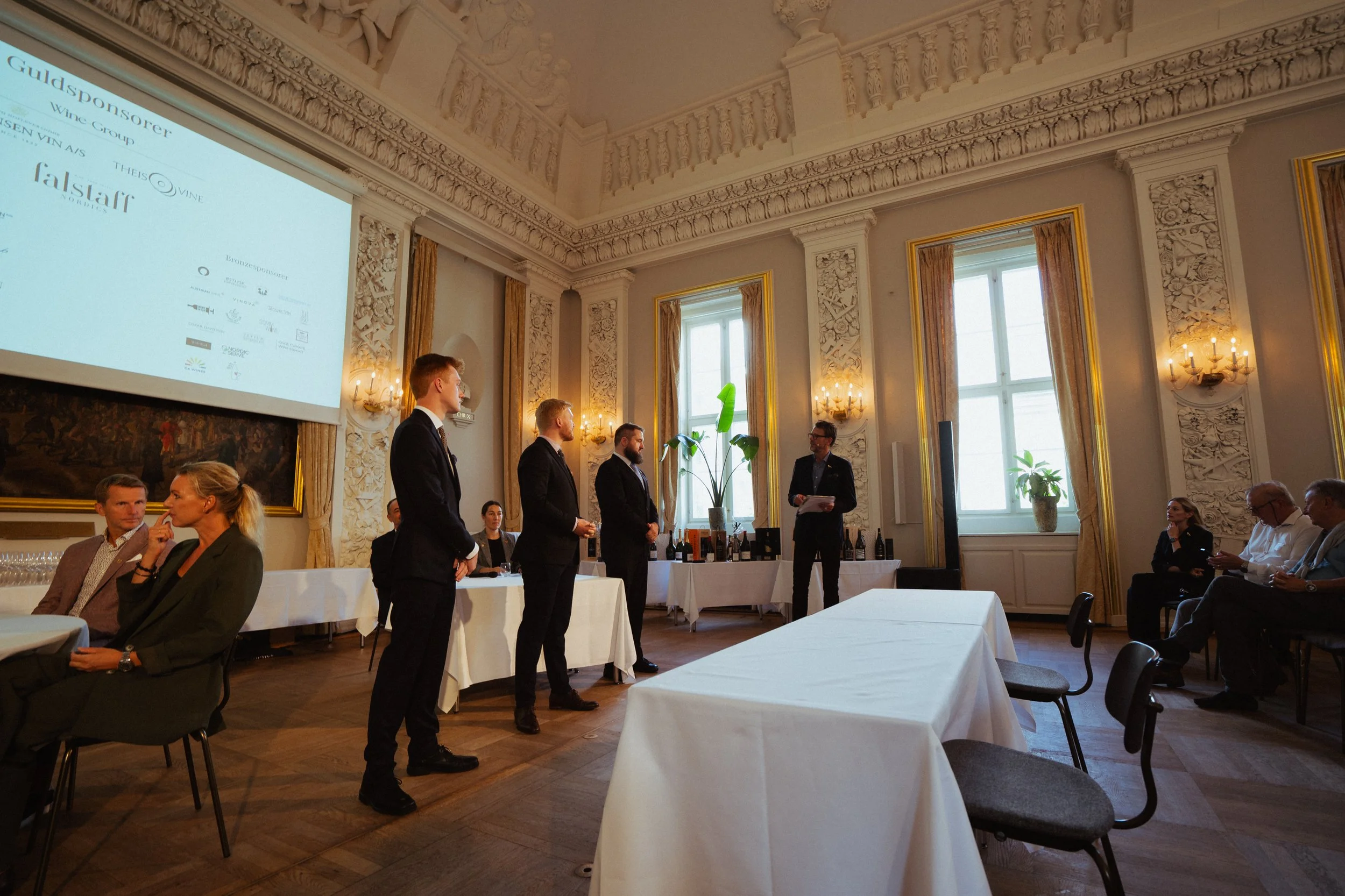
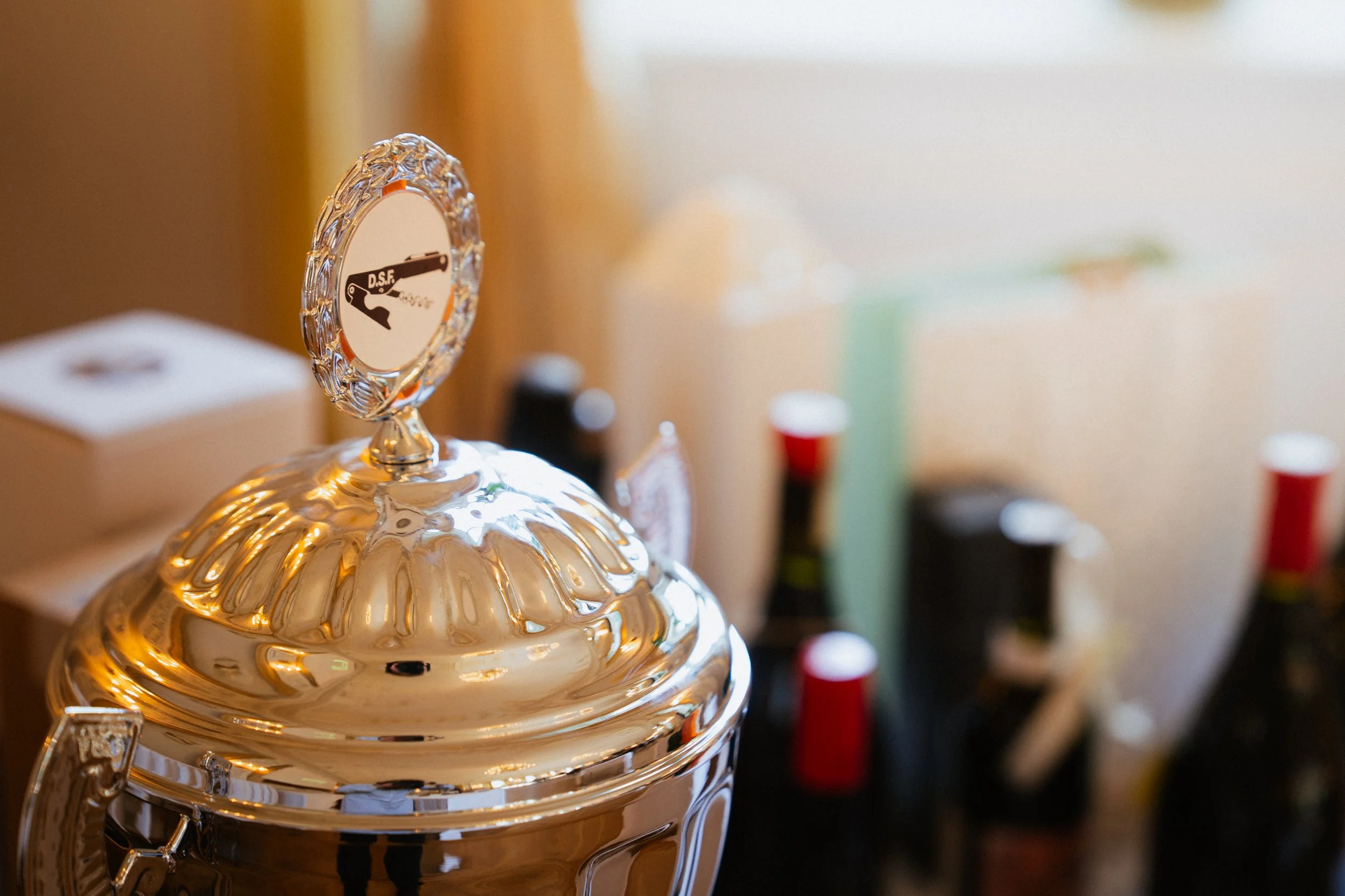
At 24, Toke Fiedler Terkildsen, sommelier at the two-Michelin-starred AOC, has already spent years reading wine lists the way other people read novels. On Monday, that habit paid off: at Moltkes Palæ in the heart of Copenhagen, he was crowned Denmark's Best Sommelier at this year's DM i Sommelier, hosted by Dansk Sommelier Forening (DSF). The win came with a twist — Falstaff Nordics joined the day's programme for the first time, handing out its own Sommelier Awards alongside the national title. Toke picked up two prizes in one day, taking home Falstaff's Young Sommelier award as well as the DM trophy, while DSF founder Tim Vollerslev received Falstaff's Lifetime Achievement Award.
Christian ‘Cuba’ Gustafsson Cazón: The Wine List Is Ours, Not Mine
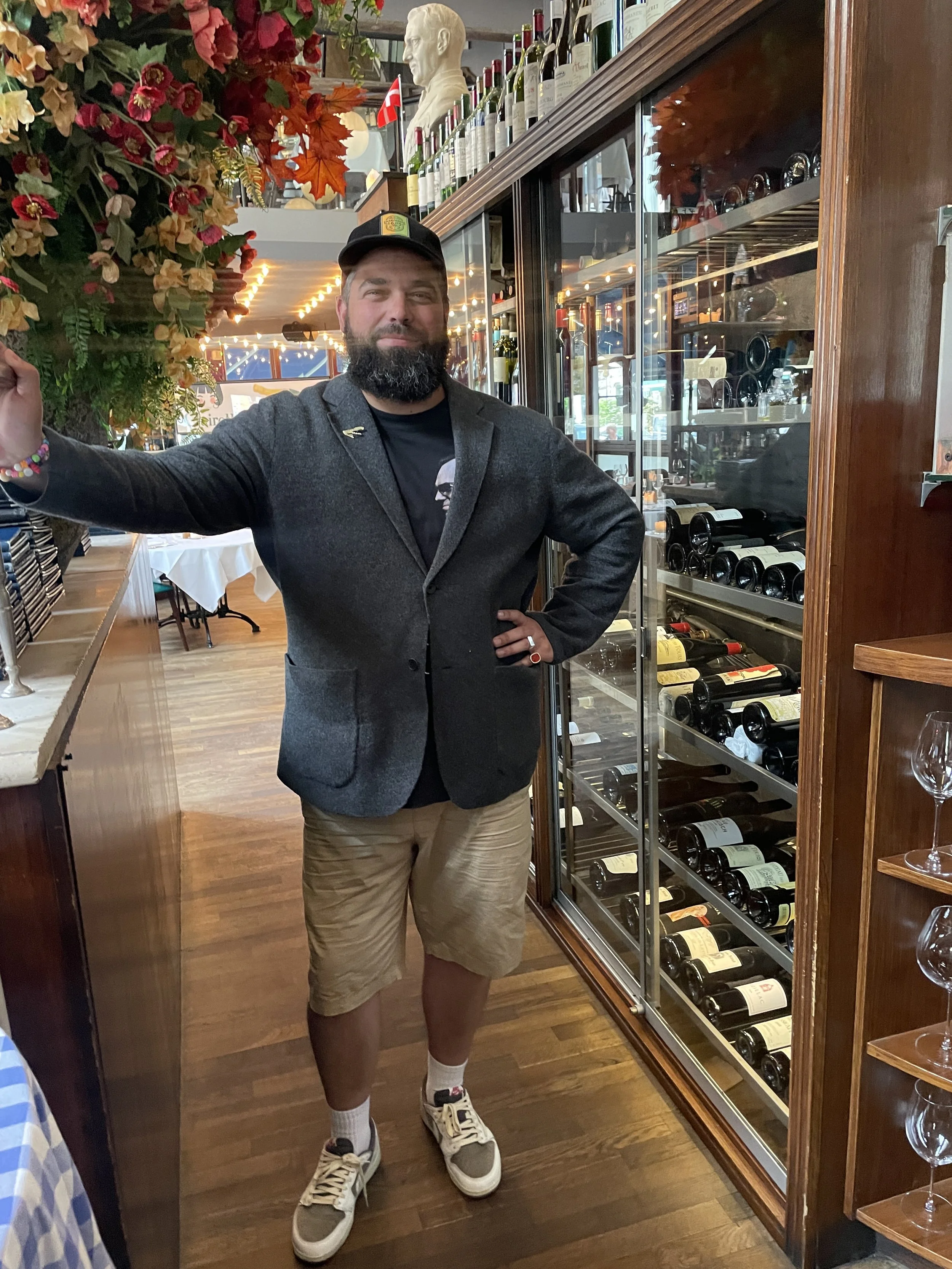
After 17 years at Bistro Boheme, Christian ‘Cuba’ Gustafsson Cazón has built one of Denmark’s most decorated wine lists — and a team that finishes his stories for him. Ask him about any of it, and he would rather talk about the guest, the next generation, and his four children.
Quiet Precision in the Hemel-en-Aarde
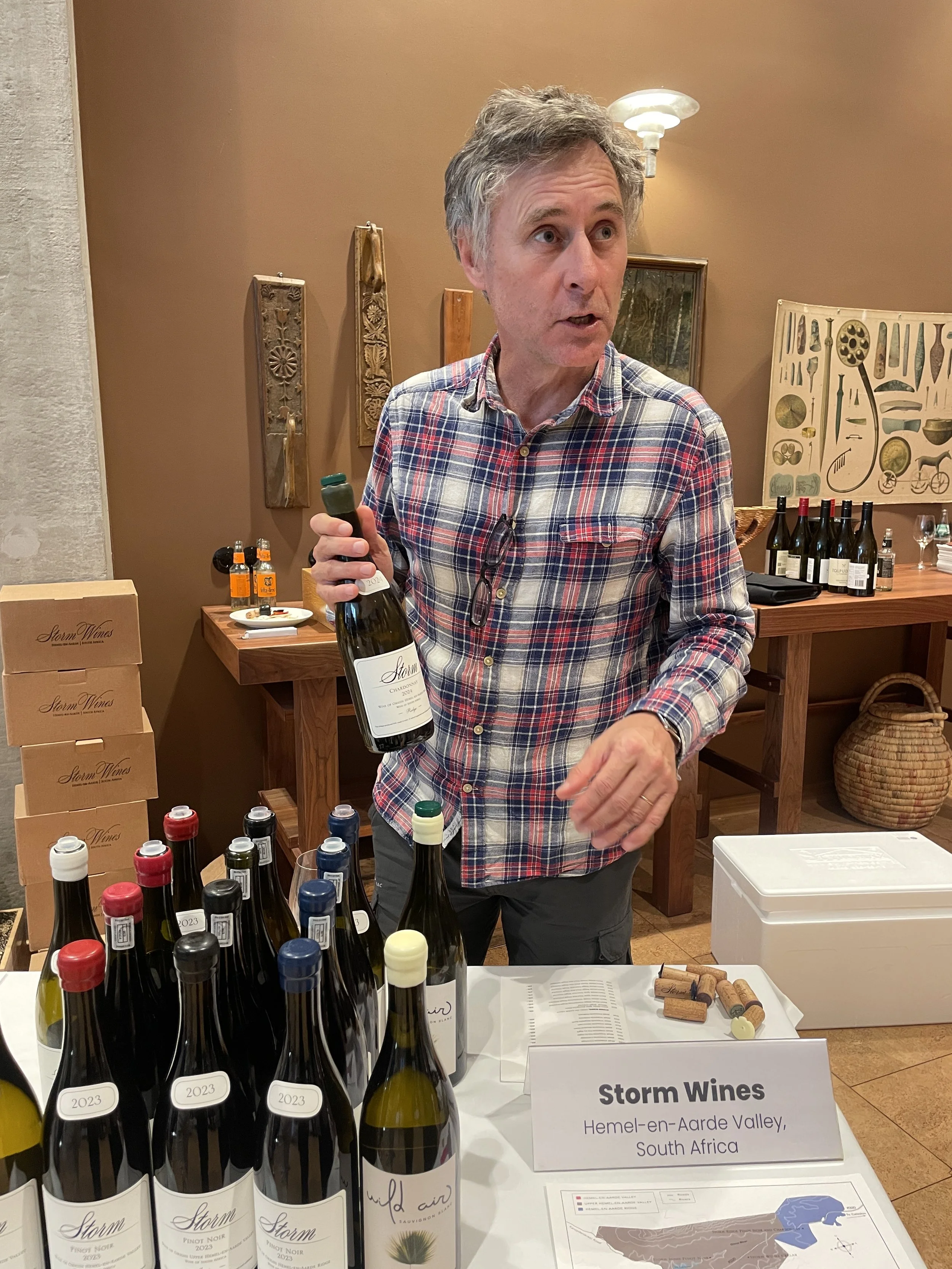
Don't let the name fool you. Hannes Storm’s motto ’stick to your knitting’ says it all about this calm, methodical, and utterly focused winemaker — and that is precisely why his Pinot Noirs and Chardonnays from the Hemel-en-Aarde are among the most thrilling wines South Africa has ever produced.
A Great Restaurant Is Like the Cinema: Our Job Is to Make the World Outside Disappear for a Little While
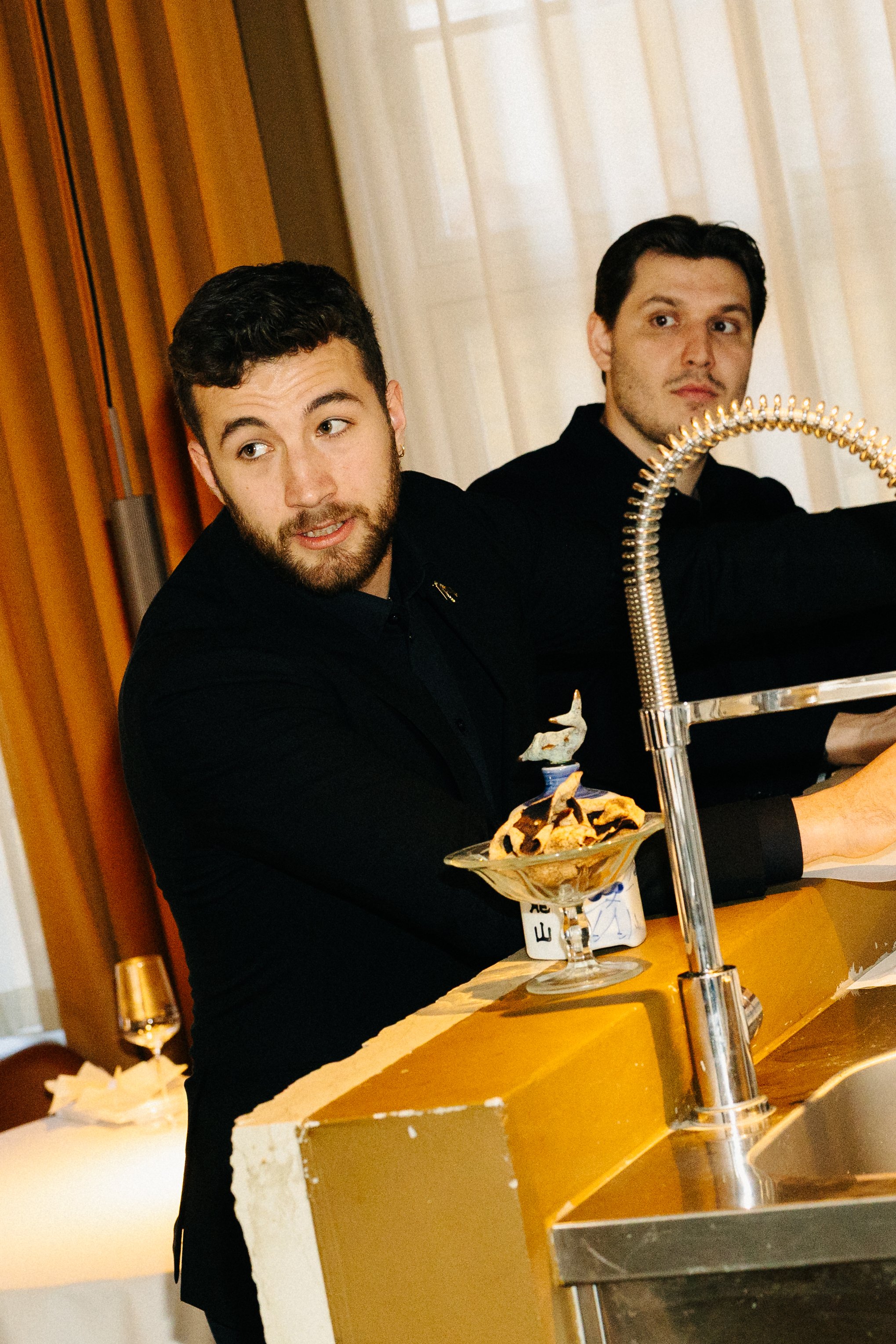
At 22, Teigh Crowley is head sommelier at one of Copenhagen's most anticipated restaurants. He fell for wine as a teenager and never quite recovered. Ask him what a sommelier actually does, and he reaches for the cinema: that particular magic of sitting down, leaning back, and letting the world outside disappear for a few hours. Wine helps – or an amazake - if the dish calls for it. The rest is just keeping an open heart. And very good listening.
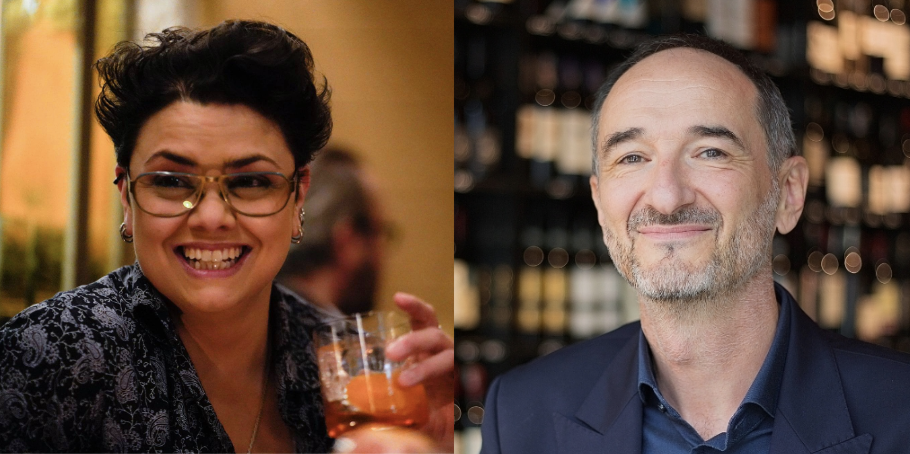
Get to Know the Jury of Honor of DM 2026: Alba Hough and Piotr Kamecki
The date is saved - Monday, 31st of August. The day when best sommeliers of Denmark will compete to find a winner of DM 2026. It is a significant day for the wine industry and sommeliers across the country, and it has to be celebrated properly. This year, we are glad to announce that two very special individuals will join us. Ladies and gentlemen - meet Alba Hough, President of the Icelandic Sommelier Association, and Piotr Kamecki, Vice-president for Europe ASI. They were keen on answering a couple of questions, so you, our member, can get to know what they stand for.
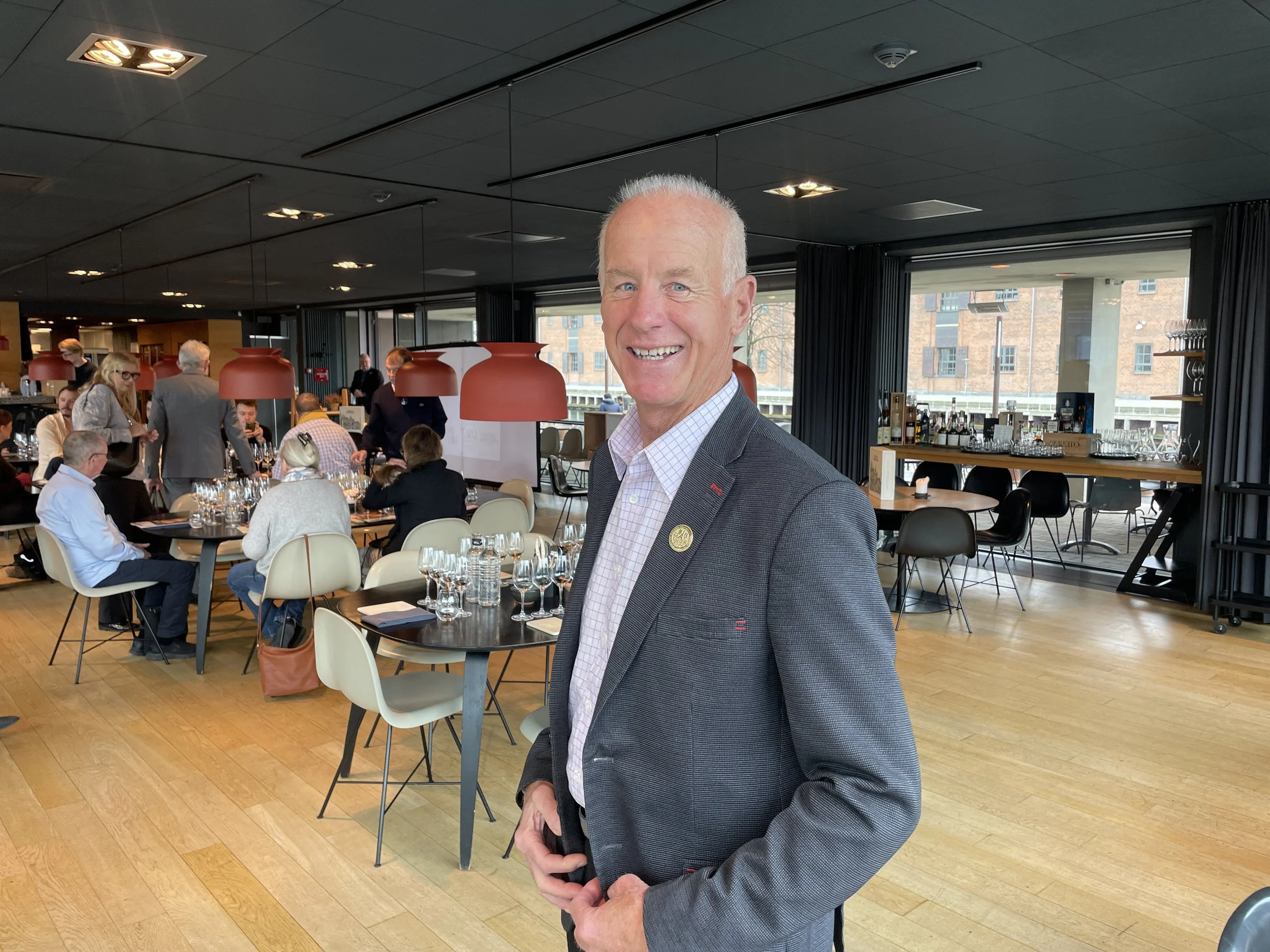
The Napa Bottle that Changed the World of Fine Wine
“Why Is It Always Uphill?” Bo Barrett concludes after our interview. Fifty years after the Judgment of Paris turned California wine history on its head, Bo Barrett — CEO of Chateau Montelena — is still climbing. Not because he has to. Because that is simply who he is.
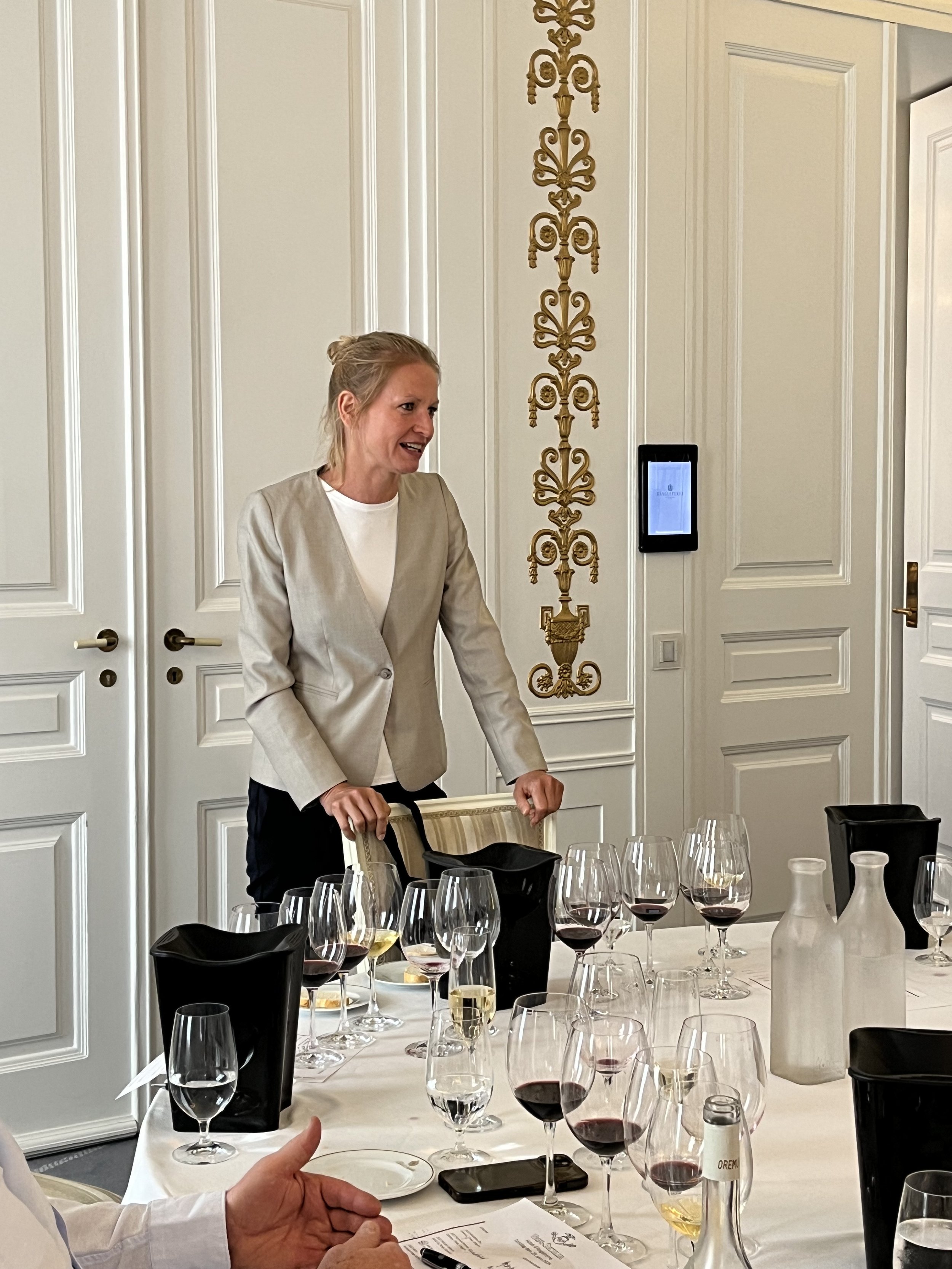
TEMPOS Vega Sicilia & A New Chapter with Jessica Julmy
Originally from Switzerland, Jessica Julmy comes as very confident, witty and bold. She takes a lot of space and I gain a huge respect for her straight away. We sit next to each other, the only two women in the room, just up front, all eyes on us. I feel home. Here’s a couple of questions she was willing to use her time to spend on answering afterwards.
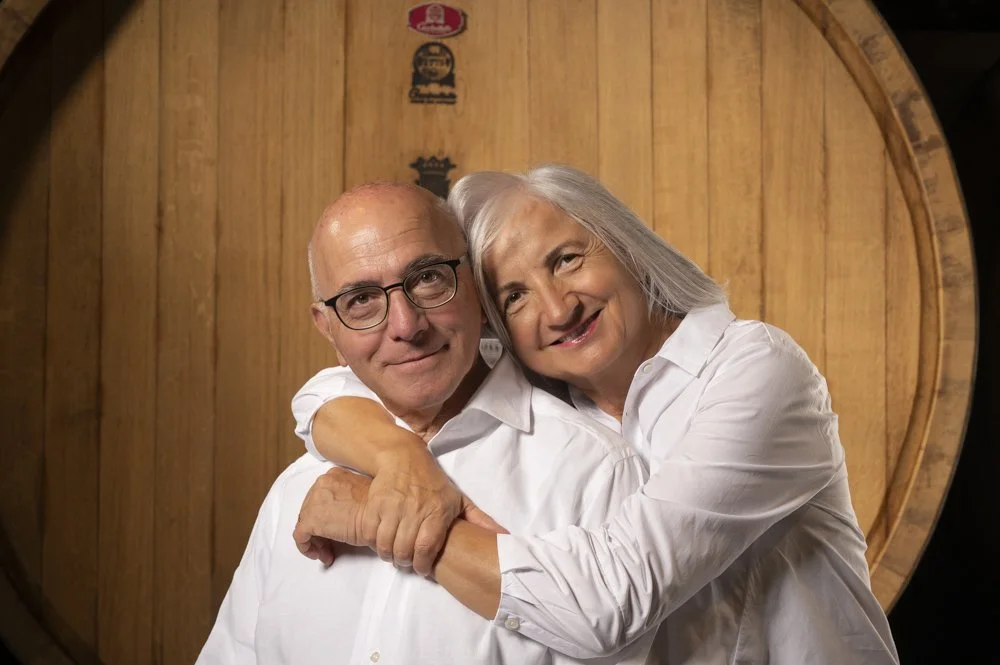
G.D. Vajra: Barolo 2022, A Vintage Shaped by Decisions
The 2022 vintage in Barolo has already earned a reputation. Warm temperatures, drought, and difficult decisions in both vineyard and cellar have led many to describe it as a challenging year. But at G.D. Vajra, the conversation began elsewhere. Not with what went wrong, but with how growers respond when conditions become demanding. As Giuseppe Vaira put it: “When something is difficult, you do not reject it. You double down on your care.”
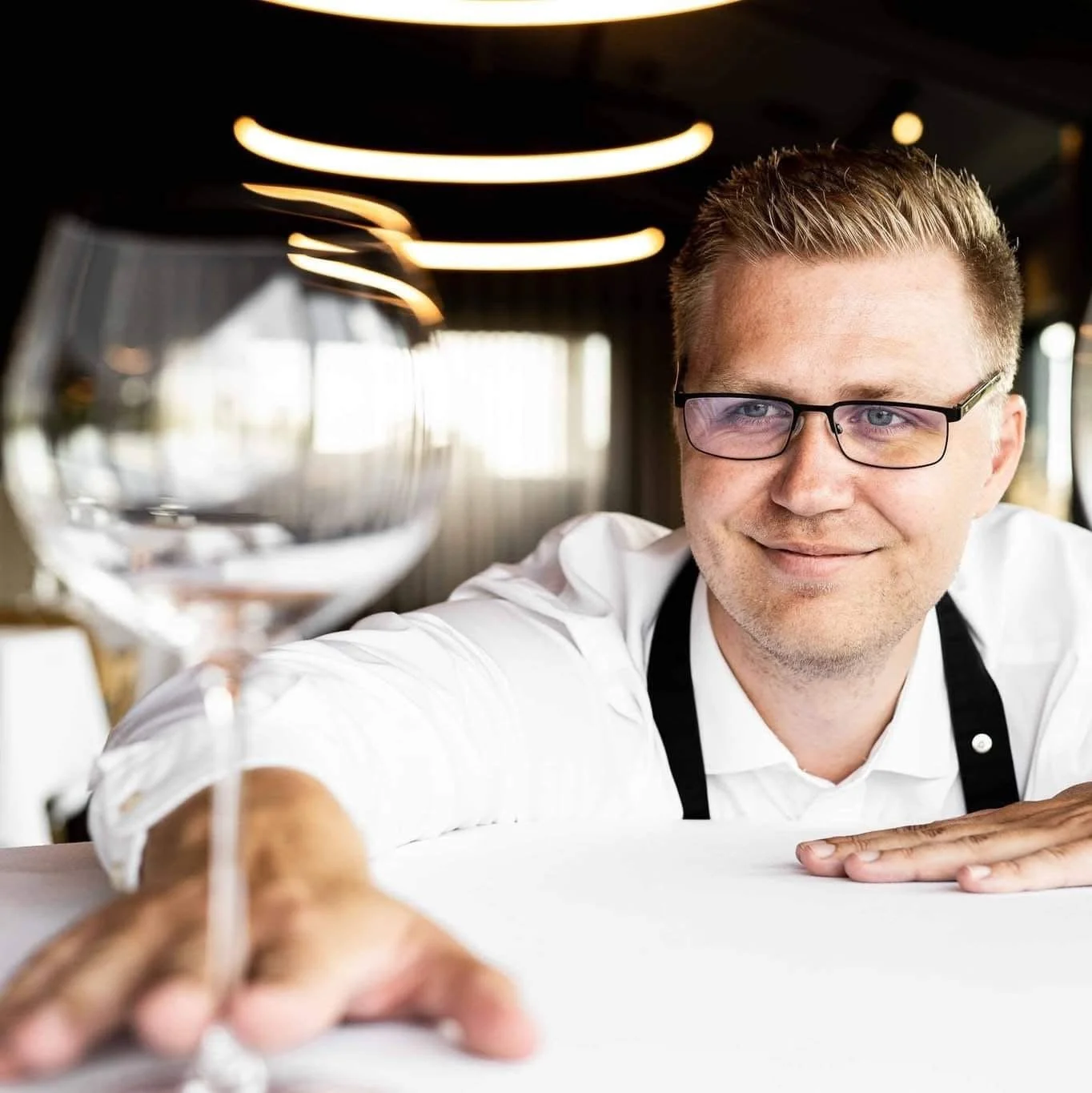
Michael Rønne Sørensen: From Trying Everything to Finding Wine
Third place at the Danish Sommelier Championship, ASI bootcamp experience, and a clear philosophy on service. Michael Rønne Sørensen shares his approach to wine competition and the long game of becoming a better sommelier.
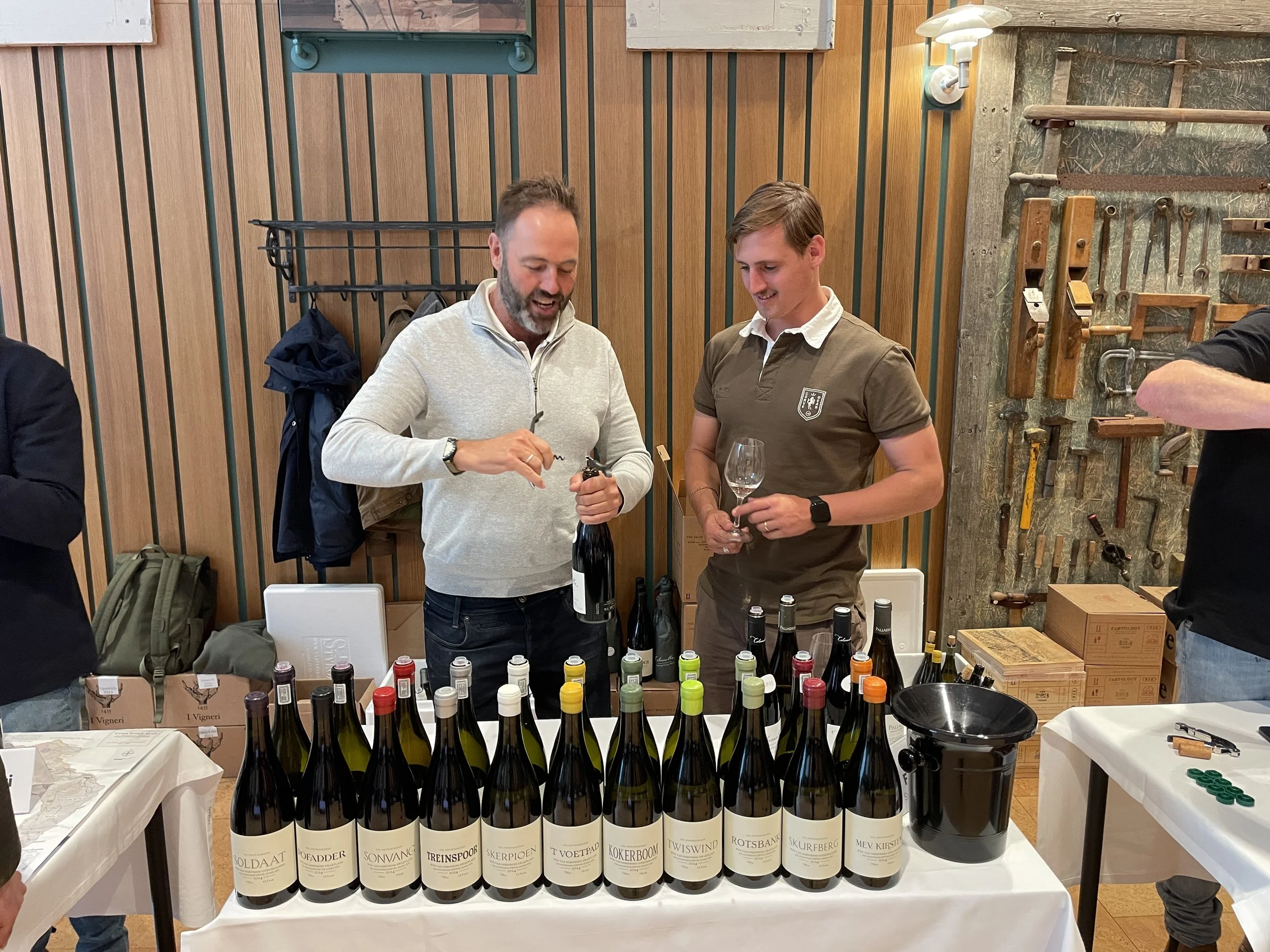
The Unconformed: When You Have no Legacy, You Are Truly Free
Raised by the ocean, shaped by freedom — and how that made the Swartland a great wine region.
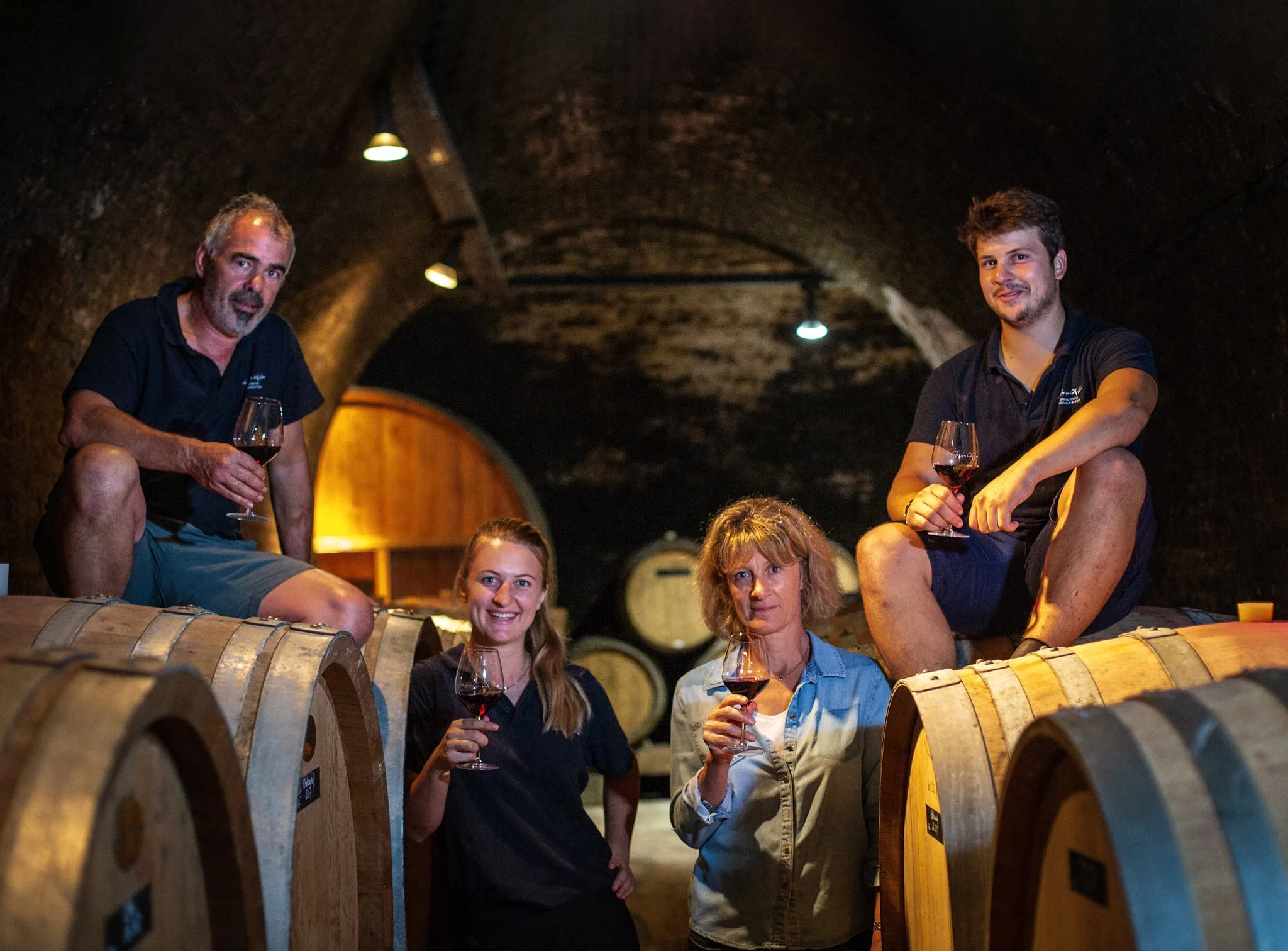
Clos du Caillou: Sand, Precision and Family
Clos du Caillou is known for its sandy soils, organic farming and quiet precision. In Copenhagen, just before the HORECA tasting, I meet Marilou Vacheron to speak about heritage, climate adaptation and what it means when wine is not just work, but life.
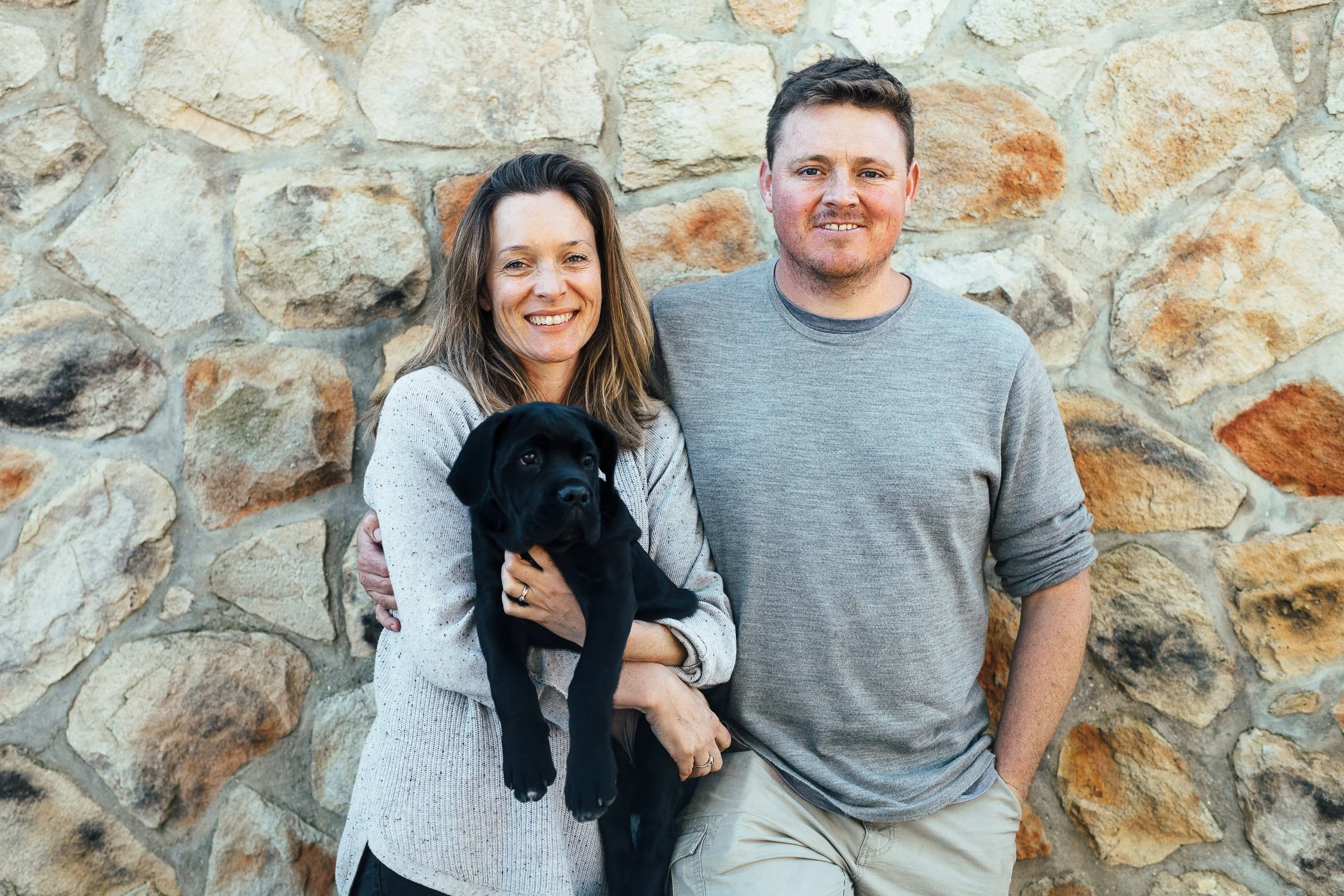
Chenin, Purity and the King of Foods
Chris Alheit doesn't seek attention, doesn't do social media, and won't sell a wine he isn't fully confident in. He just happens to make some of the most coveted Chenin Blancs on the planet.
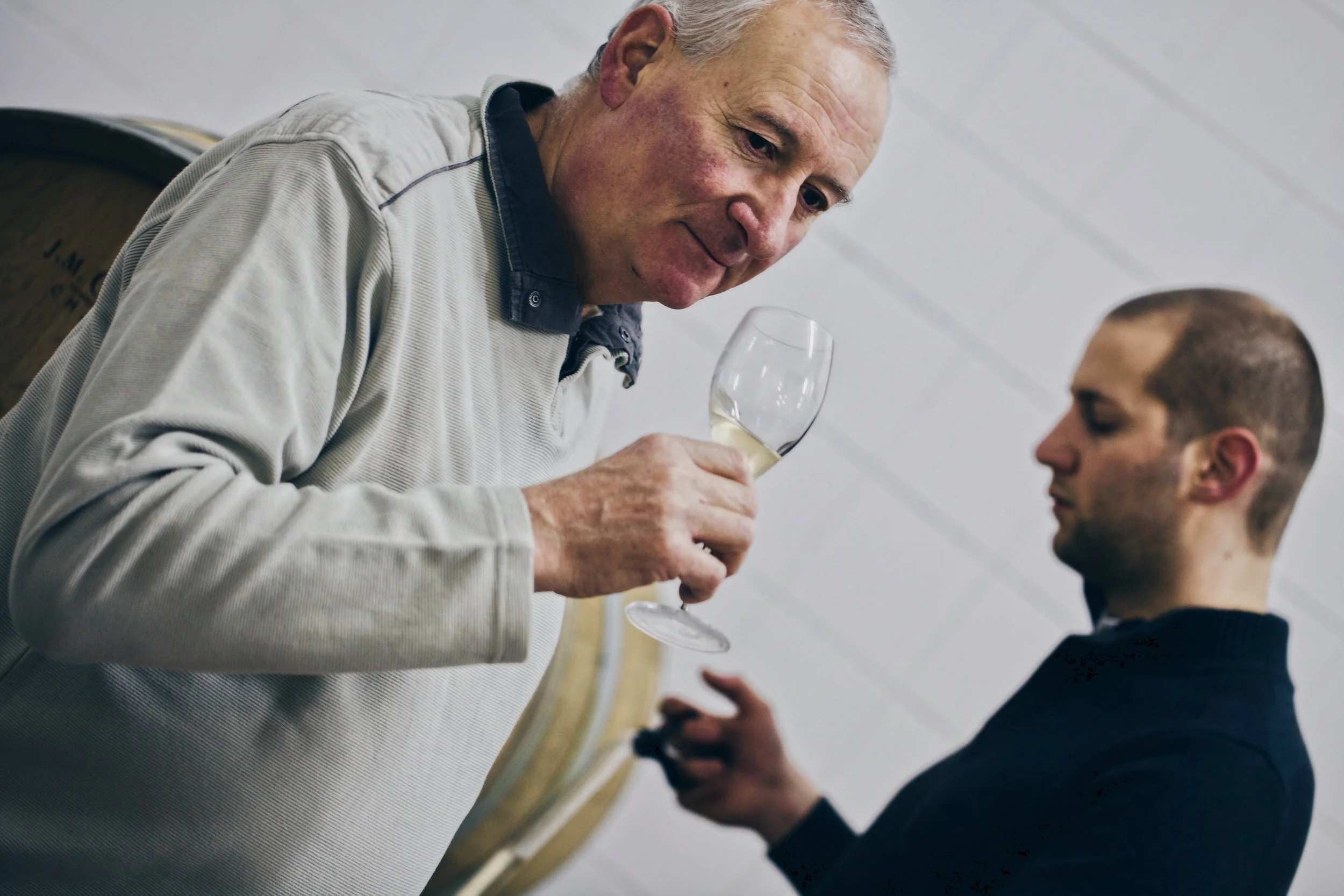
Champagne J.M. Goulard - Precision from Saint Thierry
Champagne J.M. Goulard is a grower estate in the Massif de Saint Thierry with around 60 percent Meunier planted on sand dominant soils. Since the third generation took over, the estate has moved to organic farming and refined its cellar approach with parcel separation, restrained oak use and detailed lees ageing.
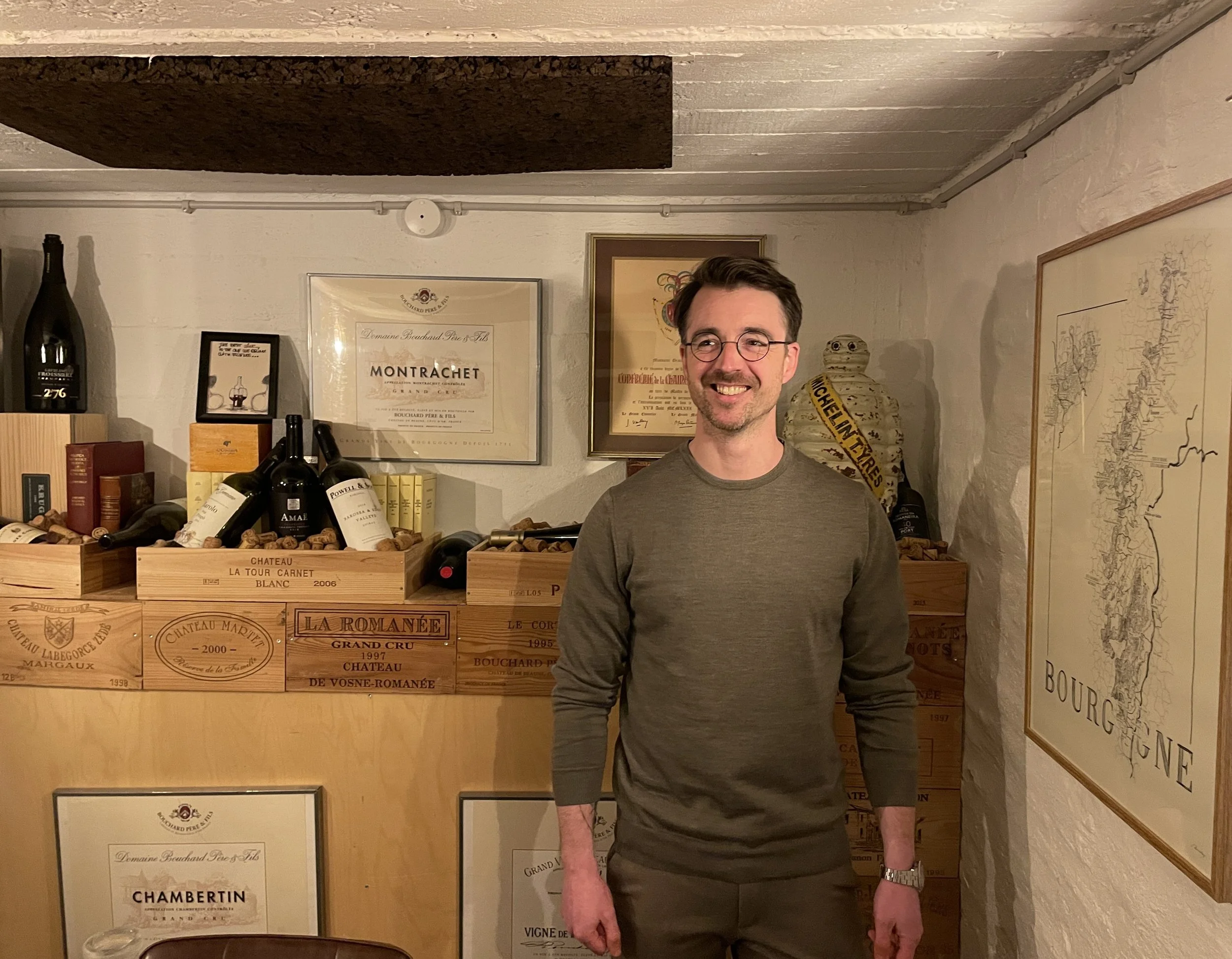
Oliver Carr, Denmark’s Best Sommelier 2025: The Guest Is Always the Rock Star
It is a cold, windy March day in Copenhagen, and Sydhavnens Vinbar is exactly the right place to meet Oliver Carr. He arrives to our conversation the way, I imagine, he arrives everywhere: relaxed, thoughtful, and with no apparent desire to be the centre of attention. He is Denmark’s Best Sommelier 2025 — a title he won at Moltkes Palæ on 8 September 2025, ahead of two very strong competitors — and yet the first thing he tells me is that he entered DM mostly as training for his Master Sommelier. I am soon to find out, that it is a very Oliver Carr kind of answer.
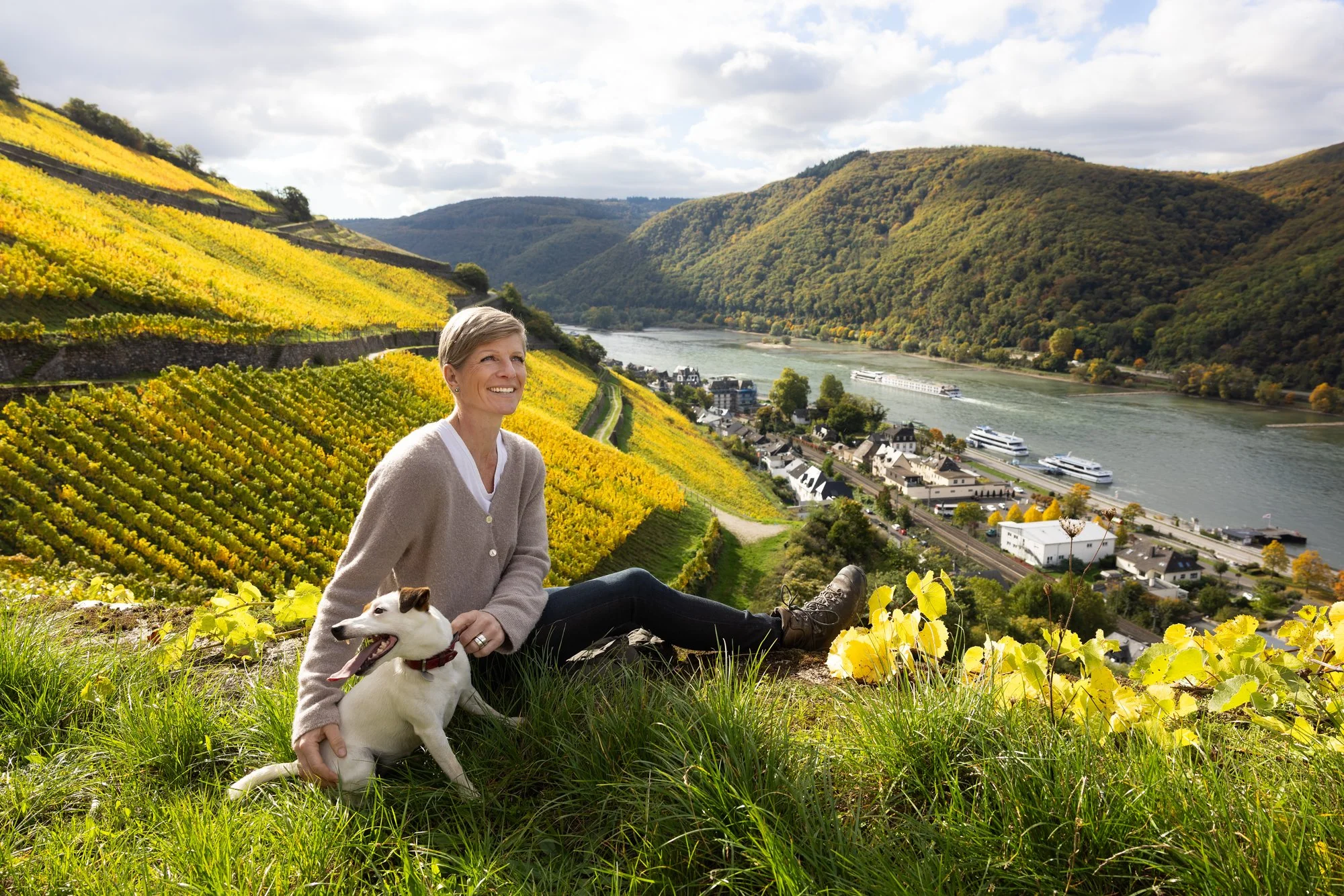
Wild at Heart: Inside Chat Sauvage and the Quiet Revolution of the Rheingau
The Rheingau is Riesling country. Anyone who has spent time in this stretch of hills along the Rhine knows it — the steep south-facing slopes, the slate and quartzite soils, the proud producers who have spent centuries coaxing elegance from a single grape. So when I sat down with Verena Schöttle, the winemaker behind Chat Sauvage, a small estate producing nothing but Pinot Noir and Chardonnay in the heart of this landscape, I came with a question I had been sitting on for a while: what does it actually take to do something different here, and mean it?
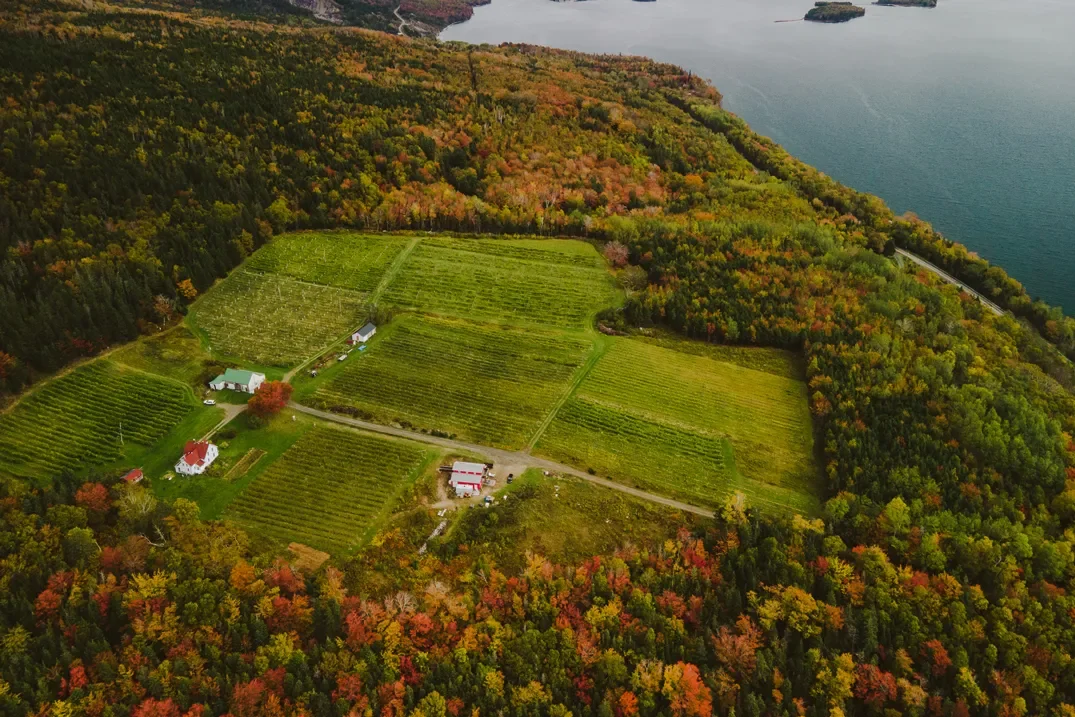
Nova Scotia: Maritime in Cool Climate Winemaking
I find it interesting when people go against what seems impossible. Nova Scotia, on Canada’s Atlantic coast, is one of those places. It lies far north, shaped by the sea and by a community of growers determined to turn a cool, windy climate into an advantage.
The Longest Investment: Romain Taupenot on Control, Nature, and Ten Generations of Burgundy
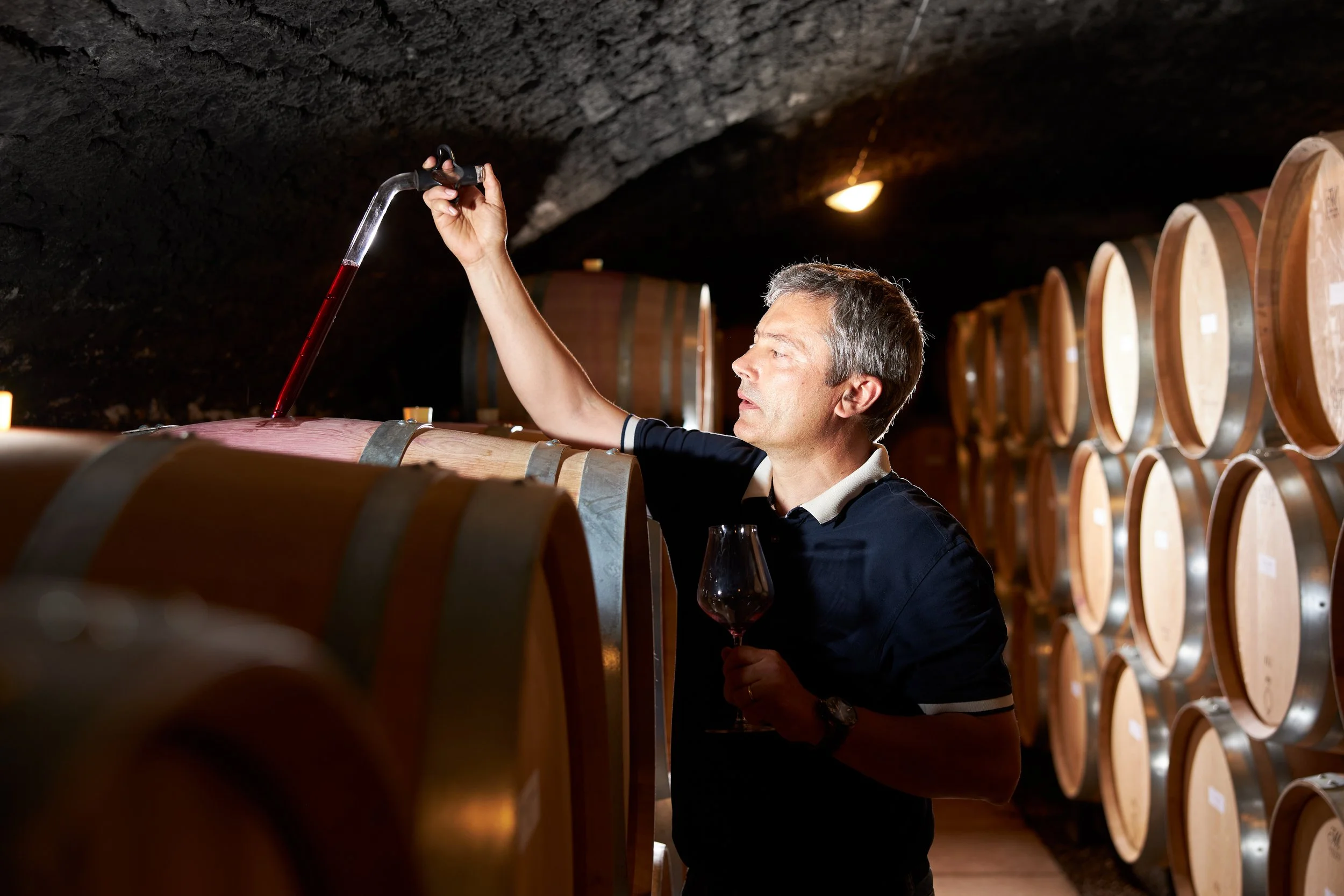
I will admit it upfront: I am a devoted fan of Taupenot-Merme wines. So when I found myself sitting across from Romain Taupenot a grey morning in Copenhagen, I had to remind myself to ask questions rather than simply nod along. It turned out not to be a problem. Within the first ten minutes it became clear that Romain does not give short answers. Not because he is evasive, but because the subject does not allow for it. Burgundy, for him, is not a product. It is a living thing, and he treats it accordingly.
Three Ways California is Pioneering More Sustainable Wine
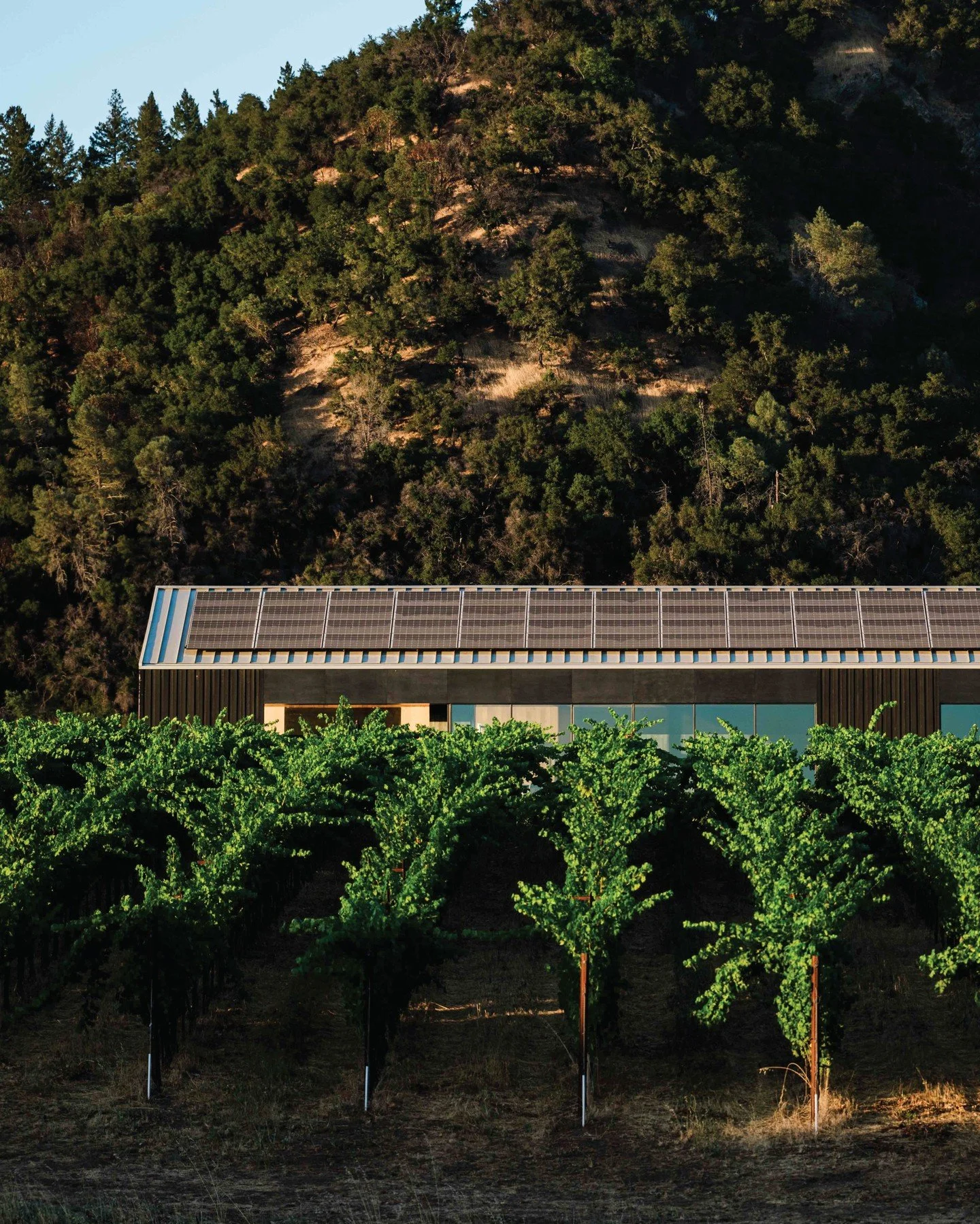
California is a global leader for sustainability in wine, with 90% of its wines made in certified sustainable wineries and 70% of the total vineyard acreage now certified sustainable!
From Santa Barbara to Sonoma, Californian vintners are on a mission to reshape the future of wine – innovating and experimenting with new practices, or in some cases reintroducing ancestral ones, to put their environment and community first.
Here are three examples of sustainability in action.
Editor: Anne Køster
We share news, updates and stories that matter to you — our members, partners and sponsors. We regularly put the spotlight on specific topics and run a Member Spotlight series, where we get to know one member a little better. Want to be featured, contribute content or have an idea? Drop Anne a line at editor@sommelier.dk.
SoMe & Web: Stine Pimenova
Across our website and social media we share knowledge and inspiration for the industry. Follow us on LinkedIn, Facebook and Instagram for the latest on regions, producers, members, tastings and events — and keep an eye out for competitions, masterclasses and other events from our sponsors. Got a tasting or event relevant to our members? Reach out to Stine at sp@sommelier.dk or editor@sommelier.dk.