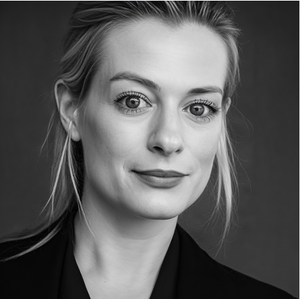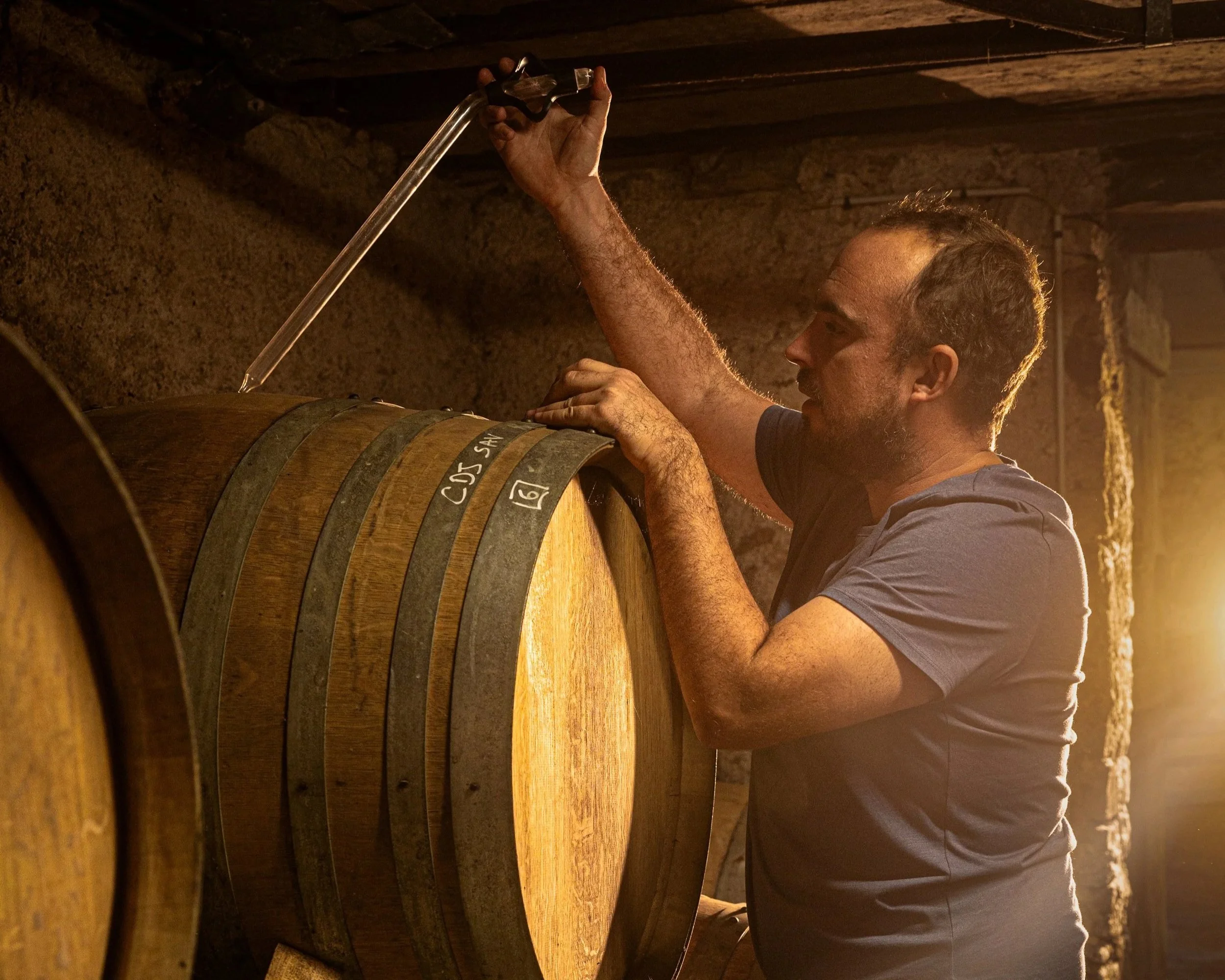
Vincent Remillet, Château de Verreux. Image: Château de Verreux
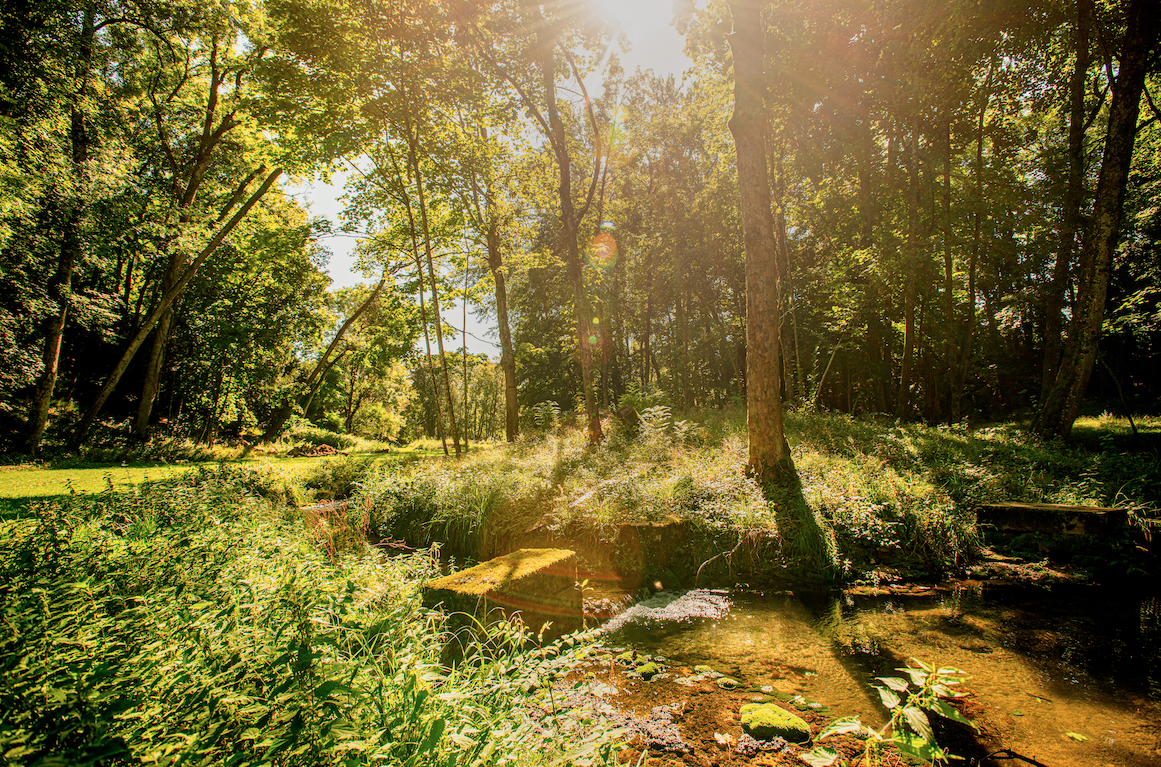
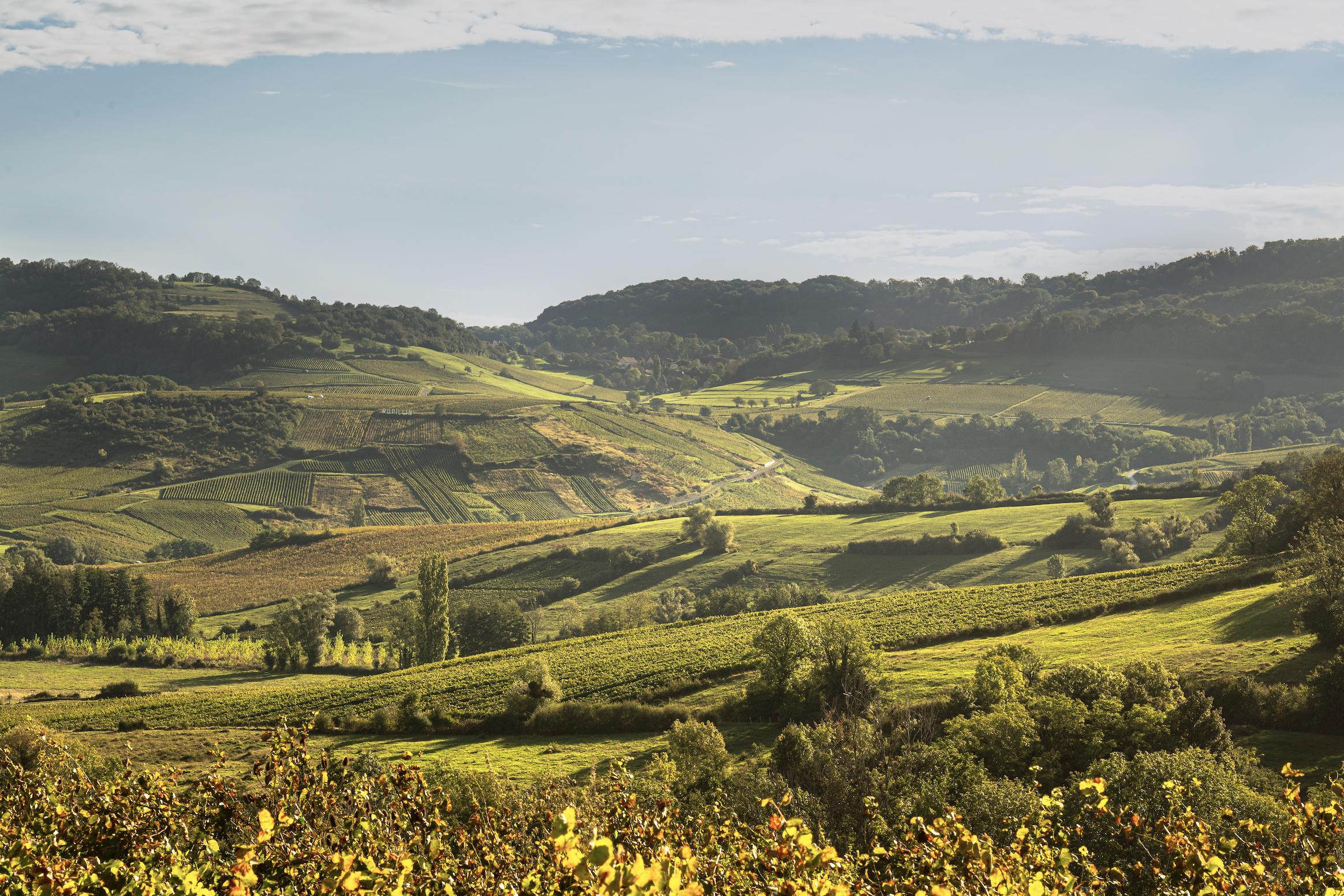
Château de Verreux lies in Arbois, in eastern France’s Jura region, surrounded by vineyards and ancient marine fossils.The estate dates back to the 18th century and is officially listed as a protected historical monument.
It was a pleasure to speak with Vincent Remillet and Yann Greset from Château de Verreux. Thank you to Morten Nass from Vinens Verden for making the interview possible.
After standing silent for decades, the château was purchased in 2021 by Vincent Richard, who founded the estate the same year. Vincent Remillet joined as partner and winemaker in 2022, followed by Yann Greset in 2024, overseeing development and communication. Together, they began restoring both the vineyards and the château, stone by stone.
The first vintage, 2023, marks the rebirth of the estate.
The story of Château de Verreux begins in the early 18th century. The estate was built around 1718 by Jean-Baptiste Domet de Mont, then lieutenant-general of the bailliage and later mayor of Arbois. At that time, Arbois was already known for its vineyards, long before it became the first AOC of the Jura and one of the earliest in France.
Over the centuries, the property passed through several families, each adding to its architecture and story. The 1810 cadastre already shows the same layout as today: a main house, east tower, barn, gardener’s house, and a park overlooking the vines.
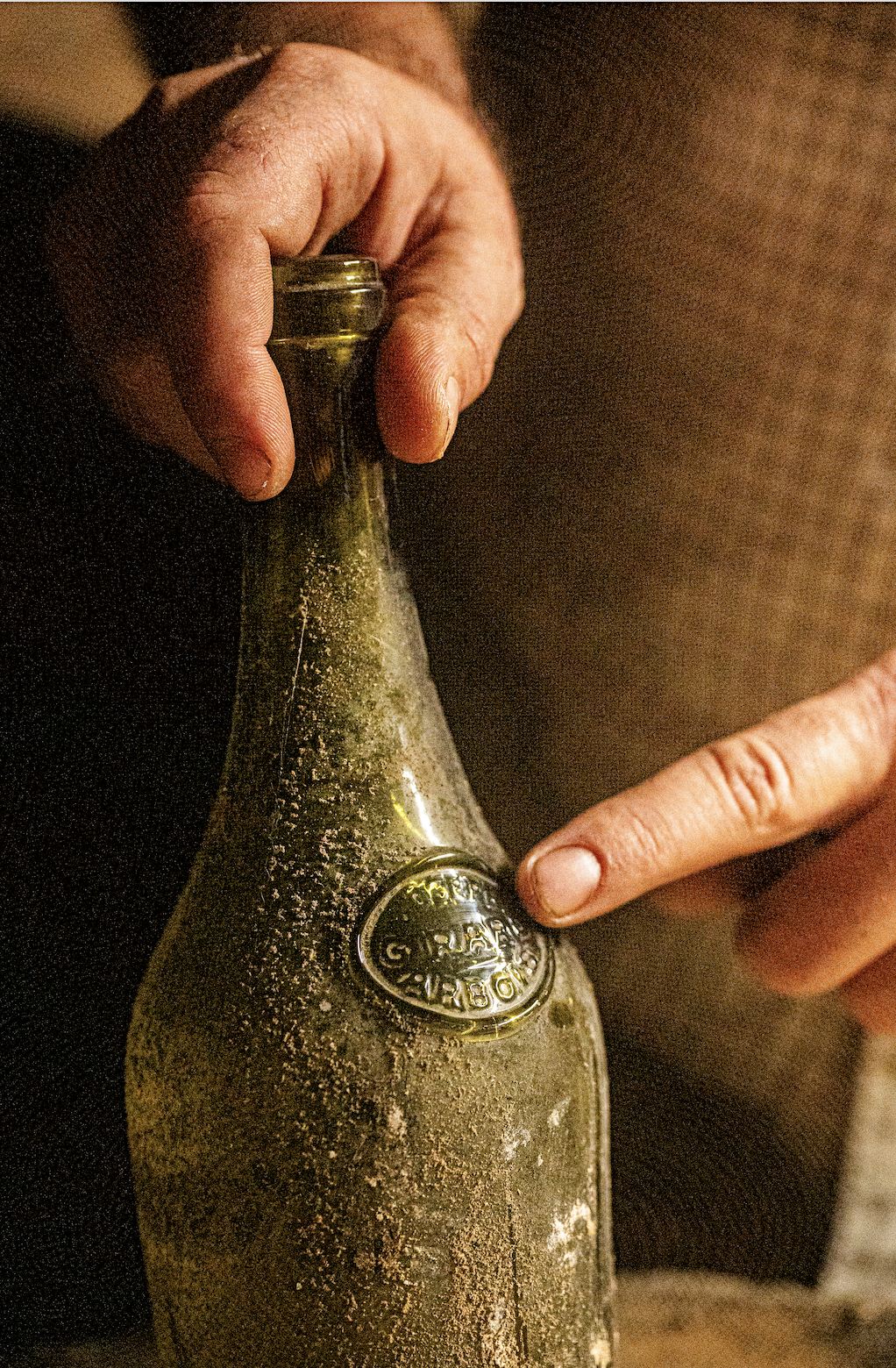
By the 20th century, the estate belonged to Joseph Girard, one of the key figures in the creation of the Arbois AOC. Later, the château fell into decline and stood almost forgotten for decades. Some parts were in ruins, and the roofs were collapsing.
“The château had been neglected for more than fifty years,” Yann tells me. “Bringing it back is not only about wine. It’s about protecting a piece of Jura’s history.”
The restoration work started in 2020, when the current team bought the property. Since then, they have been rebuilding everything step by step, with support from the Fondation du Patrimoine.
For the team, the goal is not only to produce wine but also to reconnect the château with its past. The first wine was made in 2023, marking a new beginning for a place that had once been silent.
Meeting the Team
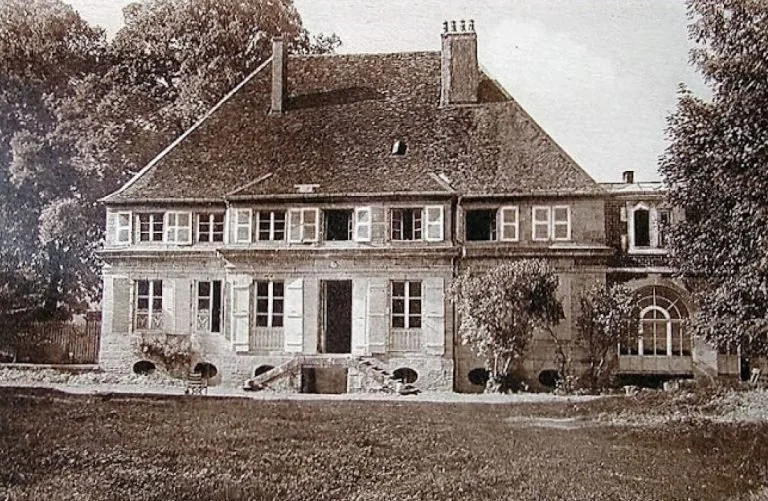
Image: Château de Verreux
Before our talk, I had looked at the Château on Google Maps. The scaffolding, the half-renovated tower, and the surrounding vineyards all told the same story something new growing from something very old.
“It’s a wonderful project, really tough, with a lot to do,” Yann says. “Everything is protected. It’s a historical monument, so everything takes a lot of time. It’s a ten-year project for the building.”
When I ask why they chose this particular castle, he smiles.
“We are three partners, Vincent Richard, Vincent Remillet, the winemaker, and me. Vincent Richard had always dreamed of having his own winery. He’s from Arbois, he loves wine, his region, and, as always, when he undertakes something, he wants to do it properly. He found this wonderful castle, a place steeped in history and meaning for the region, and his meeting with Vincent Remillet was the catalyst. From that moment, everything fell into place. I joined the adventure a bit later driven by this wonderful project and the passion of those two guys.”
From Science to Soil
Vincent Remillet, the winemaker, has an unusual background.
“Vincent has a scientific background,” Yann explains. “He did a degree in biochemistry. He was always passionate about wine, and biodynamics gave him a link between science and nature.”
Vincent started working in winemaking over a decade ago and finished his path in a well-known domain in Arbois as “2nd of exploitation” before deciding to start something of his own. His grandfather was also involved in the wine trade, so it seems to run in the family.
“We wanted to create something concrete and meaningful,” Yann says. “We all have different backgrounds, but the same vision.”
Sponsored ad from Vinens Verden
"We are in Arbois, the first appellation recognized in the Jura, and one of the earliest AOCs in France. Our goal is to have a clear identification of the terroir. With biodynamics, we can make precise and authentic wines with true quality."
Restoring the Château
The Château is still being restored, yet part of it is already active as a working winery.
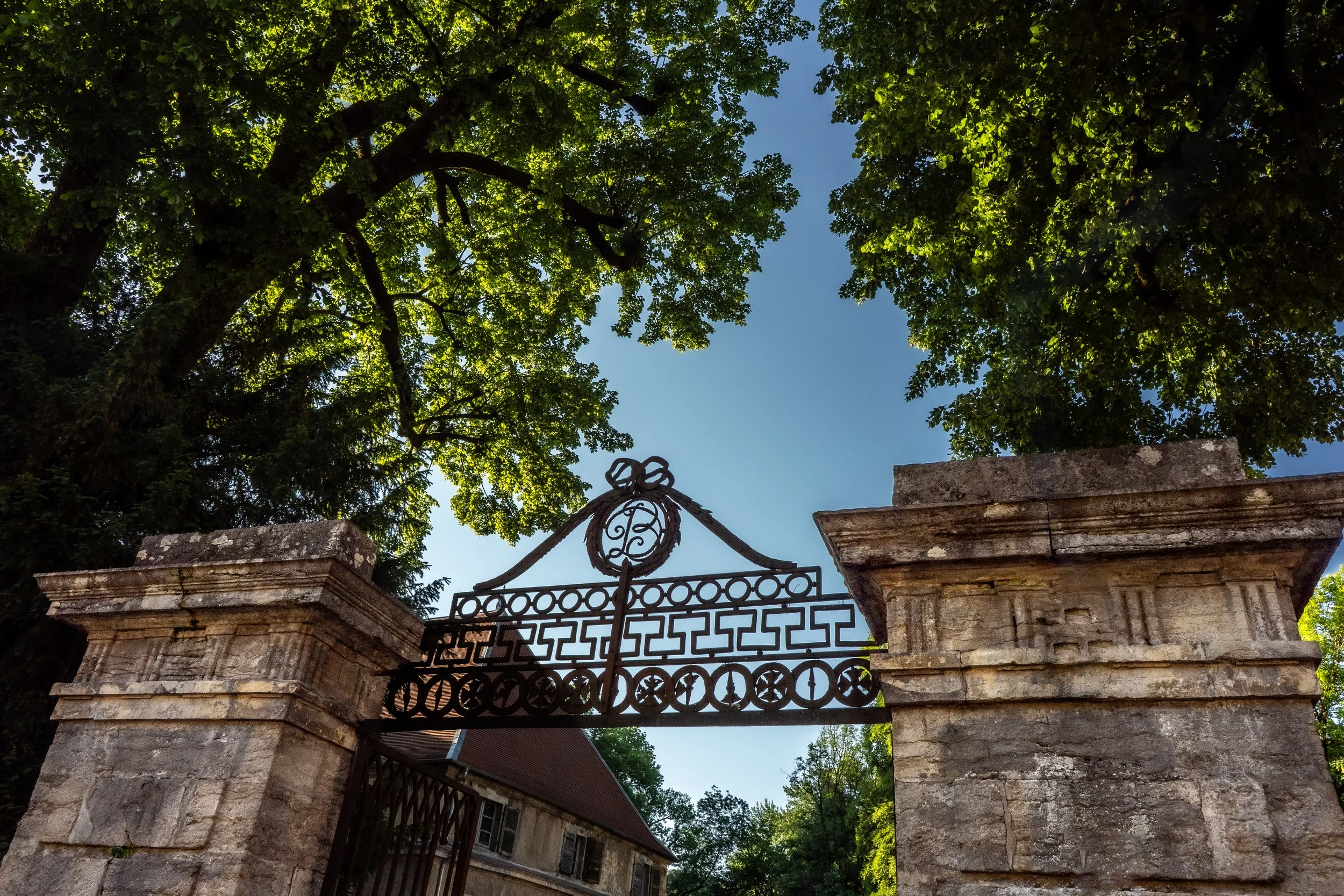
Image: Christophe Reich-Rutz
“One part of the castle is used for winemaking,” Yann tells me. “The other part is handled by the other Vincent, who oversees the reconstruction. We both work together to bring it alive.”
The work is not only physical but philosophical.
“We really want to let the terroir express itself,” Yann says. “We are in Arbois, the first appellation recognized in the Jura, and one of the earliest AOCs in France, in 1936. Our goal is to have a clear identification of the terroir. With biodynamics, we can make precise and authentic wines with true quality.”
"When you walk through the vineyards, you find fossils everywhere, marine fossils. The ground has turned over, so the Jurassic stones are now on top."

Image: Christophe Reich-Rutz
Terroir Written in Stone
If you walk the vineyards at Château de Verreux, you’ll find pieces of the past under your feet.
“We have wonderful grey marls, which bring freshness and saltiness,” Yann says. “You can really feel it in all our wines, but especially in the Chardonnay. When you walk through the vineyards, you find fossils everywhere, marine fossils. The ground has turned over, so the Jurassic stones are now on top.”
The Jura region takes its very name from the Jurassic period when these grey marls, rich in limestone and clay, were formed beneath a prehistoric sea. Over millions of years, tectonic shifts lifted and folded the land, turning seabed into hillside.
The effect on wine is clear: marls give freshness, structure, and a light saline edge.
“Our soils make the wines pleasant and structured,” Yann says. “For the next 20 or 30 years, climate change will be really challenging with more frequent climatic accident and diseases but also might help us to do wines with a bit mor of maturity. Maybe later we’ll have to adapt, but for now, it brings balance.”
Morten from Vinens Verden, who imports their wines to Denmark, remembers visiting the vineyard:
“They showed me the fossils in the soil,” he says. “You can pick up ancient shells everywhere. The ground literally contains the seabed from the Jurassic era.”
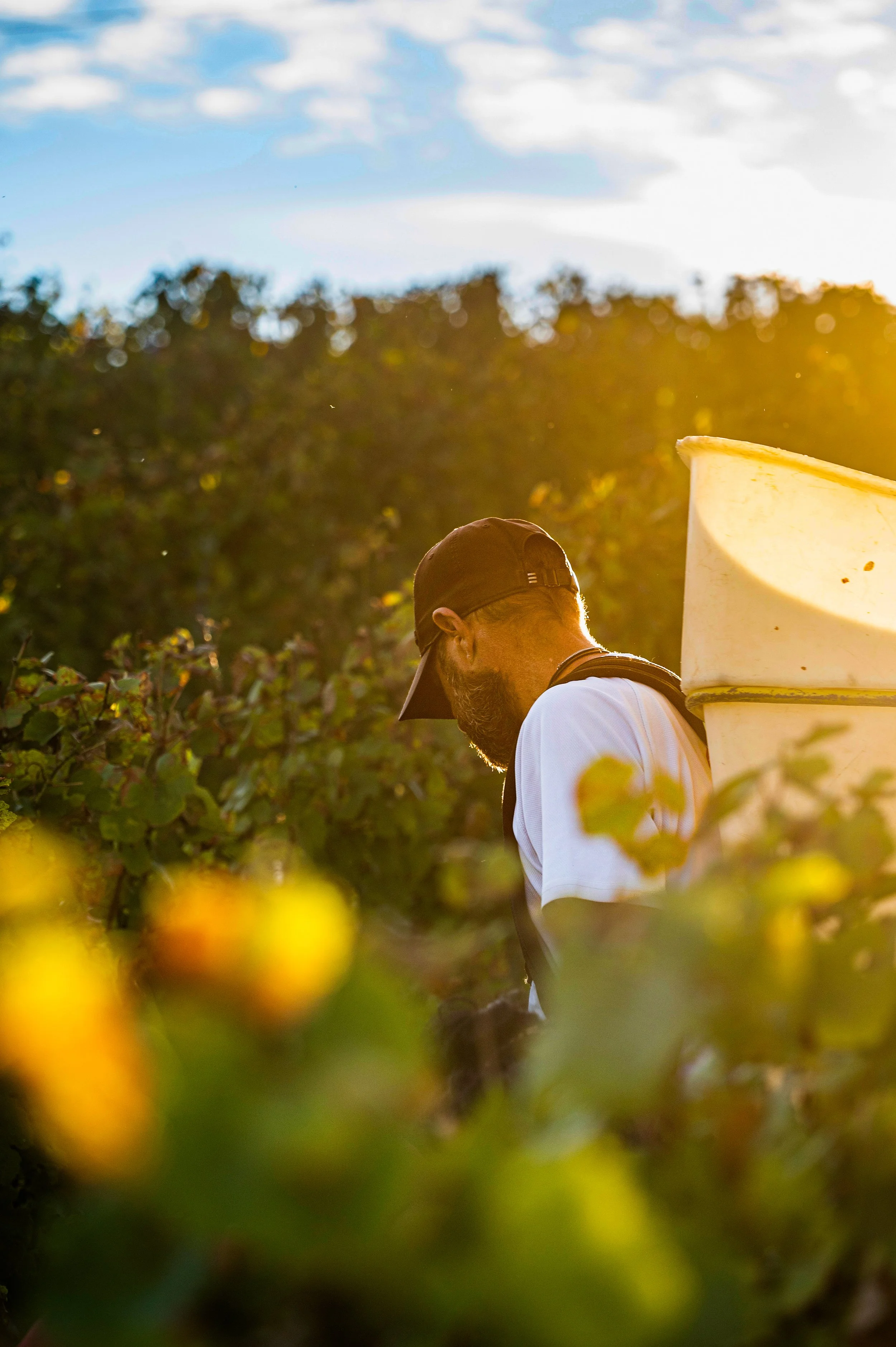
Image: Château de Verreux
Biodynamics and Winemaking at Verreux
At Château de Verreux, everything begins in the vineyard. The team follows biodynamic principles not as a marketing label, but as a way of thinking.
“The benefit is that we fully respect the soil and the ecology,” Yann says. “We don’t use any pesticides or chemicals, so nature is more balanced. You see more insects and animals coming back.”
He explains that working biodynamically takes more time and effort, but it gives strength back to the vines.
“Over time, the vines become stronger because they have to go deeper for nutrients. The roots go further down, so the vines are healthier and more resilient,” he says. “But to get that advantage, you have to work a lot and be very present in the vineyard.”
The rhythm of their work follows the biodynamic calendar, respecting the natural balance between soil, plant, and moon cycles. It’s a system that connects them to something larger than the vineyard itself.
“It’s about understanding the balance of nature,” Yann says. “Biodynamics lets us make precise and authentic wines with true quality.”
Inside the cellar, that same philosophy continues. Everything is done by hand: the sorting, the harvest, and the pressing. For the reds, they use gentle maceration, between 15 and 30 days, to preserve the purity of the fruit.
“We really want honest and precise wines, with a true expression of the terroir,” Yann says. “Poulsard is fruity and light with a slightly wild aroma, and we have to respect that. We don’t want to add wood or interfere too much.”
Fermentations happen naturally, using indigenous yeast. There are no chemical adjustments or filtration except for white wine, which undergoes light filtration, and only a very small touch of sulfur is added just before bottling.
“We do our best to be the less intrusive with the wine, if we have to use a bit of sulfur it’s only with homeopathic dose. We also use a very small amount before bottling just to stabilize the wine for transport,” Yann explains “we are so sensitive to this topic that our analysis showed a level really close to the natural sulfur and way below the maximum authorized by Demeter”
"We want people to taste where we are,” Yann says. “Our job is not to change Jura, but to stay true to it."
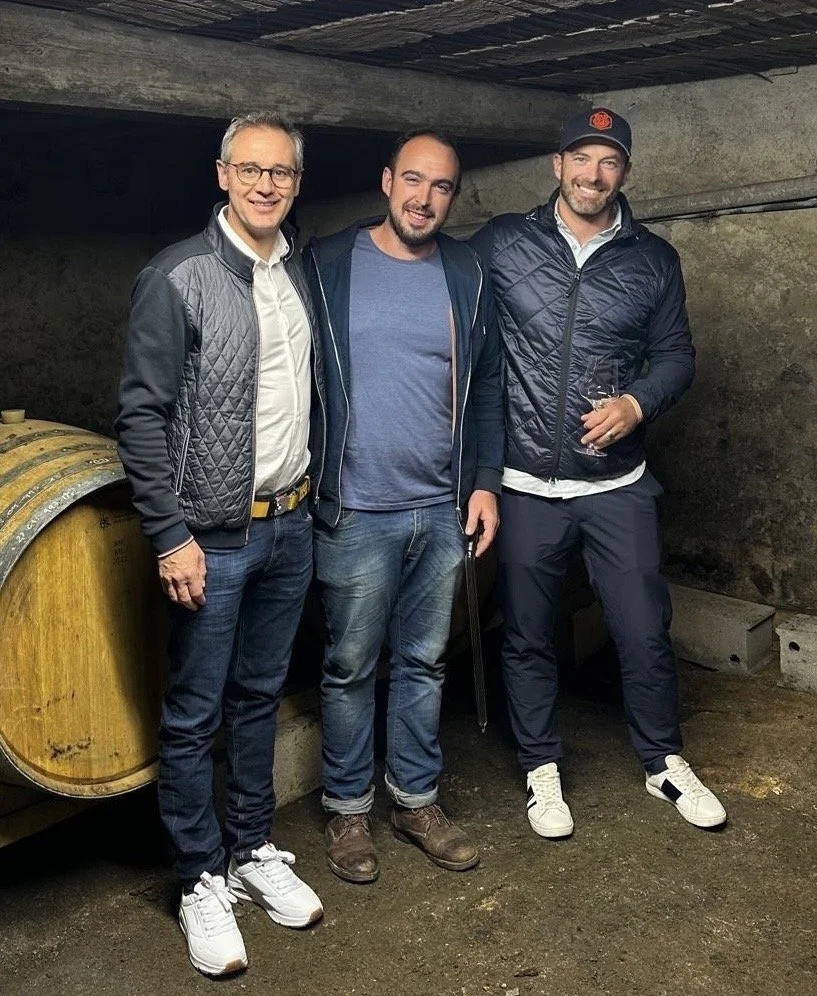
Vincent Richard, Vincent Remillet and Yann Greset Image: Maria Ventola
Staying True to Jura
When I ask about grape varieties, Yann smiles.
“We didn’t try others,” he says. “If we want to respect Jura, and especially Arbois, we have to stay with the original, traditional grape varieties.”
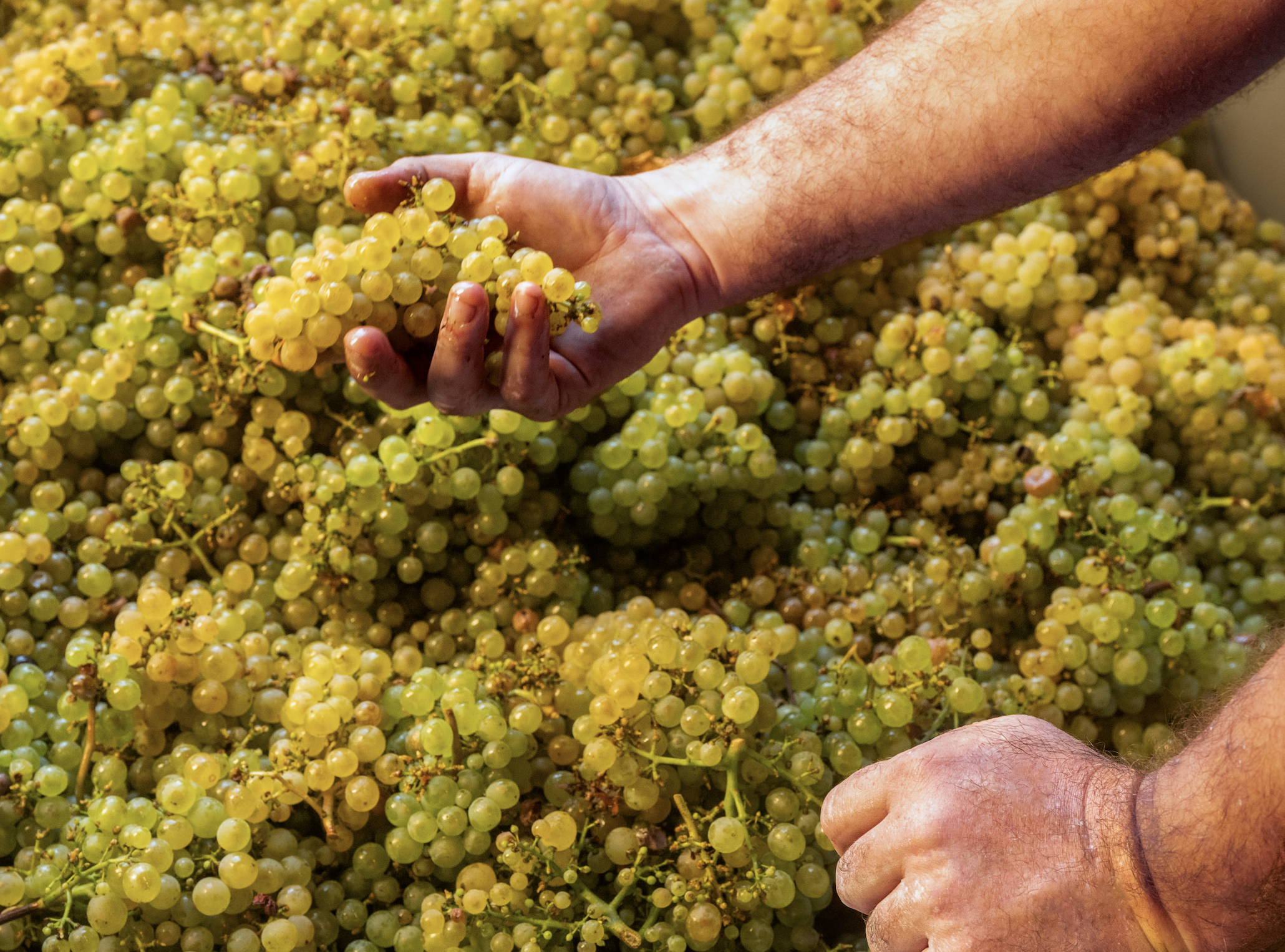
At Château de Verreux, the vineyards are planted with Chardonnay, Pinot Noir, Poulsard, Trousseau and Savagnin. Each of them plays a different role in expressing the diversity of the Jura landscape.
“Each grape has its own balance,” Yann explains. “Chardonnay brings freshness and tension. Savagnin gives structure and energy. Poulsard is light and aromatic, Trousseau adds spice and color, Pinot Noir gives finesse.
By keeping to these varieties, the team stays close to Jura’s identity while also allowing space for discovery and evolution.
“We want people to taste where we are,” Yann says. “Our job is not to change Jura, but to stay true to it.”
Finding Their Place in the North
Château de Verreux is still new, but already well received in the Nordic countries.
“Since we were still in conversion, we didn’t have access to the big fairs,” Yann says. “But we had the chance to do a Nordic tour organized by the Chamber of Commerce and Industry of Bourgogne Franche-Conté which does excellent work and provides wonderful support ". The wines were very well received in Sweden and Denmark.
That’s where he met Morten from Vinens Verden.
“Next to our stand was Yann,” Morten recalls. “I tasted the wines and thought, ‘This is what we’ve been looking for.’ They were pure, biodynamic but not funky, and with great balance.”
He later visited the property.
“It’s an amazing project,” he says. “The building had been abandoned for more than 50 years. Renovating it is a huge job.
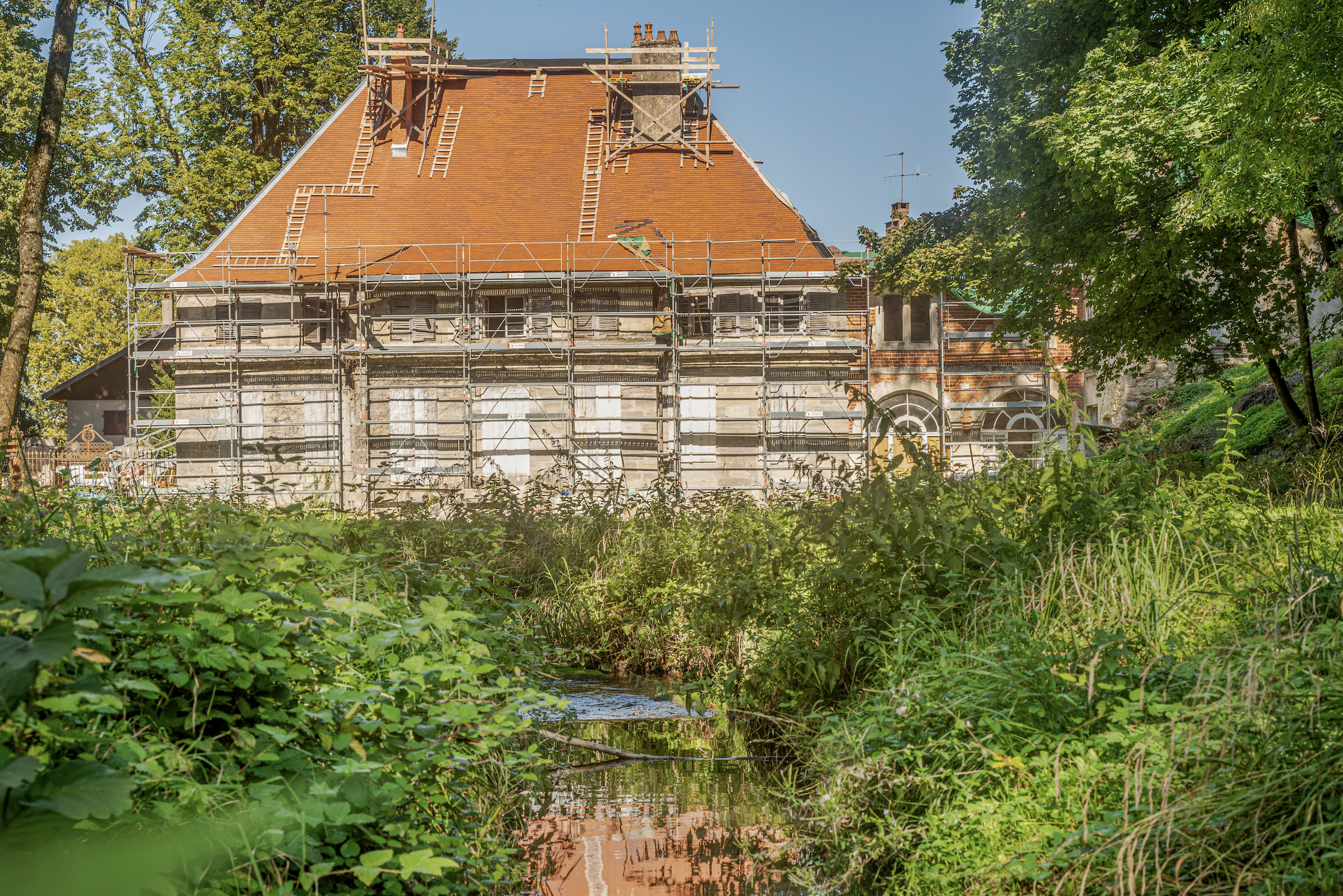
Image: Château de Verreux
A Look Ahead
The future at Château de Verreux is already mapped out but it’s a patient roadmap.
“In ten years, we want to have the full Château restored so we can give to our visitors an authentic experience of the hospitality of Château de Verreux,” Yann says. “We also want to create a small museum explaining the terroir and the region.”
They plan to expand production with single vineyard, oxidative wines, sparkling wines, and the classic Vin Jaune, with the first bottling expected around 2030, from the vintage 2023.
“For the wine, our goal is always to improve quality,” Yann says. “Over time, we’ll understand more about our plots and what we want to achieve.”
The wines
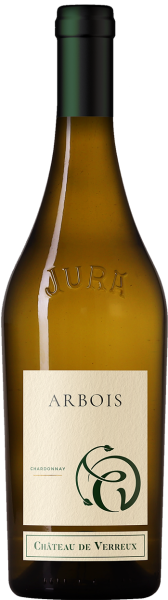
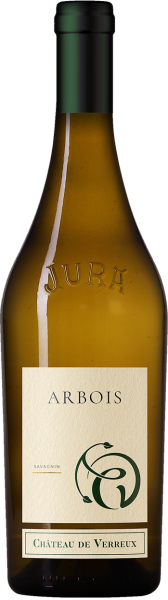
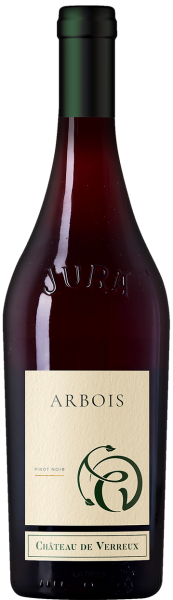
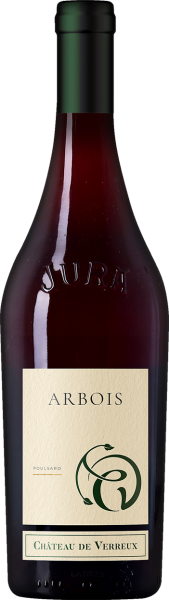
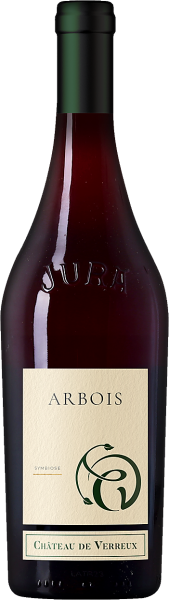
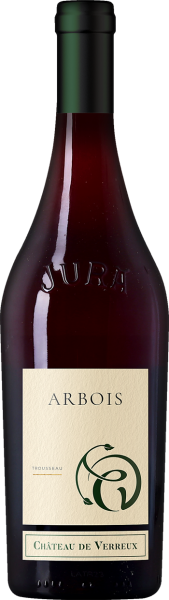
Château de Verreux has six wines in their 2023 range: Chardonnay, Savagnin Ouillé, Pinot Noir, Poulsard, Trousseau and Symbiose. They all share a balanced and calm expression, with clean fruit and bright, refreshing acidity. There is a confidence in the style.
For me, two wines stood out in particular:
Chardonnay 2023 Soft notes of peach, apple and citrus, with a gentle roundness from oak and lees. Still very clean and crisp on the palate, finishing with a light chalky and almost salty edge.I tasted this wine already six months ago at a masterclass at the French Embassy and had noted it then as a wine to follow. Tasting it again now confirmed exactly why. It is elegant and very well made.
Poulsard 2023 A bright, vibrant color and a nose full of red berries, but also a deeper earthy tone underneath. Juicy and fruit-forward on the palate, yet with quiet depth and a very good balance between tannin and acidity. I had it with a reindeer tartar and the pairing worked beautifully. It is a wine I will definitely come back to!
The Taste of Time
Before we end, Yann shares a pairing story that says a lot about their wines.
“A chef friend created a smoked risotto with gorgonzola and smoked dry rice. It paired beautifully with our Poulsard. The fattiness of the risotto worked perfectly with its character, and the smoked rice matched the slightly wild nose.”
When I ask about his best memory so far, Yann pauses.
“Everything I’ve learned from Vincent,” he says. “I come from hospitality, so learning to make good wine has been very fulfilling. Seeing the final product after all the work is something I’m really grateful for.”
The journey is still in its early years, but Château de Verreux already carries the weight and promise of history.