Cool Climate Wine Summit Ahead
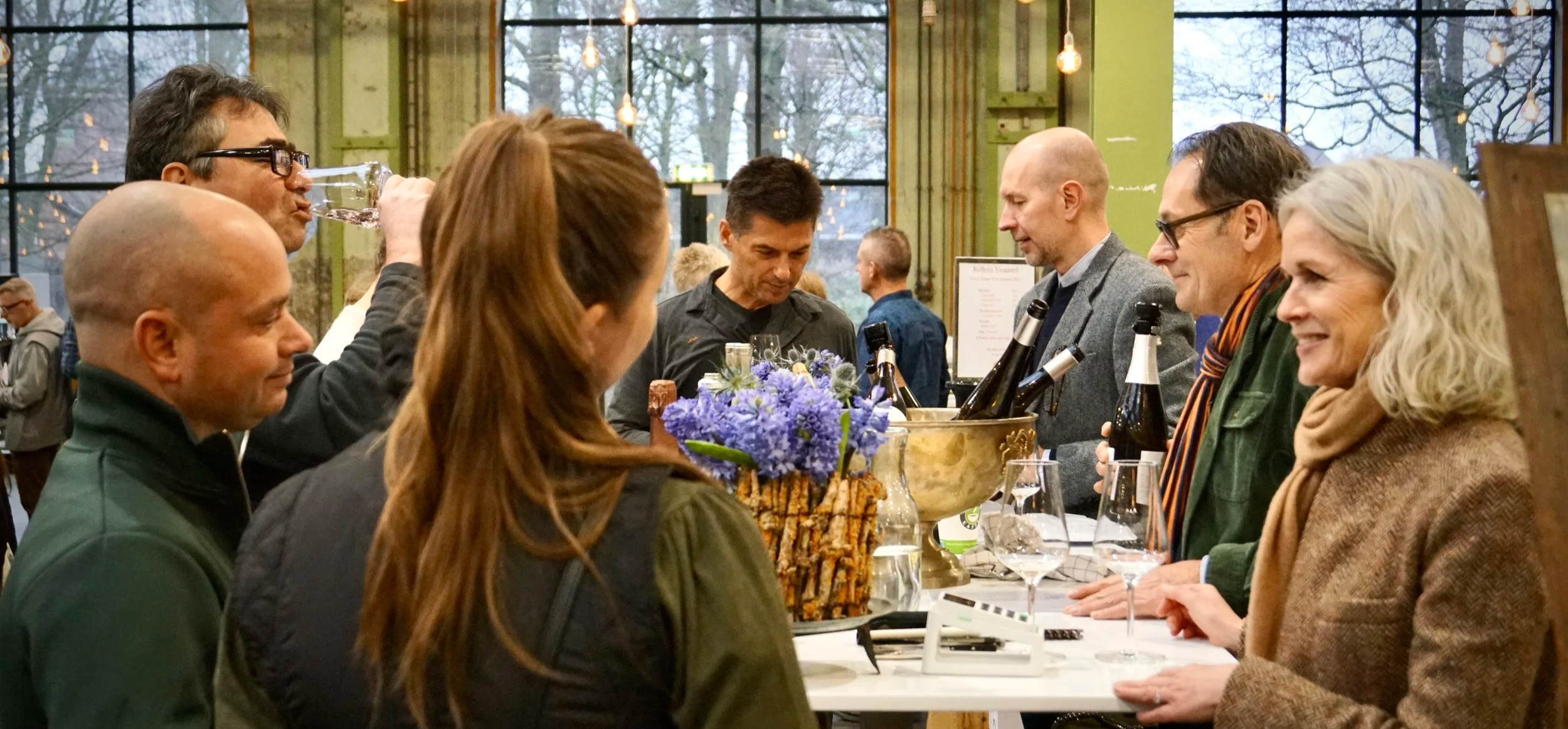
Image: Cool Climate Wine Summit
In conversation with Jan Eggers, Head of Organisation, Cool Climate Wine Summit
Coming up: Cool Climate Wine Summit, 10–11 January 2026
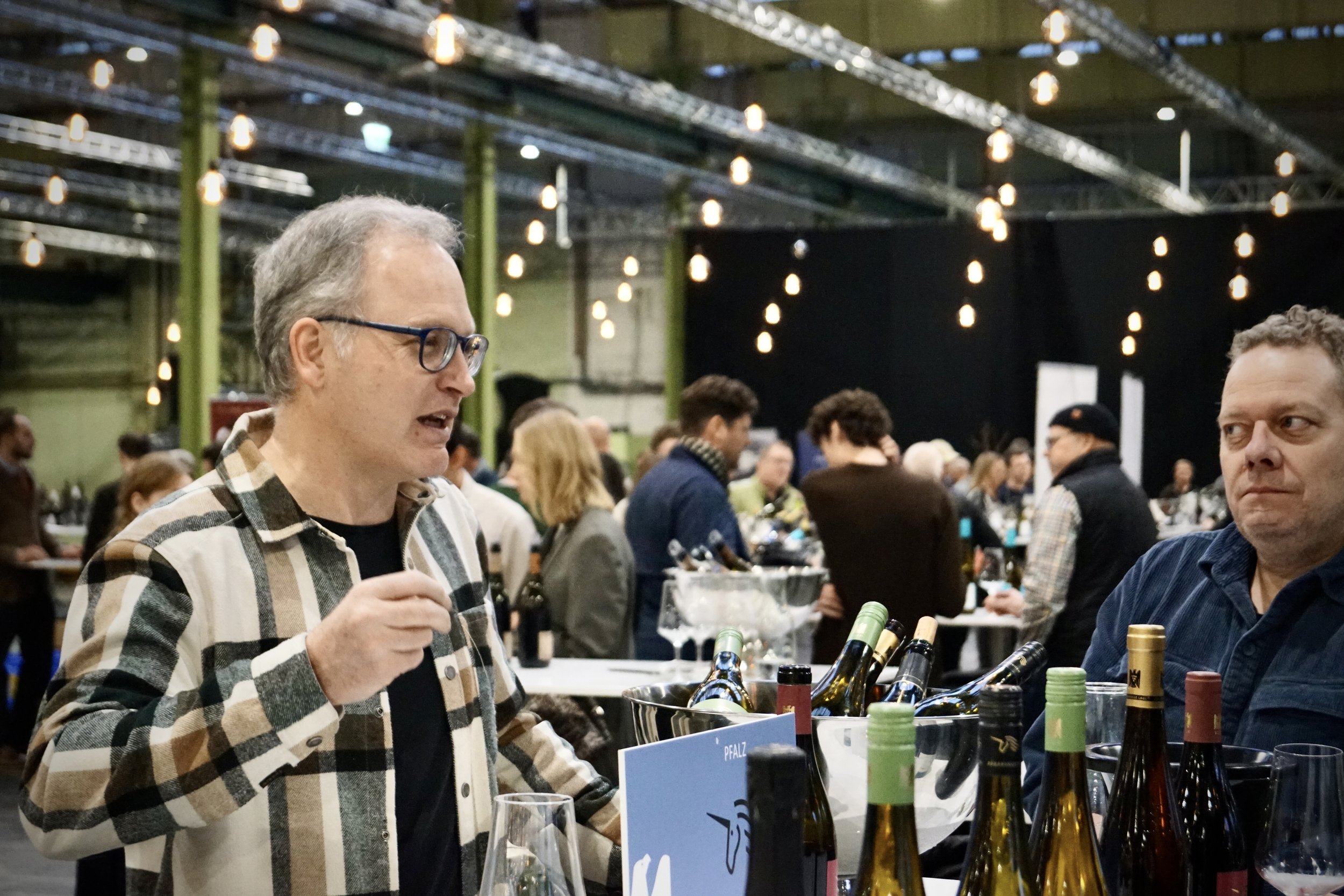
Cool Climate Wine Summit is Scandinavia’s leading professional trade fair dedicated to cool climate wine regions. The event brings together winemakers, sommeliers, buyers, and importers from across established and emerging cool climate countries, with a strong focus on tasting, education, and direct dialogue with producers. Alongside a large international tasting floor, the summit offers a curated programme of masterclasses and winemaker-led discussions, all designed to support professional wine selection and knowledge building.
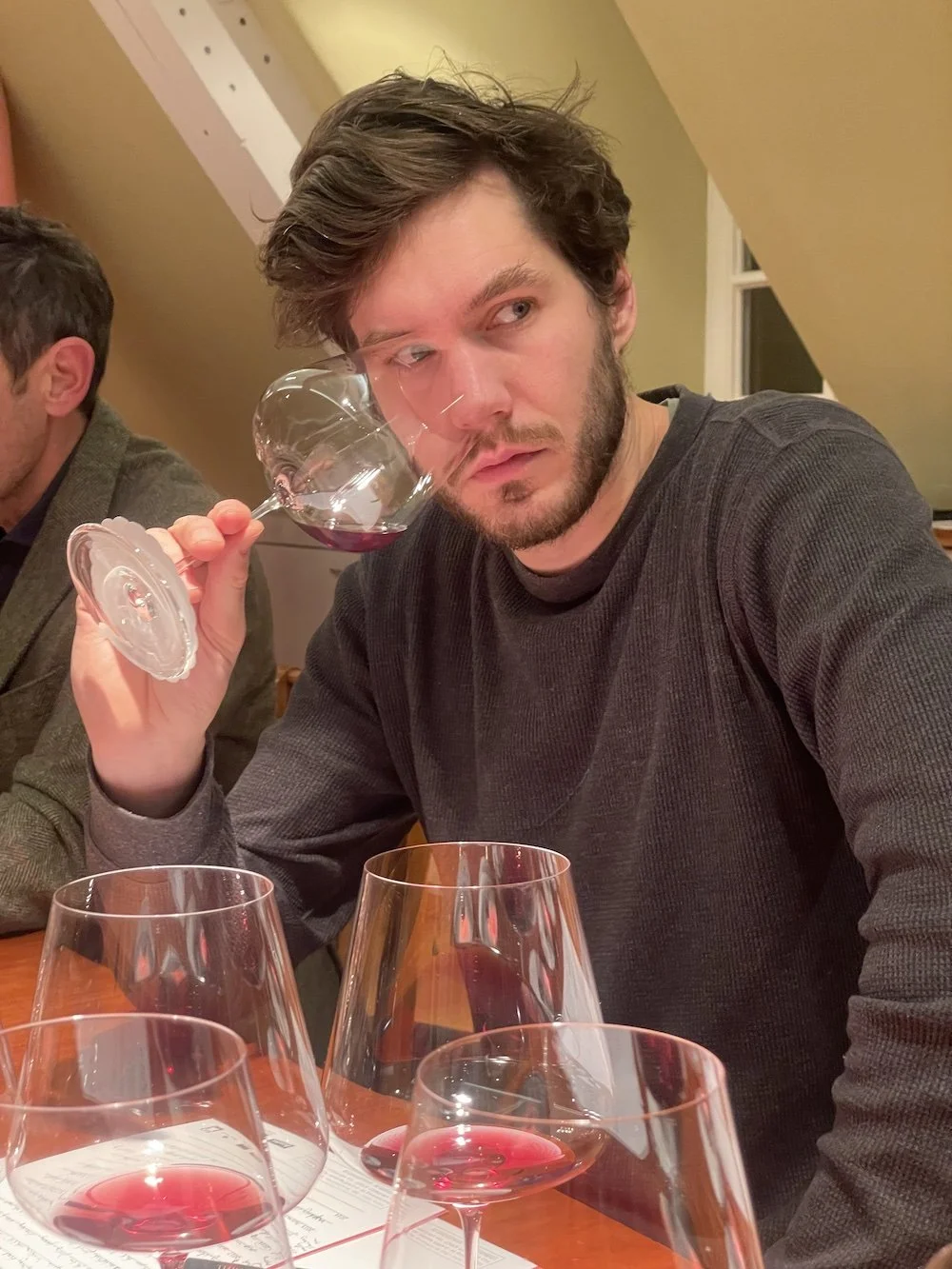
Jan Eggers, Head of Organisation, Cool Climate Wine Summit. Image: Jan Eggers.
Ahead of this year’s summit in Copenhagen, I spoke with Jan Eggers, Head of Organisation for the Cool Climate Wine Summit. I was unfortunately busy and unable to attend the summit last year, but I am very much looking forward to experiencing the event this year. Our conversation focused on why cool climate matters more than ever, what the trade should pay attention to today, and what sommeliers can expect from the upcoming edition and its masterclass programme.
Why cool climate matters today
According to Jan, the renewed relevance of cool climate regions is closely linked to climate change and shifting wine styles.
“In general, climate change is affecting the classic wine growing regions,” he explains. He refers to long-term changes in acidity levels in regions such as Champagne and Chablis, where wine styles are becoming more mature and less crisp. “What we see over the last 20 years is that acidity levels in Champagne, for example, are in free fall.”
He points out that this affects consumer expectations and classic benchmarks. “The light, fresh, and mineral style of Chablis might soon be a thing of the past, or only possible in very cold vintages.”
As a result, cool climate regions are increasingly relevant. “We have to find regions that provide alternatives for those consumers who like highly acidic, mineral-driven wine styles.”
At the same time, Jan stresses that quality has improved significantly. “The winemakers are better. That is a big change.” He adds that this shift is visible across the Nordics. “Just within the last ten years, looking at the Danish wine scene, for example, they just got much more professional.”
What the summit is for
When I ask Jan to define the summit in one sentence for sommeliers, he is clear.
“It’s the greatest opportunity to inform and update yourself on cool climate wine trends.” He adds that the physical format is key. “It is the greatest opportunity in Europe to come in contact with cool climate winemakers.”
For Jan, the concentration of producers is what makes the summit unique. “There’s nothing similar anywhere else where we have such a density of producers in such a small room.”
For sommeliers, this means the chance to tasting broadly across countries, meeting producers directly, and putting cool climate wines into a wider professional context.
Sustainability and small producers
Sustainability and scale are central to the summit’s focus this year. Jan explains that a clear majority of producers work with sustainability in practice, not only in theory.
“Roughly, 70 percent of our winemakers are at least working organically, if not being organically certified,” he says.
"People still have the idea that it’s all just about PIWI grapes, which is simply so far from the truth."
Many of the estates represented are small. “Sixty percent of the producers are below 10 hectares, and 85 percent are below 20.” For Jan, this is a conscious choice. “We really answer the question: find the next little boutique winery, presenting some totally interesting product combined with a fascinating story behind it.”
The sustainability focus also shapes the physical event. “We don’t have booth construction like larger trade fairs. We only have rental equipment that can be reused.” He adds that the footprint of suppliers and CO₂ impact are actively considered.
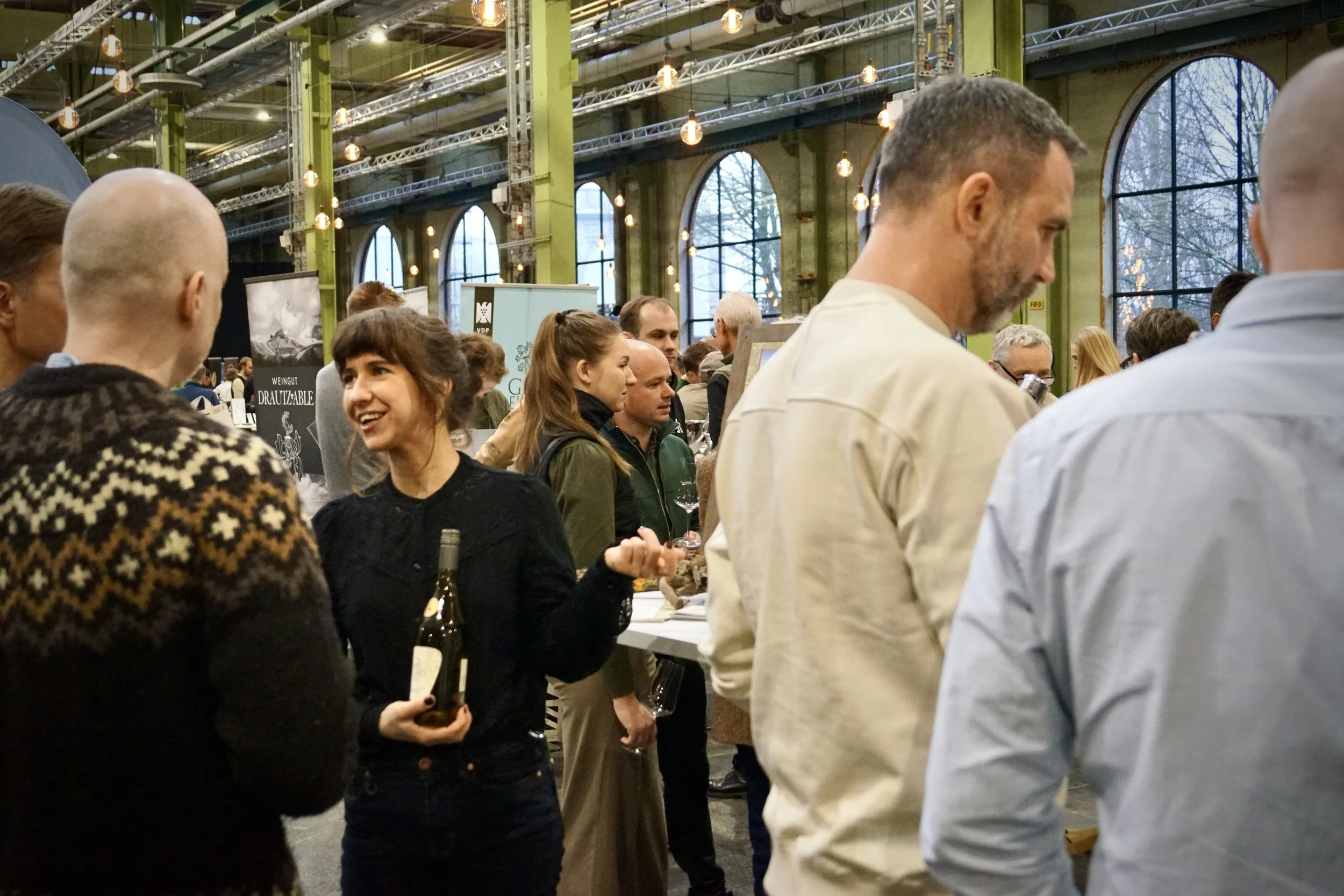
Image: Cool Climate Wine Summit
Rethinking cool climate misconceptions
One misconception Jan would like sommeliers to get over is that cool climate wine equals low quality standards or has technical mistakes.
“Low quality. Mistakes or failures,” he says, listing the most common prejudices. “A lot of people had experiences with hobby wine growers in Denmark or Scandinavia and misjudged those wines based on one bad experience.”
For Jan, this perception no longer reflects reality. “The assumption that the wine scene is unprofessional has to go. It is highly professional by now. It works very clean, and it produces outstanding wines.”
"Signature is very important. We have to understand what comes from where."
He also challenges the idea that cool climate equals PIWI only. “People still have the idea that it’s all just about PIWI grapes, which is simply so far from the truth.” While PIWIs are important, many regions work extensively with classic vinifera. “If we look at Poland, I think 50 percent of the acreage is Vitis vinifera. We find today outstanding Riesling and Pinot varietal wins here” Jan notes.
Climate adaptation on the agenda
Climate adaptation is a visible theme at the summit, particularly through the Winemakers Talks sessions. These discussions are designed by winemakers, for winemakers.
“We start Saturday and Sunday morning with Winemakers Talks,” Jan explains. “That is by winemakers, for winemakers. Panel debates. We organize to of those to inspiring winemaker about relevant topics like permaculture and vitiforestry, or PIWI.”
For Jan, it is important to reframe the climate discussion. “The big problem with climate change is not temperature,” he says. “It is extreme weather events, heavy rainfall, erosion.”
He adds that the goal is to rethink vineyard systems. “How do we break up monoculture and create a vineyard that can take care of itself. The totally self-sufficient vineyard.”
What the trade should look for
When selecting wines from cool regions, Jan encourages the trade to focus on identity and origin.
“Signature is very important,” he explains. “We have to understand what comes from where.” He points to sparkling wines from Luxembourg and Denmark, high-acid styles from Poland, and clear regional DNA as key reference points.
Sustainability is the second pillar. Jan sees cool climate regions as leaders in forward-thinking viticulture, driven by a younger generation of winemakers.
Why Copenhagen
Copenhagen plays an important role in the summit’s positioning. Jan highlights the city’s food culture, international restaurant scene, and accessibility. Combined with the Nordic focus on food and gastronomy, it provides a natural setting for a professional wine event.
What Jan hopes stays with participants
When I ask what he hopes sommeliers leave thinking about, Jan answers without hesitation: “Where can I buy that stuff?”
For him, success is measured in real connections. He hopes the summit continues to establishing itself as a home base for wine professionals in Scandinavia, and that producers leave having found new importers and partners in the region.
Interested in participating?
As a DSF member, you get:
Free trade fair access both days at Øksnehallen
1 free ticket to the Big Bottle Party (Fri, 9 Jan, Royal Danish Theatre)
1 free Master Class ticket of your choice
Masterclasses Preview
Alongside the tasting floor, the summit offers a strong masterclass programme aimed directly at the trade. DSF members are offered one free masterclass.
Saturday, 10 January
10:45 – 11:45
Cool Climate Sparkling: Poland, UK, Belgium and Denmark
MW Anne Krebiehl
13:00 – 14:00
Mosel (Danish Focus)
René Langdahl Jørgensen
14:45 – 15:45
Mosel Terroir Studies
MW Caro Maurer
16:30 – 17:30
Finger Lakes: PIWI vs. Vinifera
Dan Belmont
Sunday, 11 January
10:45 – 11:45
Discover the Ahr Valley
MW Caro Maurer
13:00 – 14:00
Wines of Luxembourg
Jessica van der Scheer
14:45 – 15:45
Switzerland: Indigenous Grape Varieties
José Vouillamoz
16:30 – 17:30
Wines of Poland
Adam Michocki
The Cool Climate Wine Summit takes place in Copenhagen and brings together producers, sommeliers, and buyers from across established and emerging cool climate regions. The event combines tasting, education, and direct dialogue with winemakers.