Dalva: Discovering a New Side of Port

“The strongest legacy is the wine itself, the cellars, the casks, and the heritage we preserve. Image: Dalva
Denmark has a long tradition with port, and we are the 8th largest market in the world when it comes to buying port wine. What stands out is that most of the port sold here are premium, and the average bottle price is among the highest.
For many years it has lived in a very specific setting: Christmas, cheese and the end of a long meal. I grew up with that image, even though we do not drink as much port in Sweden as people do here.
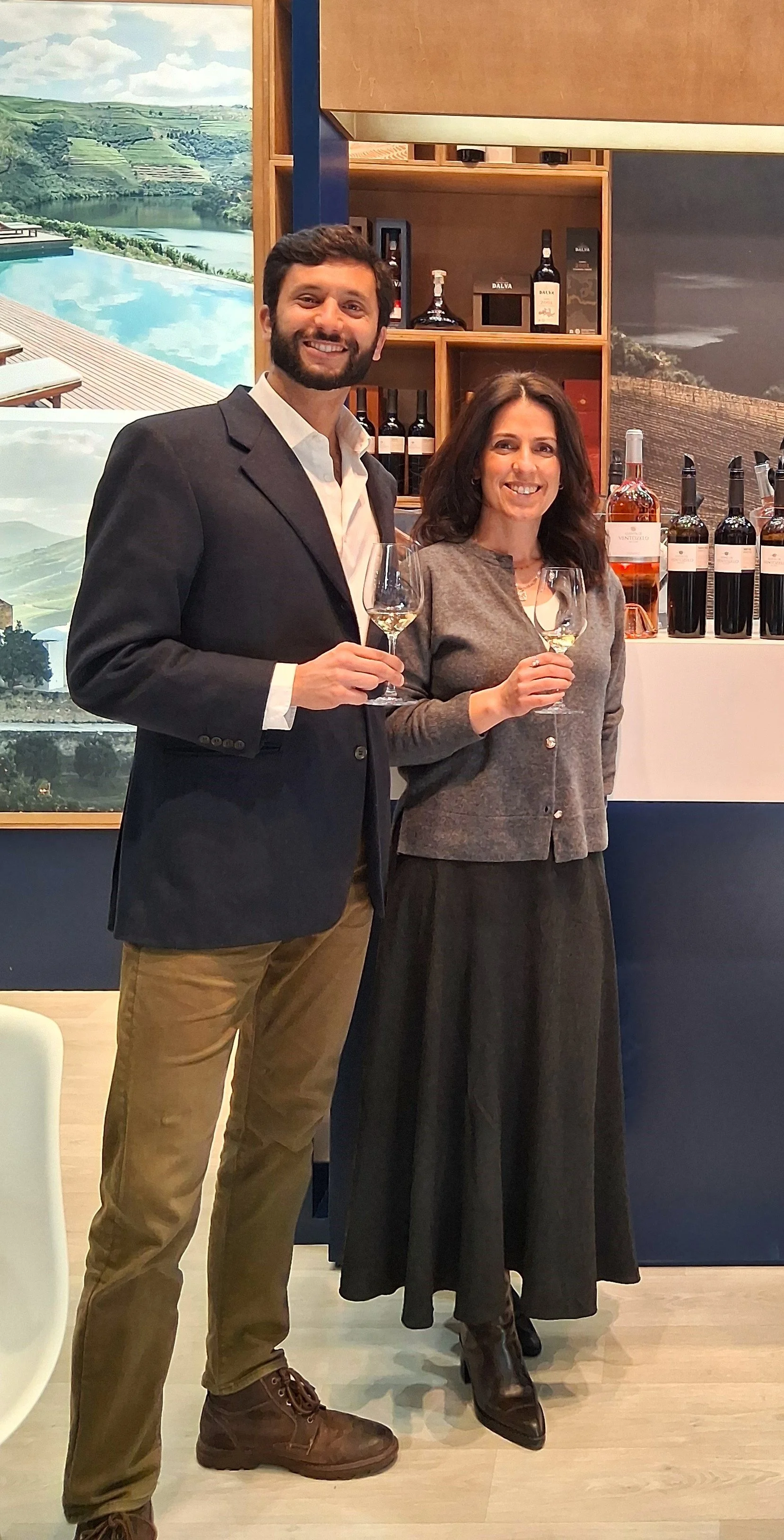
Tomás Gonçalves and Elsa Couto from Dalva. Image: Dalva
But something is changing. Over the past years I have watched white port appear in cocktails and aged white port in pairings where I would normally expect sherry or a dessert wine. I have also become part of this shift myself. A white port and tonic has become my go to low alcohol aperitif. It is light, aromatic and refreshing.
To understand this change better, I spoke with Elsa Couto and Tomás Gonçalves from Dalva in Vila Nova de Gaia, and with Jens Chr. Juul Hørby from Vinmonopolet, who imports Dalva to Denmark. Their insights made it clear that the movement is broader than white port alone. Rosé, dry whites and even organic tawnies are now used in new settings, from cocktails to lighter pairings and fresh service formats. It is a wider shift in how we think about port.
White port in a new role
As I spoke with Jens, Elsa and Tomás, I understood why Dalva has found a strong place in Denmark. The wines appeal to restaurants and wine bars that want precision, freshness and a clear identity. The aged white ports and the organic series stand out because they work well in pairing menus and in the more modern way many places now choose to serve port.
"These cocktails show that port can be part of a contemporary bar mindset. It is not only something for after the meal. It can be fresh, light and versatile."
Jens explained that the rosé port is performing very well, and that white port is becoming a natural part of cocktails and aperitif programs. Brdr. D’s Vinbar serves a Port Tonic made with Dalva Dry White and a Pink Port Gimlet based on Dalva Rosé, both working as alternatives to gin based or sparkling aperitifs. At Gedulgt, the cocktail Pink Poison is built on Dalva Dry White.
“These cocktails show that port can be part of a contemporary bar mindset. It is not only something for after the meal. It can be fresh, light and versatile.”
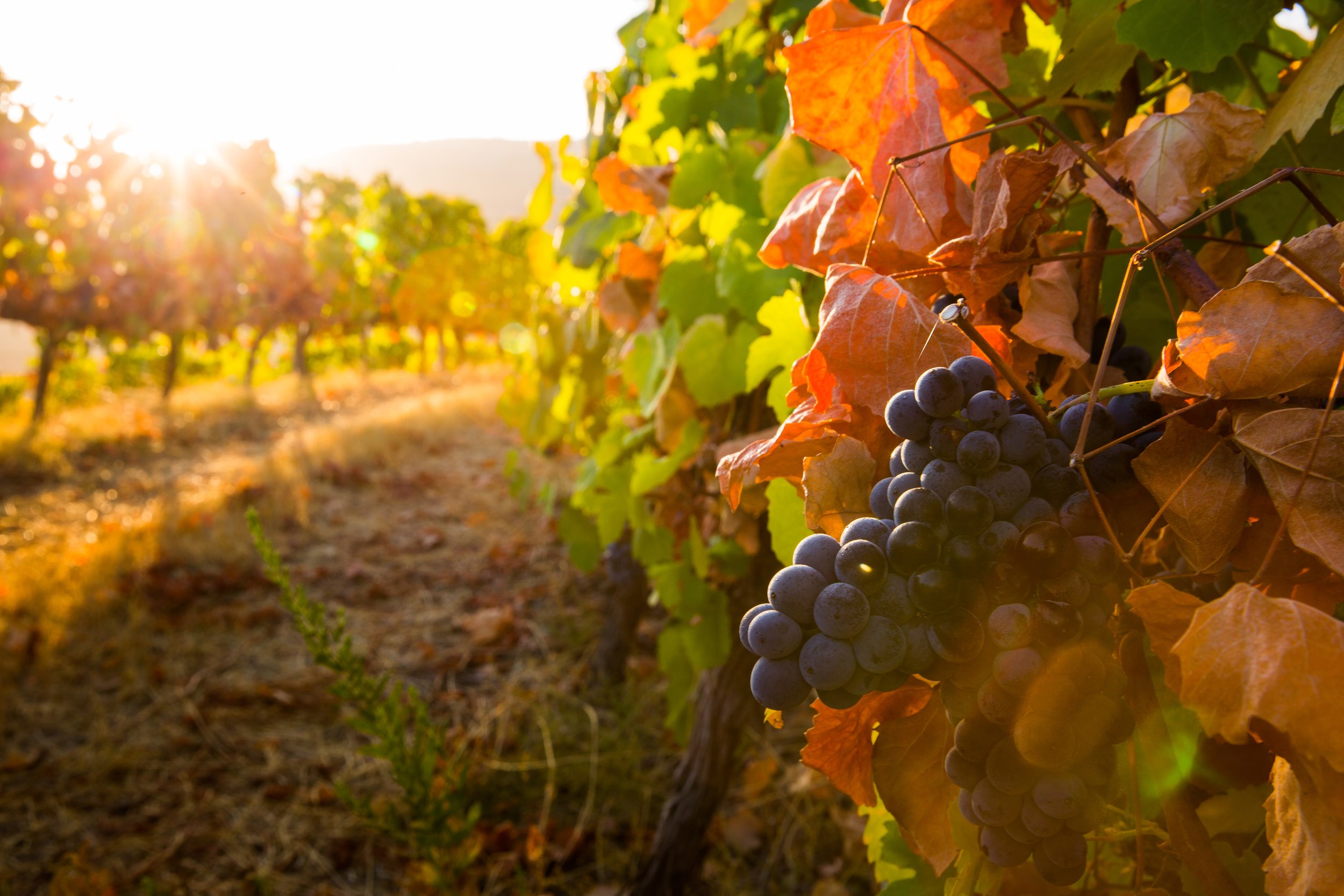
Image: Dalva
Among sommeliers in Denmark there is also a growing curiosity. According to Jens, the focus has shifted from primarily red ports to exploring how the whites can be used in cocktails and pairing contexts. The rosé continues to grow as well. At tastings, sales often end up evenly split between white and red, which says a lot about how the market is changing.
"Port can be so much more than an aperitif or something for the end of a meal. It can pair with cheese of course, but also smoked fish, foie gras and many other dishes."
He also described the way Dalva is positioned in Denmark.
“What sets Dalva apart are the whites and the colheitas. Those are the heart of the story.”
The organic series is relevant for hotels and restaurants that focus on sustainability, and the rosé plays an important role too, but the core identity is still rooted in the whites and the colheitas.
This interest is not only happening in Denmark. Dalva sees the same movement in other parts of the world. In Brazil, they worked with a top restaurant in Rio to create eight white port cocktails. At their rooftop bar in Vila Nova de Gaia, they serve a Dalva Sour made with white port and a Dalva 11 built on a colheita from the 1990s.
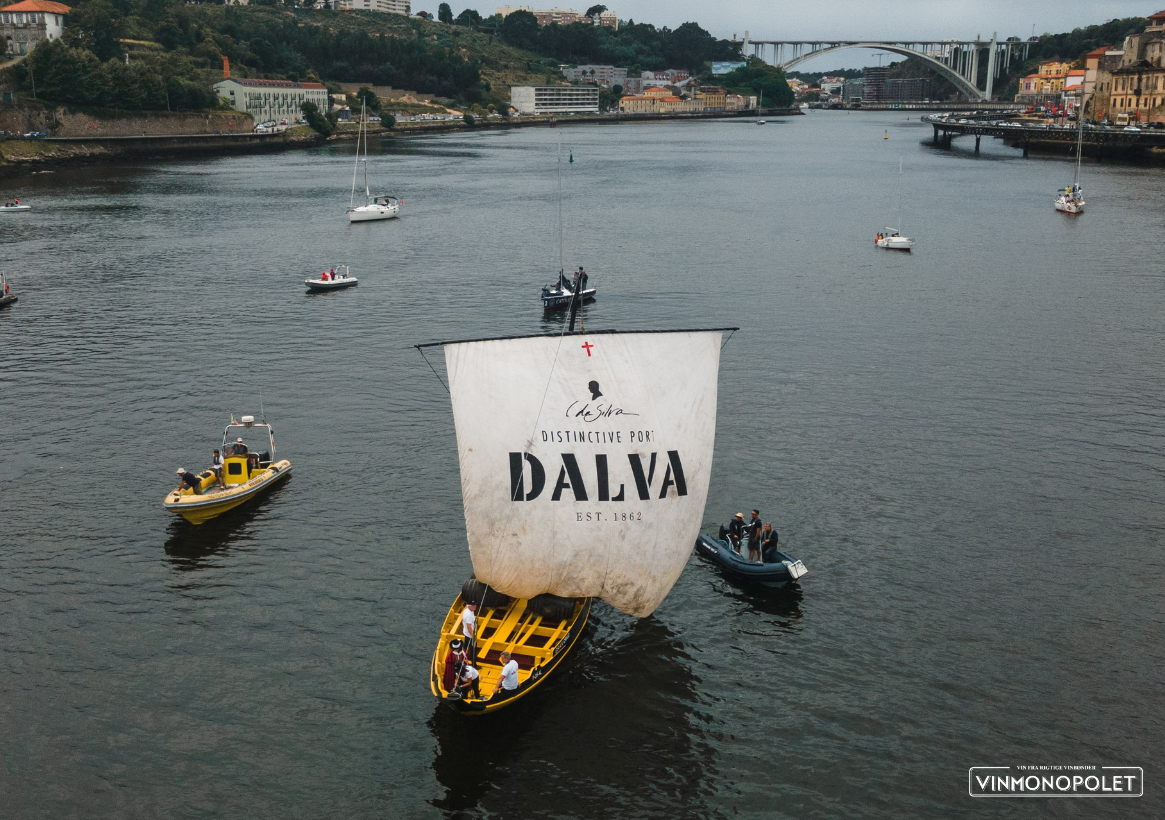
Sponsored banner from Vinmonopolet
Two Wines Highlighted in the Danish Market
Both Elsa and Jens pointed to two wines they believe show Dalva’s identity particularly well.
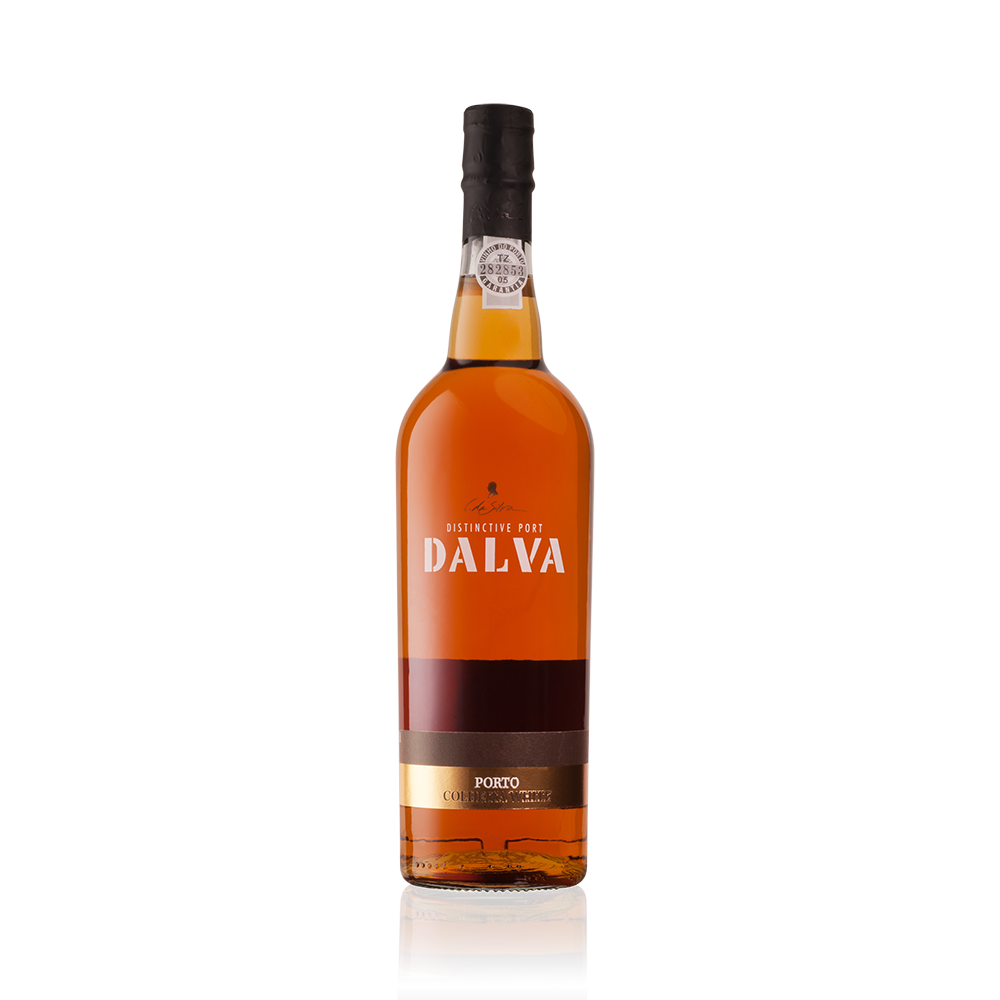
Dalva Colheita White 2015
This wine reflects Dalva’s long-term work with aged white port. After around ten years of aging, it shows both freshness and depth. The aroma has notes of mandarin, apricot, roasted nuts and honey, with a touch of bitter almond and a light resin-like lift. A gentle line of caramel and dried fig comes through on the finish, giving roundness without heaviness.
Elsa highlighted how versatile this style can be at the table. She recommended pairing it with medium intensity cheeses, foie gras, Asian orange-glazed duck, sweet and sour pork, creamy butter-cooked salmon or citrus-based desserts. It also works well with caramel or toasted nut flavours, where both sweetness and acidity can match.
*Link sponsored by Vinmonopolen
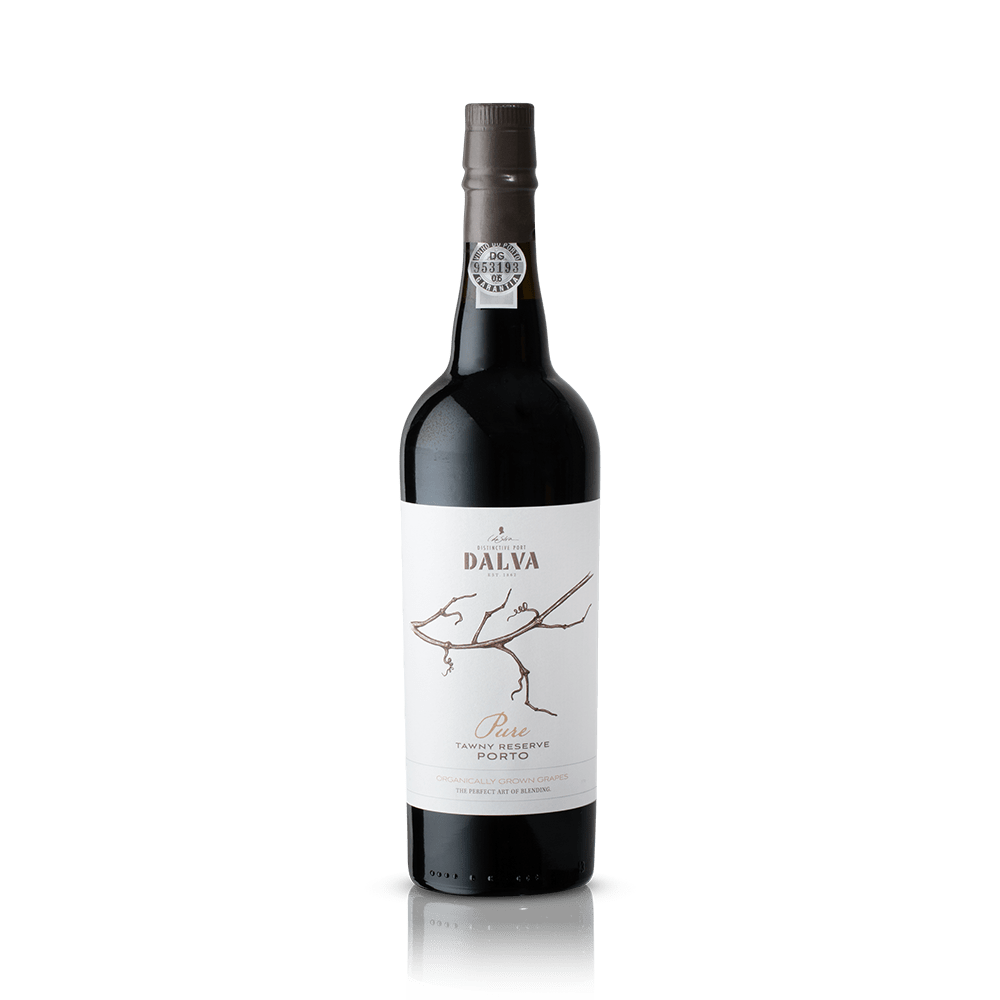
Dalva “Pure” Organic Tawny Reserve (N/V)
The Pure series reflects Dalva’s focus on organic production and a clearer sense of origin. This Tawny Reserve shows dried fig, plum and small-berry compote, followed by caramelised nuts and a touch of vanilla. The texture is smooth and rounded, balanced by a clean freshness that keeps the finish precise.
Elsa suggested serving it with desserts based on caramel, vanilla or almond, but it also works well on its own.
*Link sponsored by Vinmonopolen
These two wines illustrate both sides of Dalva’s identity: a deep commitment to historic stocks and long aging in the case of the Colheita White, and a forward-moving approach with the organic Pure series.
Who Dalva is
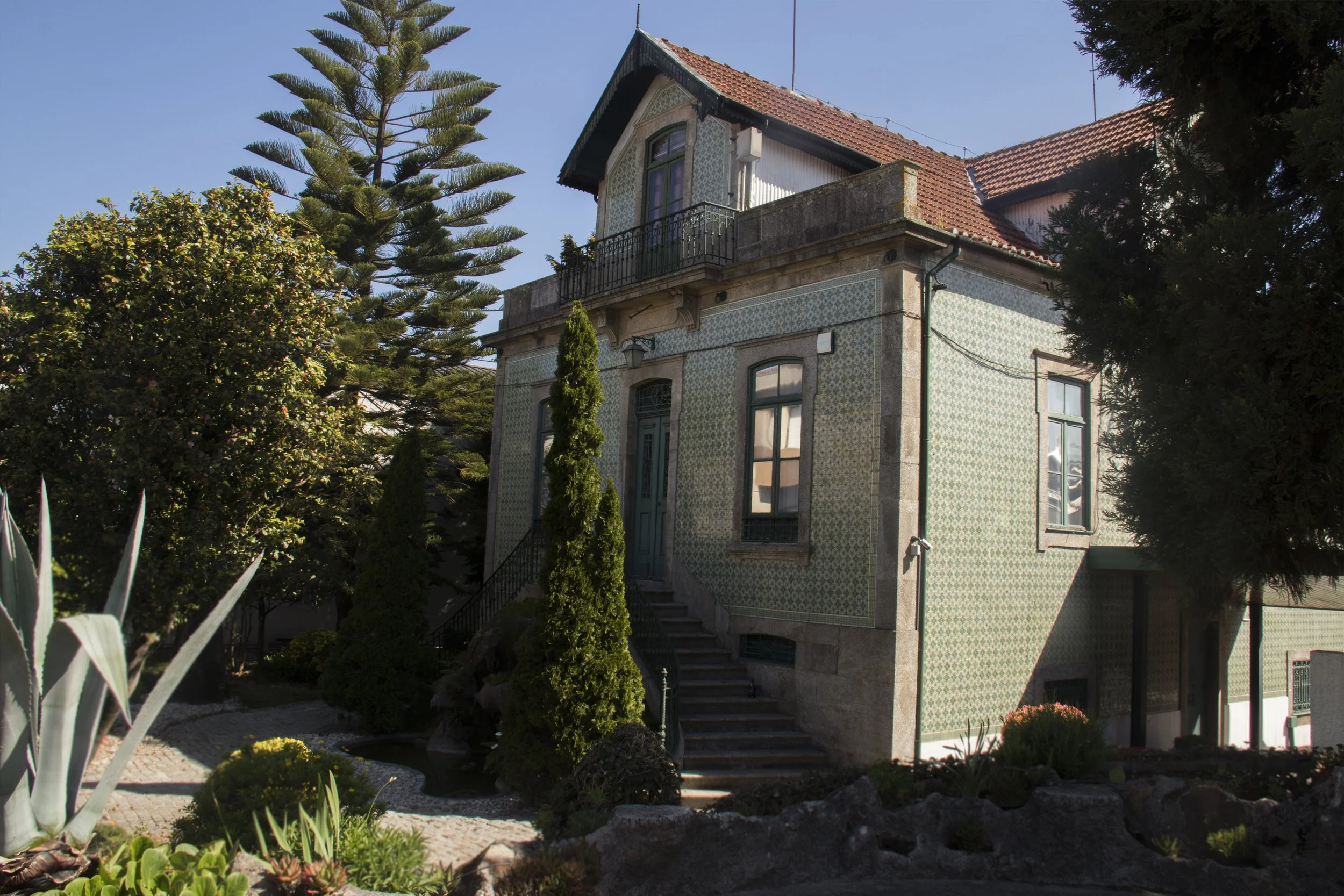
Dalva’s modern story begins in 1933, when Clemente da Silva returned from Brazil and created his company, C. da Silva. The Dalva brand was registered the following year as a short form of “da Silva”. His early work was supported by Corrêa Ribeiro e Filhos, a family company founded in 1862, which helped him build his first stocks and work with older vintages.
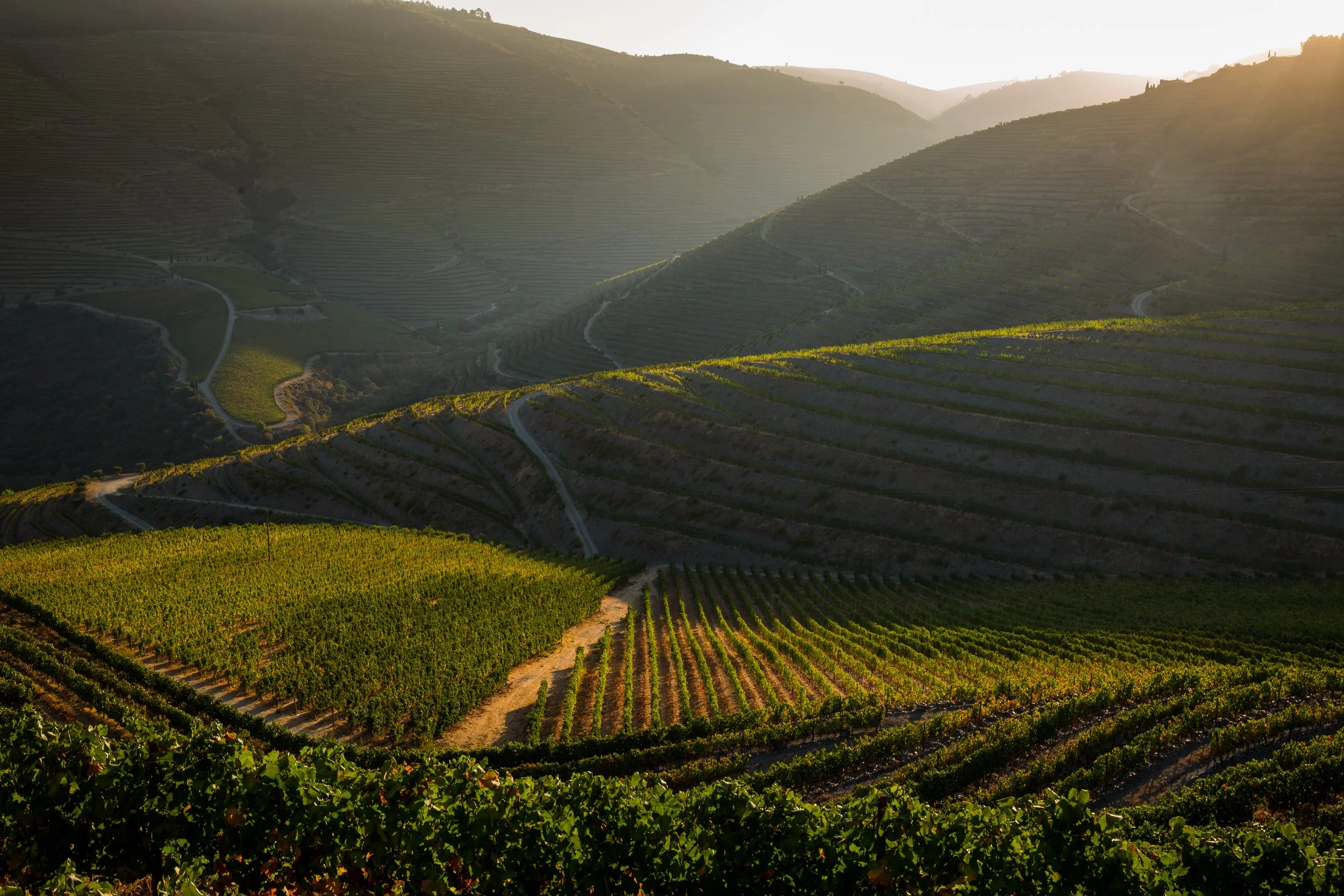
Today, Dalva works with grapes from the Douro Valley, the world’s first demarcated wine region, established in 1756 and recognised as a UNESCO World Heritage site.
The vineyards grow on steep schist terraces with the classic Douro grapes. After vinification in Douro, the wines age in Vila Nova de Gaia, near the coast, where the cooler climate brings a softer and slower maturation. It gives the wines their fresh and balanced style.
Dalva produces many styles of port, but the aged white ports stand out. The Golden White series has shown a new side of port that is elegant, complex and great with food. Today Dalva keeps its traditions but also opens the door to new ways of drinking port.

Dalva’s Heritage and Style
When I spoke with Elsa and Tomás, I understood how strong the sense of heritage is in the company. “The strongest legacy is the wine itself, the cellars, the casks, and the heritage we preserve,” Elsa said. Tomás added, “The oldest bottled colheita we sell now is from 1934, the year the Dalva brand was created.”
They explained that Dalva has kept the same style for the last four to five decades. It is balanced, elegant and not too sweet, a profile that fits well with how people drink today. White port, especially the dry styles, has become an important focus. They inherited a strong stock of older white wines, and they have worked to show and communicate the quality of their aged white colheitas.
Elsa also spoke about how she wants people to enjoy port more broadly. “Port can be so much more than an aperitif or something for the end of a meal,” she told me. It can pair with cheese of course, but also smoked fish, foie gras and many other dishes.
"It is our commitment to release the best white colheita of each decade. It began with 1952, then 1963, 1971 and 1989. These are very limited."
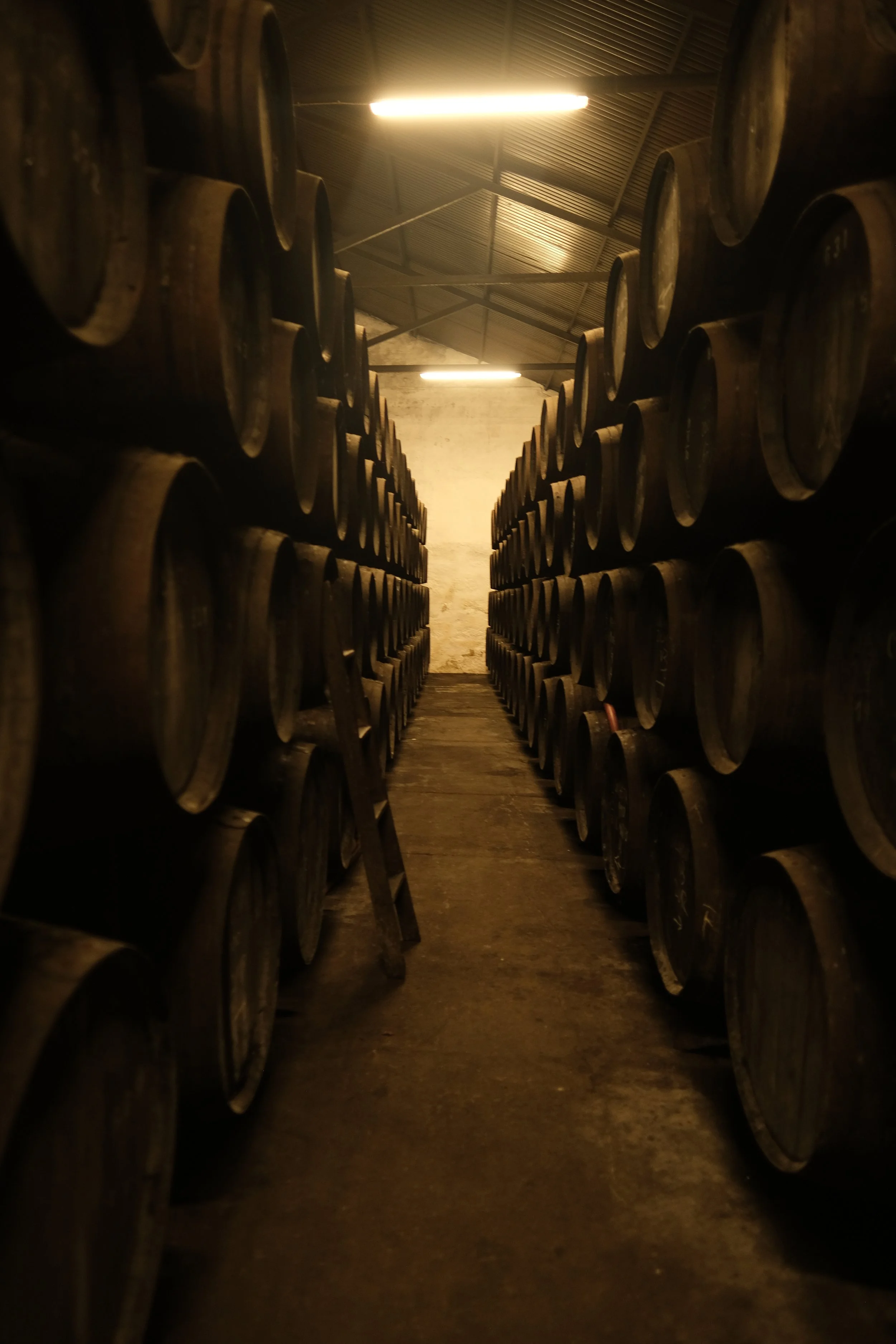
Image: Dalva
What makes aged white port special
Aged white port is one of the most distinctive parts of Dalva’s portfolio. Thomas explained it very simply: “White port represents around ten percent of the market, and aged white port is a niche inside that niche. The dry whites are distinctive. Nutty, spicy, sometimes with a character reminiscent of old Madeira. They are extremely versatile with food.”
Dalva has spent many years building this style. Elsa described the Golden White Collection as a long-term commitment. “It is our commitment to release the best white colheita of each decade. It began with 1952, then 1963, 1971 and 1989. These are very limited.” These bottlings are meant for special moments and show the depth of the house’s old stocks.
At the same time, Dalva wants aged white port to feel more accessible. Elsa said, “Such as 2015. They are elegant, balanced and still accessible.” These younger colheitas offer a clear entry point for people who are new to white port, while still giving space for specialists to explore the older and rarer releases.
FACT BOX - Sweetness levels of white port
Extra-Seco (extra dry) 17,5 -40 Sugars (g/l)
Seco (dry) 40 - 65 Sugars (g/l)
Meio Seco (semi-sweet) 65 - 85 Sugars (g/l)
Doce (sweet) 85 - 130 Sugars (g/l)
Muito doce ou Lágrima (very sweet) >130 Sugars (g/l)
Lágrima
The Work Behind the Wines
Elsa explained that Dalva works in two modern wineries in the Douro. Grapes are sorted by hand and then sorted again by machine, so only the best grapes are used. The fortification is done at a low and controlled temperature. She said that these small choices in the process make a big difference in the final wine.
Dalva works with a large network of viticulturists across the Douro. This is traditional for port houses. They do not own many vineyards but instead select from growers in different parts of the valley based on style. Tomás explained that for Ruby ports they look for grapes with stable, strong color, and for Tawnies and colheitas they look for acidity because the wines need to age well in cask.
Their home identity comes from Baixo Corgo, a cooler part of the Douro, which naturally shapes Dalva’s freshness.
Climate change affects the Douro like any other region. Tomás explained that port is somewhat protected due to its style and because blending is fundamental, but sudden storms near harvest are a real risk.
At Dalva’s research vineyard, they test around 80 different grape varieties and clones. These tests will likely have more impact on Douro still wines than port due to stricter port regulations, but they give valuable insight into resilience.
"Dalva is elegance, complexity, heritage."
A closing thought
When I asked Tomás to describe Dalva in three words, he chose “elegance, complexity, heritage.” After writing this article, I understand why he picked them. They sum up Dalva, but they also explain why their wines fit so naturally into today’s way of drinking port.
This story has also reminded me how quickly our drinking habits change when we discover new ways to enjoy something familiar. For me that moment was a white port and tonic. For others it might be a cocktail with dry white port or a glass of aged white colheita with food.
Port is no longer something we bring out only at Christmas. It is becoming part of a new language in Danish bars and restaurants. It can be bright and refreshing, but it can also be rich and concentrated. It is a diverse style with room for many expressions.
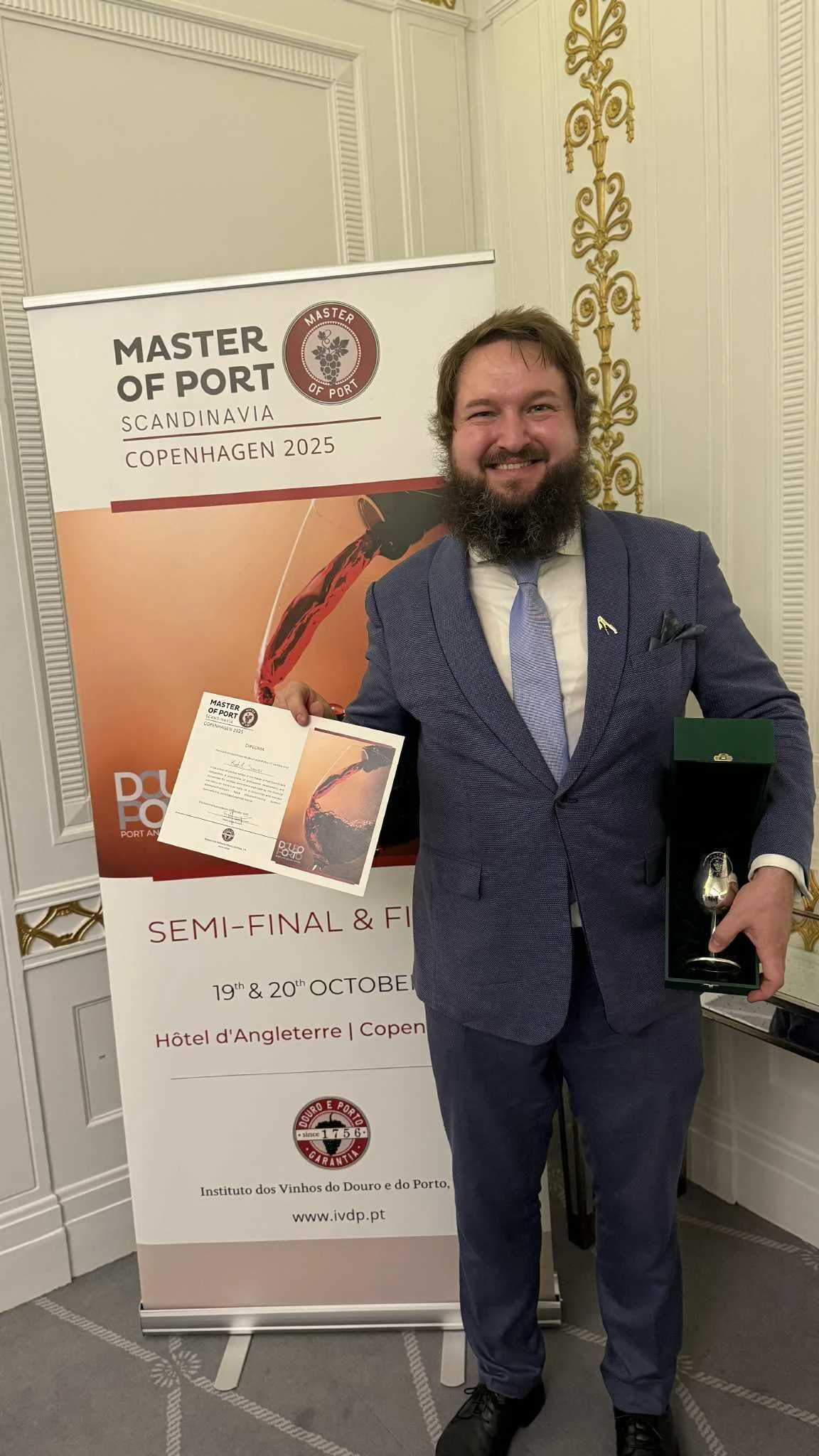
Ketil Sauer. Image DSF
Insights on Port Today with Ketil Sauer
To get some practical facts about port, I reached out to Ketil Sauer, who recently won the Master of Port Scandinavia. He shared clear and concrete points that help explain how port is grown and made today.
Ketil began by outlining the three areas of the Douro Valley. The Baixo Corgo is the coolest and closest to Oporto. The Cima Corgo sits around Pinhão and produces about half of all the valley’s wine. The Douro Superior lies furthest inland on the border with Spain and is both the warmest and highest part of the region.
He described the main soil type as schist and greywacke, with some small patches of granite. Vineyard layouts vary. Modern terraces, called patamares, are wide and allow higher planting density. Traditional terraces are the narrow socalcos held up by stone walls. Another layout is vinha ao alto, where the vines are planted vertically up slopes that can reach forty five degrees.
Port is made from many different grape varieties. Ketil noted that more than one hundred grapes are used in port overall, and more than forty are approved for white port. Among the white varieties he mentioned were Donzelinho Branco, Cerceal, Folgasão, Gouveio Branco, Malvasia Fina, Rabigato Branco, Viosinho, Verdelho, Códega do Larinho, Moscatel Galego Branco, Bical and Esgana Cão. White port often shows higher acidity and flavours such as dried apricot, dried peach, orange peel, walnuts and lemon peel.
Ketil also shared a few practical points. White port should be served at six to ten degrees. Once opened, it can stay fresh for one to four months, although younger examples are best enjoyed sooner.
On alcohol levels, most port sits between nineteen and twenty two percent. Simpler styles like basic white, rosé, tawny and ruby can range from eighteen to twenty two percent, and Branco Leve Seco can be around sixteen and a half percent.