A Cool Weekend in Copenhagen
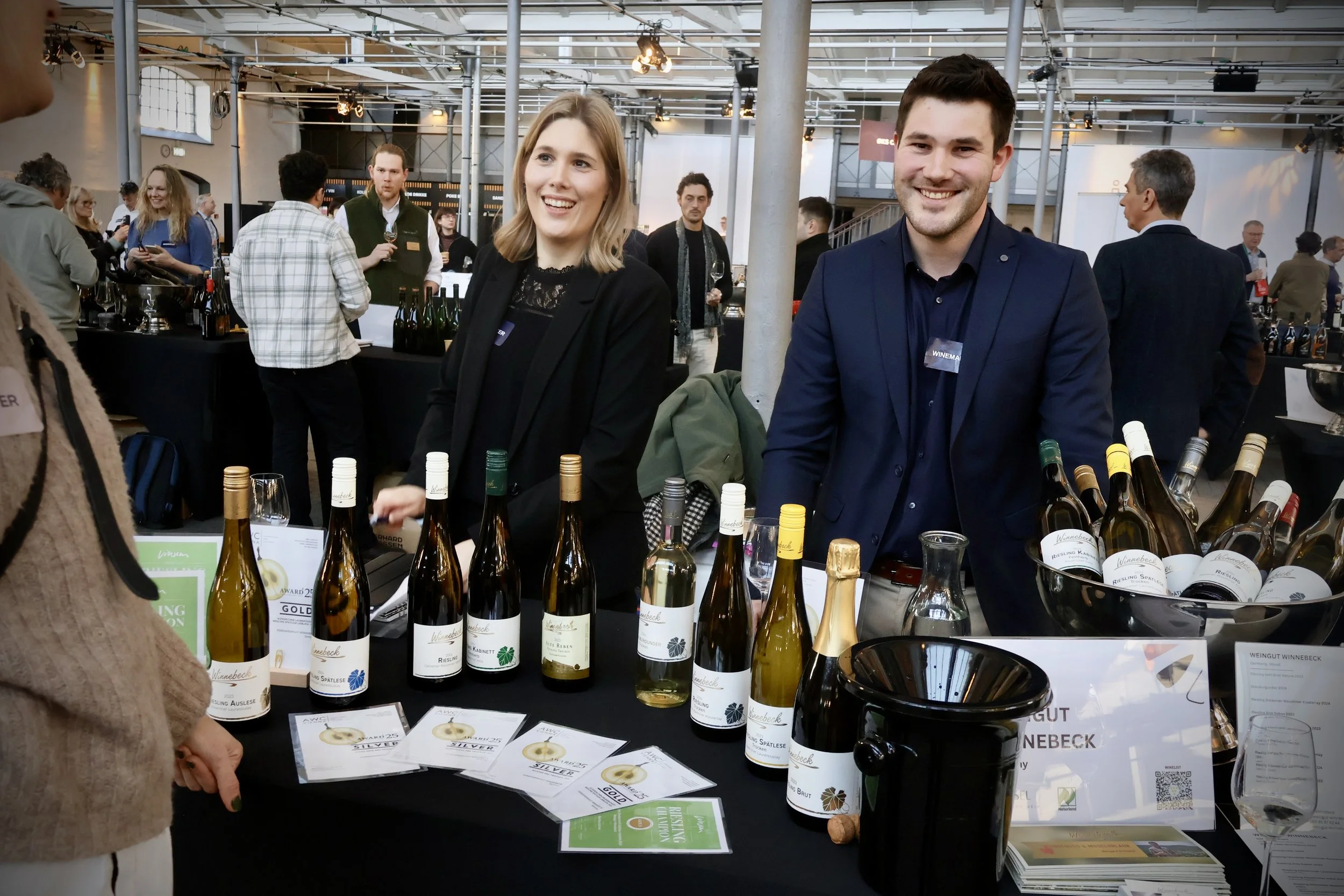
A visit to Cool Climate Summit. Photo: Ronja Bo Gustavsson DSF
Cool Climate Summit, Copenhagen
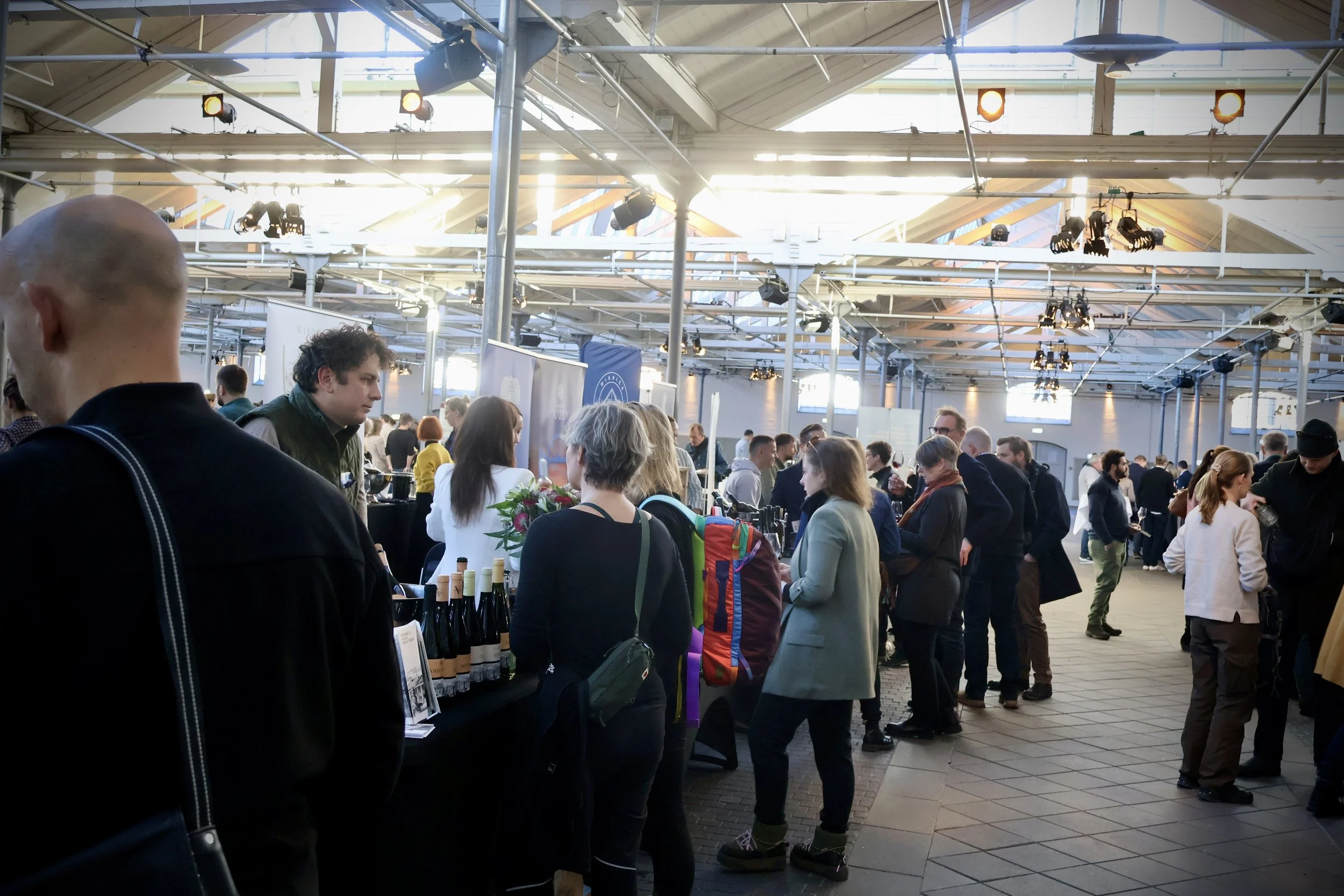
I visited the Cool Climate Summit in Copenhagen this weekend at Øksnehallen in Kødbyen. It was a cold but sunny morning, and inside the hall the atmosphere was focused and professional. My clear impression was that quality is taken seriously. The producers were well prepared, precise in their explanations, and very outspoken about where they are in their development.
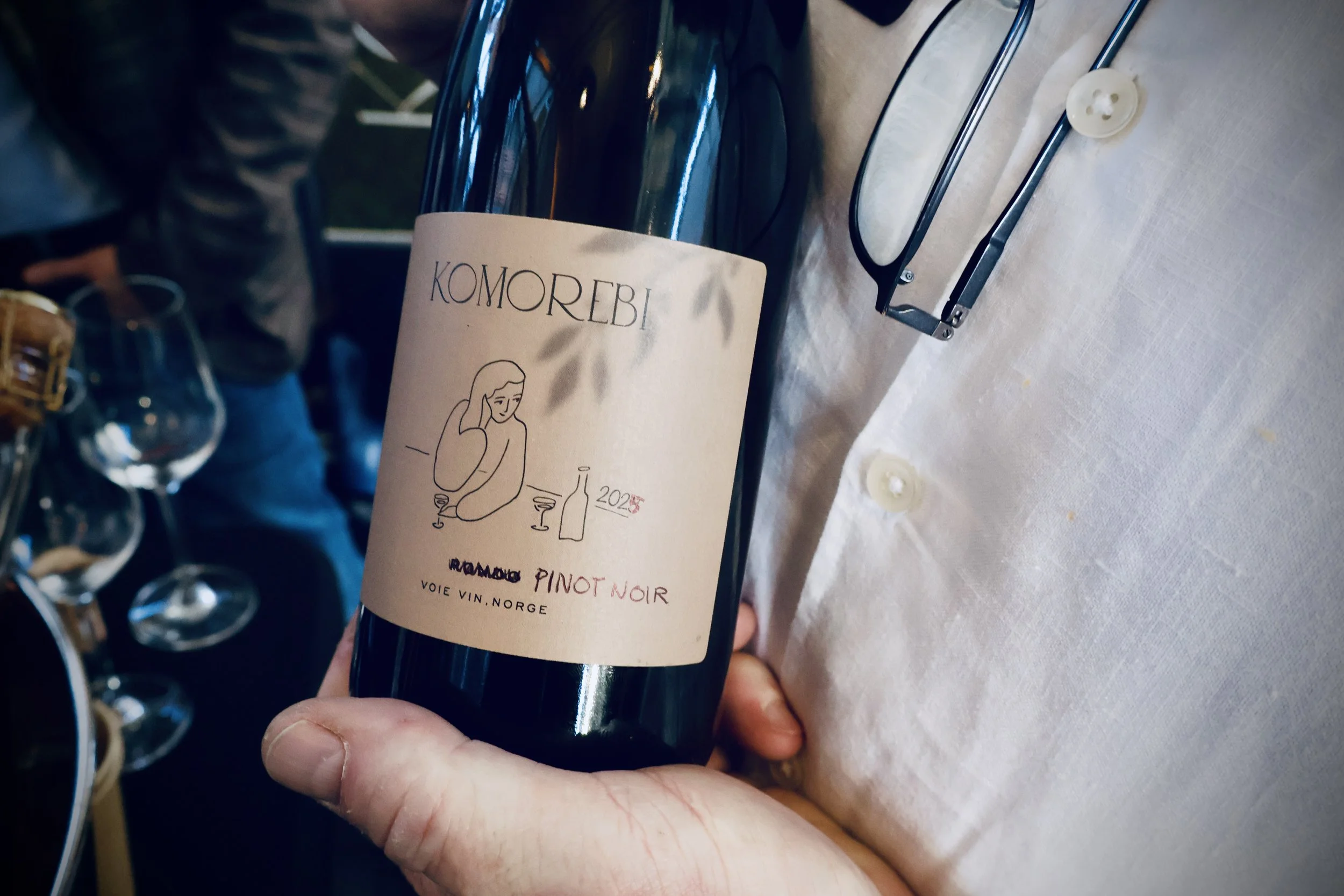
I started with Norway and spoke with the team from Foreningen Norske Druedyrkere. The discussion was centred on research and long-term work. I tasted a Pinot Noir that was clearly communicated as a test wine. It did not yet have its own label and was part of an ongoing project, not a finished product. They were very transparent about this and explained that the wine may later be used for sparkling production.
From there I moved on to Finland and tasted wines from Ainoa Winery, made from berries such as cloudberries, raspberries, and blueberries.
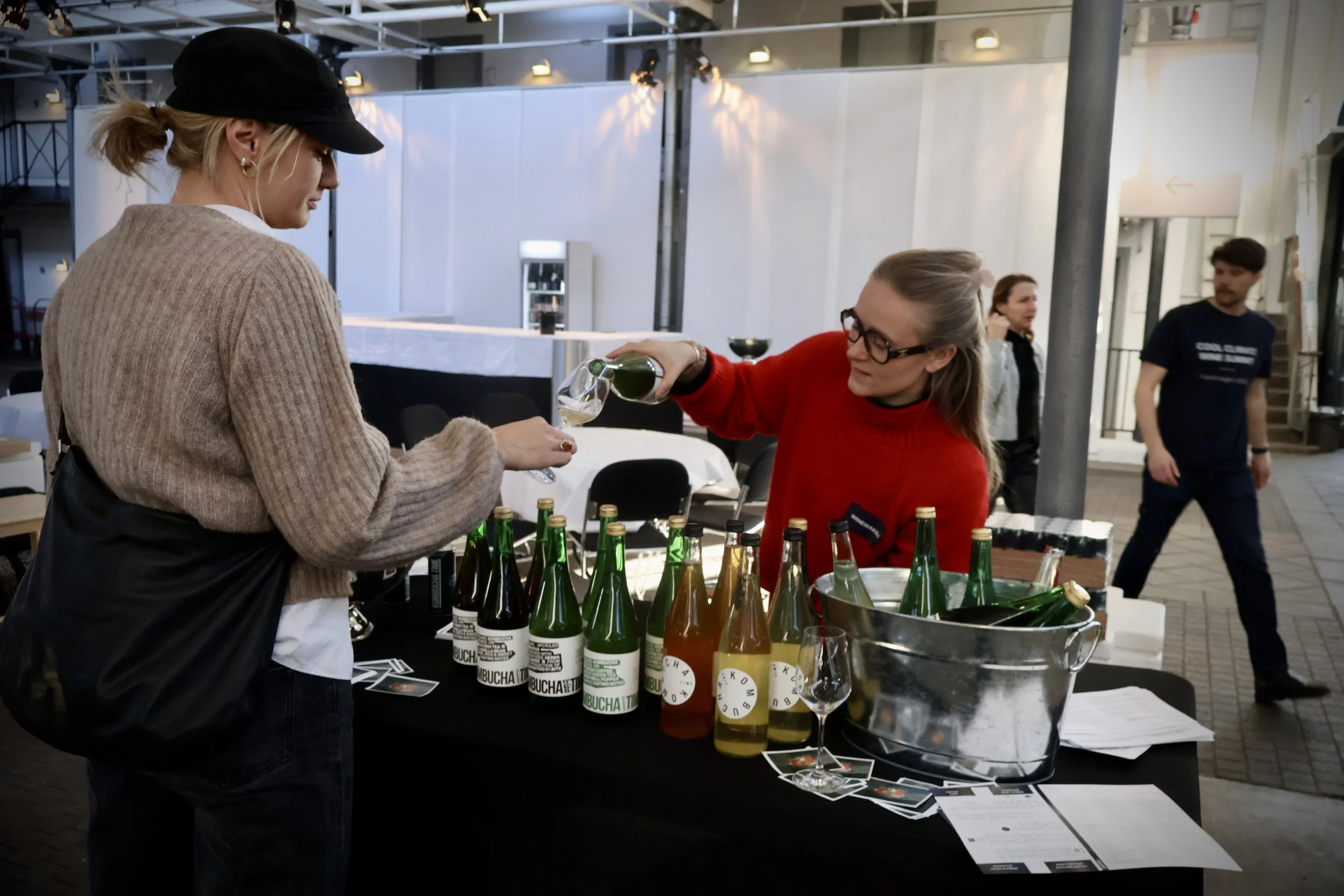
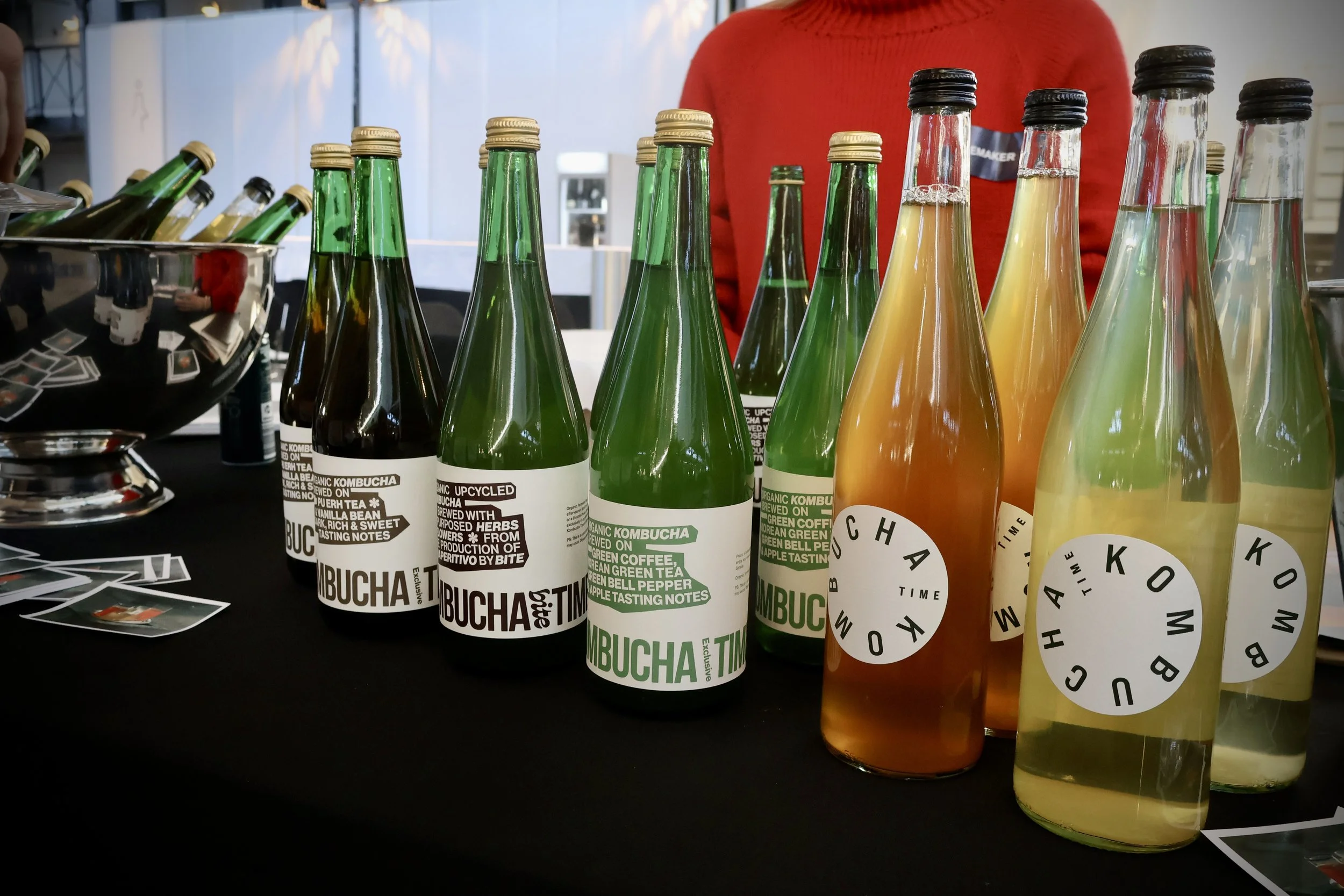
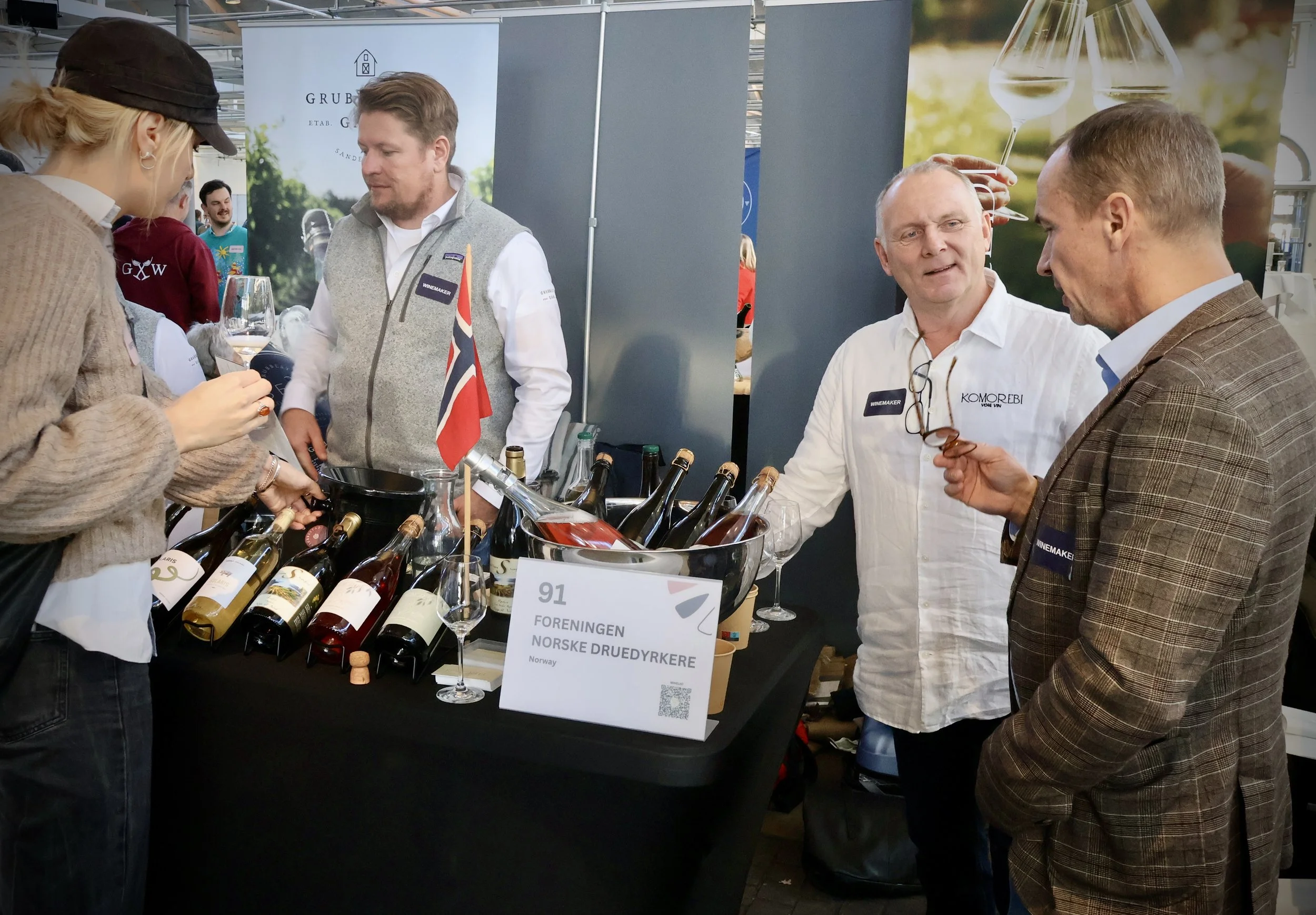
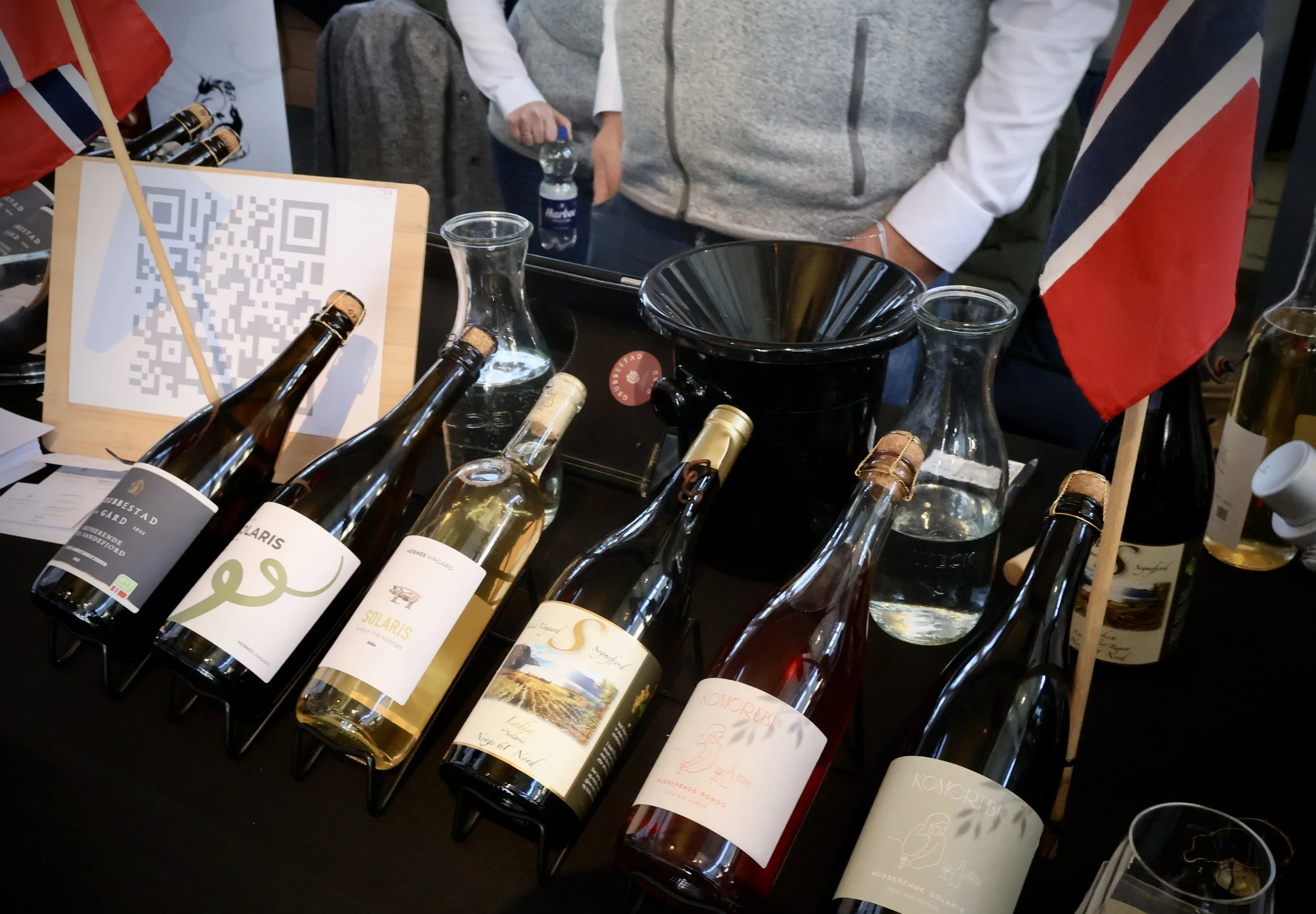
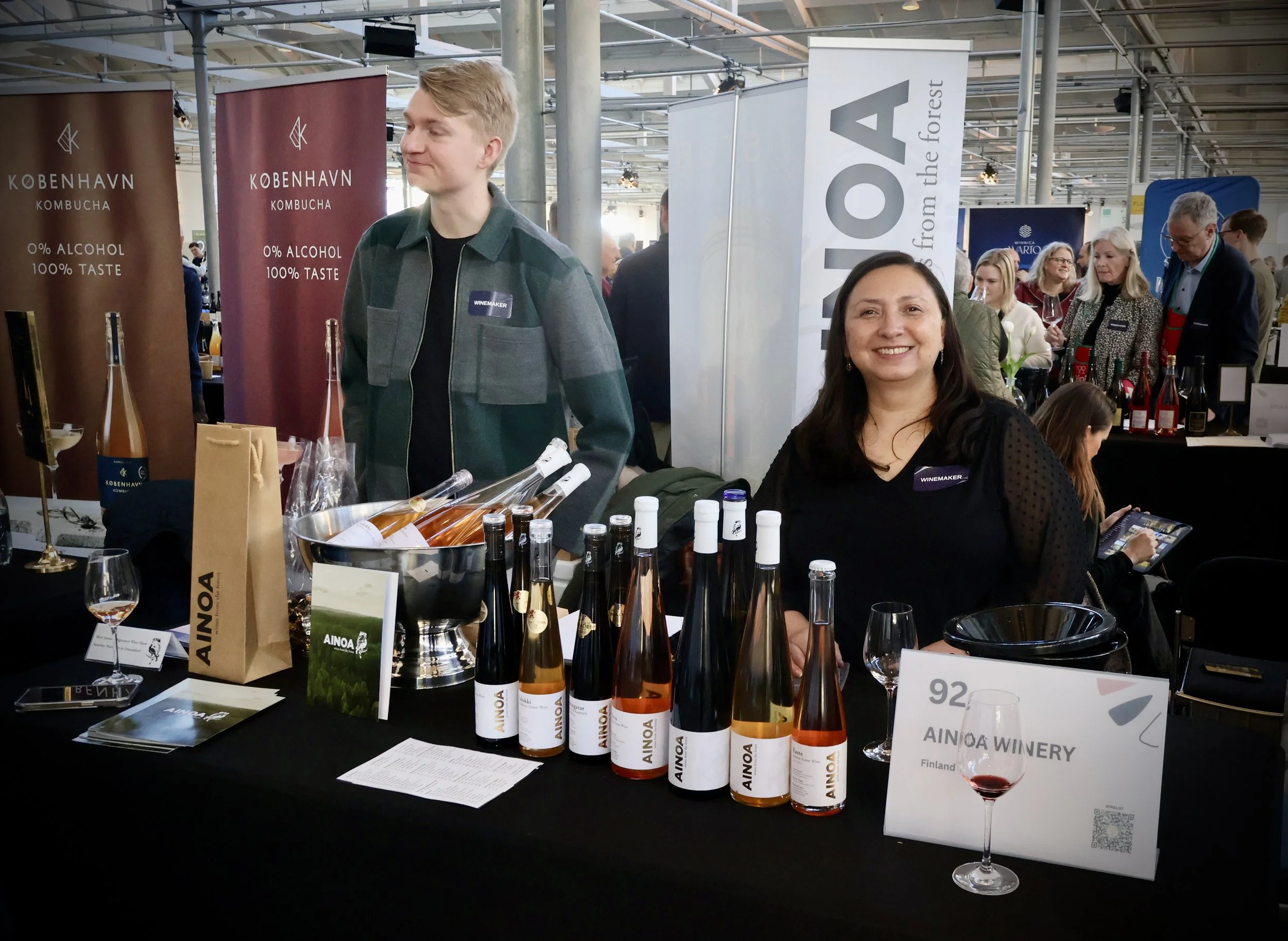
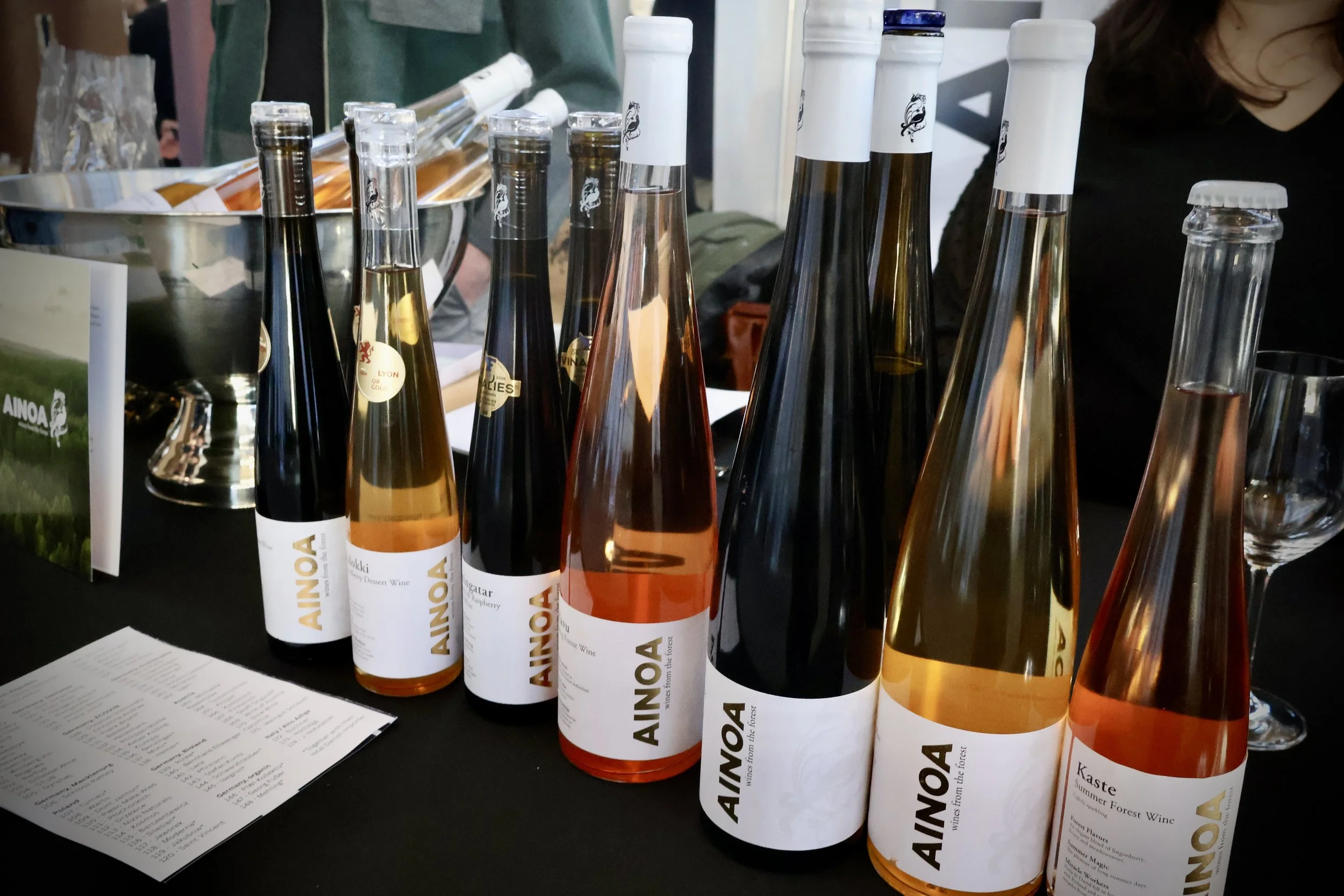
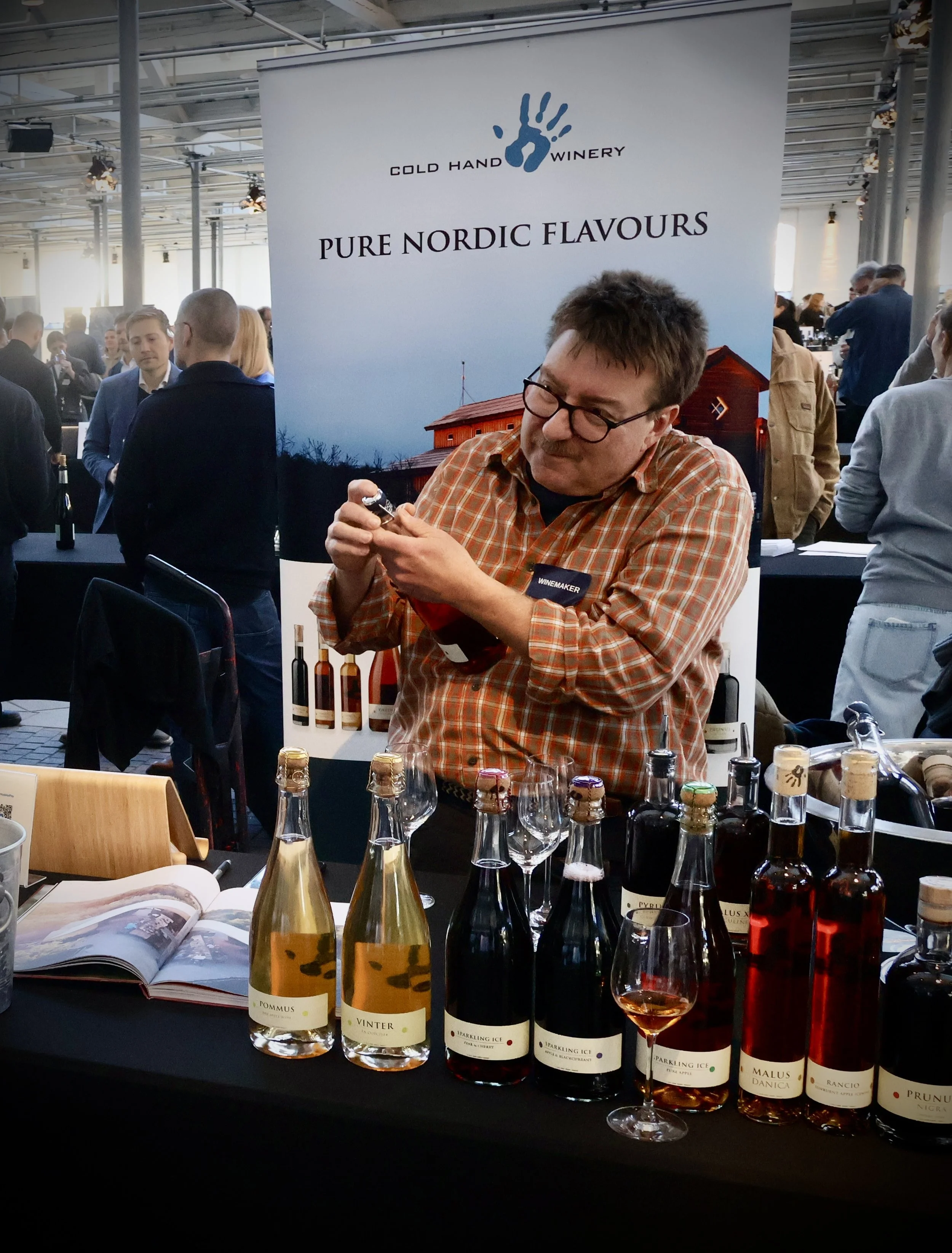
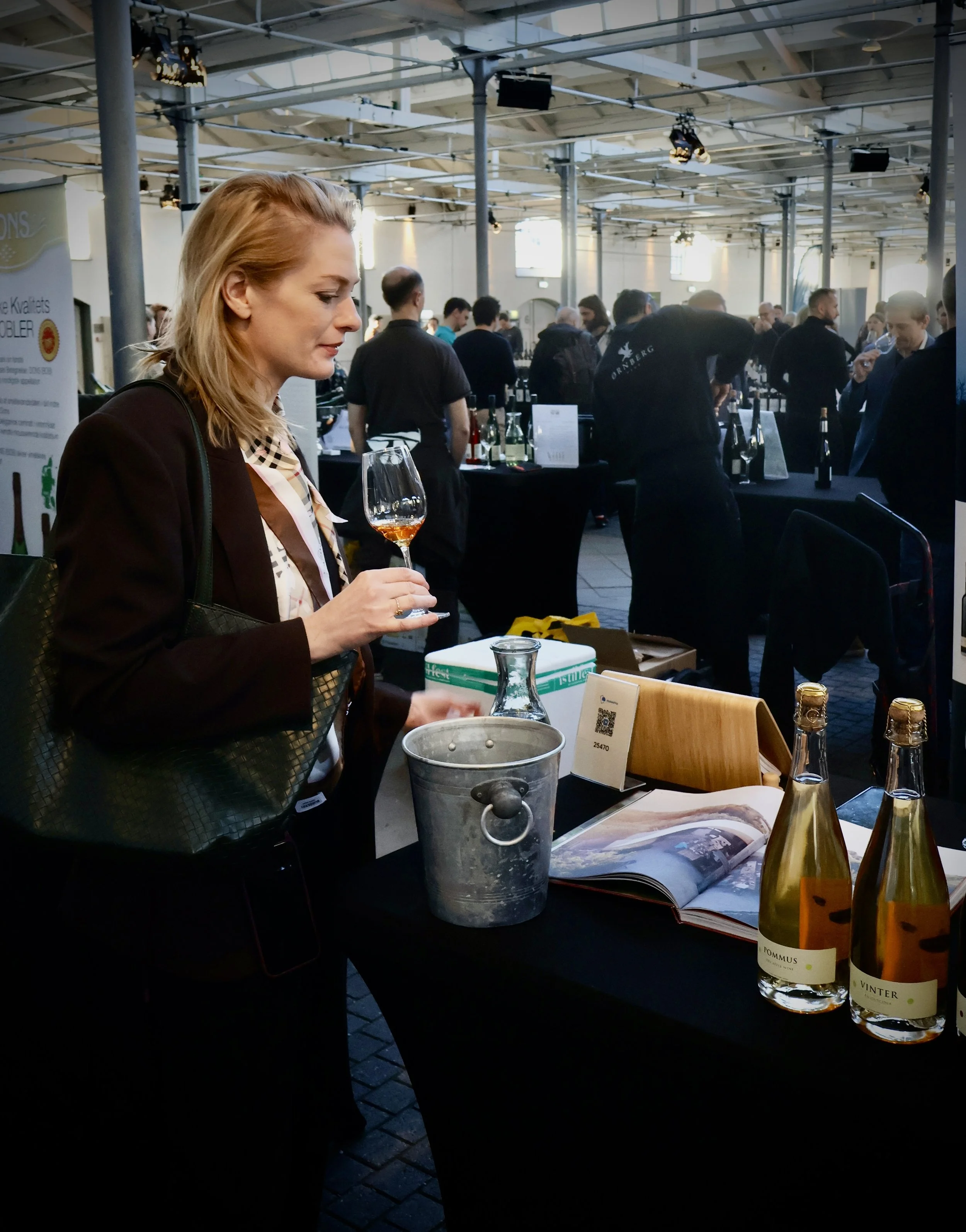
Above: A visit to Cool Climate Summit. Photo: Ronja Bo Gustavsson DSF
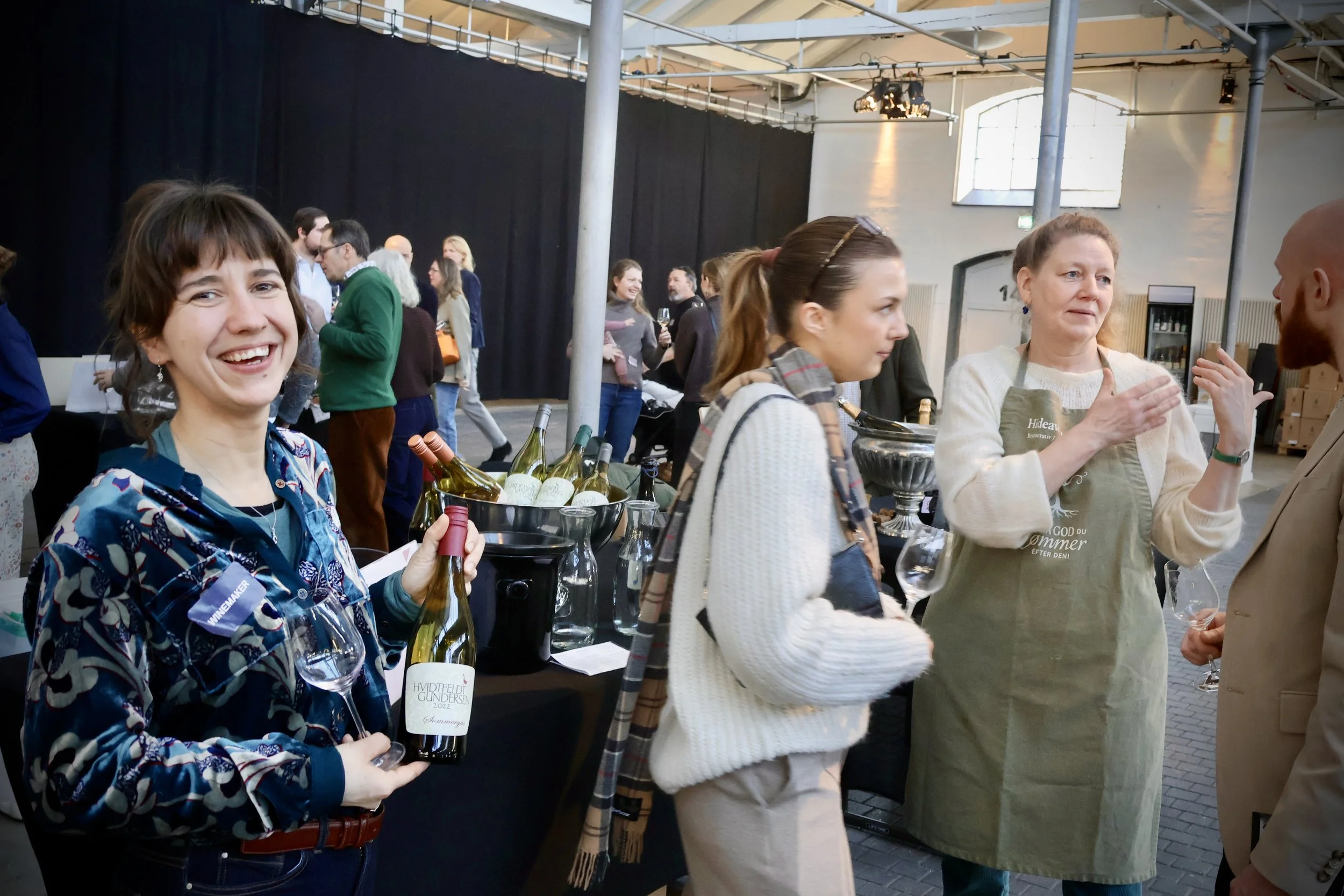
Denmark was strongly represented. I tasted wines from Cold Hand Winery, Guldbæk Vingård, Vejrhøj Vingård, Hideaway Vingård and Skærsøgaard Vin. There was a lot of interest around the Danish tables. I spoke with Jens Skovgaard from Cold Hand Winery about how difficult it was in the beginning to be taken seriously, especially when working with apples and blackcurrants rather than grapes. He said that the situation has changed a lot. Today, people are more open and more willing to judge the wines on quality rather than origin.
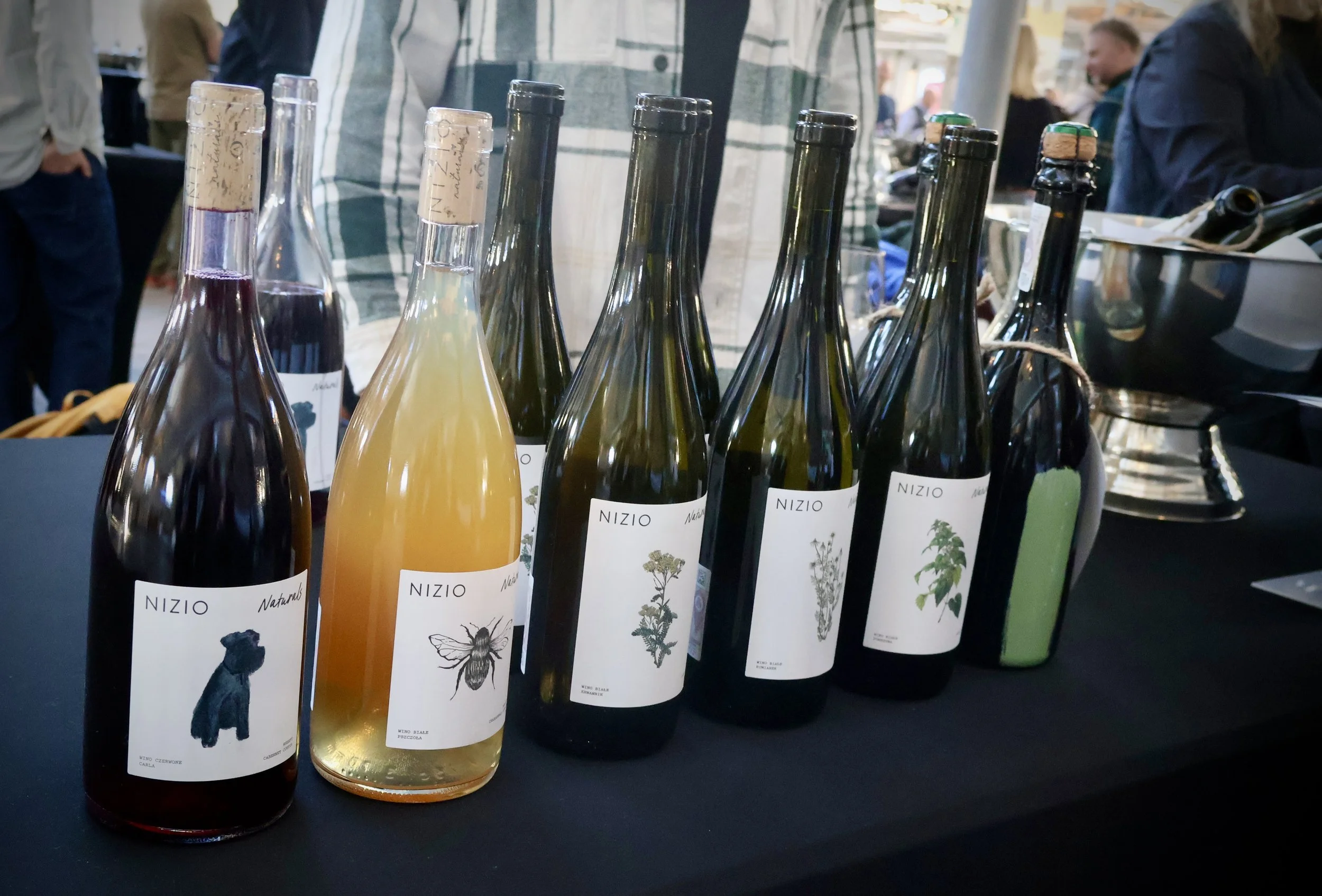
I also spent time with a Polish producer, Nitso Naturals. We discussed the balance between Vitis vinifera and PIWI varieties in Poland. From a sustainability point of view, PIWI grapes often require less treatment, but vinifera plays an important role commercially. The Polish wine scene has been inactive for centuries, and in recent years it has developed quickly. There is a strong focus on low-intervention farming and on viewing wine as part of a broader agricultural system.
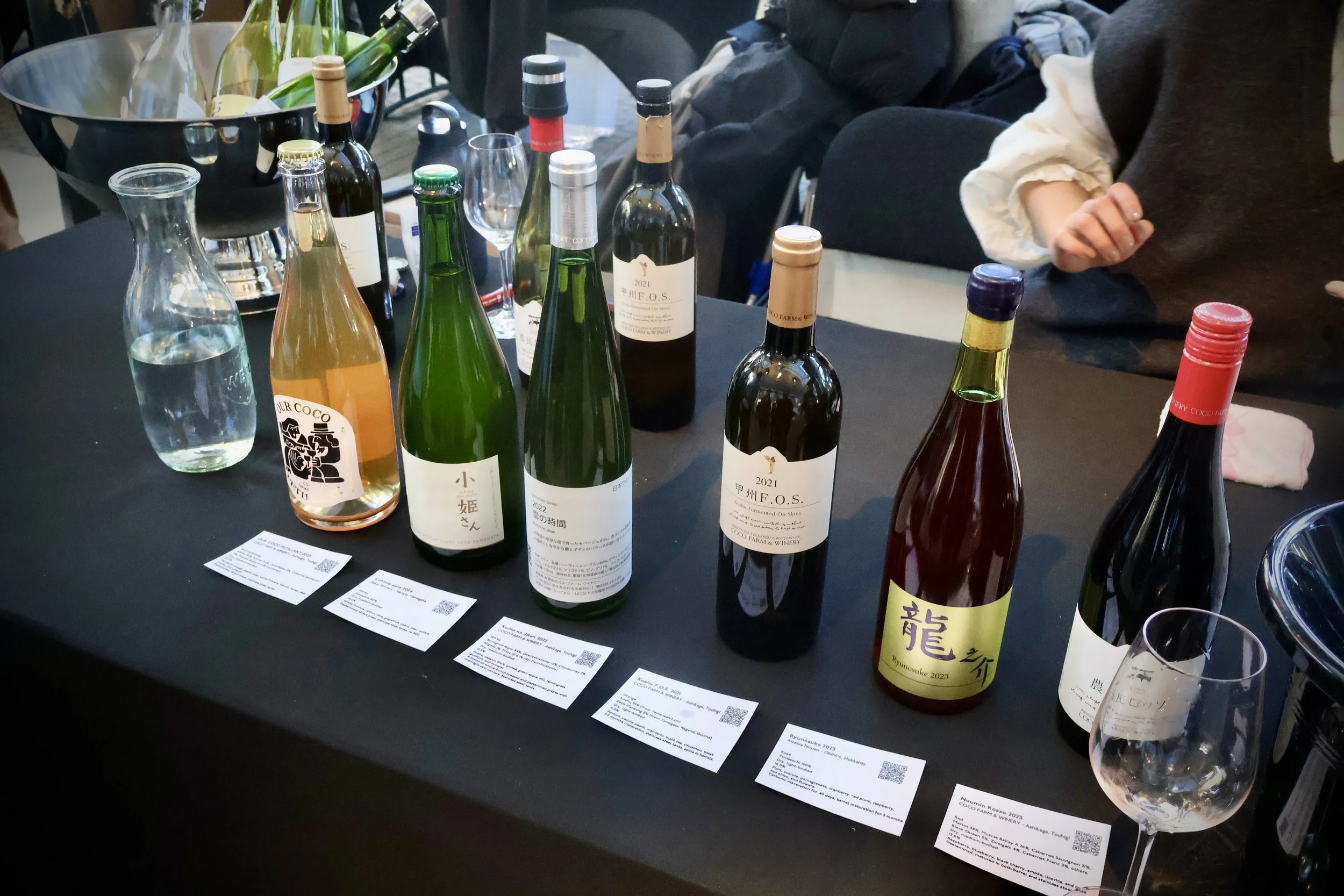
One of the most memorable tastings for me came from Japan. I tasted Cohime-sans from Sakai Winery, made from the Delaware grape. The wine was dry, unfiltered, and without added sulphur. Aromatically it showed white flowers and lychee, followed by a subtle warmth on the finish. It was very different from what I am used to, but clearly well made. This was the first time I personally tasted Japanese wine, and it added an important perspective to the day.
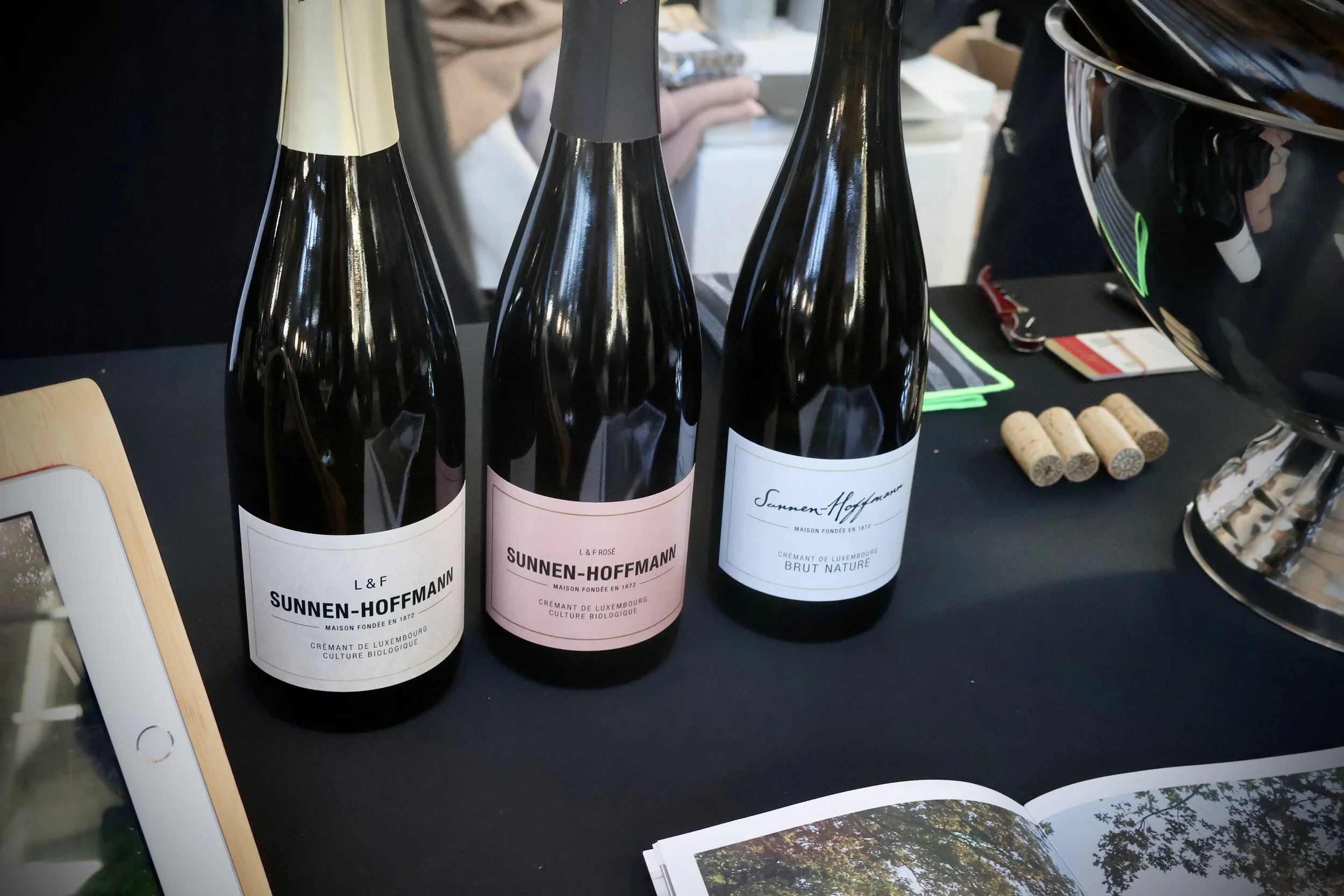
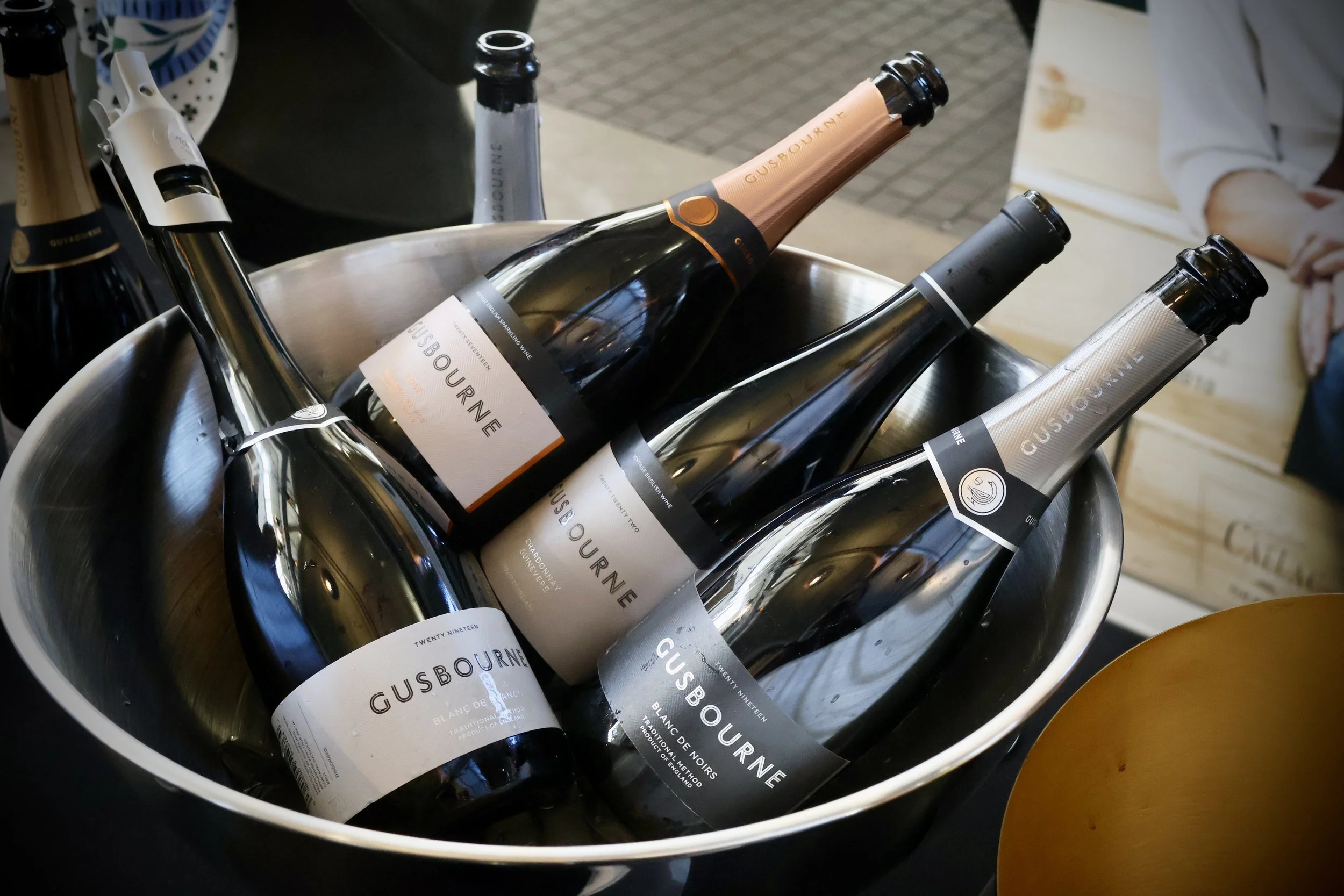
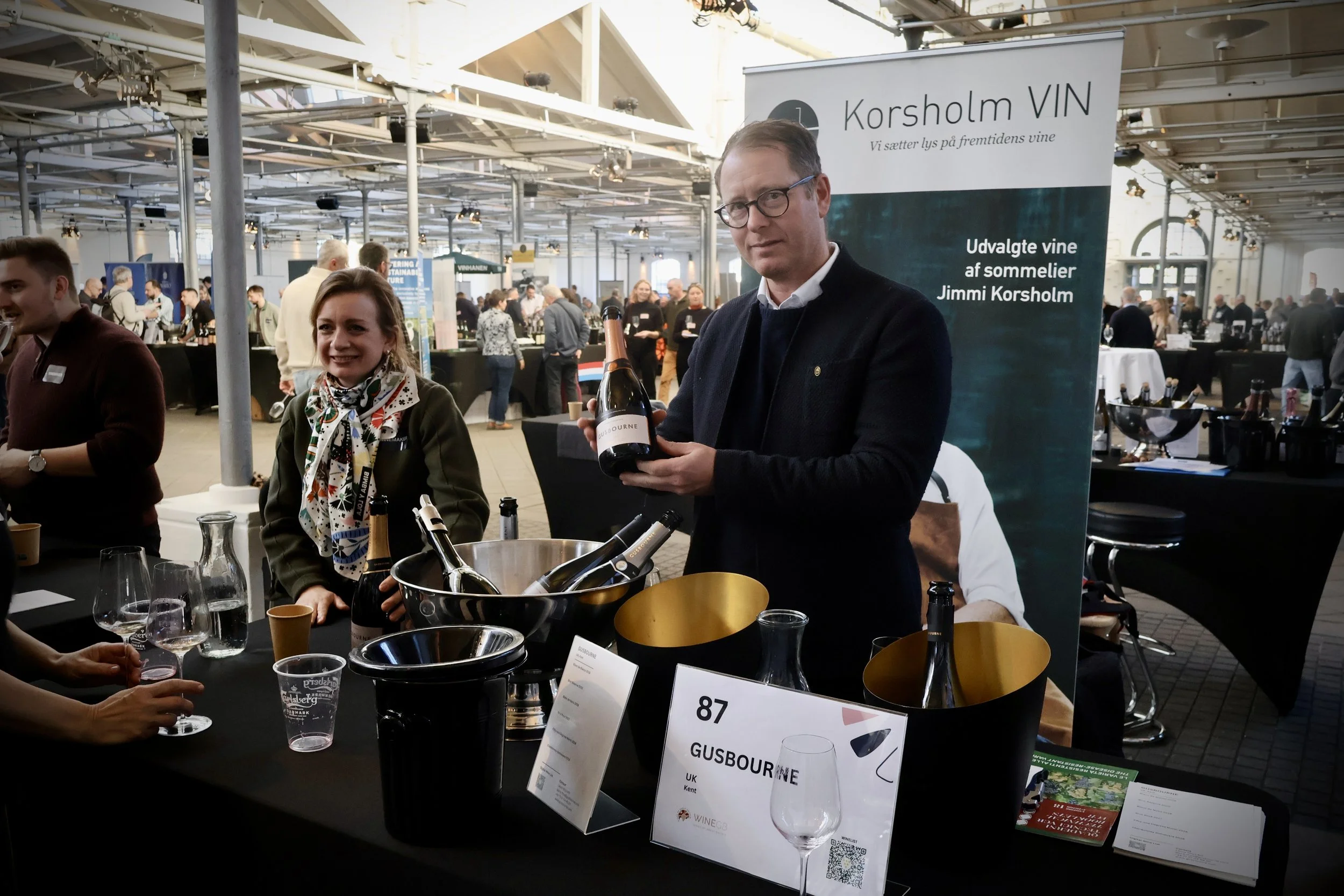
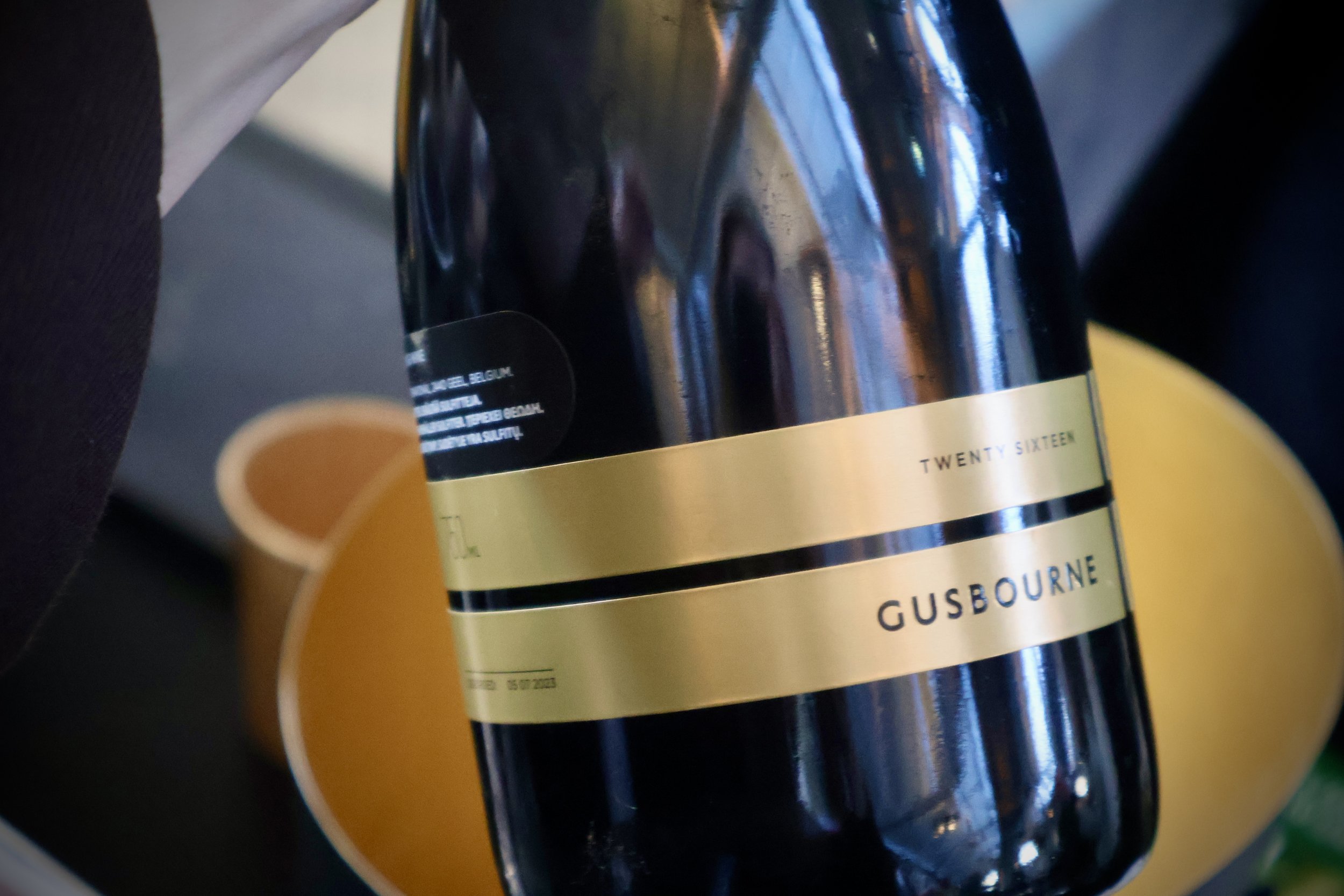
I also tasted wines from Germany, including both classic and more experimental styles, sparkling wines from Luxembourg, and English sparkling wines from Gusbourne Estate.
One important takeaway for me was that cool-climate wine is not one taste profile. It is not a single style or expression. It is a spectrum, ranging from classic grape-based wines to fruit wines, from traditional methods to highly experimental approaches. What connects them is not flavour, but conditions: short growing seasons, cold temperatures, and the need for precision. Across that spectrum, I saw producers who are thoughtful, realistic, and committed to quality.
Overall, cool climate wine today is not about proving that it can exist. It already does. What I experienced was seriousness, technical knowledge, and a clear focus.
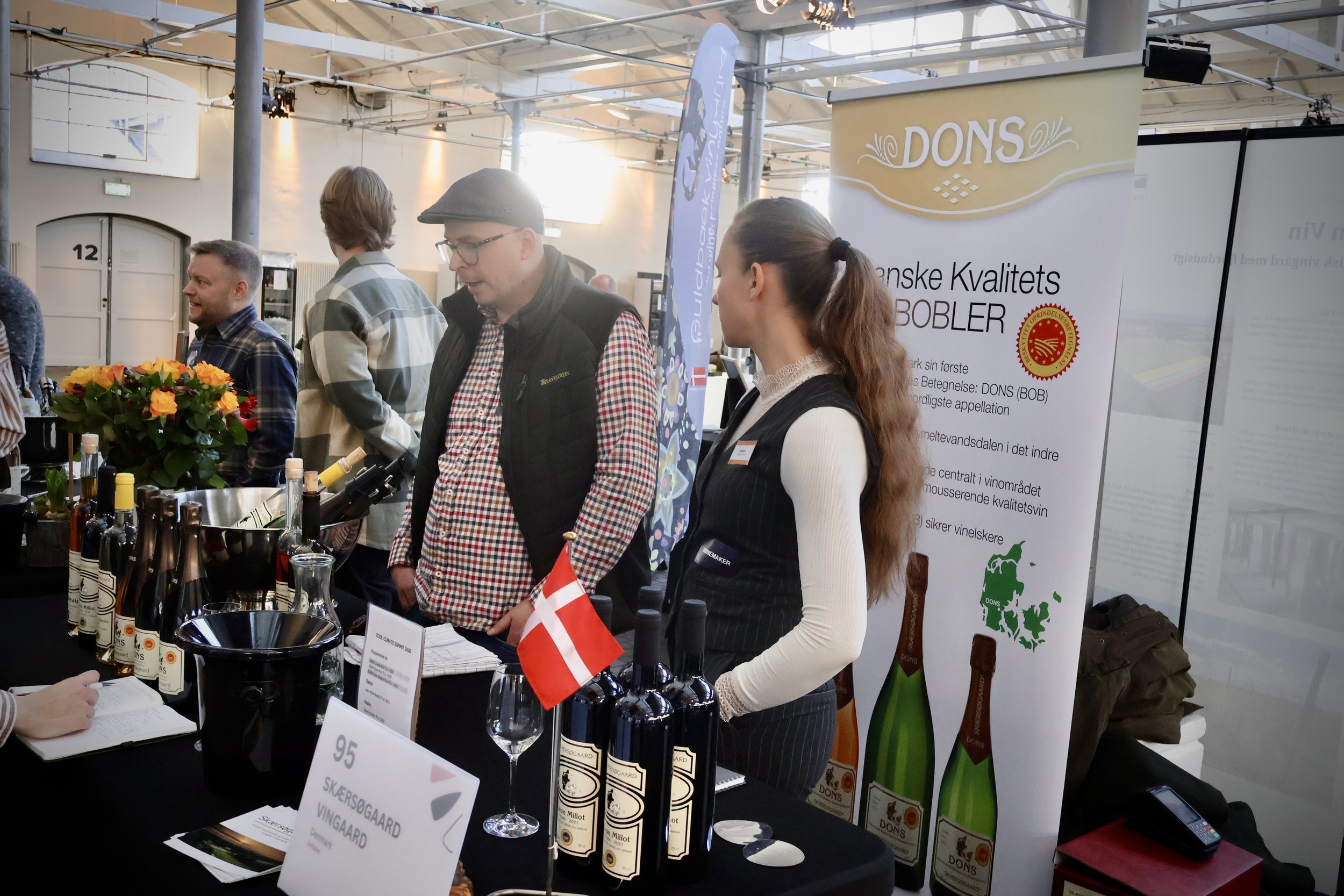
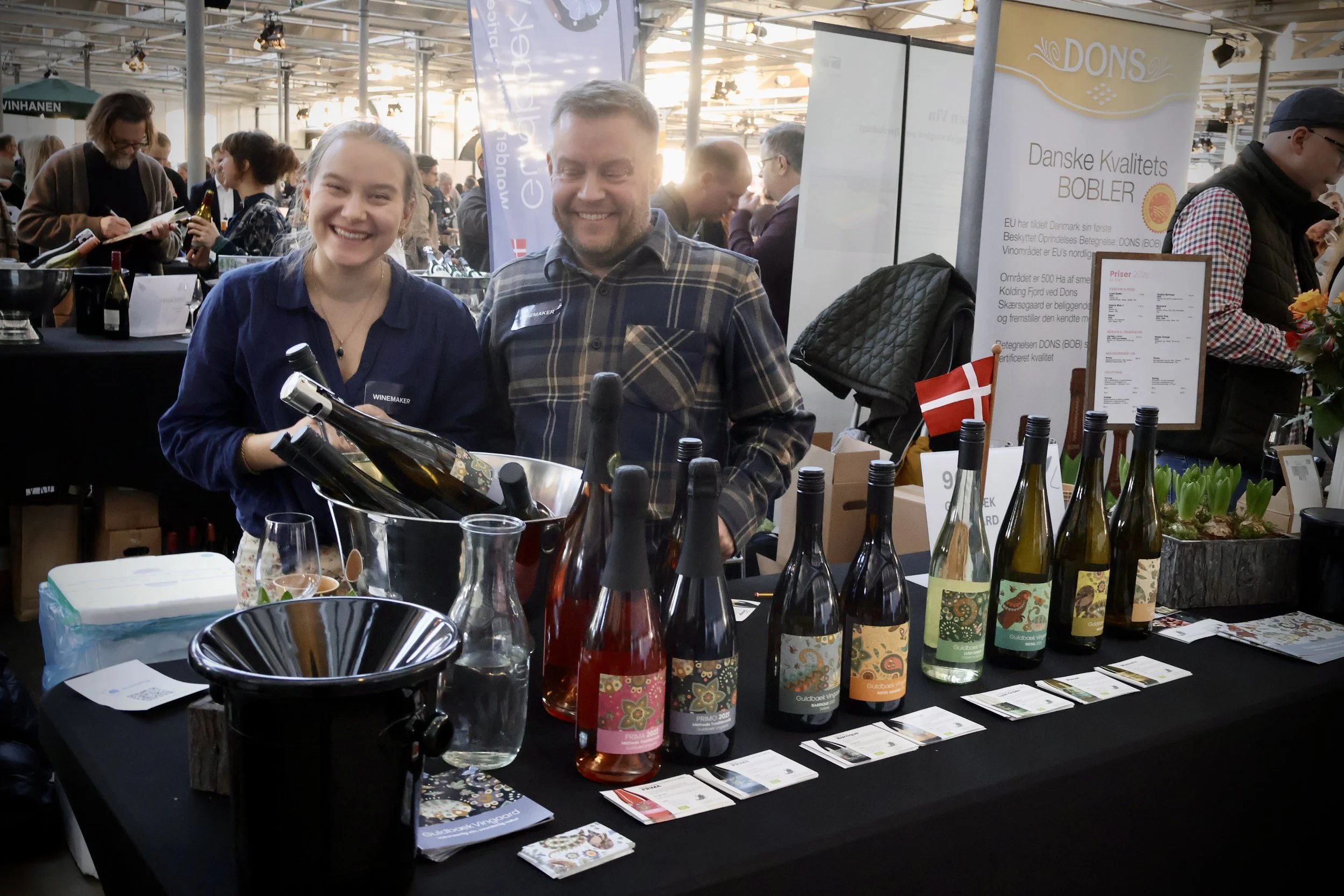
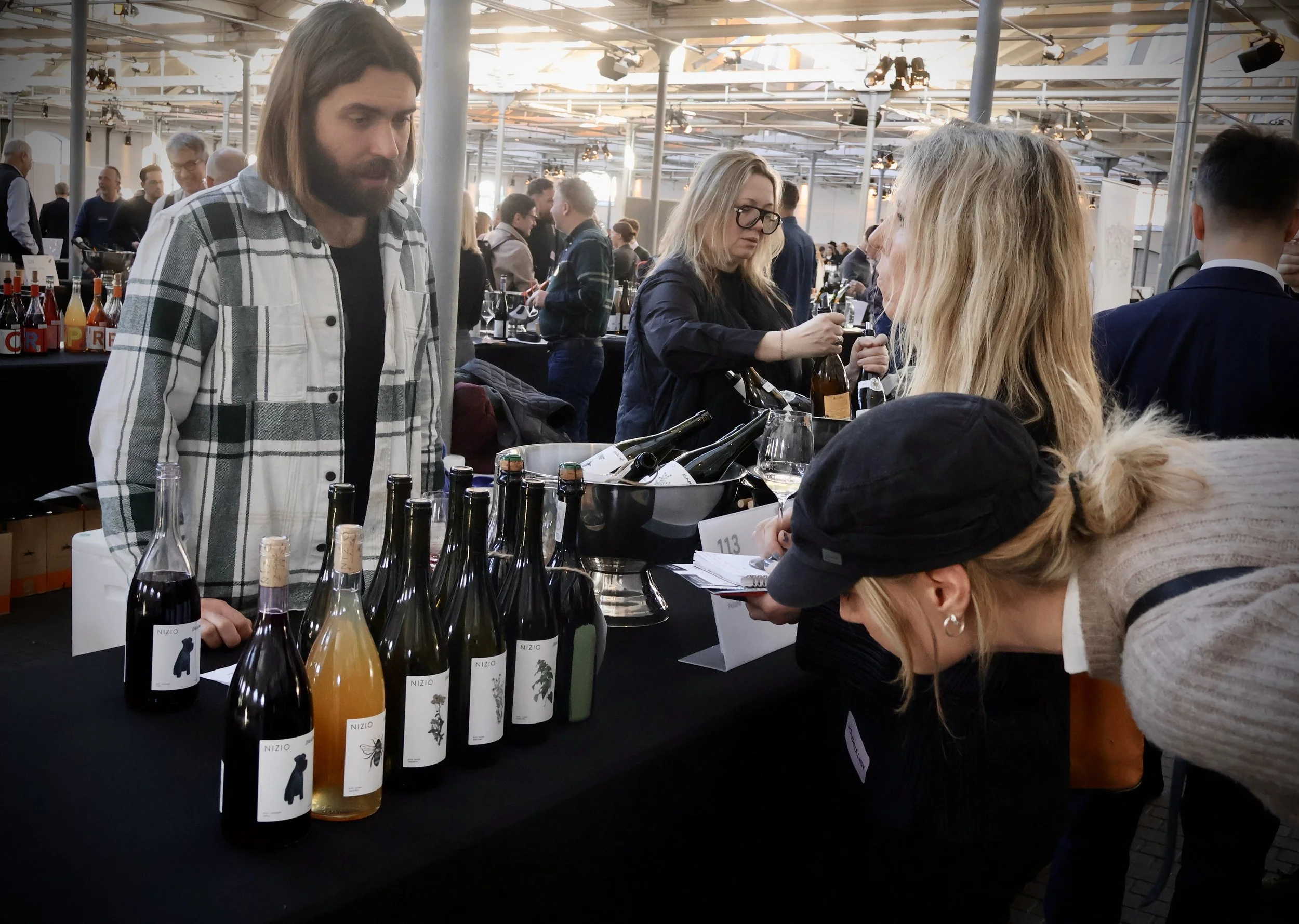
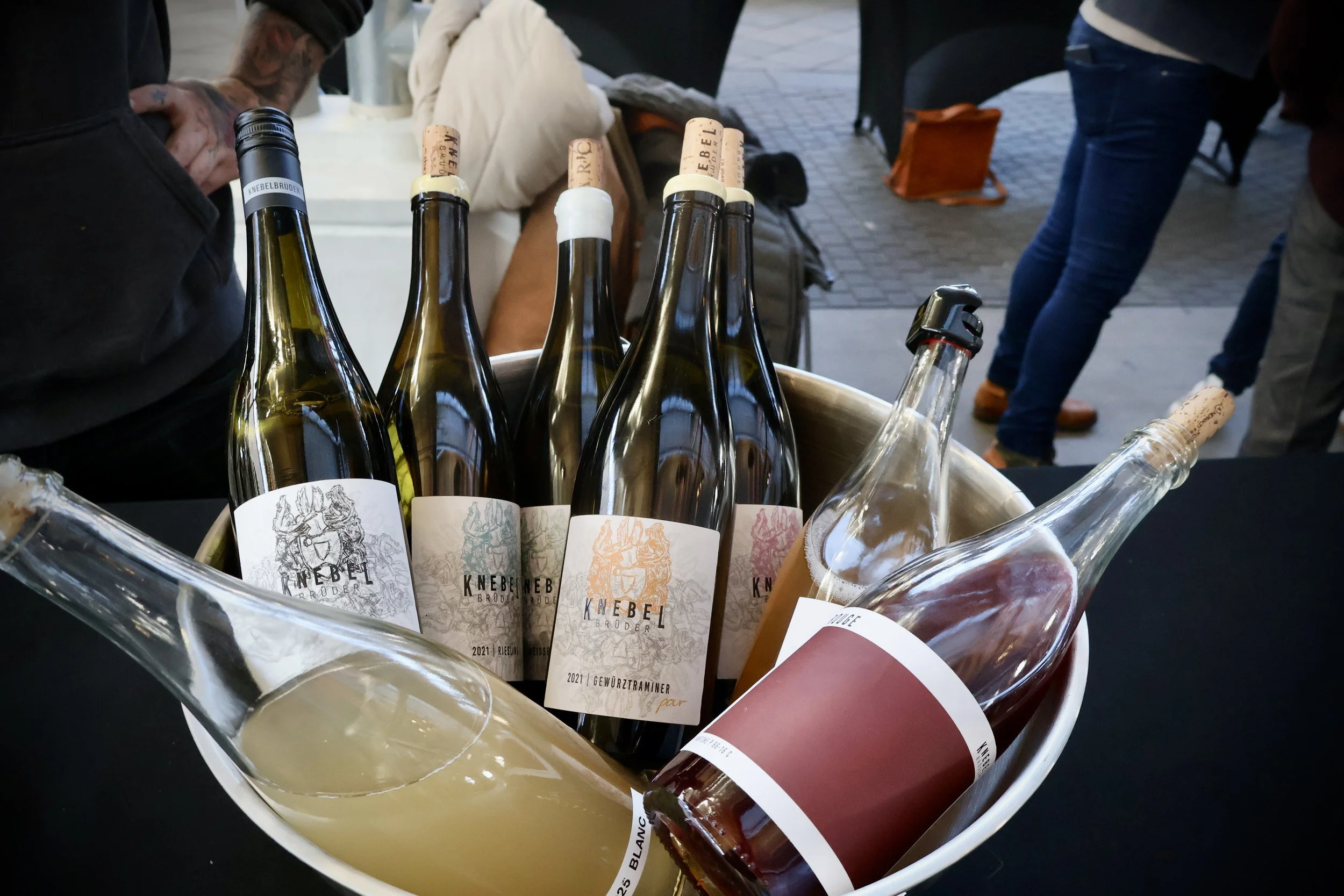
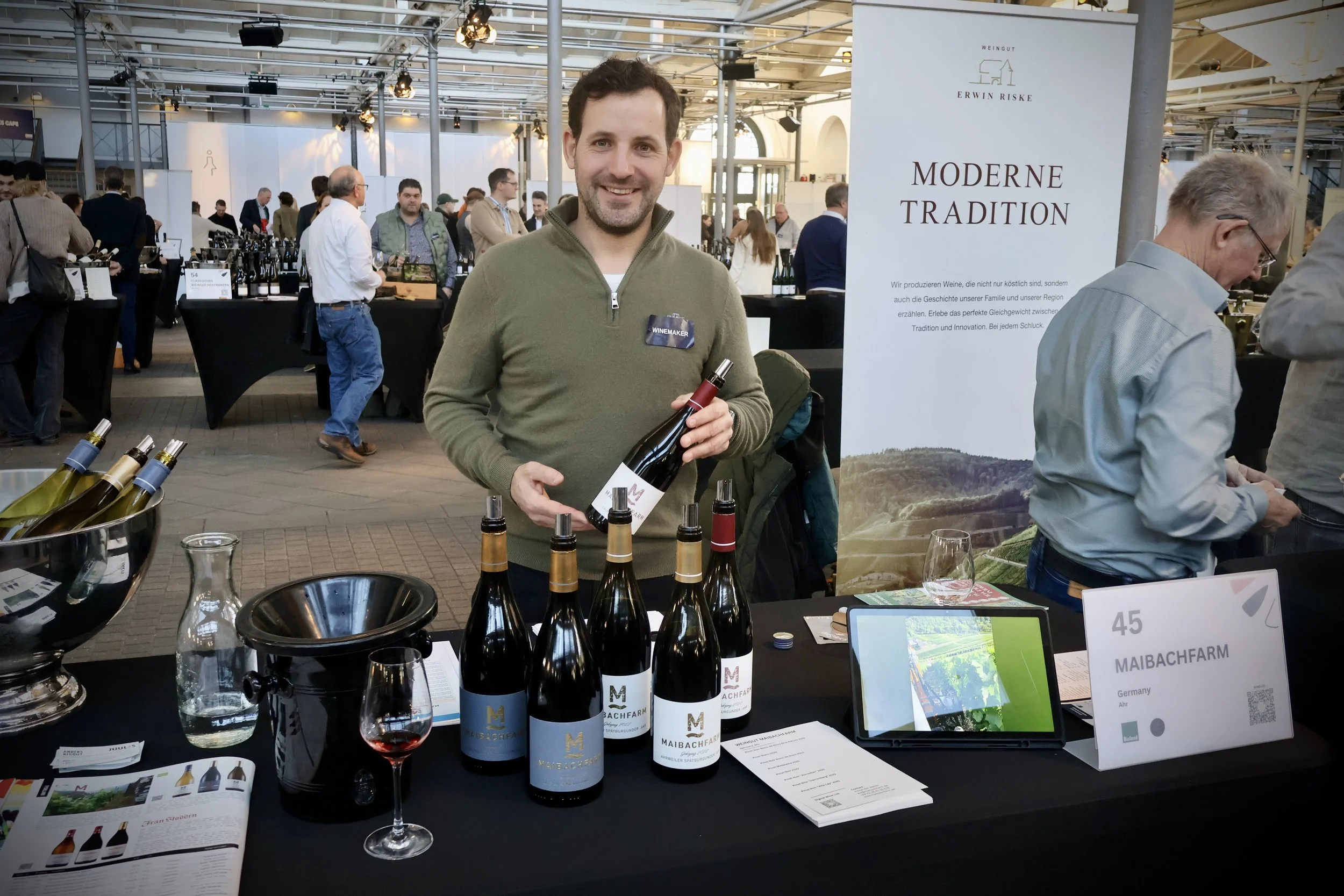
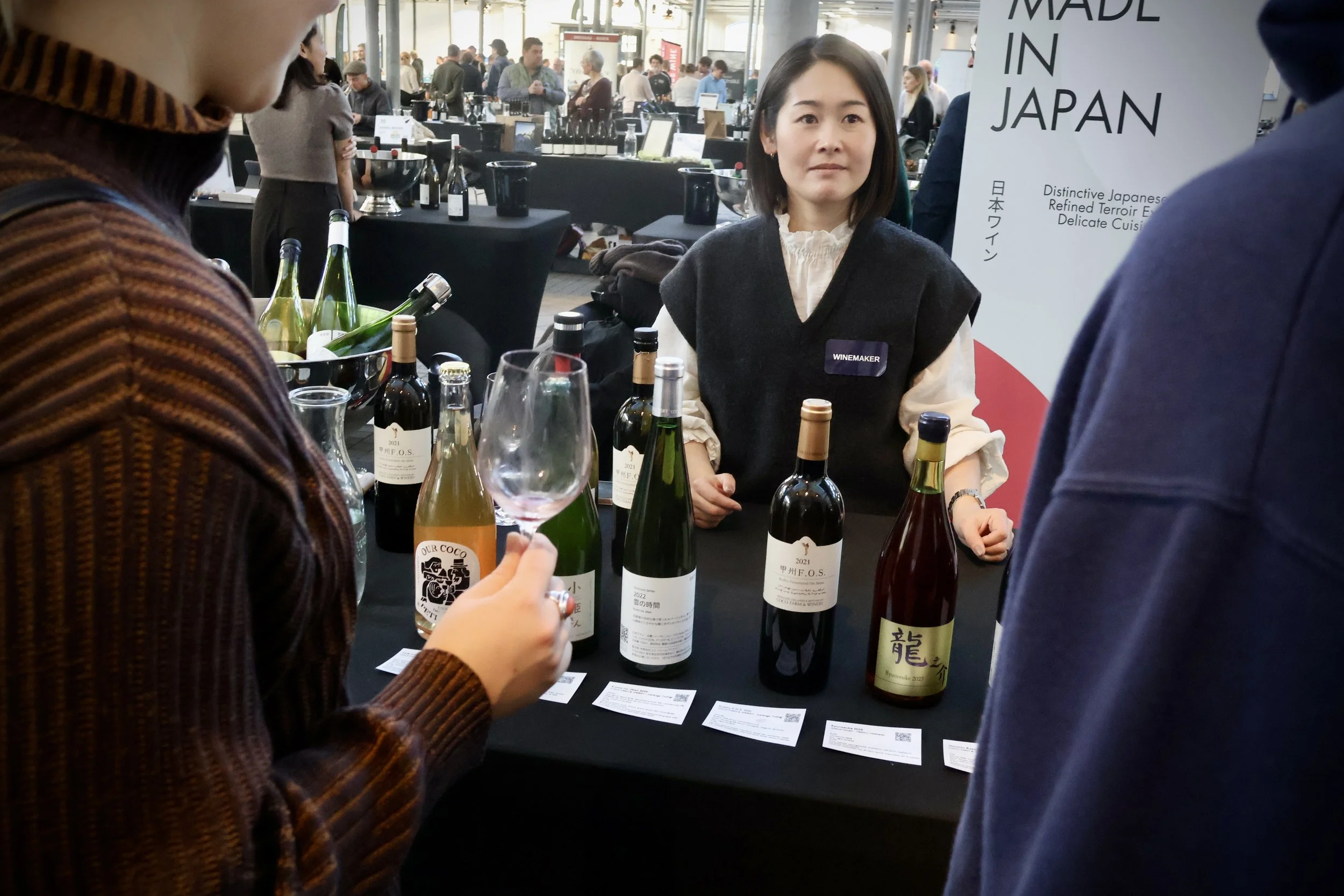
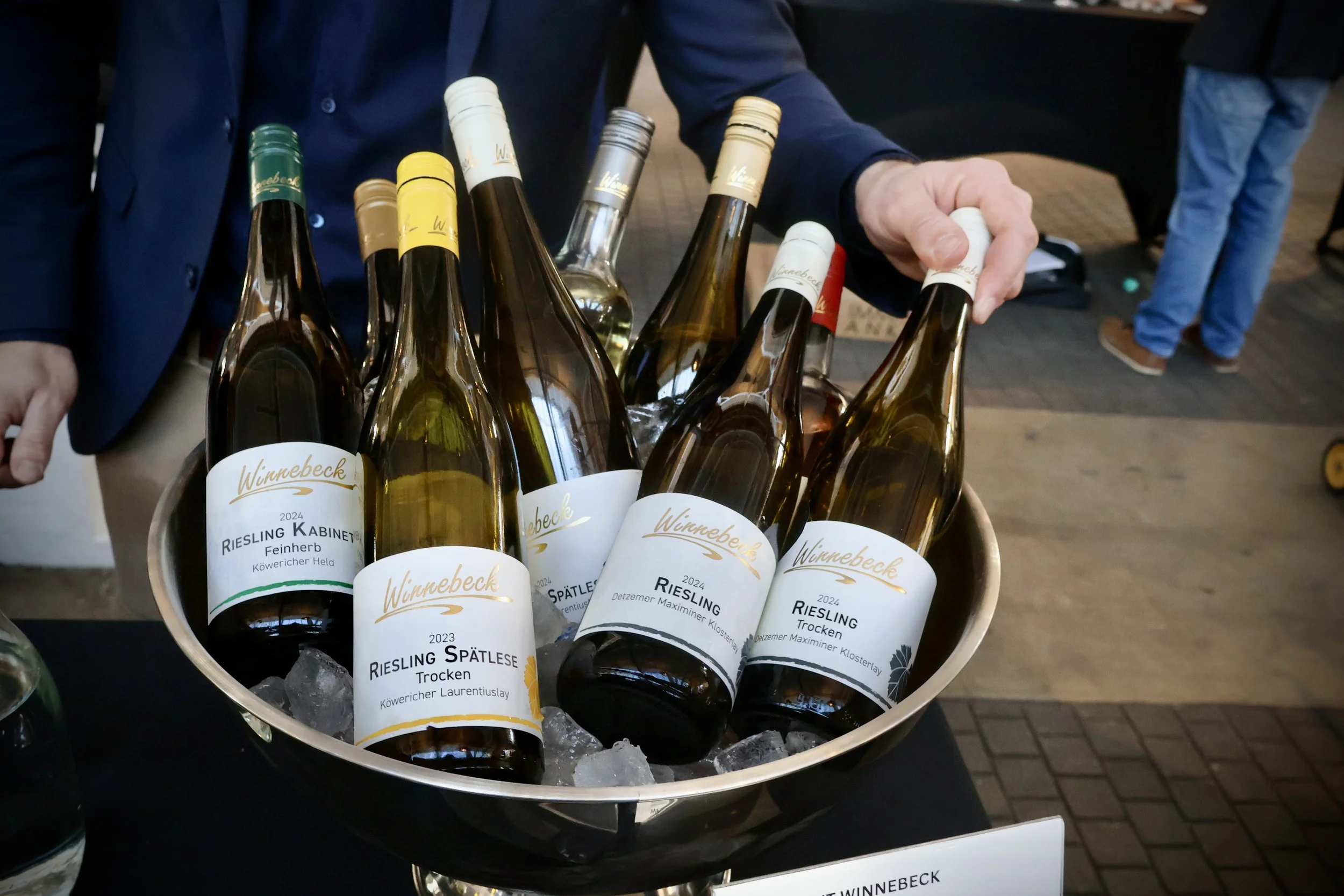
A visit to Cool Climate Summit. Photo: Ronja Bo Gustavsson DSF
If you want to read more, you can also read my interview with Jan Eggers, Head of Organization at the Cool Climate Summit here