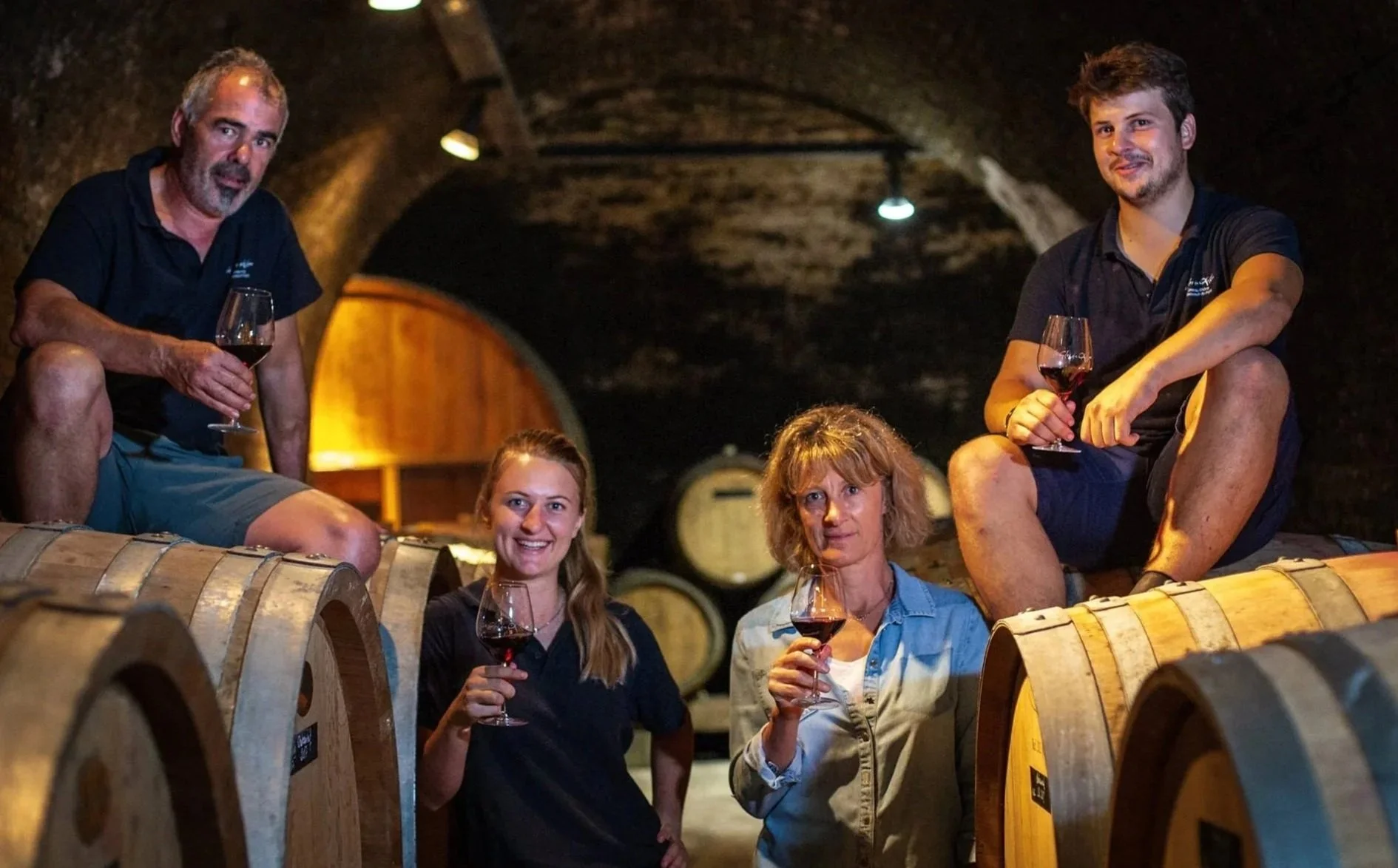
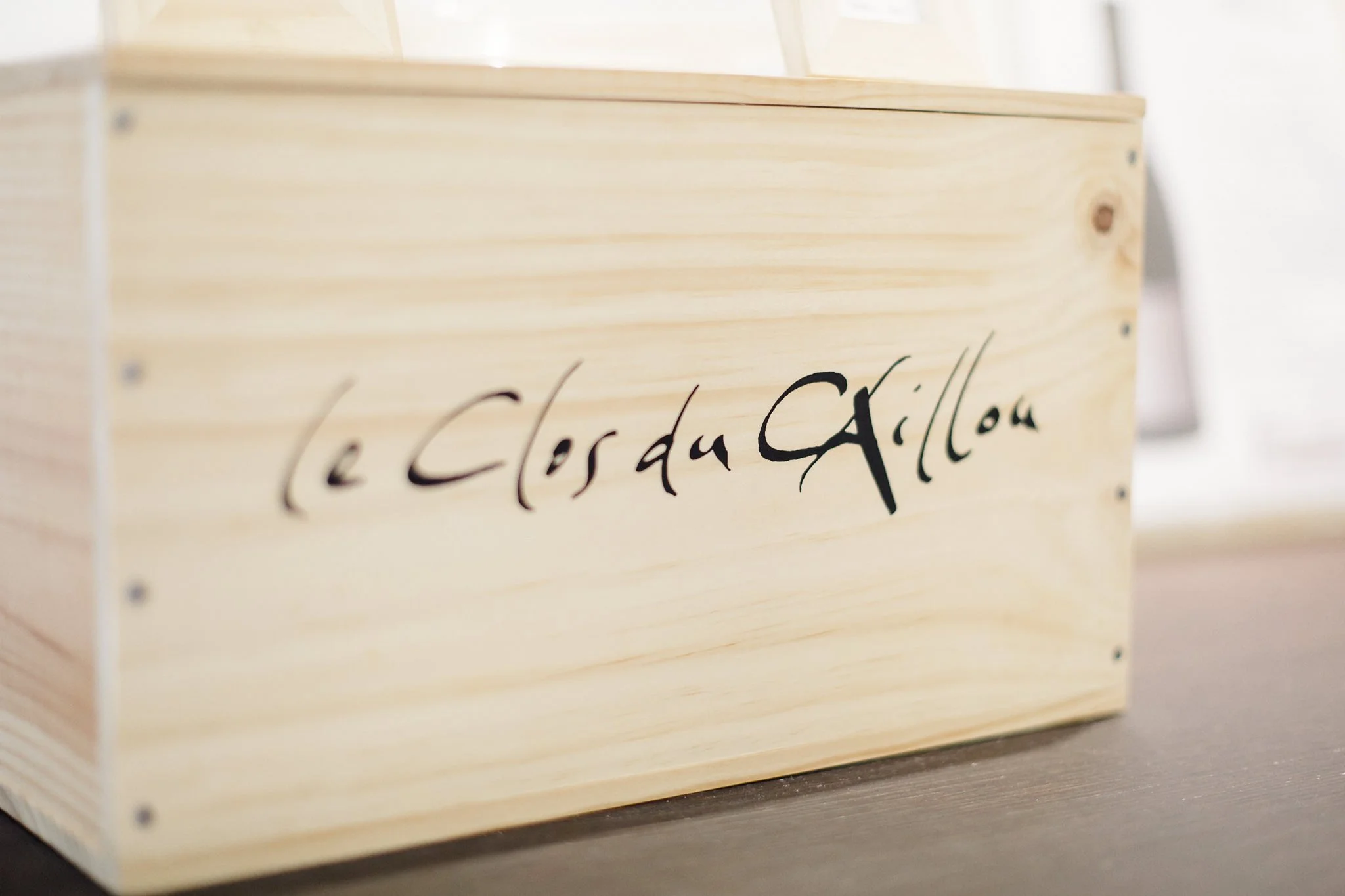
Clos du Caillou. Image: Clos du Caillou
Clos du Caillou is known for its sandy soils, organic farming and quiet precision. In Copenhagen, just before the HORECA tasting, I meet Marilou Vacheron to speak about heritage, climate adaptation and what it means when wine is not just work, but life.
I met Marilou Vacheron at Axelborg in Copenhagen just before the large HORECA tasting organised by Wine Group.
We sat downstairs in Bokssalen, an old bank vault. The heavy doors leading into the event space are original from the 1920s, from Den Danske Andelsbank. They had started setting up for a masterclass downstairs. Glasses were being prepared and bottles were lined up.
It was her second time in Denmark.
“It was a very great event last time,” she said. “Very well organised. What impressed me most was the people. “They are very knowledgeable about wine and know a lot, so we can go deep when we explain, which makes it interesting for us and creates a good exchange.”
From Sancerre to Châteauneuf
Marilou did not grow up with Grenache.
“I was born in Sancerre,” she explains. “My father is from there. I grew up with Sauvignon Blanc and Pinot Noir.”
When she was four years old, her grandfather on her mother’s side decided to retire. He owned Clos du Caillou in Courthézon in the southern Rhône. He asked his daughter, Marilou’s mother, if she would take over. Otherwise the estate would be sold.
“My parents decided to leave Sancerre and move south. We left Sauvignon and Pinot and started with Grenache. Very different climate and very different wines.”
Clos du Caillou was founded in 1895. Originally it was not mainly a wine estate but a hunting property. The former owner even built a four kilometre wall around the land. Inside there were 17 hectares.
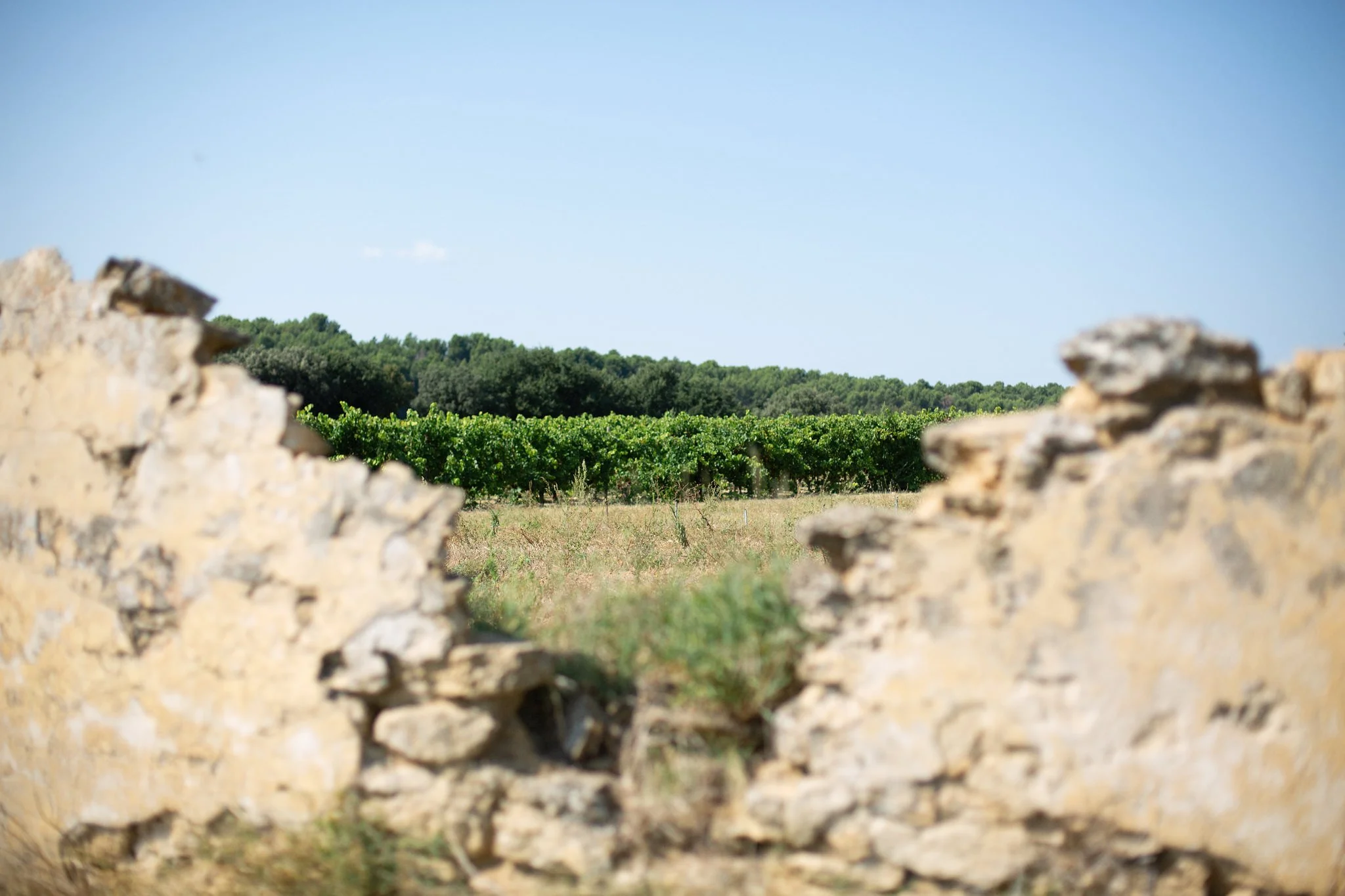
This detail later became part of the estate’s identity.
In 1936, when the official boundaries of Châteauneuf du Pape were drawn, the owner refused to let the experts enter the property to analyse the soils. Because they could not study the land, they did not grant the full appellation status to the estate.
“We never received the Châteauneuf du Pape appellation for the whole property,” Marilou says. “Today we are only 200 metres from the official area but still we must produce Côtes du Rhône from that part.”
Growing Up With Change
Marilou grew up while her parents reshaped the estate.
“At the end of the 1990s they developed parcel selections. They converted everything to organic and biodynamic. More than 20 years ago.”
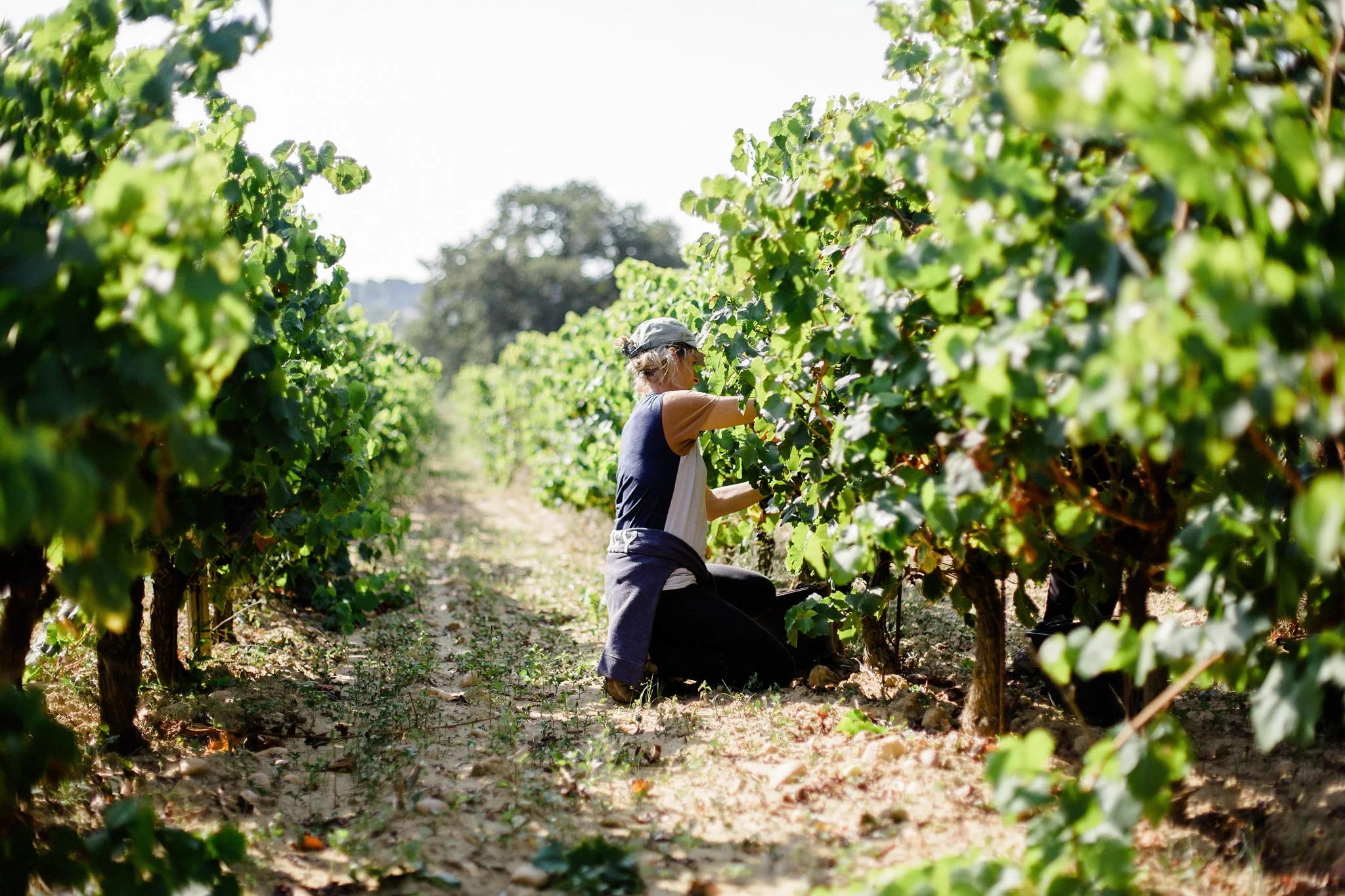
Clos du Caillou farms just over 50 hectares today, including both Châteauneuf du Pape and Côtes du Rhône. Around 30 percent of the property remains woodland. Biodiversity has always been part of the philosophy.
“It was quite natural to go organic,” she says. “My grandfather was already almost organic. He did not certify, but he used very little chemical product. And because we have so much wood around the vineyards, it was logical to work with biodiversity and life in the soil.”
For her, biodynamics is not mystical.
“It is not like a religion,” she says clearly. “It is a tool. It forces us to observe. When we make biodynamic treatments, we have to follow the vines day one, day three, day five. We have to look at the evolution. It makes us more attentive.”
She also highlights the collective dimension.
“We are part of a group of biodynamic winemakers where we exchange results and experiences. It is important to discuss and debate, to see what works for others and to compare with our own practices.”
"We sometimes say it is like the Burgundy of Châteauneuf du Pape."
Sand as Signature
If one element defines Clos du Caillou today, it is the soil.
“The most important thing is that we are on sandy soil,” she says. “We have almost no clay, which gives the wines a strong identity with elegance and very supple, soft tannins.”
She pauses and smiles slightly.
“We sometimes say it is like the Burgundy of Châteauneuf du Pape.”
Grenache is the backbone, but the estate works with more than fifteen permitted grape varieties. Syrah, Mourvèdre, Cinsault, Carignan and others all play a role. Blending is part of the identity.
“We do not make only Grenache wines. We blend to bring freshness and balance.”
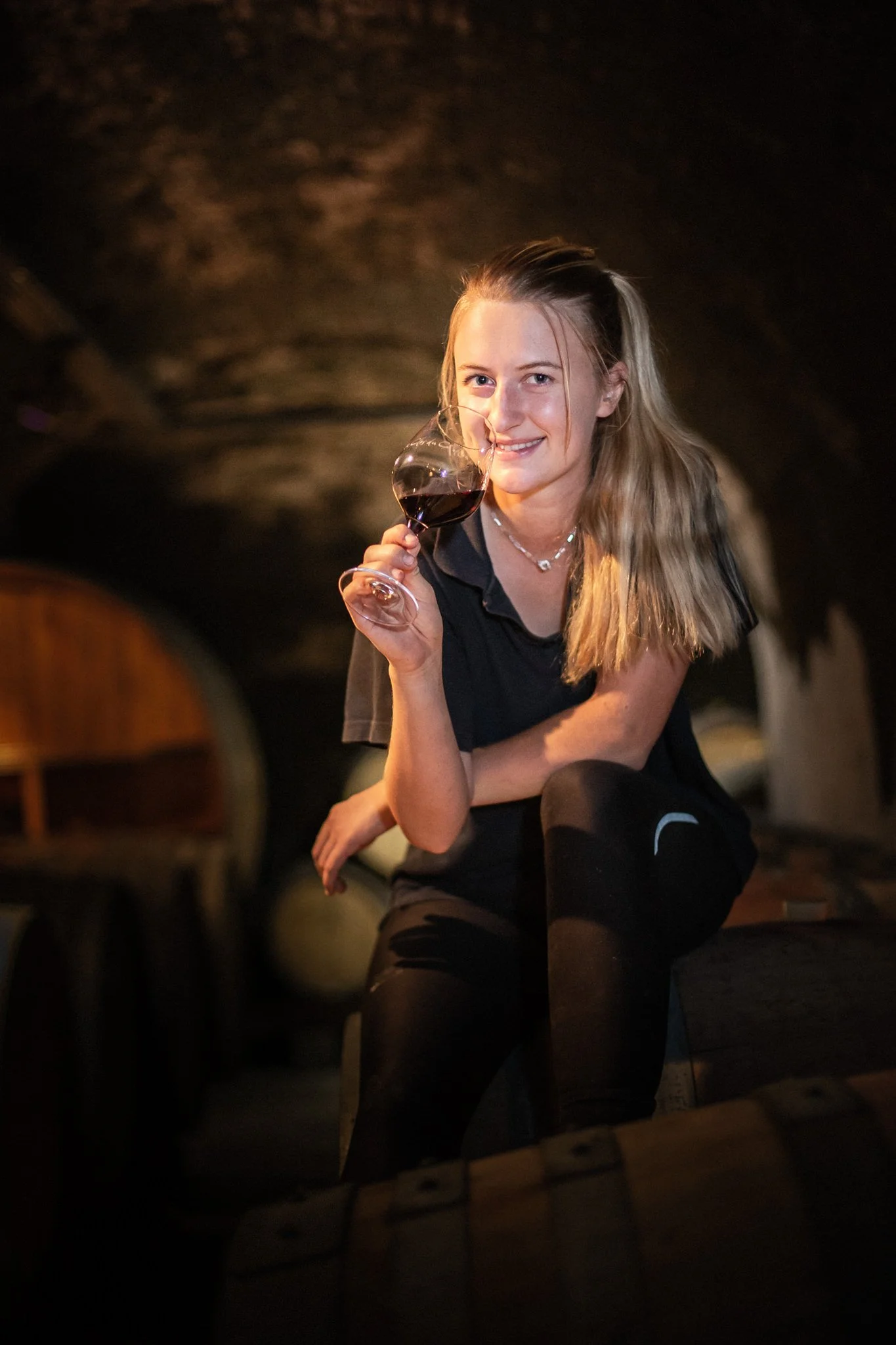
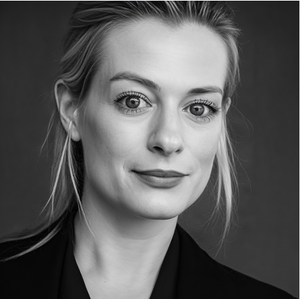
Marilou Vacheron. Image: Clos du Caillou
Climate and Adaptation
Climate change is not theoretical in the southern Rhône. It is visible in sugar levels and harvest dates.
“Grenache is a sugar machine,” she explains. “It makes a lot of sugar.”
On sandy soils the challenge is even greater because they retain less water. The estate works with cover crops and mulch to maintain humidity in the soil.
“The first tool is to maintain humidity, especially on sandy soil. It is more sensitive.”
They are also adapting through planting decisions.
“We plant more white varieties because there is increasing demand, and we choose grapes with better natural acidity, for example Clairette and Bourboulenc.”
Domaine de Panisse
In 2020 the family acquired Domaine de Panisse, only one kilometre from Clos du Caillou. It became a project for Marilou and her brother.
“When we bought it, we did not know if the wines would go into Clos du Caillou or if we would keep it separate.”
After the first vintages, the answer became clear.
“It was so different that we said we have to separate. It is not the same profile.”
Panisse has more clay and limestone, with richer soils and naturally higher yields.
“At Clos du Caillou, because of the sandy soil, yields are naturally low and we do not have to regulate much, whereas at Panisse we must manage more carefully, including green harvest and closer attention in the vineyard.”
“Viticulture is different. Naturally the wines are different.”
For Marilou and her brother, Panisse allows exploration while Clos du Caillou remains the established identity.
“Clos du Caillou is well established. With Panisse we can show what we can do as the new generation.”
"I grew up with my mother as a strong personality, but as women, maybe we have to work more to be respected. We have to develop a strong character."
Taking Over
Marilou officially joined the estate in 2016 after studying business in northern France and completing internships at other wineries.
The transition with her mother was smooth.
“I am very lucky,” she says. “In some families, parents do not want to give freedom. My mother was very open, we had a great transmission time.”
“If we want to make a new blend or a new cuvée with Panisse, she trusts us. But we always discuss together. It is a family decision.”
I ask her what Clos du Caillou means to her personally.
Sponsored banner from H.J. Hansen
“It is my heart,” she says without hesitation, explaining that it is her family, her grandparents’ and parents’ work, and their life, where every morning they ask what they can do better, how to be more precise and which tools to use in order to keep progressing.”
A Female Voice in a Traditional Region
I ask her how it has been to enter a region that is still largely male dominated, especially in a traditional appellation like Châteauneuf du Pape.
“I grew up with my mother as a strong personality,” she says, explaining that she was used to seeing a woman lead with authority. “But as women, maybe we have to work more to be respected. We have to develop a strong character.”
At the same time, she points to what she sees as a different strength.
“Maybe we are more sensitive in tasting,” she says. “Maybe our wines are more delicate. We search for elegance. For balance.”
Clos du Caillou is defined by sand, history and family, by organic farming long before it became a trend, and by adaptation without losing identity. It is now also shaped by a new generation that carries the same responsibility forward.
As she said earlier, “It is our life.”