The Unconformed: When You Have no Legacy, You Are Truly Free
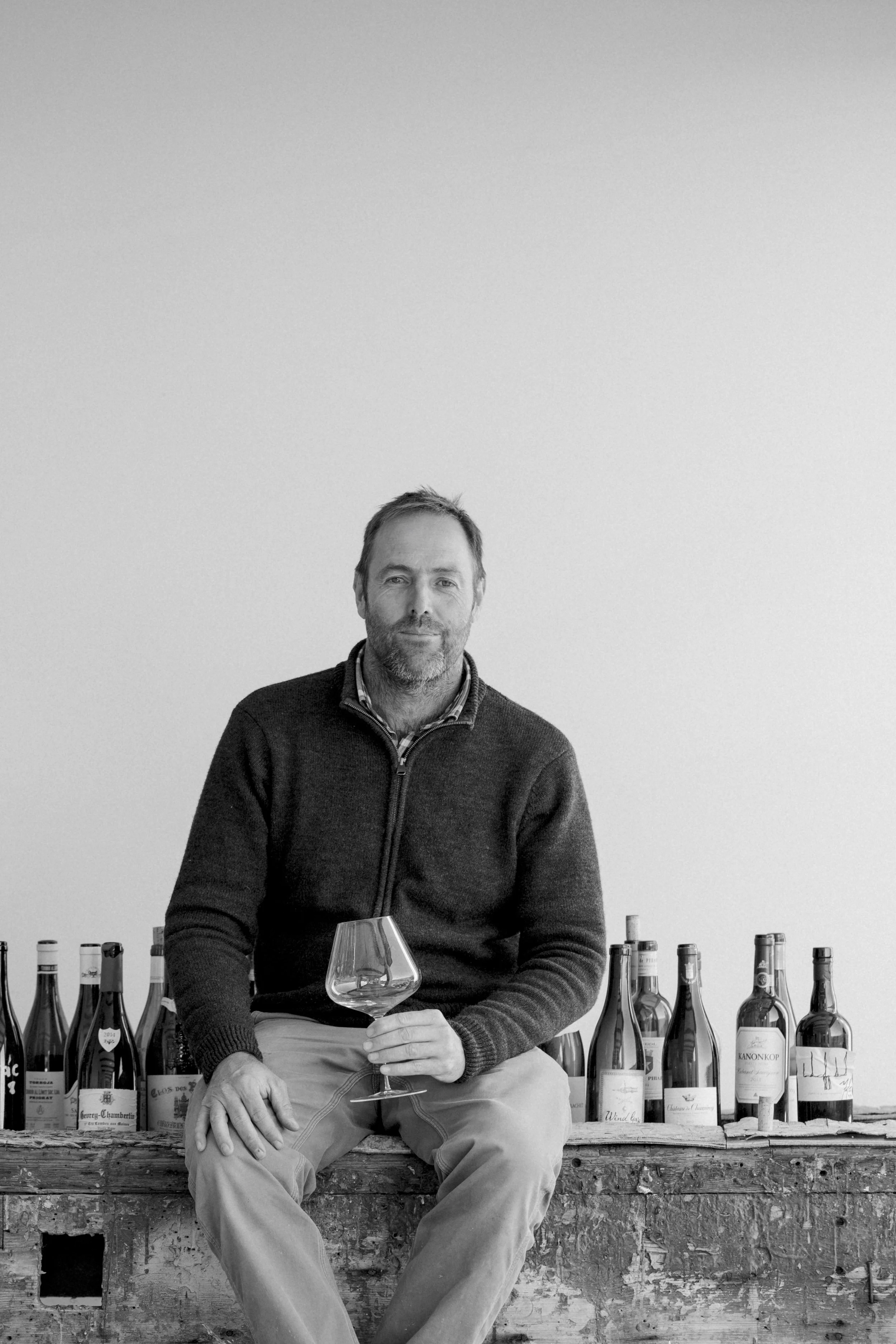
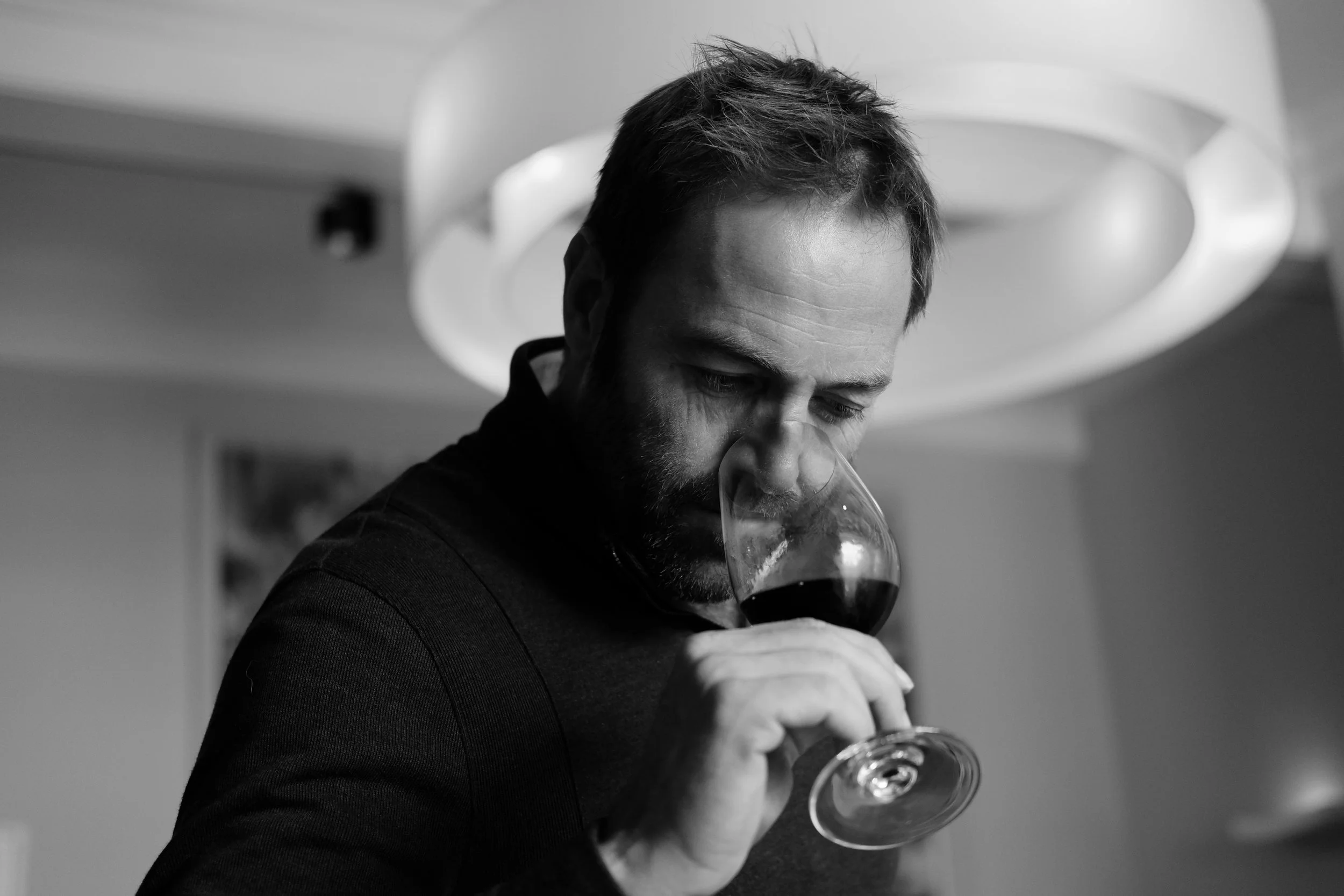
Eben Sadie. Image: Anne Køster
Raised by the ocean, shaped by freedom — and how that made the Swartland a great wine region.
There is a particular kind of winemaker who arrives at the cellar not through ambition, but through something closer to inevitability. Eben Sadie, the man behind The Sadie Family Wines, is one of those. Before he was a winemaker, before he was a student of agriculture, before he set foot in Burgundy or Priorat or Oregon, he was a child of the South African coast — diving, surfing, windsurfing, sailing. The sea was not a backdrop to his childhood. It was the thing itself.
"I grew up on the coast. My life is the ocean. I was diving, surfing, windsurfing, sailing. My life is the water. And I still am a lot in the ocean, because it's part of me. I hope I am part of the ocean."
He had wanted to study marine biology, but his father advised against it — too few jobs. So he went to Stellenbosch instead, to study agriculture. And in Stellenbosch, surrounded by vines and cellars and the kind of wine culture that seeps into everything, wine found him.
"You actually never had control anyway — so you may as well trust the place."
"I don't think I found wine. I think wine kind of found me. It completely grabbed me — and it's still the same. Nothing has changed. I'm a complete wine nerd. Every day I try and find wines in the world that I haven't tasted. Whether it is in China, Turkey, Armenia, or Burgundy — I'm still educating myself."
Freedom — and What It Cost
Sadie qualified in 1994 — the same year South Africa's apartheid era ended and the New South Africa was born. He is careful, almost insistent, about not claiming personal credit for the timing. But he is equally clear about what it meant.
"My break came not because I'm special or wonderful or clever. Some things are just because of where you are at a certain point in time. You are just lucky — or it's destiny. But I qualified in 1994, and my entire profession, from the start, I've only been able to work in the New South Africa, free of the embargo. When a country gets embargoed, you stop dreaming. You stop having ideas. You stop being creative. Your neighbour becomes your competition. It builds animosity. 1994 for me meant true freedom — and I know what it cost."
Sponsored banner from Laudrup Vin
With that freedom came a clear-eyed plan. He knew he needed more than books could give him. Every year, for up to six months at a time, he left South Africa to work at iconic estates — Germany, northern Italy, Austria, France, Spain, California, Oregon. He learned the French concept of savoir faire not as a phrase, but as a lived experience: sitting at a table in France, watching a grandfather, a father, and a son in conversation, watching knowledge pass between them without words.
"Savoir faire is not just know-how. It's the passage of time in knowledge. It's handed down. It's not only an academic thing — it's a human thing, a spirit thing."
What the Ocean Teaches
The sea never truly left him. When Sadie talks about winemaking — about control, trust, the willingness to surrender — the images that come most naturally are those of a man who has spent time on open water and knows what it demands.
"With climate change, viticulture is like sailing. When you are in the middle of the ocean and there is no wind, you take apart all your ropes, your spindles, your tackles. You varnish, you make your boat perfect. So when a storm comes, you are ready. But a lot of people want to start that work in the storm. Then it is too late. You will drown."
The lesson, for him, reaches far beyond climate. It is about preparation, humility, and the courage to let go of control — values he has spent twenty-five years building into the DNA of The Sadie Family Wines. The only way to truly step back, he explains, is to have absolute faith in the system you have built.
"You need to abandon the ego, the bank manager, the journalist, the consumer index — all of it. The moment you are thinking about all these things while making wine, you are already in an ideological wine. You have already lost it. You need to come back just to the vineyard, the soil, the people. It seems like you lose control. But you actually never had it anyway."
"I taught all of my children the love of the ocean. I showed them that world — on top of it, inside it, deep. It’s incredible. We spend a lot of time together there. It is not just work."
"You actually never had control anyway — so you may as well trust the place."
The Canvas of the Swartland
When Sadie returned to South Africa full-time, he was looking for a place of genuine geological complexity — somewhere he could work naturally, where the terroir could carry a wine without being pushed. He found the Swartland, then dominated by large cooperatives but hiding extraordinary old vineyards. The complexity he discovered there still astonishes him.
"I don't know of another place in the world with granite formations, slate, baked soils, limestone, sandstone, clay — all in the same place. From twenty metres above sea level on the coast to a thousand metres in the mountains. On the coast we have low day-night temperature differentials because of the ocean. Inland, huge differentials. The canvas in the Swartland is enormous."
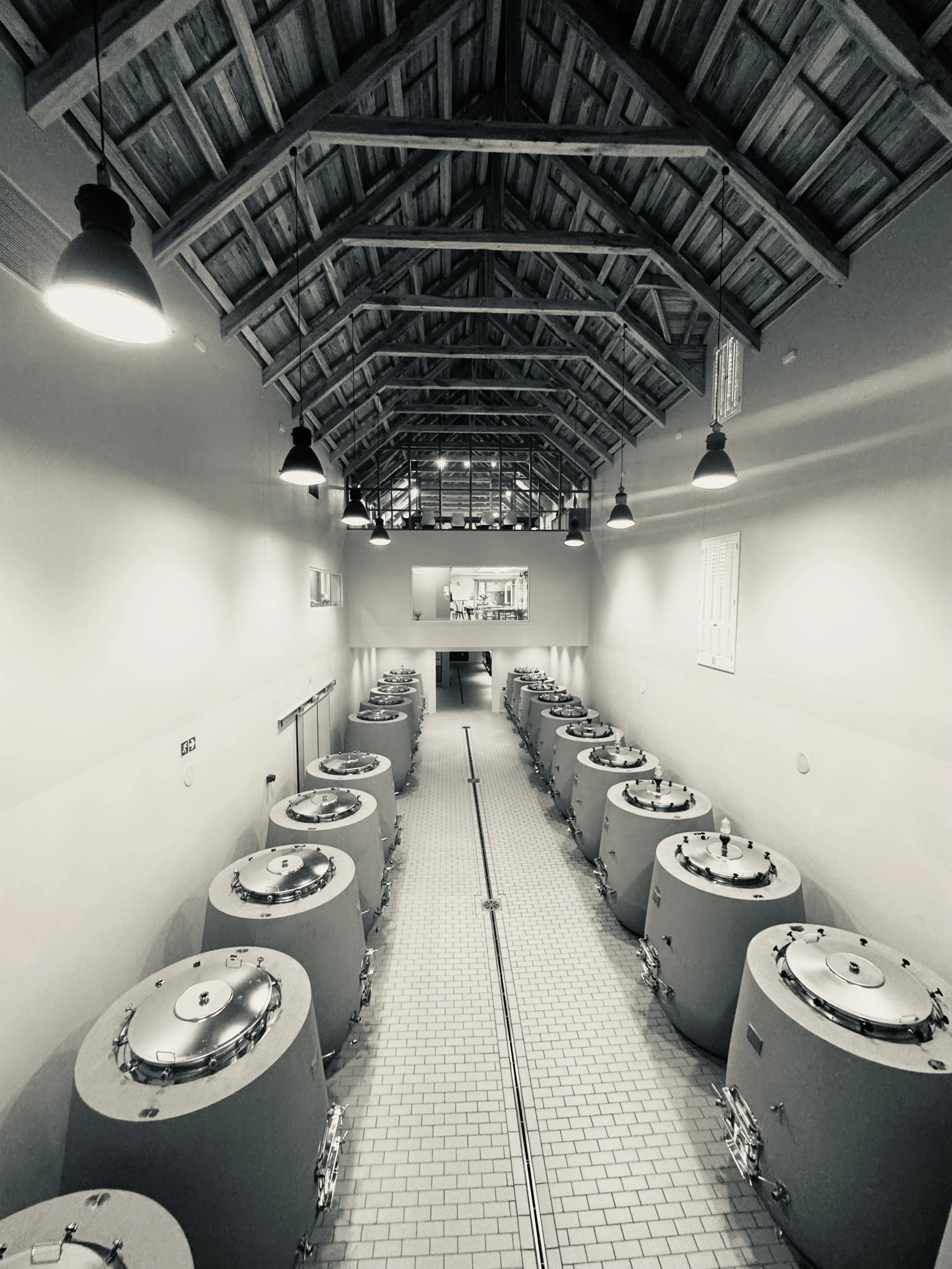
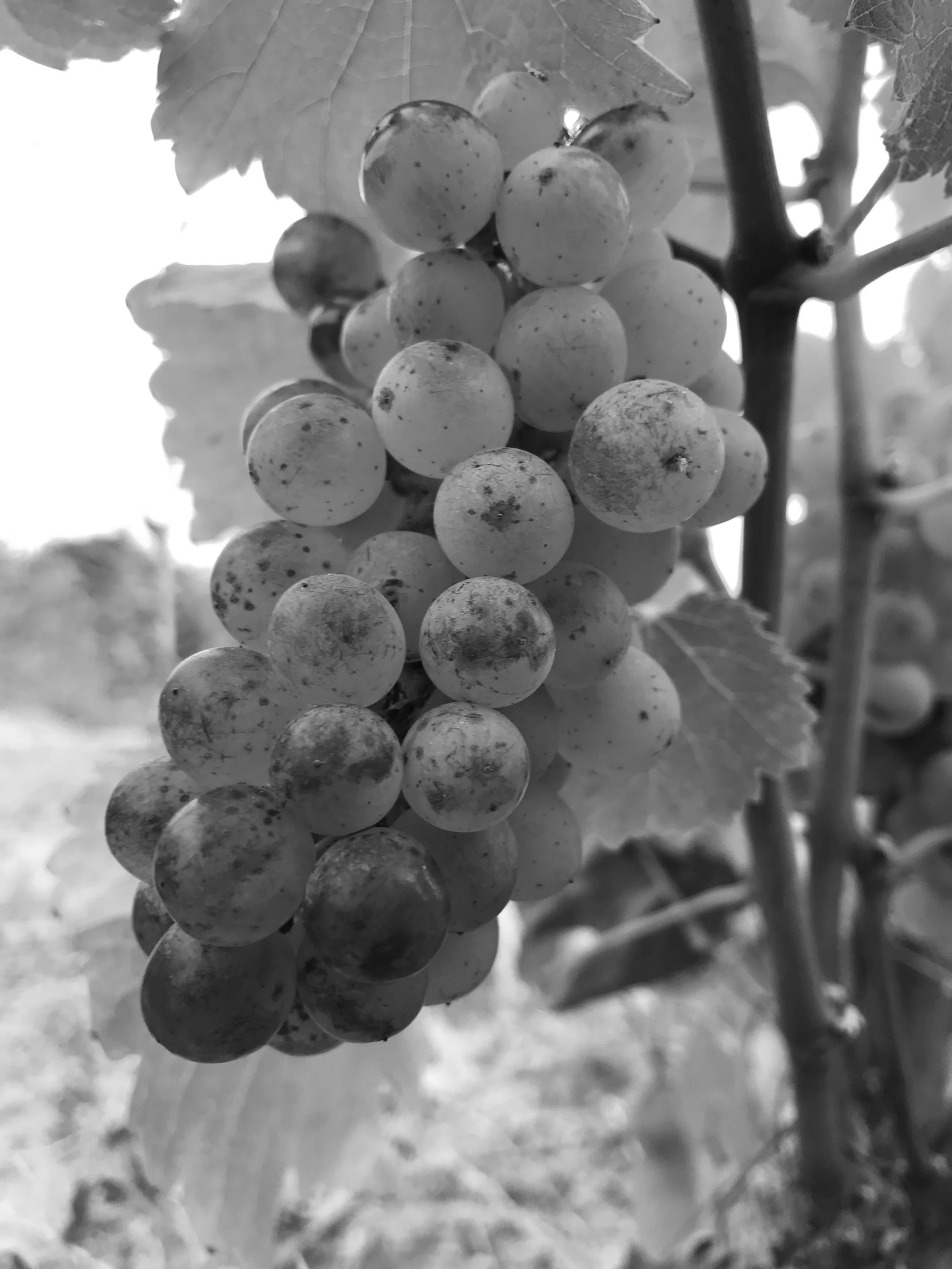
To capture that canvas, his two flagship wines — Columella and Palladius — draw on an extraordinary number of sites and varieties. Columella: eleven vineyards, eight grape varieties. Palladius: nineteen vineyards, fourteen varieties. But he is precise about what this means. He does not blend them in the conventional sense. Whatever grows in those vineyards each year simply becomes the wine.
"The moment you start adjusting percentages, you are back in philosophical control. You are no longer in the place. If the Grenache gives less fruit one year — that is the reflection of the vintage. That is the truth of the place. The single-vineyard wines are like charcoal paintings. Columella and Palladius — those are the full story."
Letting Go
The same discipline that shaped his winemaking now shapes how he thinks about succession. His son Marcus works alongside him; two other children are drawn to wine. He has given them what he considers the most important foundation of all — not technique, not viticulture, but the ocean.
"I taught all of my children the love of the ocean. I showed them that world — on top of it, inside it, deep. It's incredible. We spend a lot of time together there. It is not just work."
When the time comes to hand over, he knows what it will require of him. The man who built a philosophy around releasing control will have to apply that philosophy to the thing he has spent his life creating.
"I will have to walk away. And that will be very hard for me. But I cannot be selfish. I believe they will be better than I am, because they have a better foundation. I had no legacy, no family wine heritage, no money. But when you have no legacy, you are totally free. You can go anywhere."
"When you have no legacy, you are truly free."
How to Work with Sadie Family Wines
What does he want a sommelier to know when they stand with one of his wines in their hand? He is direct, and not especially interested in making their job easy.
"Every wine has very strong identity — and they are all very different from each other. We don't have a style. We only have the identity of the vineyard. I'm not making wine for easy please. When you build a car for everyone, you end up with a Toyota Corolla. We are not building Toyota Corollas."
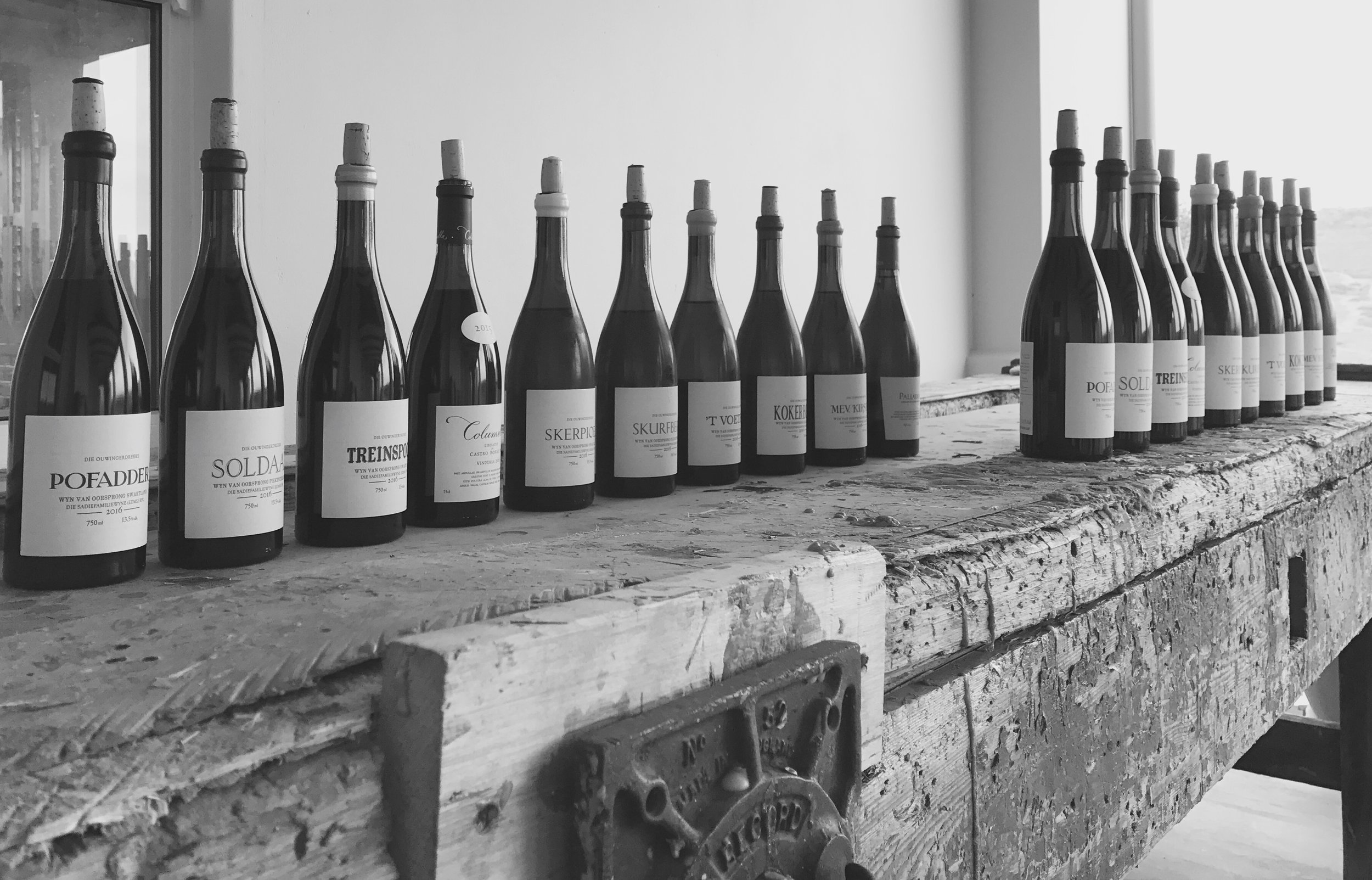
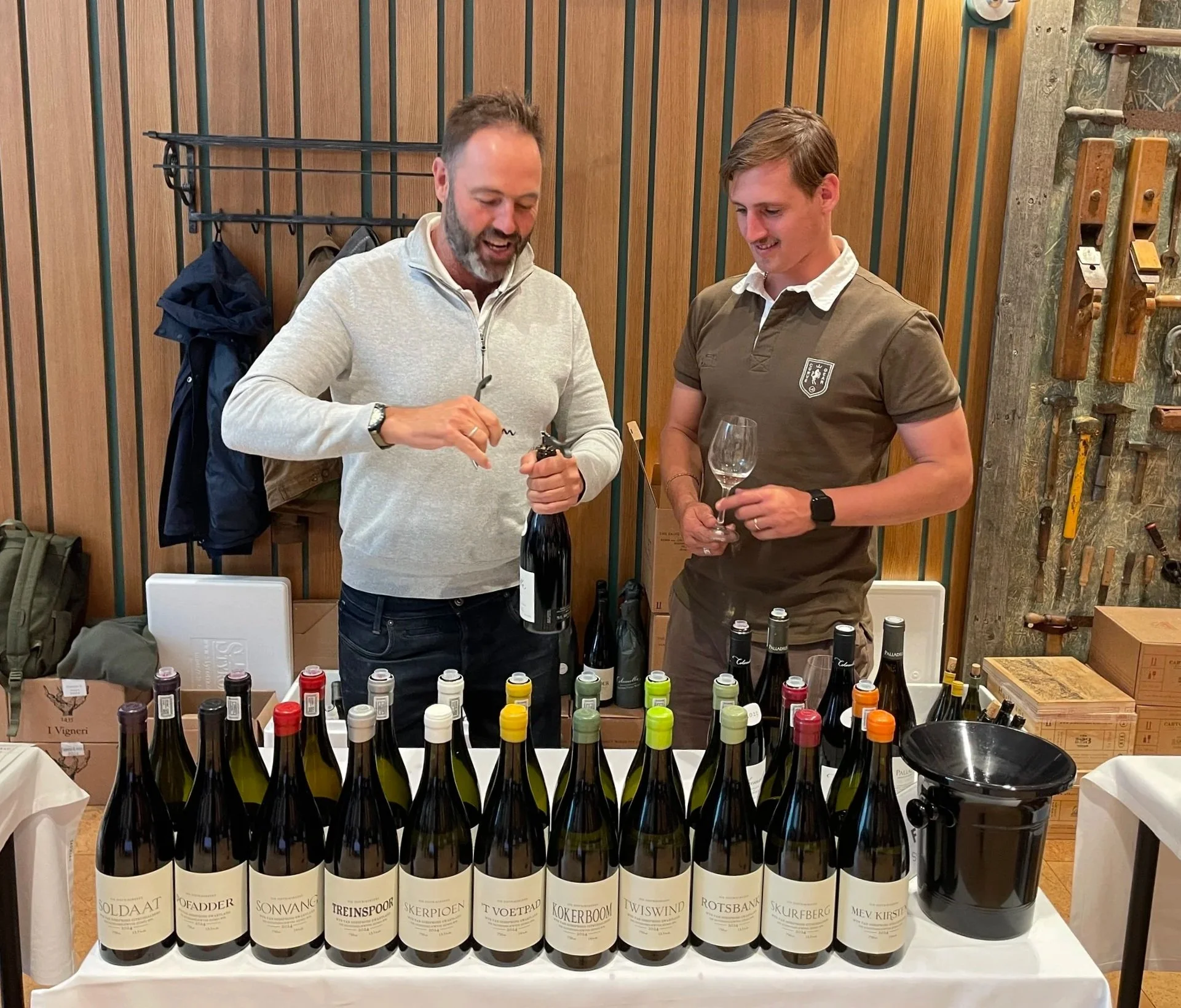
The Sadie Family lineup. Image: The Sadie Family
He speaks with warmth about his team — 42 people across 41 hectares — and about the generation of South African winemakers who came of age alongside him, all of them shaped by the same history of isolation and emergence.
"We came from such a dark, broken place. So we understand the cost. And we are just so happy to work and make it happen."
Asked what he wants people to remember him for, he barely hesitates: the unconformed. Then, a beat later: "But at the same point, it is simple." The mathematical mind and the wild, oceanic soul — both present, neither entirely dominant. That tension, perhaps, is exactly what ends up in the glass.