Champagne J.M. Goulard - Precision from Saint Thierry
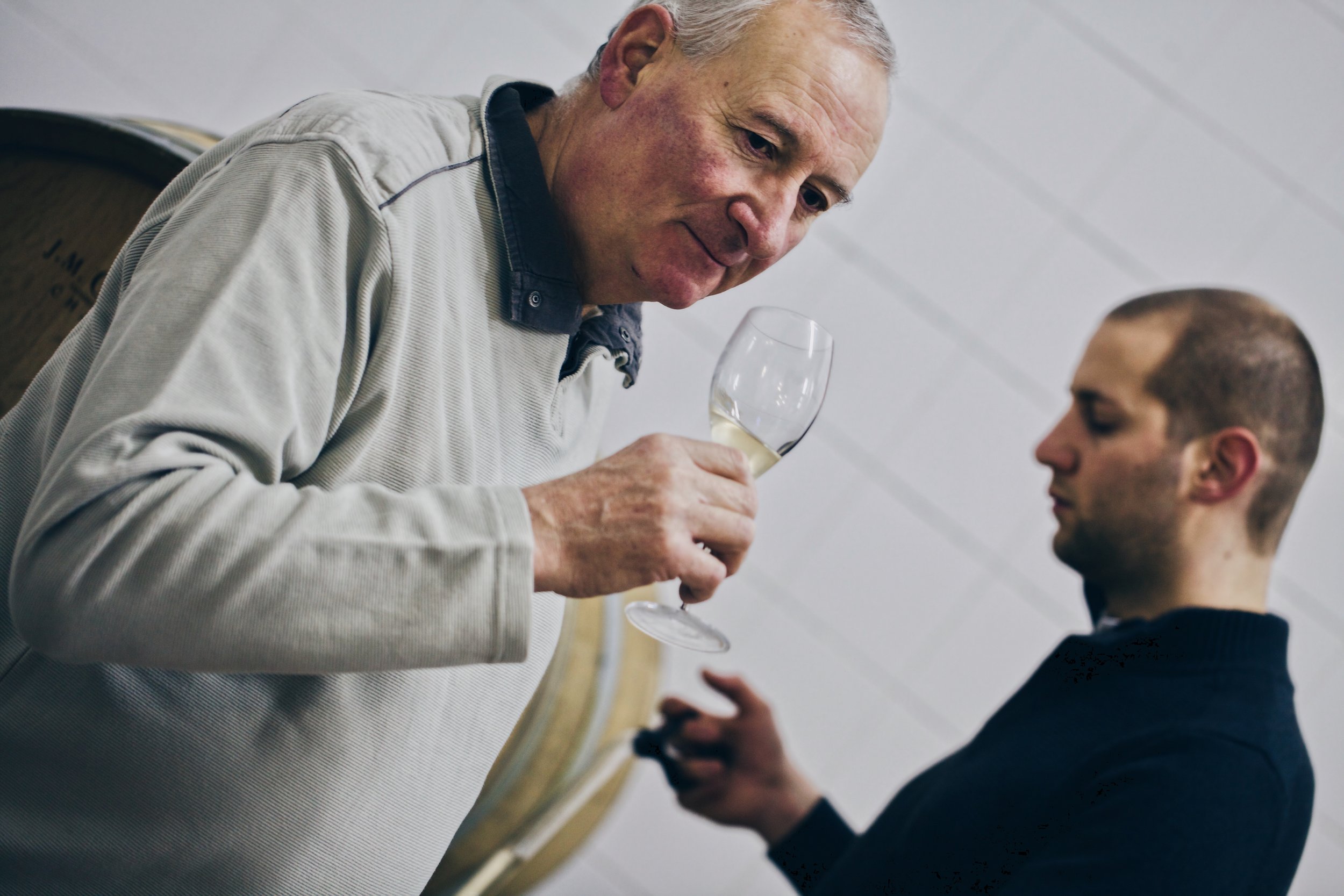
Image: Champagne J.M. Goulard
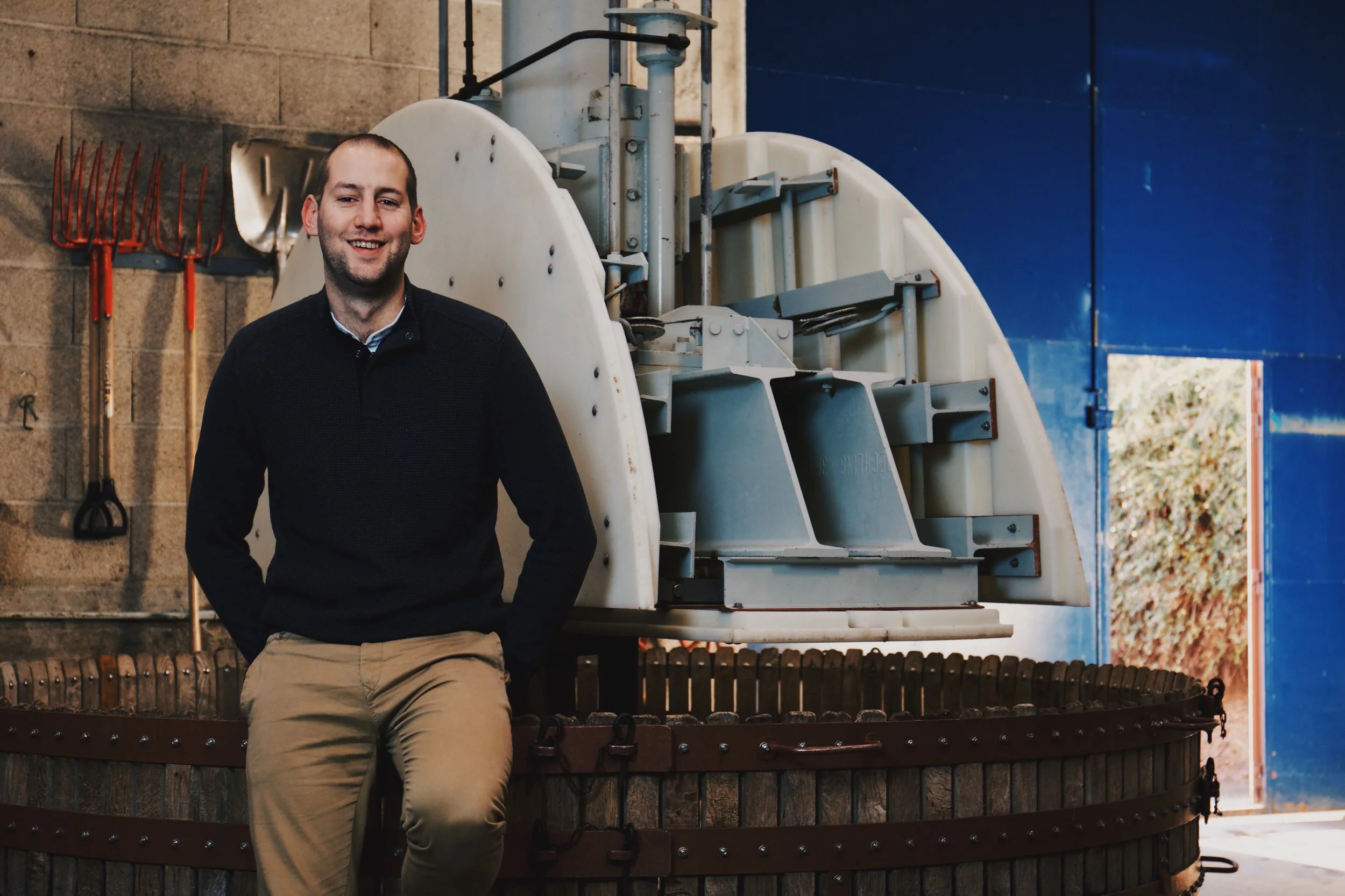
Champagne J.M. Goulard is a grower estate in the Massif de Saint Thierry with around 60 percent Meunier planted on sand dominant soils. Since the third generation took over, the estate has moved to organic farming and refined its cellar approach with parcel separation, restrained oak use and detailed lees ageing.
I met Maxime Ploux at the HORECA tasting at Axelborg in Copenhagen, organised by Wine Group. Around us, sommeliers moved quickly between tables, tasting, questioning and comparing styles.
Maxime was there to present Champagne J.M. Goulard for the first time in Denmark.
“My name is Maxime. I’m Export Manager for Accents & Terroirs,” he told me. “It’s a shared export office representing different wineries, including Champagne J.M. Goulard.
In a market increasingly focused on grower Champagne, vineyard identity and technical precision, J.M. Goulard represents a northern expression of the region. Small scale, parcel driven, meunier focused and organic certified since 2021.
But when I asked what defines the house, Maxime did not begin with production numbers or dosage levels.
“We want the soil to be more alive.”
And from that point, the conversation moved into sand, clay, organic farming and the structural role of Meunier.
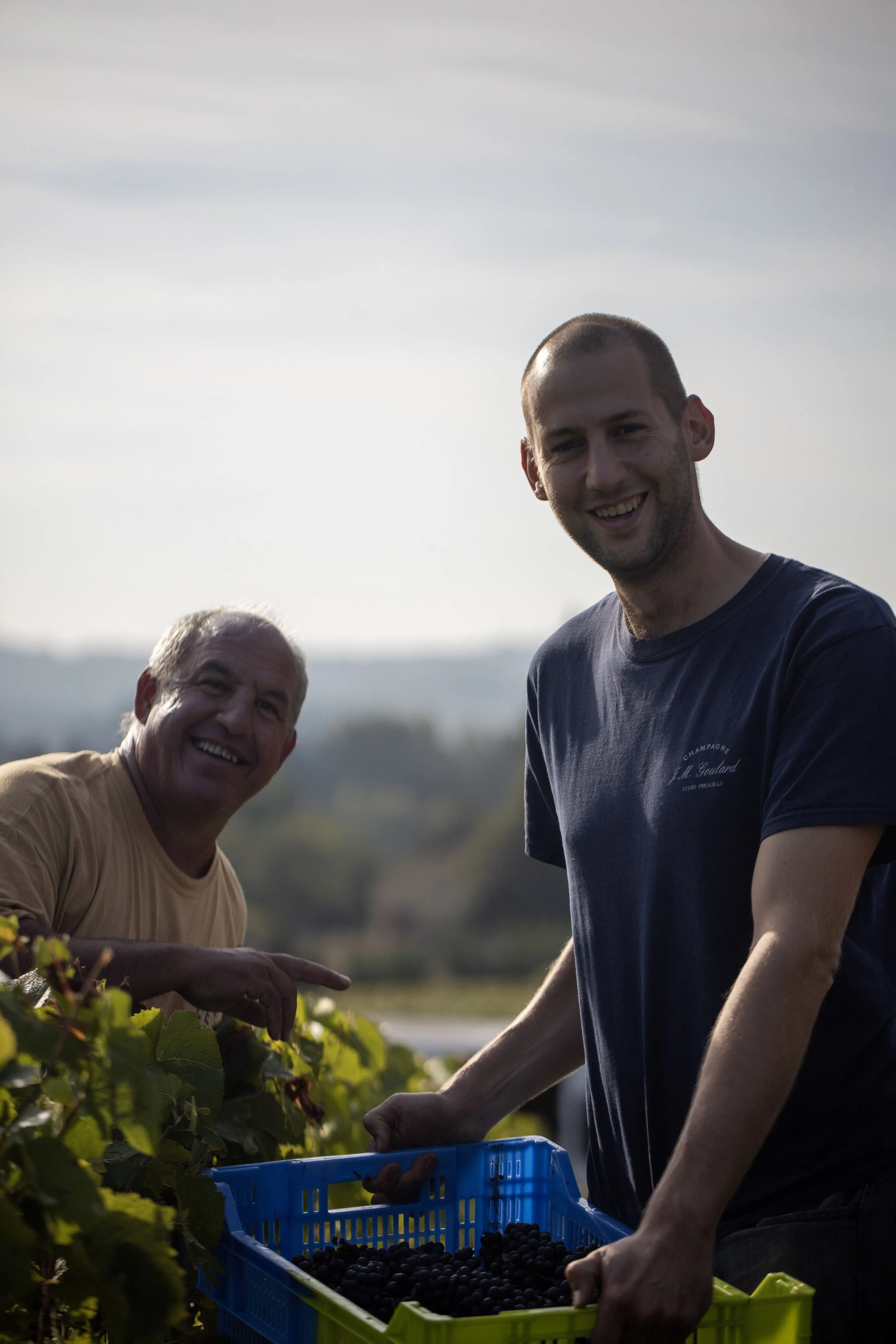
From farmer to estate identity
The story begins in the Massif de Saint Thierry, north of Reims. Damien’s grandfather was not originally a Champagne producer in the modern sense.
“They were just farmers,” Maxime explains. “You had a bit of animals, cereals, and also vines. But the vines were dedicated to the big names. To the cooperative.”
It was in the early 1970s that Jean Marie Goulard began shifting the focus toward estate bottling. Still, volumes remained small and much fruit was sold off.
The real transformation came with the third generation.
“The big change is Damien.”
After wine studies and internships abroad, including time outside France, Damien came back with a clear conviction.
After wine studies and internships abroad, including time outside France, Damien returned with a clear direction. He was convinced about organic viticulture early on, but the transition happened gradually as the estate evolved under his leadership. Certification was completed in 2021.
Today it covers around 7.5 hectares divided into almost 50 parcels. Production remains under 200,000 bottles annually. Slightly more than half is exported.
"If we go inside the soil, we have about two meters of sand. It is very compact and hard for the roots to go through. But it drains very well. After that we have clay, so it keeps water."
Sand, clay and structure
The Massif de Saint Thierry does not always receive the same attention as the Montagne de Reims further south, but its geology is distinctive.
“If we go inside the soil, we have about two meters of sand,” Maxime says. “It is very compact and hard for the roots to go through. But it drains very well. After that we have clay, so it keeps water.”

Sponsored banner from Wine Group
The vineyard is planted roughly 60 percent to Meunier, with the rest Chardonnay and Pinot Noir.
The sand gives lift and drainage. The clay provides reserve and stability. In certain parcels, especially under Chardonnay, limestone appears deeper down.
"Meunier has a big and important role in Champagne nowadays. For many years it was not seen as premium like Chardonnay or Pinot Noir. But now Meunier is really on the spotlight."
Meunier in the spotlight
Meunier is not treated as a secondary grape here.
“Meunier has a big and important role in Champagne nowadays,” Maxime says. “For many years it was not seen as premium like Chardonnay or Pinot Noir. But now Meunier is really on the spotlight.”
At J.M. Goulard, that shift is not about fashion. It reflects the vineyard reality. With around 60 percent of plantings dedicated to Meunier, the grape naturally defines the house style.
“We believe Meunier brings fruitiness and approachability. Pinot Noir brings structure to the body. Chardonnay gives acidity. The three together work very well. But if we isolate each of them, we also get great results.”
One of the estate’s smaller cuvées is a 100 percent Meunier aged in oak for up to six years.
“It’s more like Champagne for big occasions. A dining Champagne. Something that you bring to the table, more than having it on the menu by the glass.”
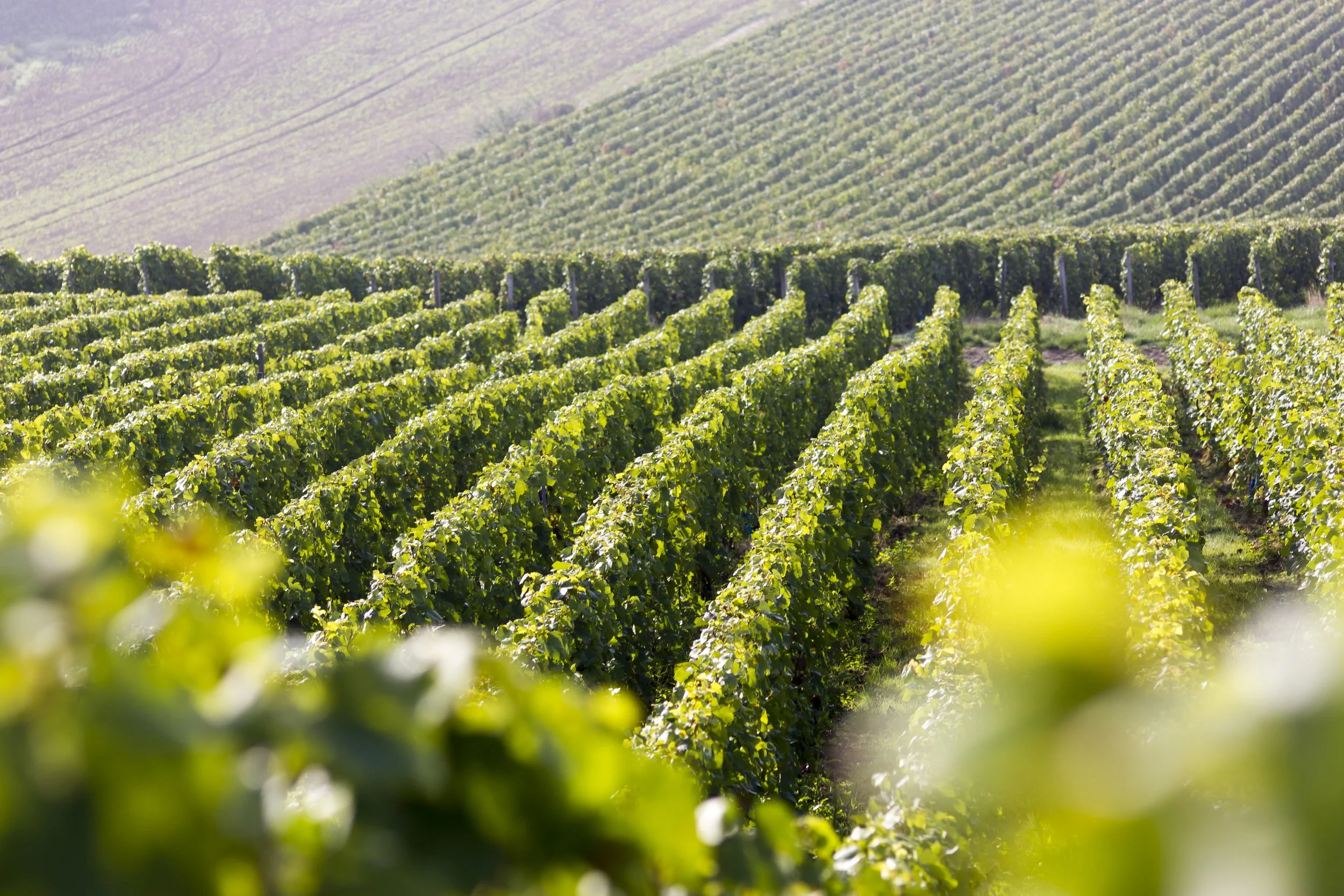
Image: Champagne J.M. Goulard
Organic farming and adaptation
Climate volatility has made vineyard work more demanding.
“Now the seasons are way different than they used to be,” Maxime says. “Winters are not the ones we knew before. They can be very poor, but they can also be unexpectedly warm, which means the plant becomes active earlier and the buds open sooner than in the past. We also see more rainfall than we used to have, and when storms come they are more violent. Frost can still appear in spring, and that is very dangerous for the plant.”
“The pruning is different than it used to be. We work the soil deeper but also gentle. We also do leaf management differently, to not have too much sun. We do not want the ripeness to be too early.”
Organic farming here is not presented as philosophy alone, but as a practical adaptation to long term vineyard health.
Precision in the cellar
In the cellar, the same focus on control and restraint continues.
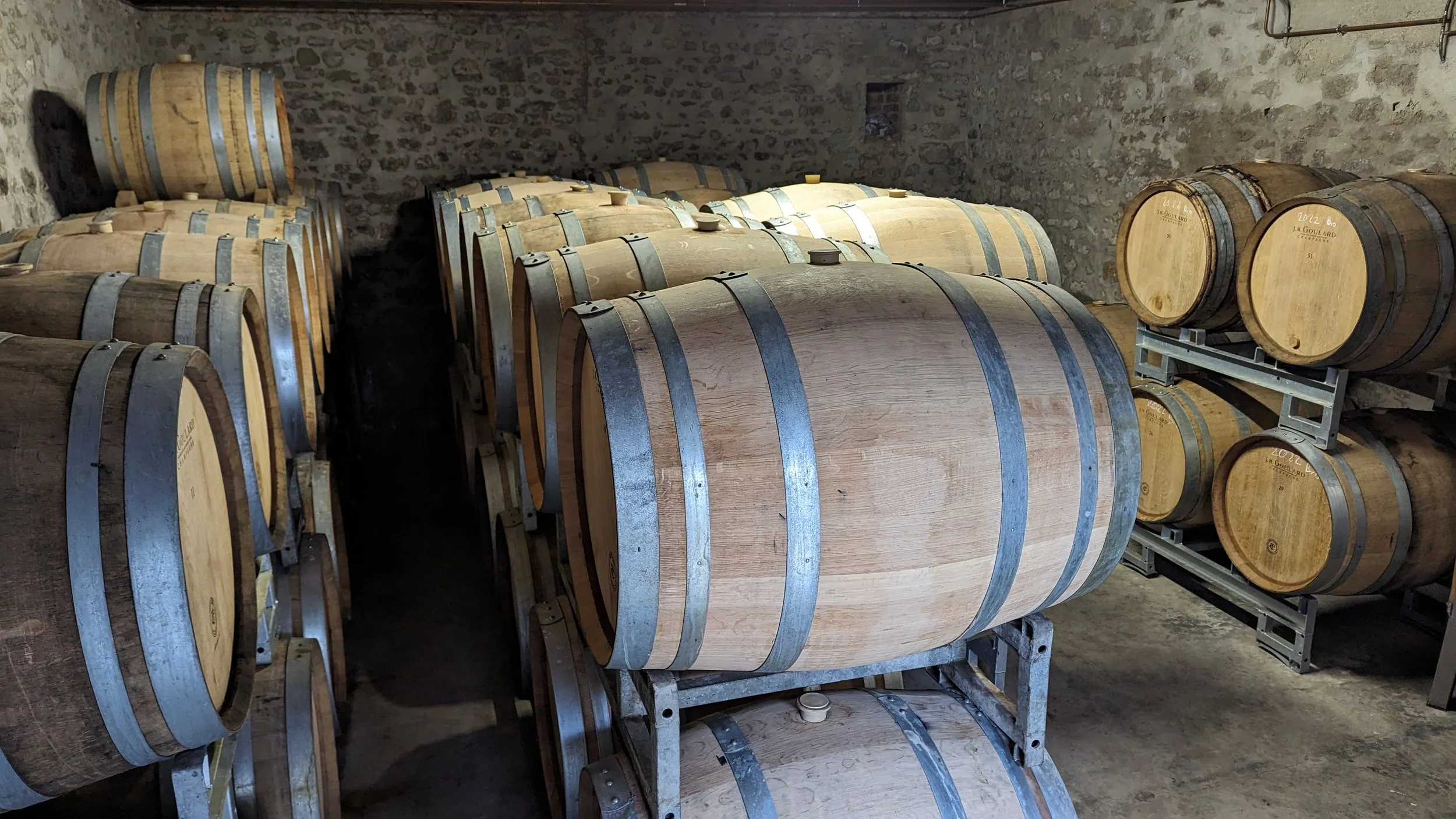
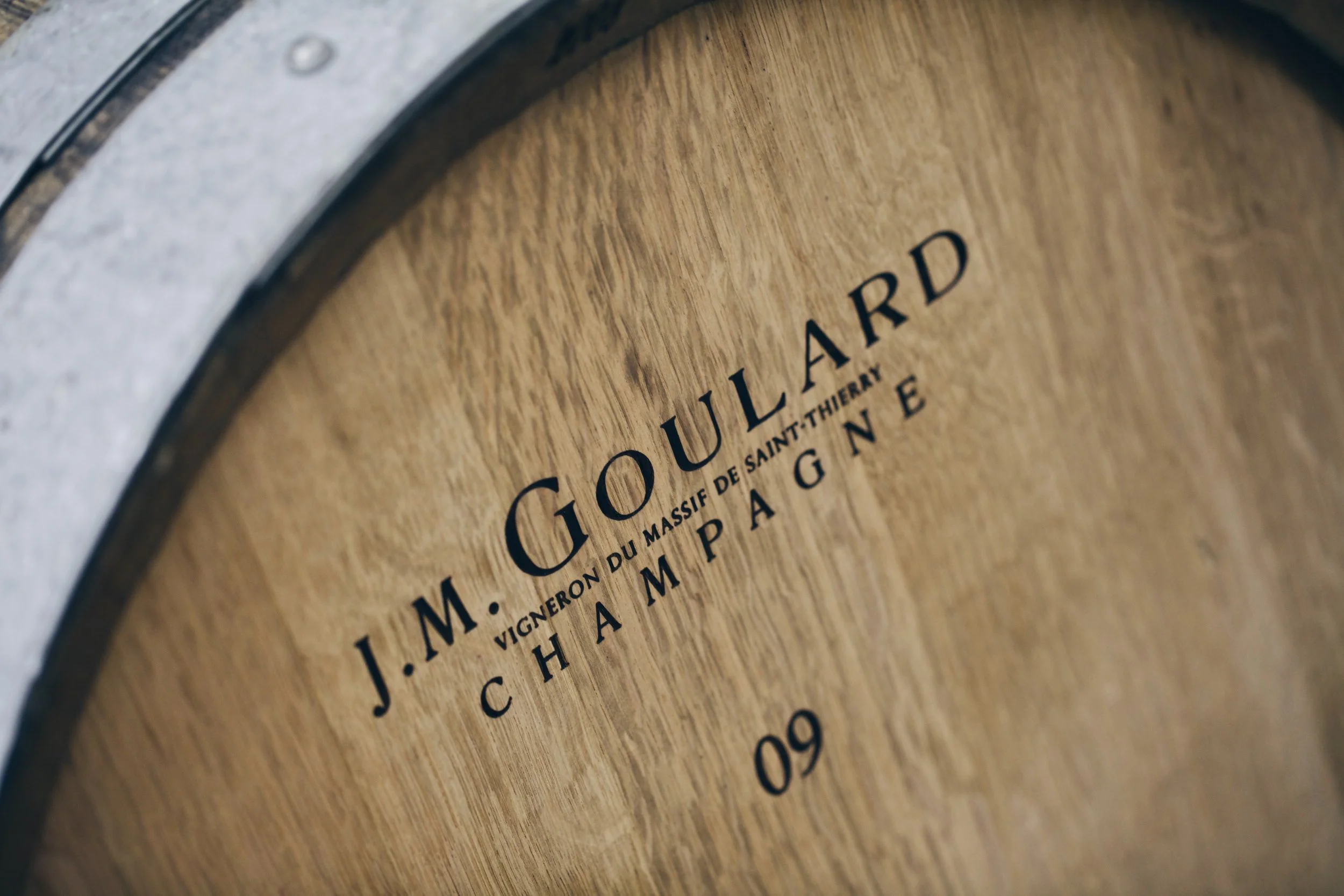
“We do not want to hide it too much with wood,” Maxime explains. “We use wood, but not new oak. We use barrels for four wines or more. The rest is stainless steel to keep the freshness.”
Parcel separation is important. Different plots are vinified individually before blending decisions are made.
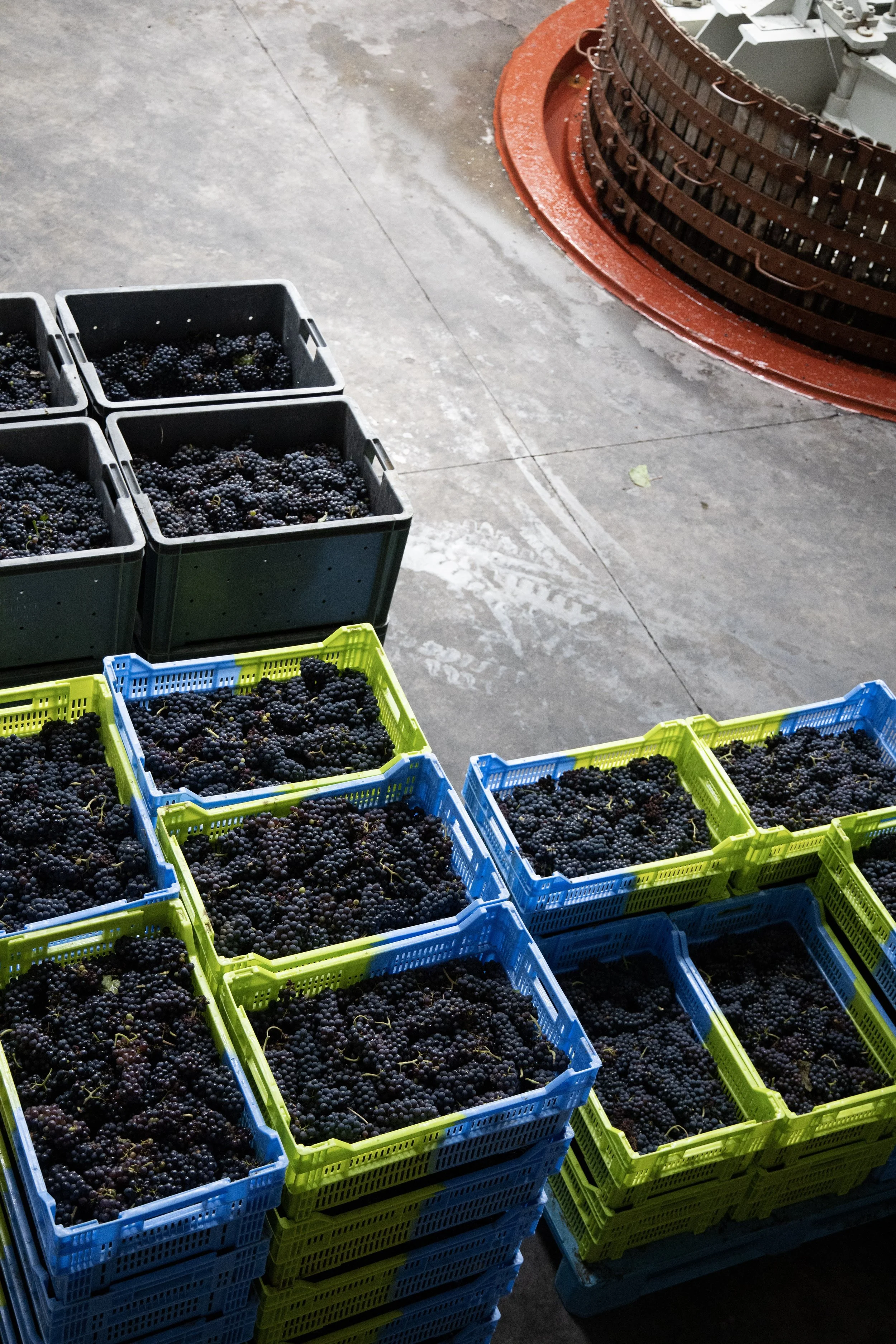
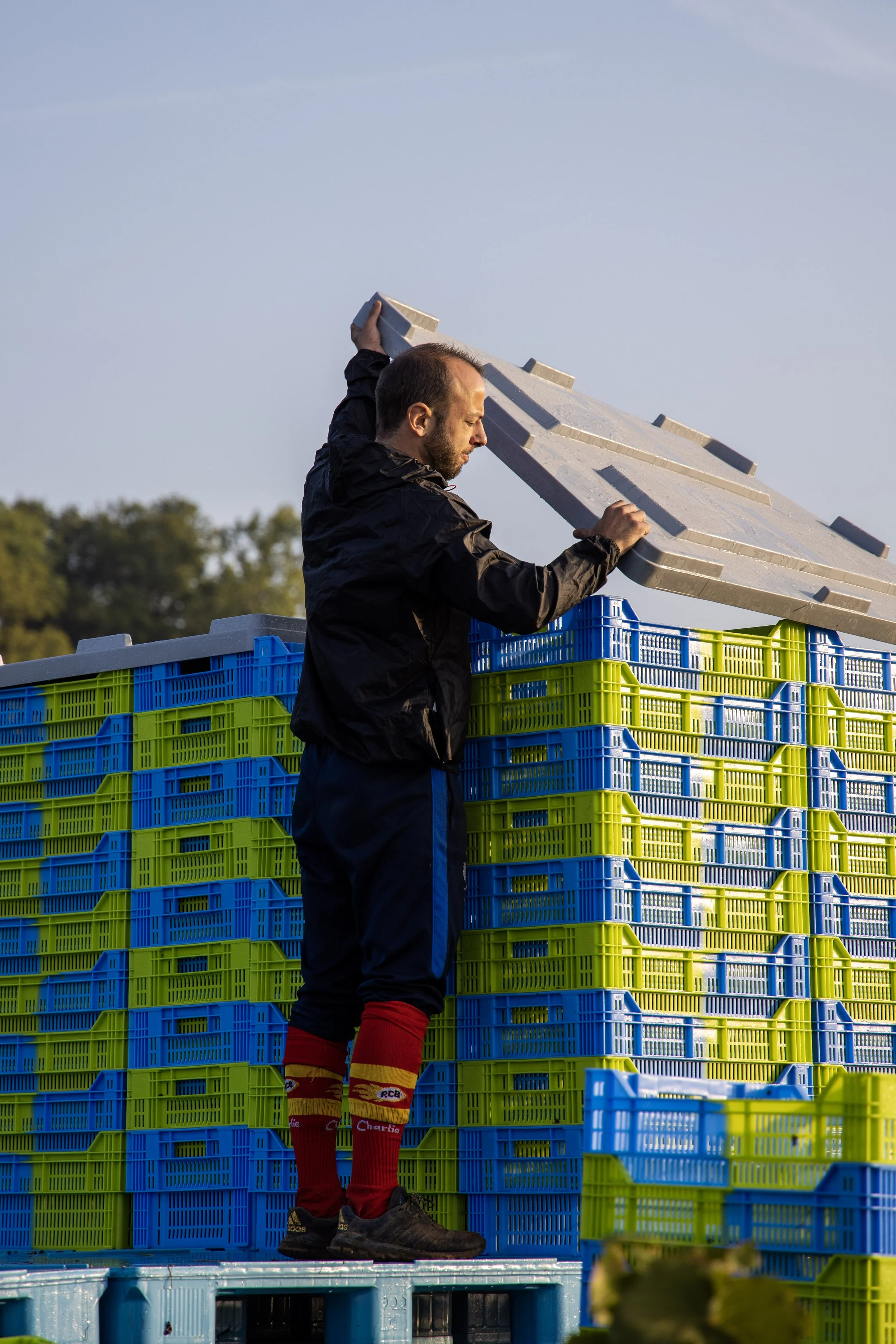
Harvest is fully manual.
“We harvest in boxes of 17 kilos. That helps to not have too much pressure and not lose too much juice.”
This attention to detail reflects a broader principle.
“We are playing a full transparent page with the end consumer.”
Rather than using marketing language, the estate provides detailed back label information including grape percentages, dosage levels and ageing choices.
Built for gastronomy
For Maxime, Champagne has evolved far beyond celebration only.
“I remember my family used to enjoy Champagne just to cheers at the end of dinner. Now you can do a full five course dinner with Champagne.”
He sees strong alignment with markets like Denmark.
“Consumers here are more into details in what they are consuming.”
When asked about food pairings, his answer is immediate.
“I love raw fish or Japanese food with Champagne. When you have the right bottle that fits with sashimi, it is one of the best pairings I have faced.”
"Consumers are seeking more honesty. More craft product."
Grower Champagne and honesty
The broader trend toward grower Champagne is clear to him.
“Consumers are seeking more honesty. More craft product.”
He notes that after Covid, people began travelling to regions, meeting producers, and looking beyond the grandes marques.
“They want to know who we are and how we take care of our vines.”
For J.M. Goulard, this is not about rejecting the big houses. It is about offering another layer of Champagne. A layer defined by parcels, soil depth and deliberate dosage.
As Maxime says:
“We do not hide anything.”
And perhaps that is what resonates most with sommeliers today. Not just fruitiness, structure or acidity. But a clear articulation of how those elements are built, from sand and clay upward.