Bruno Paillard & the Discipline of Transparency
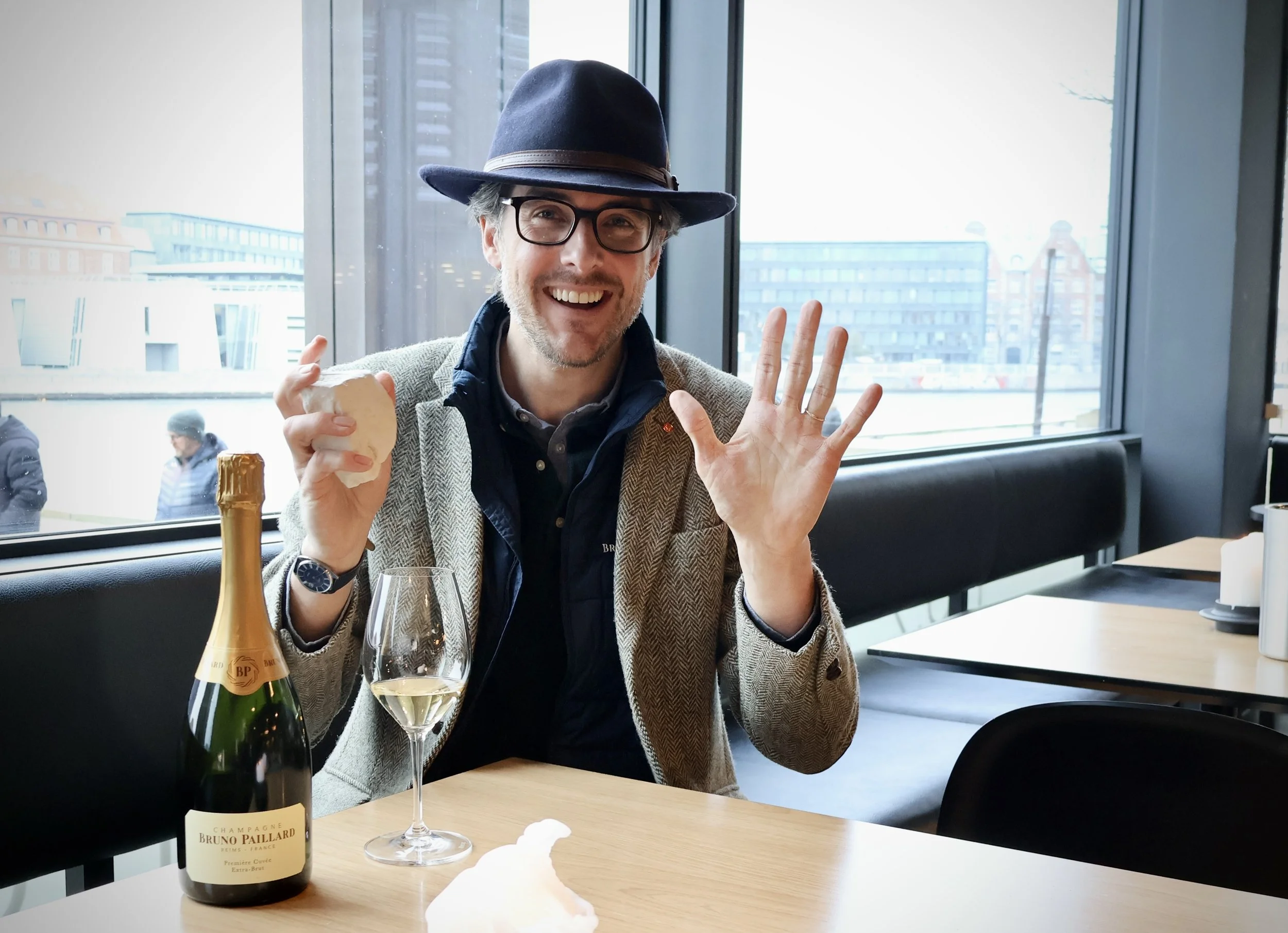
Pierre-Jules Peyrat. Photo: Ronja Bo Gustavsson, DSF
I met Pierre-Jules Peyrat at No. 2 about an hour before he was scheduled to hold a masterclass, while the room was still settling into a pre-tasting state. He arrived smiling, talking, and immediately present. Within a few minutes, it became clear that Champagne is not simply something he works with. It is something that has shaped him. He speaks about it as if it were alive, as if it were something that needs to be explained, protected, and sometimes defended.
Pierre-Jules Peyrat is the Export Manager at Champagne Bruno Paillard, a role that seems less like a title and more like a natural extension of how he thinks and speaks about Champagne. Thank you to our Gold Sponsor Wine Group/ Theis Vine for arranging the interview.
I had prepared questions, but it quickly became clear that this would not be a conversation built on short answers. Pierre-Jules does not speak in fragments. He builds ideas slowly, returns to them, and connects them to larger contexts. Champagne Bruno Paillard, in his telling, is not a brand story but a long reflection on what Champagne can and should be.
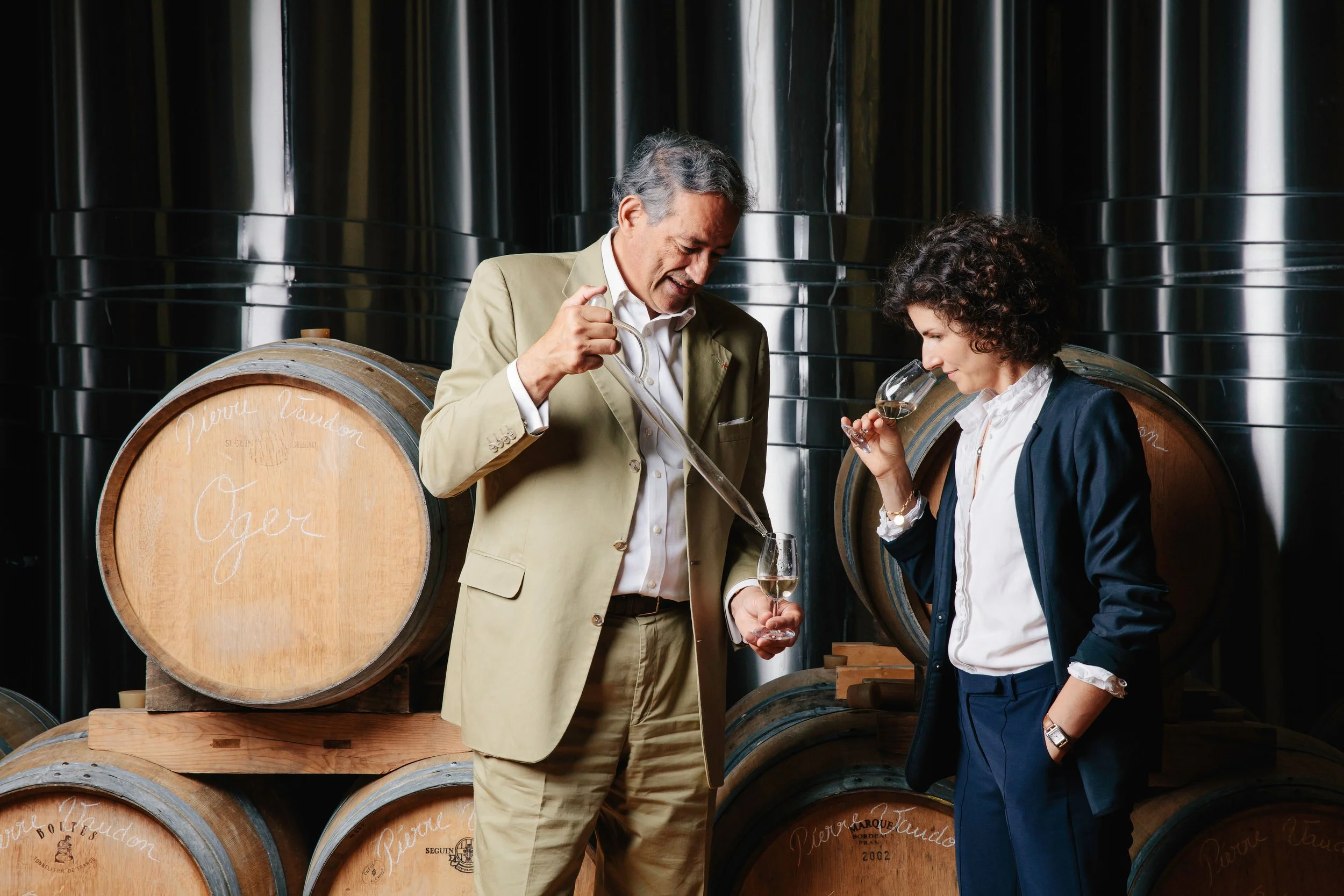
Image: Bruno Paillard and Alice Paillard. Alive joined her father in January 2007 and is now in charge of the family business, having worked for a year in the vineyards and in the cellar, and a further four years dedicated to export sales development. Image: Bruno Paillard
A House born without vineyards
Champagne Bruno Paillard is a young house by Champagne standards. Founded in 1981, it stands apart in a region where history is often measured in centuries. I asked Pierre-Jules about the founding principles, and he immediately went back to the very beginning.
“Back in the day, Bruno was in his twenties with his parents and was left in the region with no land, no vineyard,” he said. “But his family, his grandparents, they were already part of Champagne. His granddad, Rémy Paillard, was based in Verzenay, on the north face of the Montagne de Reims. The Paillard family was known as a grower family going back to the eighteenth century. The name Paillard was already known in Champagne. The roots were everywhere.”
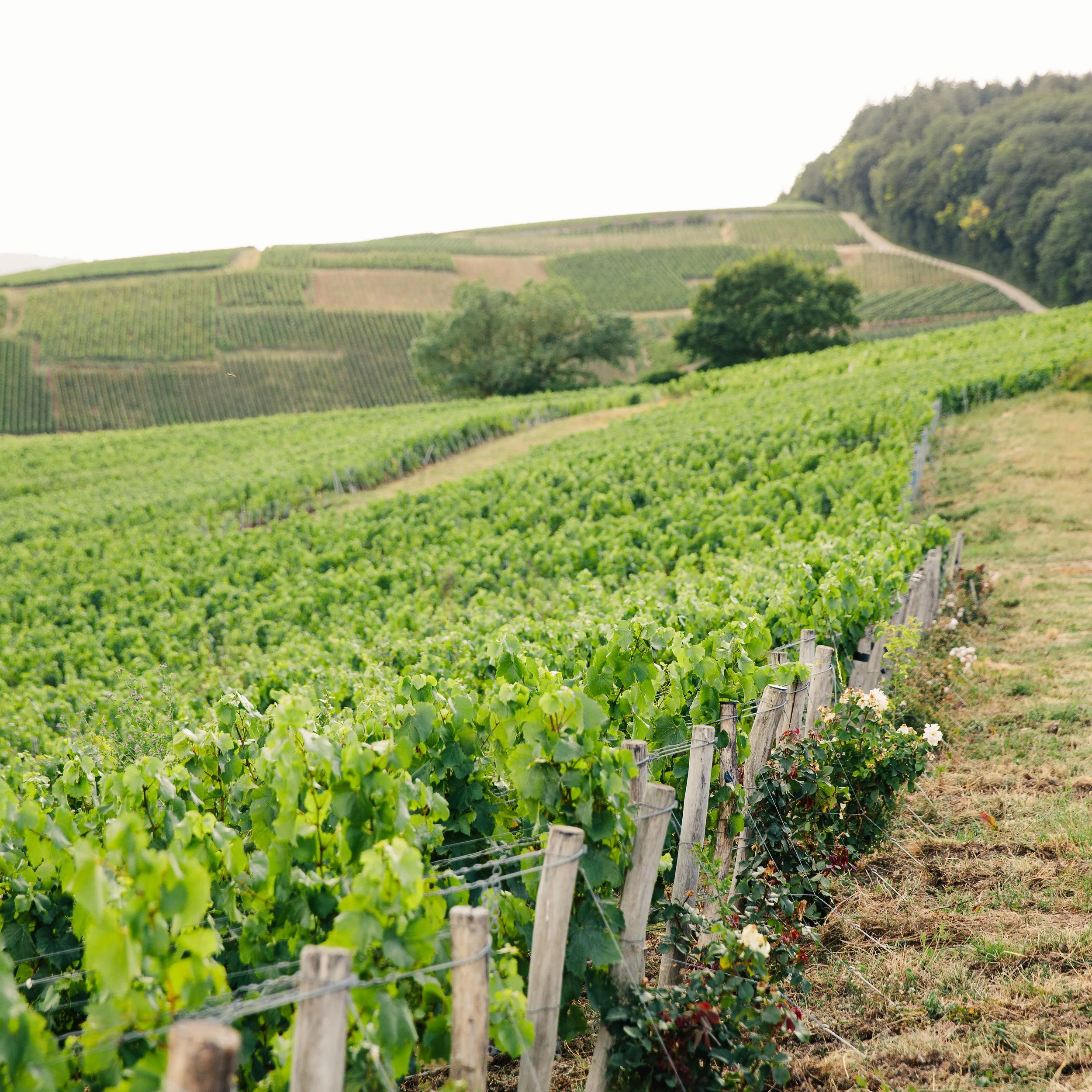
Image:Bruno Paillard
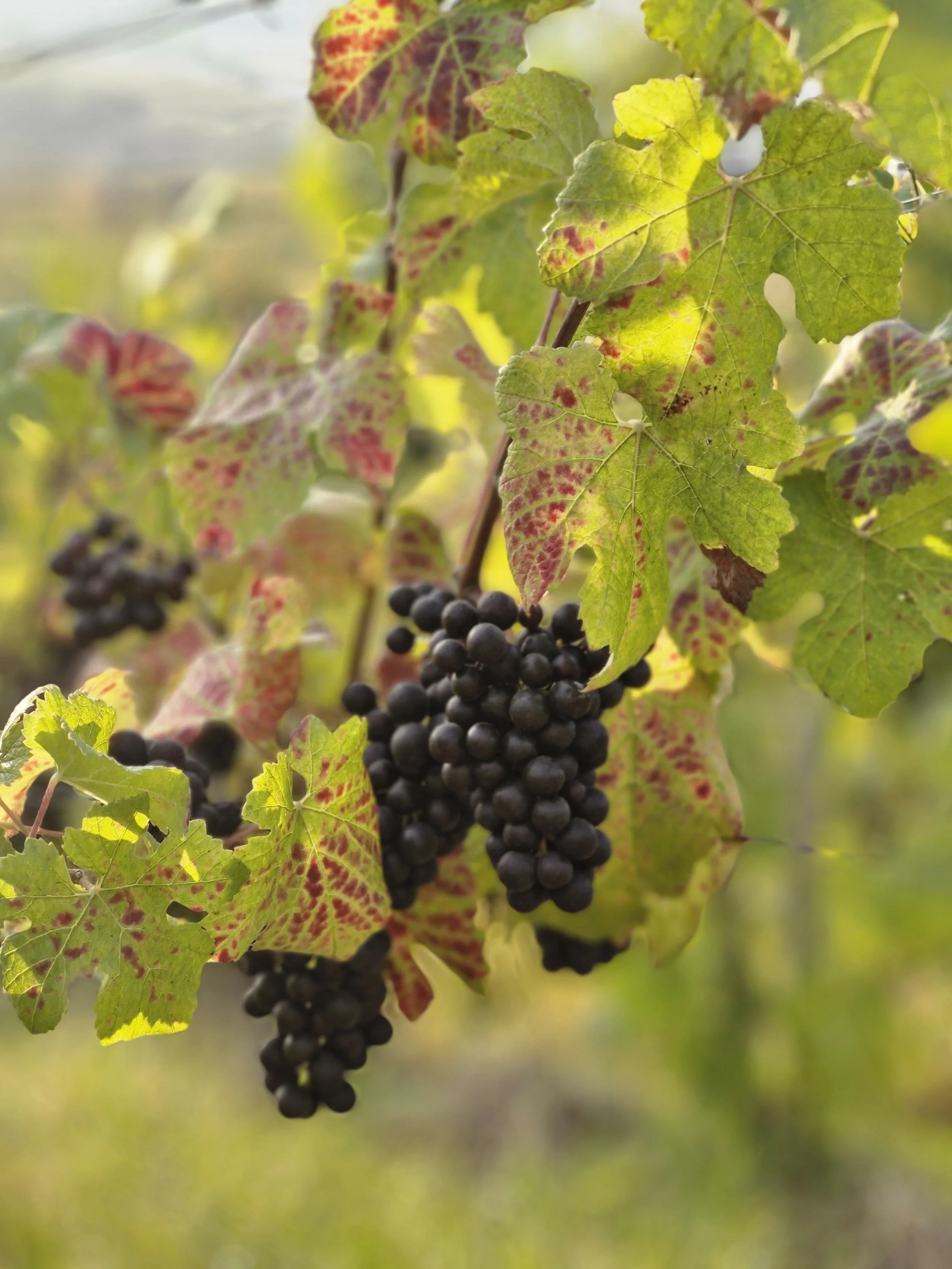
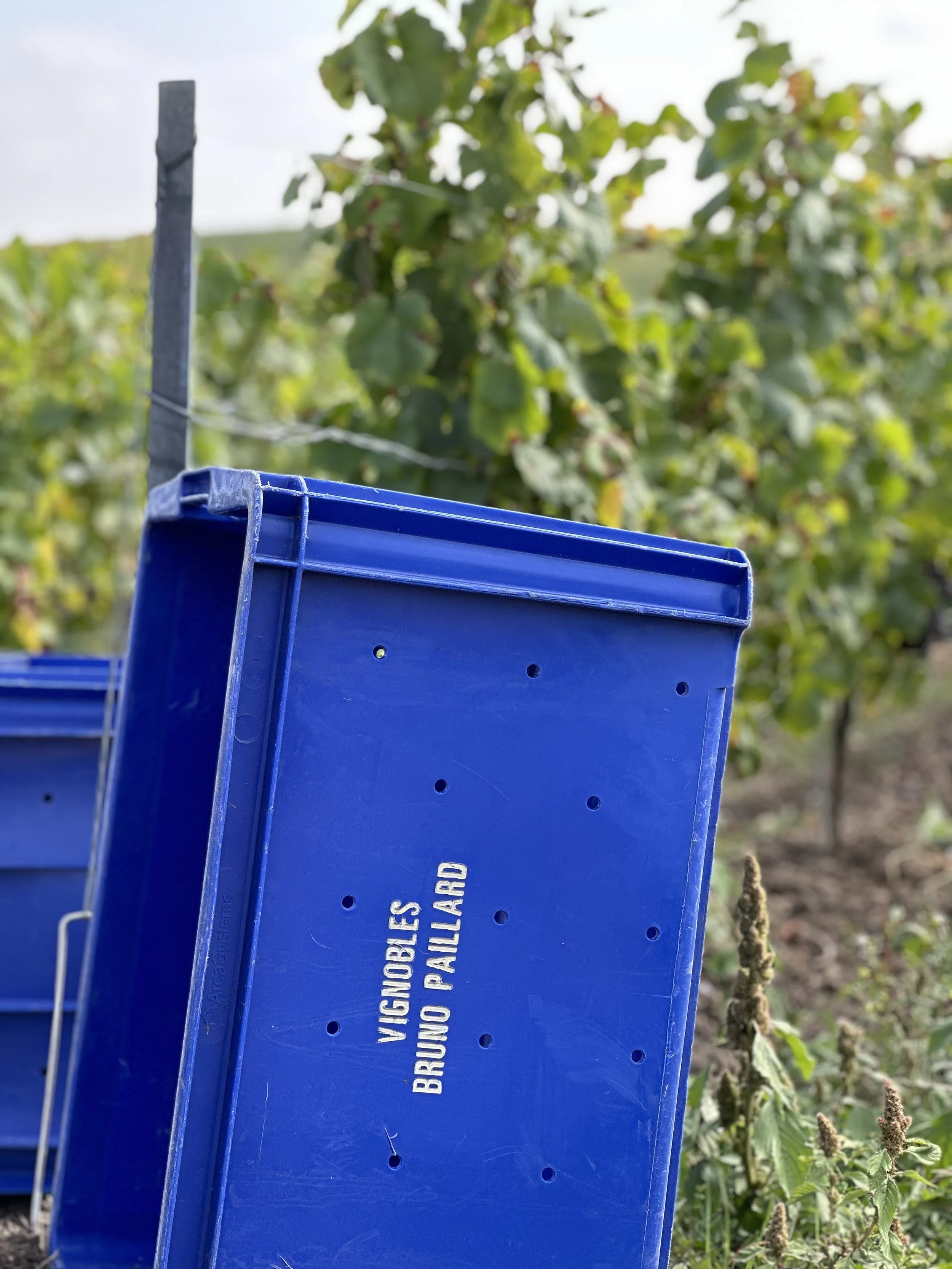
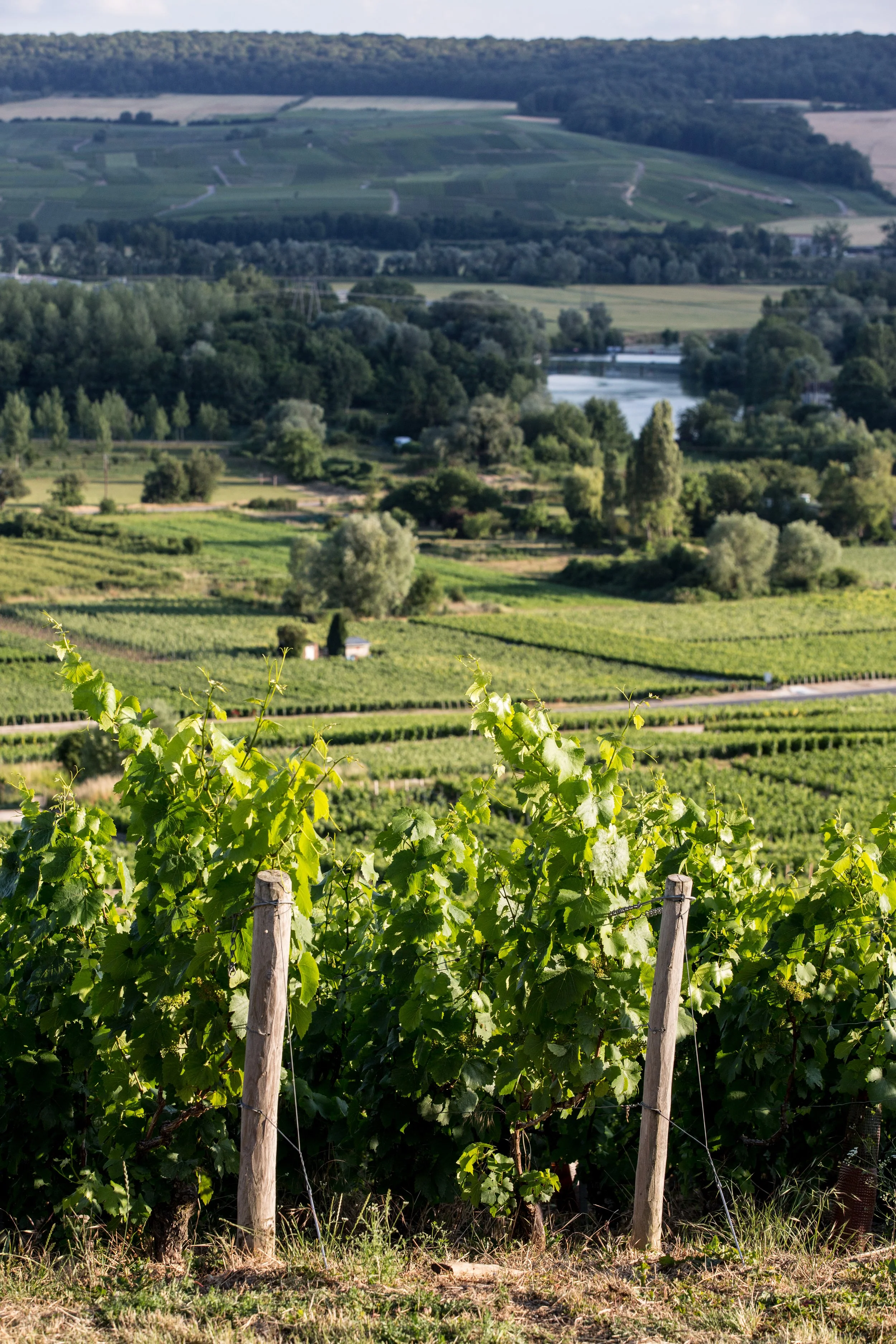
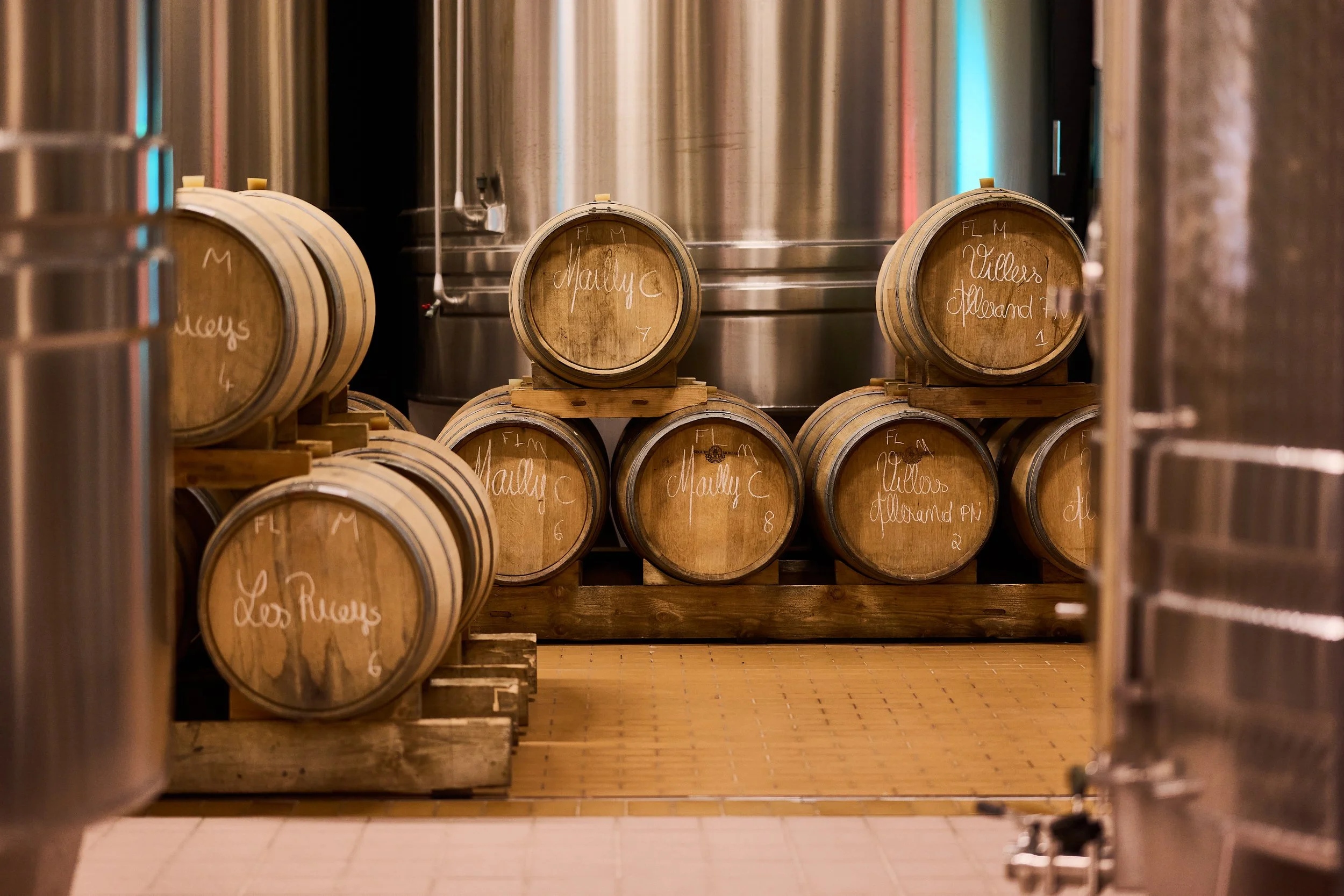
When the family heritage was passed on, the vineyards went to another side of the family. Bruno and his parents were left without land, but Pierre-Jules insisted this was not a disadvantage.
“That was not a bad story at all, because Bruno and his parents were brokers. They were the middlemen between growers and houses.”
This position gave Bruno a unique education. Through his work as a broker, he travelled throughout Champagne, tasting and sourcing grapes for some of the most important houses in the region.
“They were asking Bruno’s parents and Bruno to tour all over Champagne to find the best quality Pinot Noir, Meunier, and Chardonnay, following those great houses’ requirements, leading Bruno to better understand which village, which soil, which exposure, which quality would please them.”
Through this work, Bruno learned Champagne not as a single place, but as a mosaic of expressions.
“This allowed him to understand the whole diversity of Champagne. How Chardonnay from Ambonnay, south-east facing on the Montagne de Reims, and Chardonnay from Avize, south-east facing on the Côte des Blancs, are two totally different versions of the same grape. And that’s where Bruno started to understand how diversity drives the Champagne area, and how blending can bring complexity to the wines.”
Sponsor banner from our gold sponsor Wine Group/ Theis Vine
"People had money, they wanted pleasure and everything was built to fulfil that pleasure quickly."
The 1970s and the loss of wine identity
This deep understanding of Champagne met a very particular moment in time. Pierre-Jules described the Champagne of the 1970s as a landscape very different from what we know today.
“In the seventies, Champagne was not at all what it is today. People were producing fast, harvesting early, keeping wines a short time on lees, with higher sugar content. Champagne was made fast to be consumed fast.”
Early harvesting often led to lack of maturity, which was compensated for by sugar. Champagne became something opened to mark an occasion, rather than something tasted and discussed as a wine.
“You’re no longer in the perception of a wine from Champagne. You are way more into this idea of Champagne as a fast celebration artefact, which is great to have too and keeps pleasing some people.”
This period coincided with the decades after the Second World War. The mid-century generation experienced the post-war economic boom, when purchasing power increased and people wanted to celebrate life.
“People had money, they wanted pleasure, and everything was built to fulfil that pleasure quickly.”
For Bruno Paillard, this development created a distance between Champagne and its identity as a wine.
“What Bruno was thinking is the opposite. He wanted to get back to a wine perception of Champagne. Not talking about effervescence only; talking about terroir and how to put it forward in full transparency from the grass until the glass.”
Pierre-Jules was careful to define what he meant by terroir.
“Terroir is not only soil, topography, and climate. People forget something very important: the human being. The vinegrower is part of the terroir: philosophy, fingerprint, vision.”
From experimentation to emotion
Long before Champagne Bruno Paillard officially existed, Bruno was already experimenting. Working closely with growers, he sometimes saw opportunities to set aside small barrels that would allow him to start his own bottling, as a personal exploration driven by curiosity rather than commercial intent.
Considering the Champagne landscape as a palette of colours to play with, he wanted to show it on the label, as an emotion seen through a unique art edition.
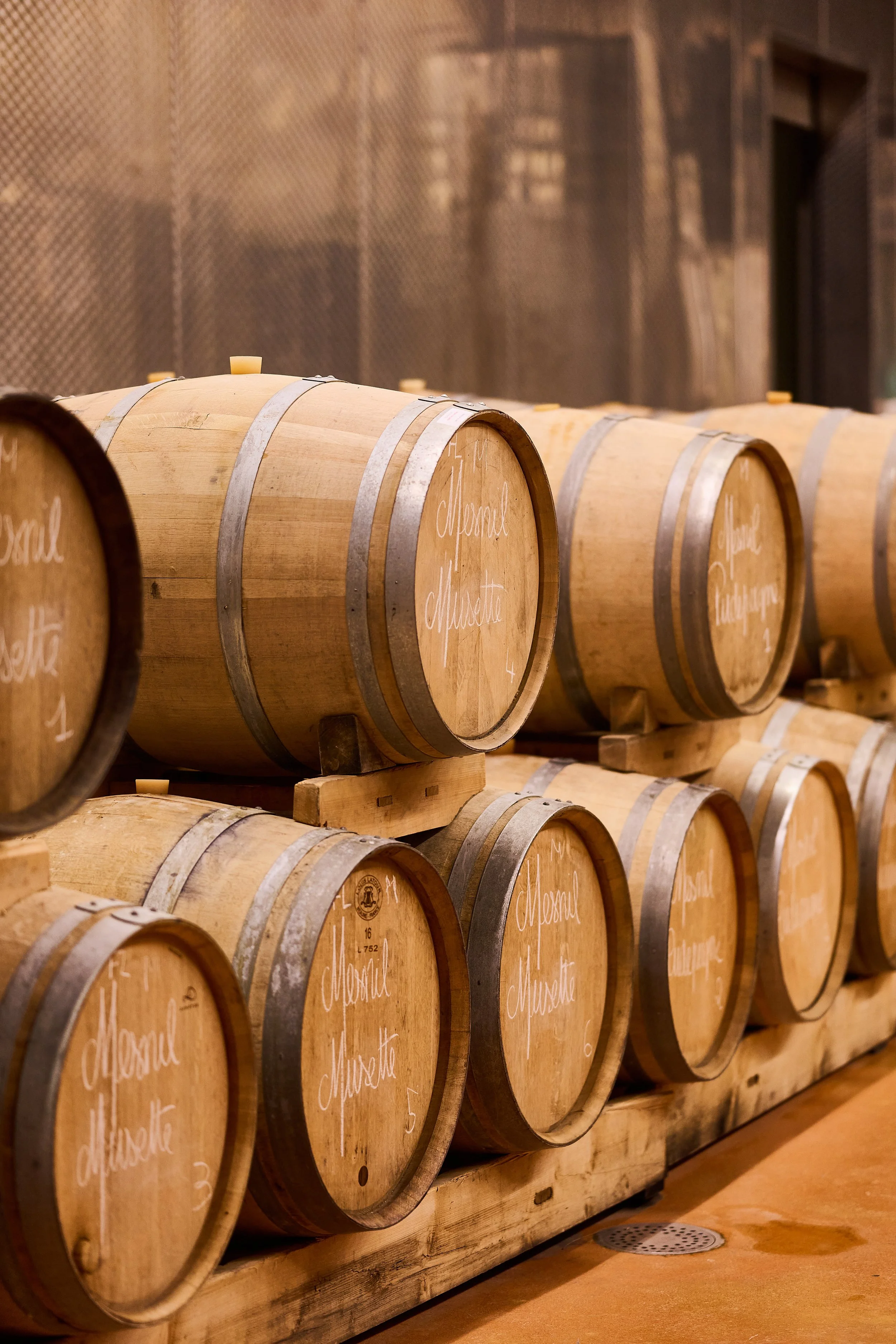
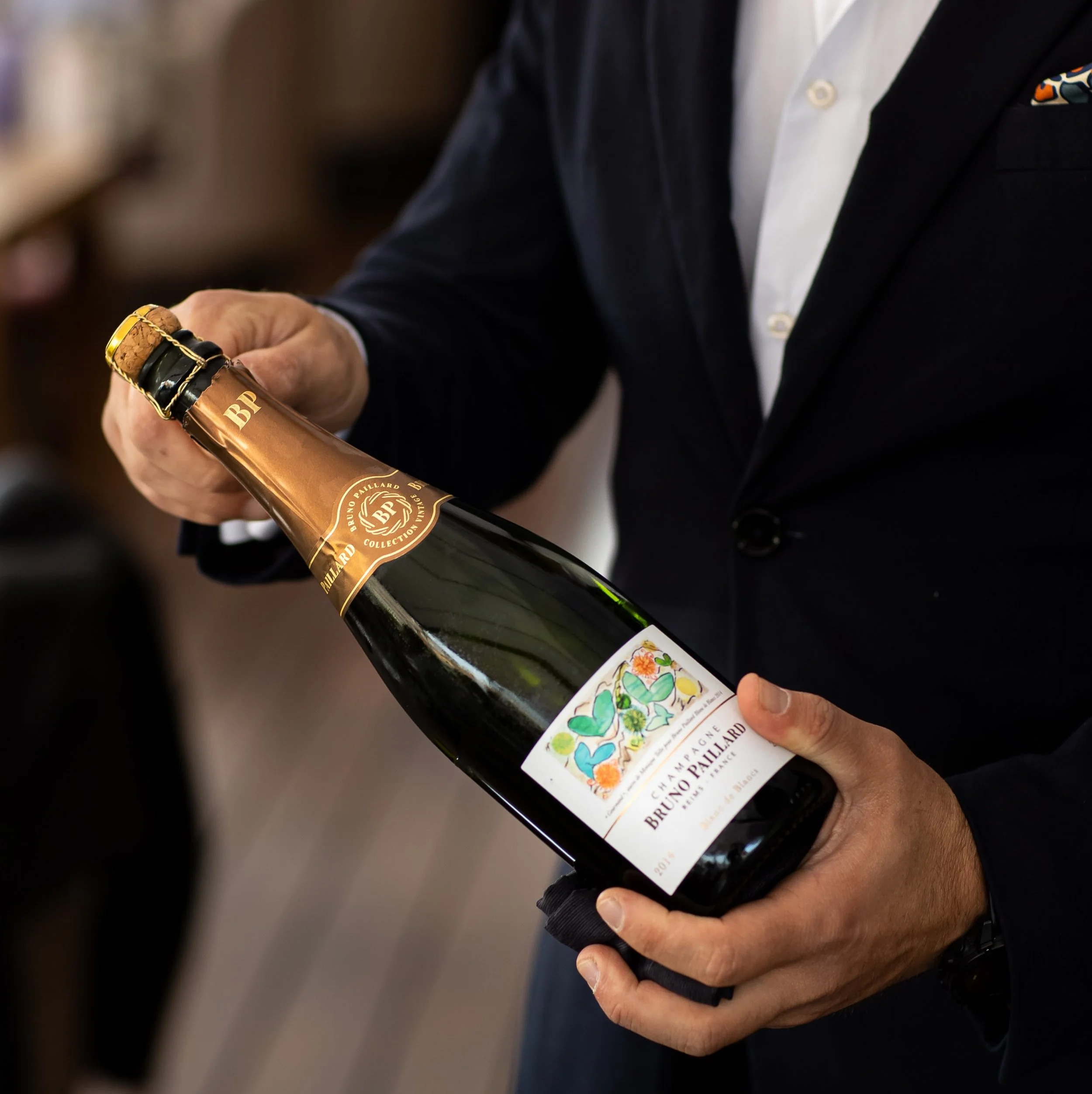
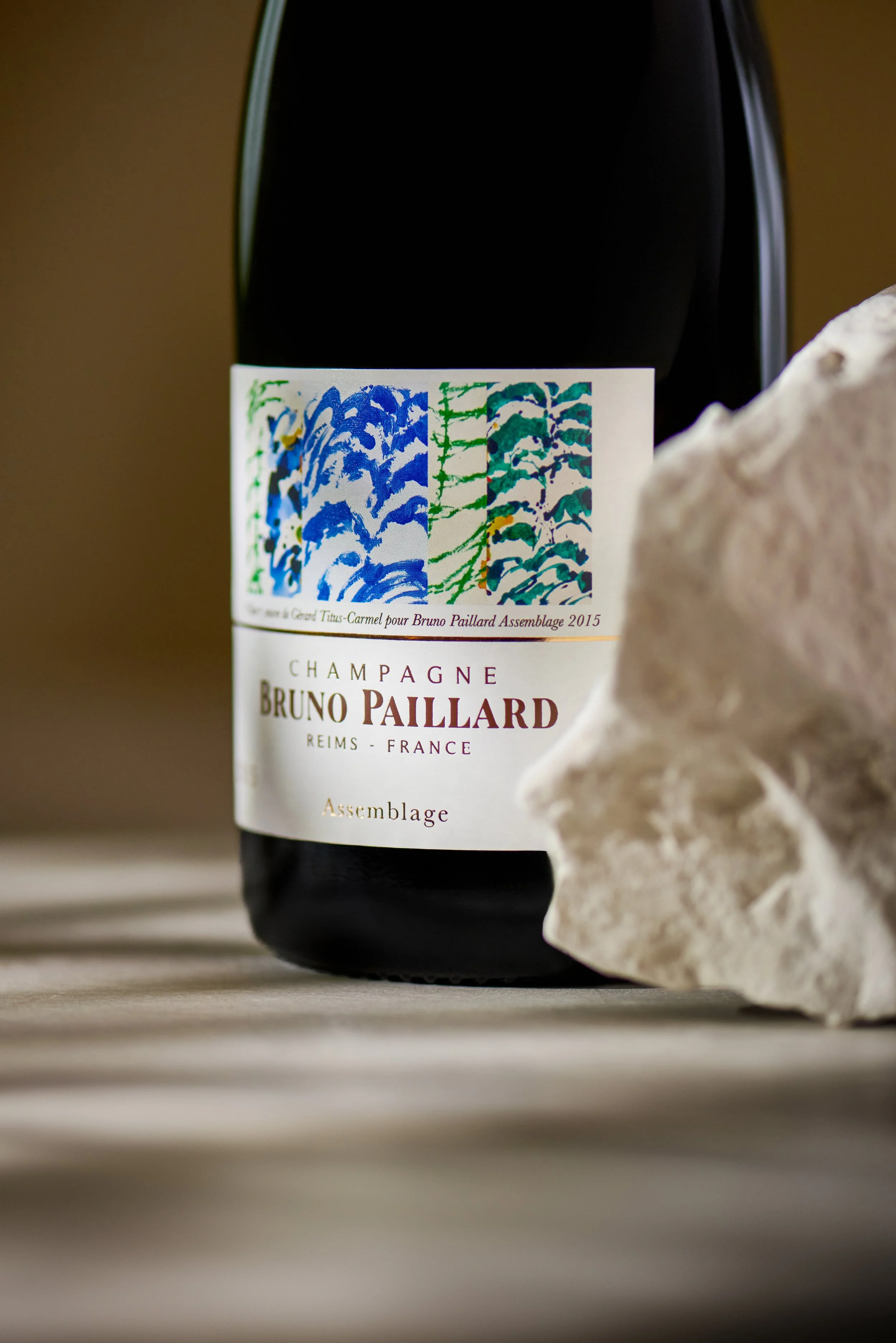
The Artist Collection was born. Bruno Paillard wanted to personalise his vintages and express their essence on the bottle label not just through the legally required information, which he considered somewhat austere but through a graphic message. A message understandable to connoisseurs but also subconsciously grasped by everyone else. Once the theme has been chosen after tasting the vintage, Bruno Paillard considers which artists could graphically translate the selected theme.
The result is expressed in a unique, in-house gallery, showcasing a diverse range of works, whose richness is fuelled by its very diversity.
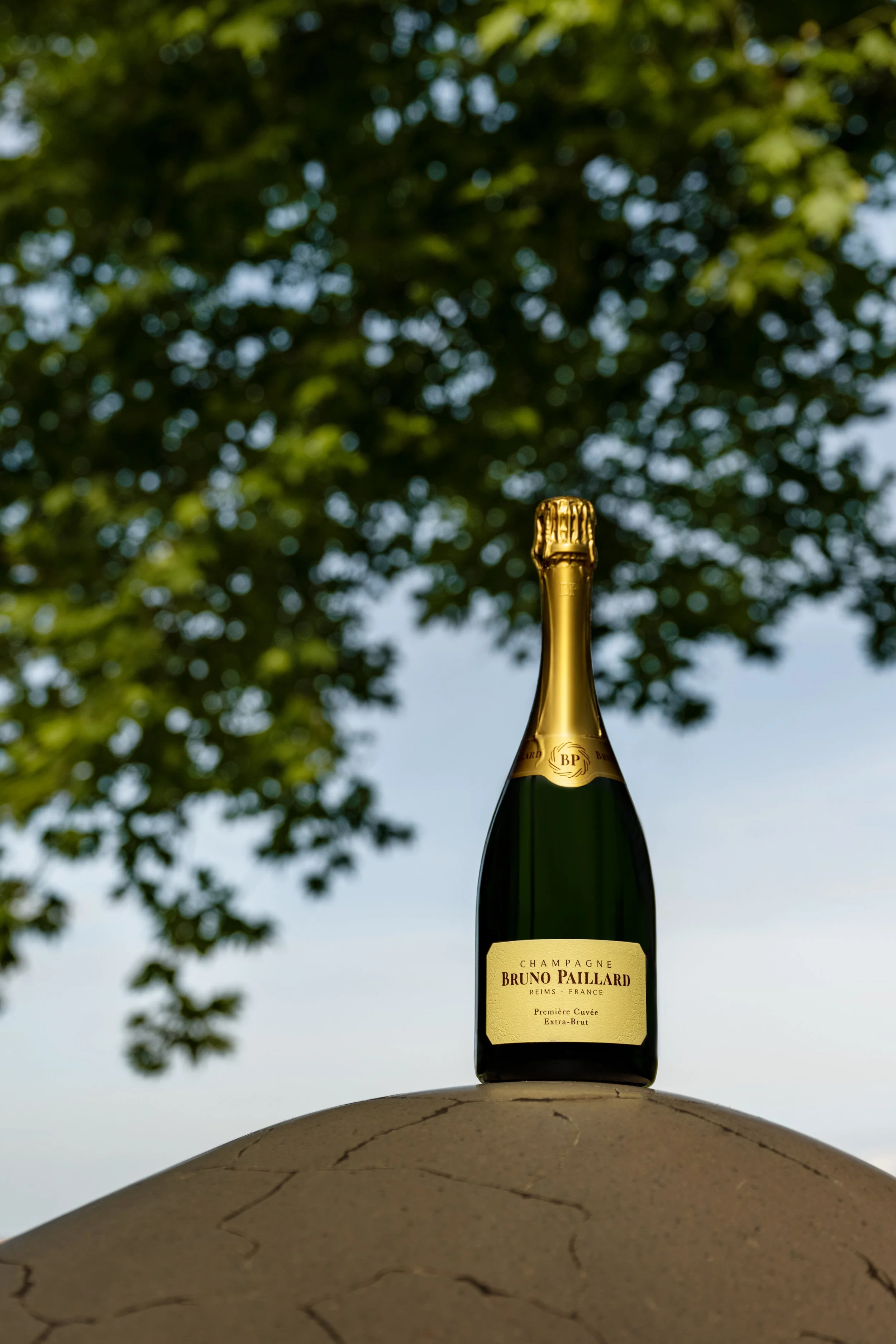
These wines existed outside the formal framework of the house, which later sometimes caused confusion, because only in 1981 did Bruno Paillard formally define the structure of the house, with Multi-Vintage Première Cuvée as his very first known project.
“That’s when he determined the long list of requirements for starting the House Bruno Paillard.”
"We were the first in Champagne to put so much information, such as the disgorgement date, on the back label. And other producers were complaining."
Transparency before it was acceptable
One of the most striking aspects of Pierre-Jules’ story is the importance of transparency. Today, transparency is a word used widely in wine but in the 1980s it was far from accepted.
“We were the first in Champagne to put so much information, such as the disgorgement date, on the back label,” Pierre-Jules said. “And other producers were complaining.”
The reaction was strong. Many believed consumers would misunderstand the information.
“They were telling us, ‘You’re going to put misgivings on the market. People will think the disgorgement date is a best-before date, a vintage date, telling how old and not appealing it could be for the consumers.’”
"Disgorgement is like a surgical operation. At the winery, we say ‘operating,’ because after that the wine needs time to recover."
“Our message is very simple. We talk to epicurean people who feel they can better enjoy wine if they better know what is inside their bottle. The disgorgement date is a birth date. When I’m disgorging my wines, I’m hurting my wines.”
Pierre-Jules described disgorgement as a shock to the wine.
“These wines have spent years in their own atmosphere: alive, protected, evolving slowly. Disgorgement is like a surgical operation. At the winery, we say ‘operating,’ because after that the wine needs time to recover.”
This thinking led to what he calls double maturation: first on lees, and then after disgorgement, allowing the wine to regain balance, then gain a new aromatic journey.
He described the aromatic evolution of the wines after disgorgement as a sequence of long chapters, each separated by four years, moving from fruit to floral notes, then to toast, spice, and finally roasted aromas.
“It’s a long story,” he said. “And that’s why time is so important for us before and after disgorging, in the service of taste.”
Champagne as a gastronomic wine
When I asked Pierre-Jules about the idea of Champagne Bruno Paillard as a gastronomic Champagne, his answer was long and very precise.
“All these wines were made to be eaten with. The most important thing for me is saliva creation. If it creates saliva, it gives you the will to eat more and drink more.”
At home, Champagne is never drunk in isolation. Pierre-Jules described a setting where wine, food, and conversation belong together, often in a simple way.
“For us, Champagne only makes sense in a gastronomic context, even if the food is very simple, because the wine shows its true character when it is part of a meal.”
In the early years, this approach was understood mainly by chefs and sommeliers. For several years, Champagne Bruno Paillard was not known in France as much as it was outside.
“Our first markets were Belgium, Germany, Switzerland, and Great Britain.”
The turning point came when Joël Robuchon spoke about the wines in Le Figaro in the late 1990s.
“That anchored us in gastronomy,” Pierre-Jules said. “But these are not made for Michelin-star places only. These are made with passion for passionate people.”
"Denmark is extremely mature. The level of curiosity here is very high."
Denmark through French eyes
As Export Manager, Pierre-Jules travels constantly and when he spoke about Denmark, his tone was clearly respectful.
“Denmark is extremely mature,” he said. “The level of curiosity here is very high.”
He spoke about partners such as Theis Vine and Champagnekælderen, about the strong presence of grower Champagne and about a market that values quality and knowledge.
“You don’t need lobster and caviar. Champagne with crisps is perfect.”
For Pierre-Jules, Denmark represents a kind of paradox: strong people and delicate plates, earth and sea meeting on the table, and a food culture that values precision and restraint.
“You have one of the highest levels of curiosity that I see anywhere,” he said.
Later in the conversation, I asked him about house style. He called it an old-fashioned question, particularly in today’s wine language, but said that was exactly why he liked it.
“I have two words,” he said. “And I love this. Tension and texture.”
He did not try to define them immediately. Instead, he spoke around them, returning to ideas that had already surfaced earlier in the conversation. Tension, for him, is rooted in chalk, in soil, in places that impose restraint rather than generosity. Texture is what happens in the mouth: the density and tactile presence of the wine, the sense that something is there without ever becoming heavy.
“Where tension meets texture,” he said, “that’s our goal.”
When Pierre-Jules spoke about tension and texture, it did not feel theoretical. You could see the same balance in the way he dressed. His style was rooted in tradition, with the fedora and its small feather, the wool blazer, and the lace-up boots. Details that could belong to a French pheasant hunter in the countryside. At the same time, the colours, the way the clothes were worn, and how comfortable he seemed in them made everything feel modern rather than nostalgic. In a very simple way, his appearance reflected what he described in the wines: structure and discipline combined with ease, warmth, and something lived-in.
Masterclass & Tasting
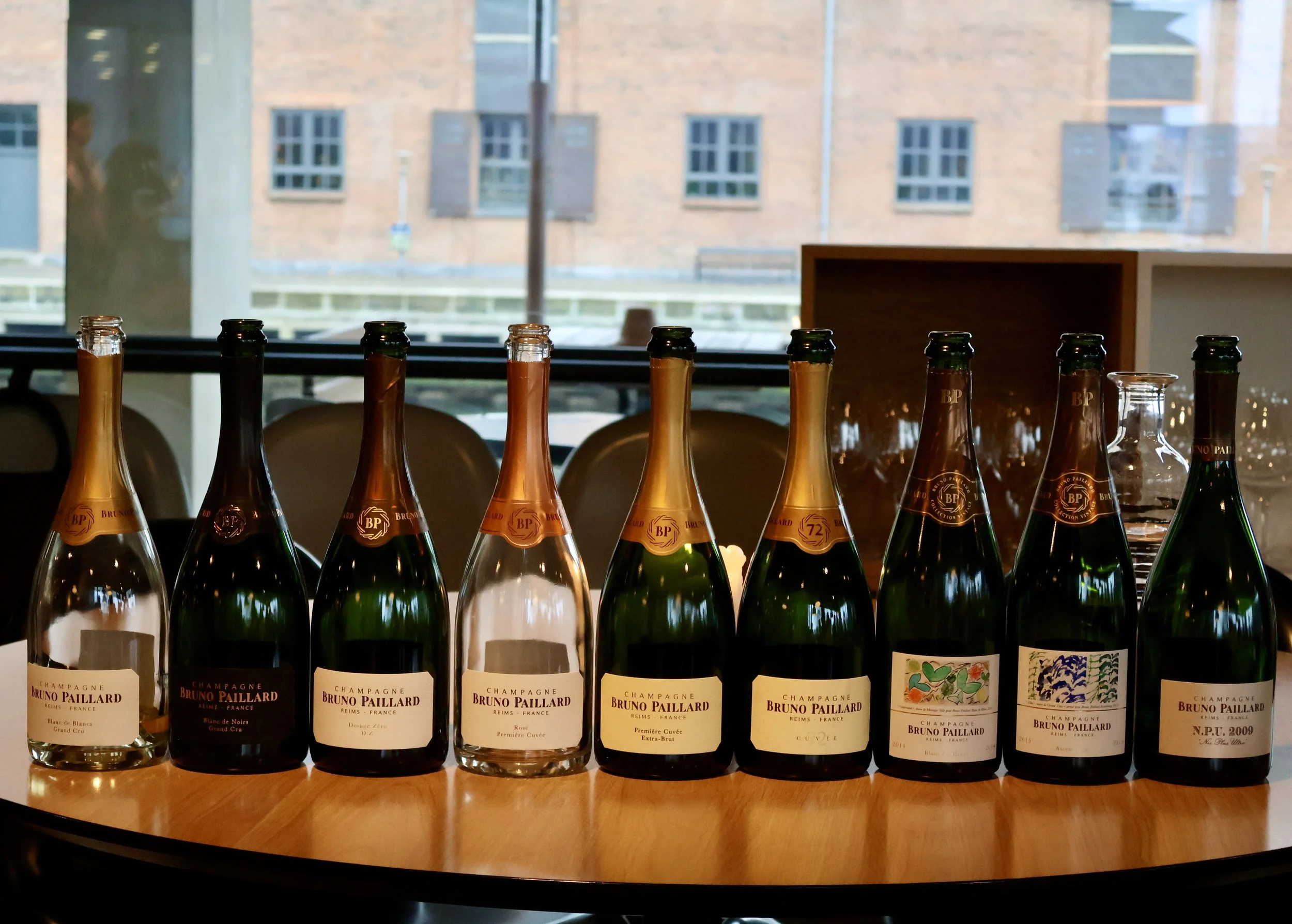
Lineup Bruno Paillard. Image: Ronja Bo Gustavsson DSF
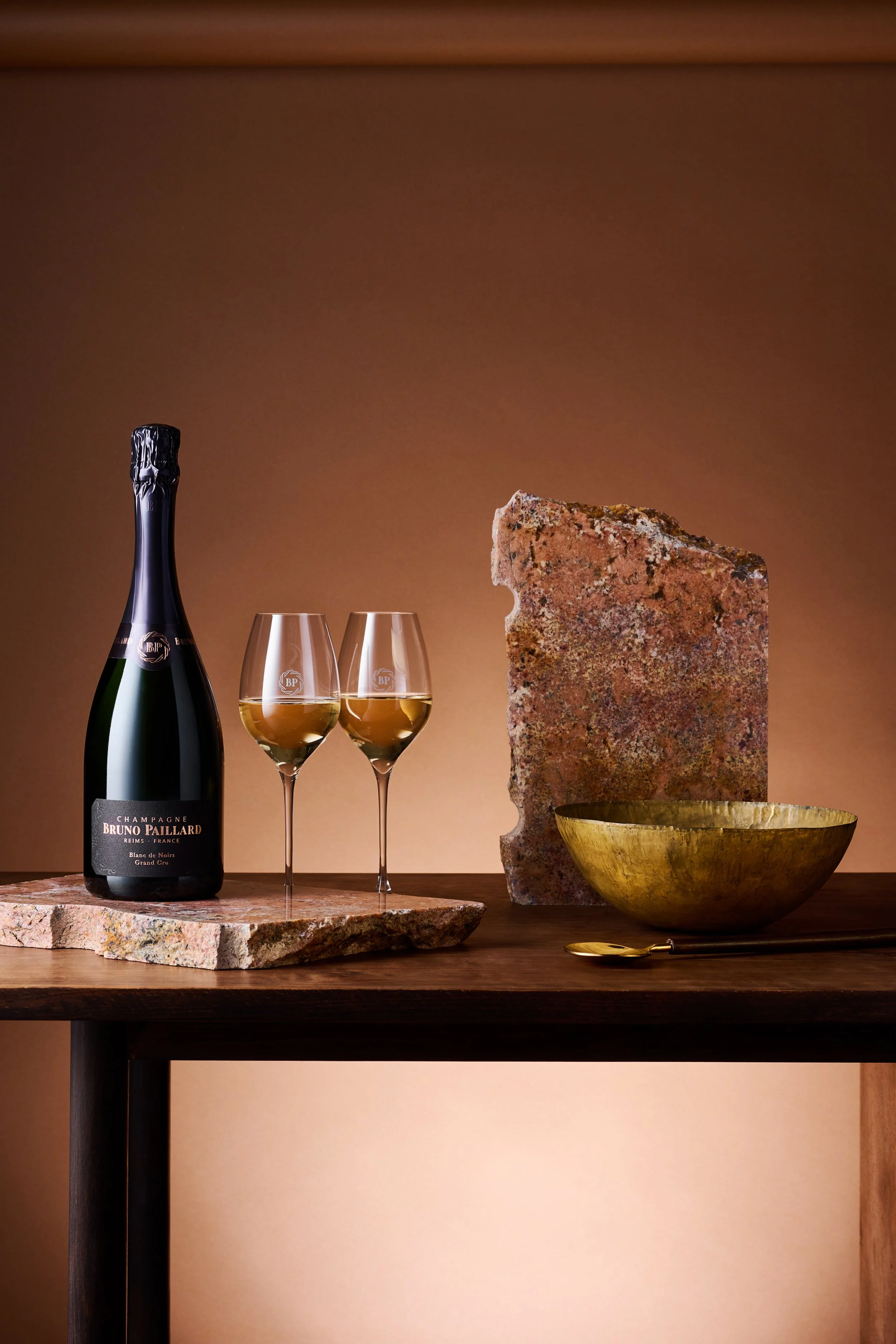
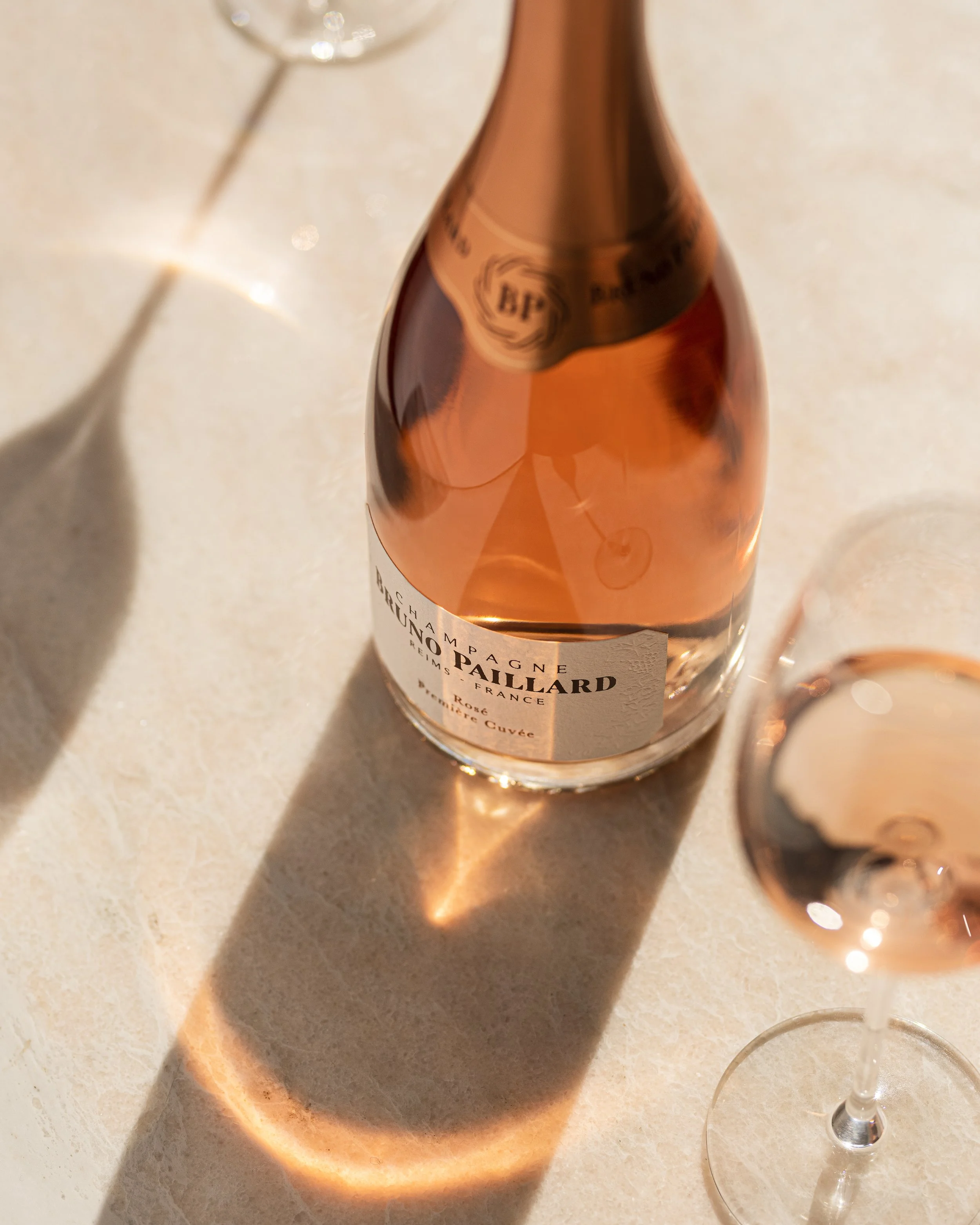
During the masterclass, we tasted through a broad selection of Champagne from Bruno Paillard, spanning both non-vintage and vintage cuvées. The lineup offered a clear insight into the house’s stylistic precision. From Blanc de Blancs and Blanc de Noirs Grand Cru bottlings to Dosage Zéro, Rosé, and N.P.U. Nec Plus Ultra.
2015 Artist Assemblage 1er Cru Extra Brut
In my tasting, the blend showed a clear dominance of Pinot Noir at 60 percent, supported by Chardonnay. I noted a vivid freshness with aromas of quince and candied citrus fruits. The finish moved toward darker tones such as plum and a hint of chocolate, balanced by a creamy, brioche-like texture.
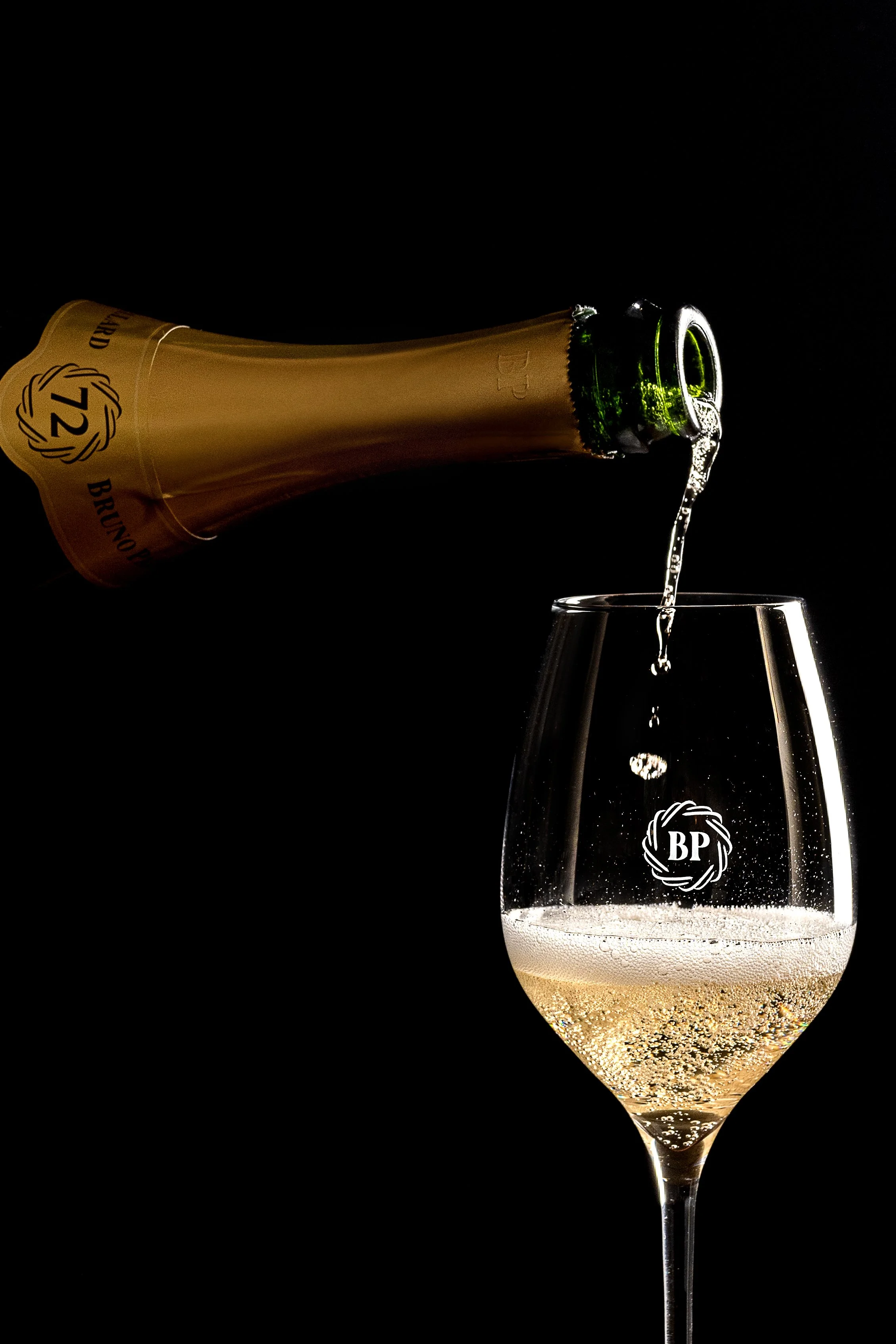
MV Cuvée 72 Extra Brut
Only the first pressing of the grapes is used. The blend consists of Pinot Meunier at 22 percent, Chardonnay at 33 percent, and Pinot Noir at 45 percent. In my tasting, the wine showed a creamy texture with notes of citrus, flowers, and honey. Scottish shortbread came to mind, adding a gentle sense of richness and warmth to the profile.