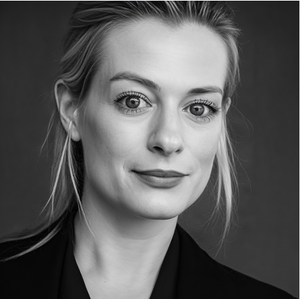
From the Field to the Floor: Gin Isabel Martín Haugaard
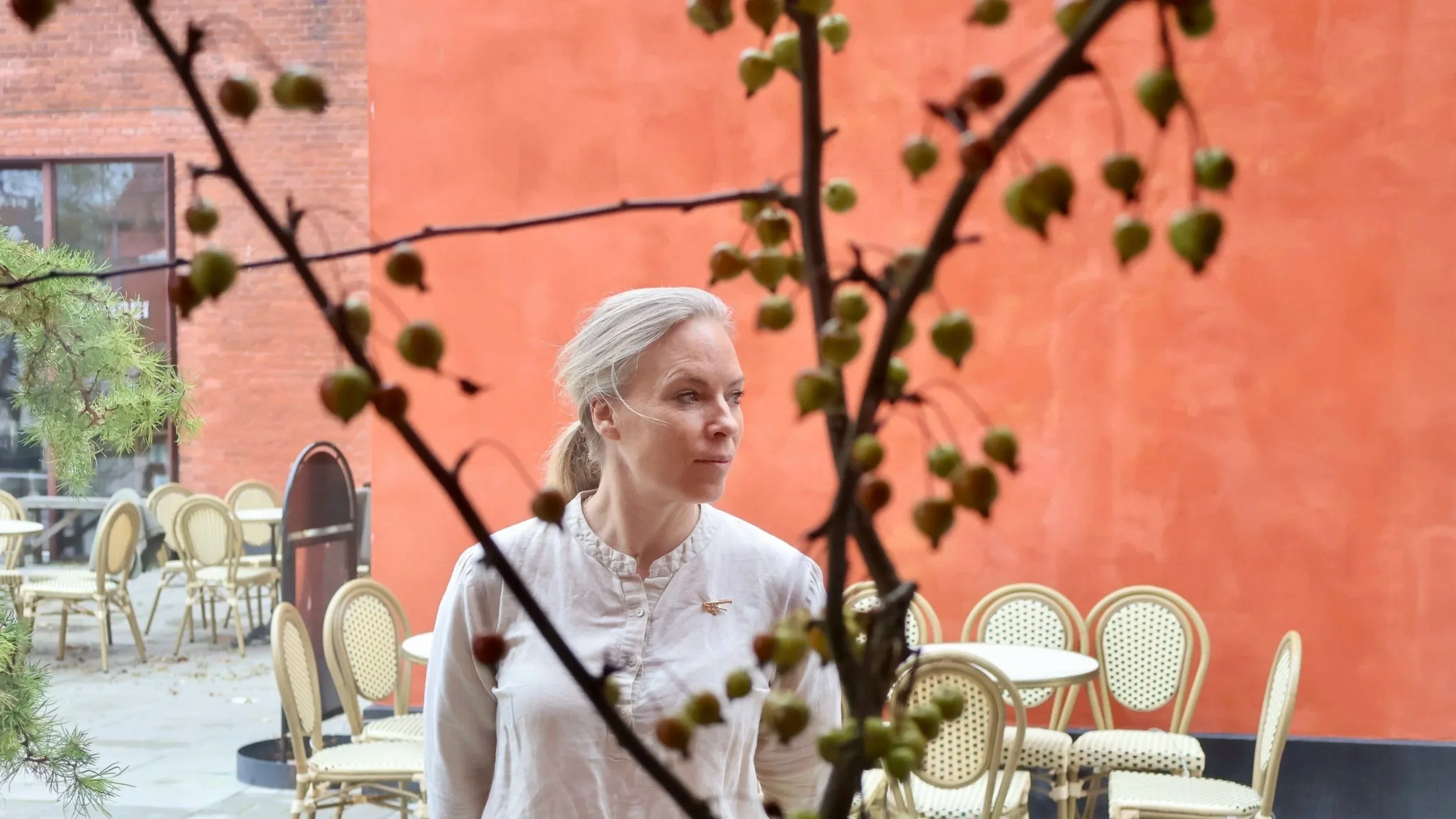
Gin Isabel Martín Haugaard. Photo: Ronja Bo Gustavsson
I went to Nordhavn to meet Gin Isabel Martín Haugaard at Restaurant VIE. Every time I visit Nordhavn I am amazed by how much it has changed. The parking lot outside Menu where I used to park was gone, in its place there is now a new housing block with apartments.
When I entered the restaurant they were in full prep for Christmas decorations. Gin Isabel offered me a coffee and we went to the back of the restaurant to talk. I know her from my own education at Dansk Sommelier Uddannelse, where she taught me on two modules, so I already knew she was sharp. In person, she comes across as realistic, hardworking, professional, and a strong leader.
Starting in the field, not in the glass
When I asked Gin Isabel where it all began, she did not talk about a special bottle. She talked about work.
“I started as a dishwasher. It is hard, but it teaches you so many things. The kitchen porter is the heart of the restaurant. I was 14 years old.”
"I fell completely in love. The field, the growers, the farmers, the owners from the castles, the whole shebang."
Later she became a bartender. “It was fun to stand and see people partying, you are behind the bar watching the whole show. I thought, I am going to stay here, I am going to be in hospitality.”
She also finished school at Niels Brock, because her mother told her to. “I would recommend everybody in hospitality to do it. It gives you extra opportunities later in life, because you have that background.”
Then came the turning point. When she was 19 years old, she and three friends went Interrailing. “We ended up in Champagne, in Épernay. We were all bartenders and then one day one of the girls came and said, we need to go to the fields, we are going to do harvest.”
They harvested three days. “I fell completely in love. The field, the growers, the farmers, the owners from the castles, the whole shebang. We were all one team. There was nothing about dirty shoes or expensive clothes, we were one. Everybody was important, because we needed to get the harvest in. That is where my journey in the wine industry started.”
I said it sounded like reverse engineering, starting from the ground before the glass. “Exactly. I had Champagne before, but I did not know how it was produced. I knew where grapes come from, but I had not thought about how you make wine. It was a big changer for me.”
Later back in Copenhagen she worked front of house and also in the kitchen, especially at Chicos Cantina. “Working in the kitchen changed my taste. An onion is an onion, but you can get many flavors out of it. That work still helps me when I taste food with chefs. Here at VIE, when Mikkel writes a menu, I know immediately how it will taste.”
She also joined NaCl, a chef playground that meets four times a year. “I am the sommelier on the team. Chefs cook the dishes they cannot do in their own restaurants. Sometimes it goes wrong, that is the point, it is a playground. I taste and sometimes say, can you squeeze it a little bit, add a little of this or that, then the wine will do better. It is a fun way to work.”
This beginning matters. It explains why she sees wine as part of the dish, not as a speech. It explains her comfort with chefs and with change.
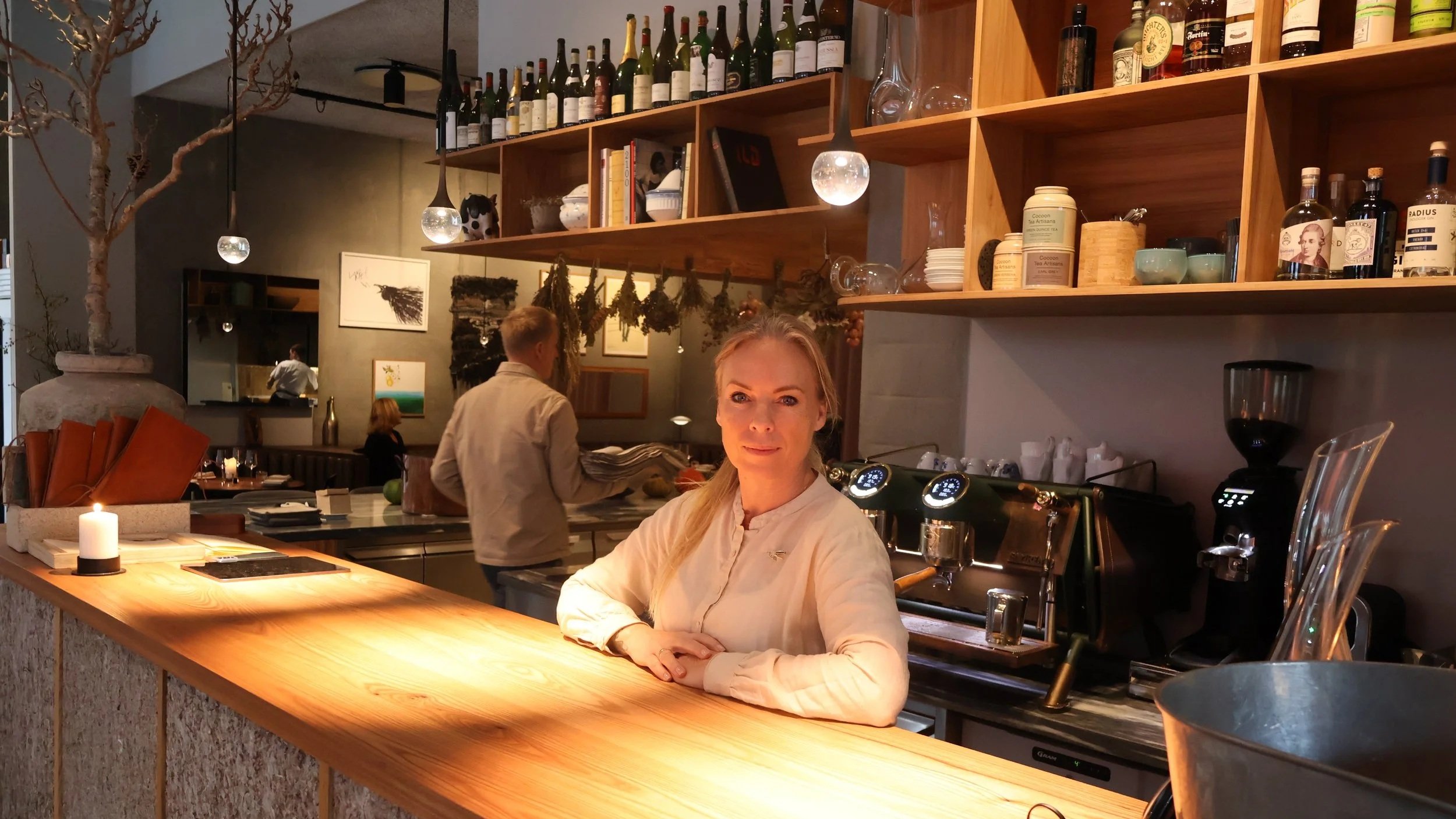
Gin Isabel Martín Haugaard. Photo: Ronja Bo Gustavsson
Education and the jump to bigger stages
“After many years as a waitress working with wine, I thought it was stupid not to have papers. So I went through WSET, Vinakademiet, and Dansk Sommelier Uddannelse and I also have Malene Hertz’s Champagne Certificate. I kept studying because the wine world is always changing.”
A big step was Nimb in Tivoli 2013. “It was a completely different type of guest. In Tivoli you have everybody, the billionaire and the worker. We could open the cheapest bottle for one table and for the next table a wine for ten or twelve thousand kroner. They might sit side by side. It was fun to have that variety.”
She explained how she builds lists that work for both the curious and the shy. “You need things people recognize. We would choose good producers, but sometimes we also put the Valpolicella or Amarone on the list, because people know the names. People should not feel stupid when they see a big list. We looked for value for money, good producers at the right level.”
Building teams, opening places, fixing systems
Before VIE, she had a period at Gastronomisk Innovation with chef Rasmus Leck Fischer. “We did private parties and workshops. We also handled MasterChef trials without cameras. You had to see if people could talk and cook at the same time.”
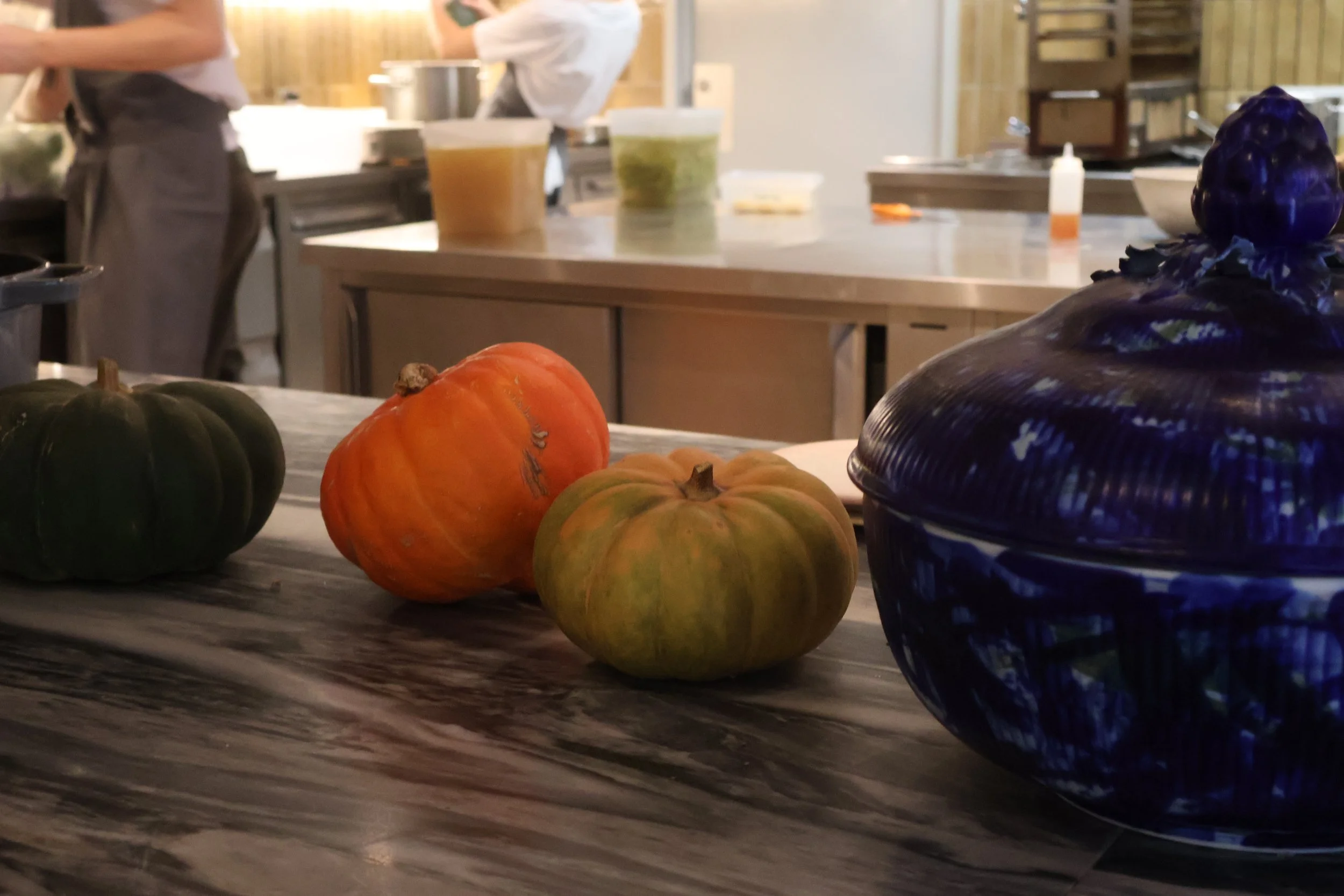
Restaurant VIE
Then she started matchmaking for restaurants and hotels. “I was hired to put teams together. I was on the opening team for Hotel Nobis. I set the whole floor like a matchmaker. If someone needed a head chef, I found one, but I always looked at the front of house manager too. These two must work together, otherwise you get a war between the floor and the kitchen.”
She did that for four years, moving in for a few months and then out again. After that came Sanders, then Helenekilde Badehotel during Covid. “At Sanders, the very same guest could be short-tempered, stressed and impatient. But at Helenekilde, that same guest would wander through the lounges and out onto the terrace barefoot, smiling broadly, shoulders relaxed. It’s magical what the sea can do to city dwellers.”
In 2021 she joined Madkastellet and helped open Mark. “We built the whole wine list. For me it is always the team. The opening team even stayed more than a year, which is rare.”
She also worked with Peter Liep’s Hus in Dyrehaven. “We wanted to raise the level on the floor to match the new head chef. Even with a great chef, if the floor is weak, it does not work. It was alot of fun.”
Listening to her I felt something very clear, she enjoys the making of a restaurant. She is not only a sommelier. She is an organizer, a recruiter, a trainer, and a systems builder.
" Are you going for Michelin stars?” He said no. “Good, then I want to be part of it."
Sponsored banner from Otto Suenson
VIE, not for stars, for people
When Mikkel Maarbjerg called about VIE, she asked one question. “Are you going for Michelin stars?” He said no. “Good, then I want to be part of it.” She is honest about why. “Going for stars is boring. It is the same menu for three months, the same wine, and the guests arrive with a different agenda. Expectations are too high.”
Gin Isabel is now the General Manager at Restaurant VIE in Nordhavn, where she oversees everything from service to structure. “Mikkel runs the kitchen. I run the floor, being part of the daily operations remains essential. You can’t set meaningful expectations or truly understand the pulse of the restaurant if you’re not actively involved in it.”
From the first day VIE opened, the restaurant was full. “We did not advertise. We just opened the doors. Mikkel is a big name,” Gin said with a smile. “Newspapers came fast.”
When I asked what she had taken with her from fine dining, she said that the most important thing is to keep calm while moving fast. “You have to work quickly but quietly, and make sure no one can see that you are stressed. Stay calm when you move through the room.”
Her mentors taught her the same mix of discipline and feel. She spoke about Dwight Watson from Chicos Cantina. “He said hire people who have played team sports, not only individual sports, because they have learned to be team players.” He also exposed her to fine dining. “Every year when we had paid our taxes he invited us out, so we could experience the service and the wine.”
She also spoke with warmth about Jan Restorff. “We had a long lunch at Søllerød Kro. He poured a sweet wine blind and I nailed it. I was so proud, because it was Jan serving. Having wine with Jan was special, all his stories, you want to be like him.”
"The wine should not need a speech. I hate when someone points to one element on the plate and says the wine goes with that. What about the rest?"
Wine should work like sauce
I loved her simple definition of pairing. “The wine should not need a speech. I hate when someone points to one element on the plate and says the wine goes with that. What about the rest? For me the wine is like the sauce, it should tie the whole dish together.”
When we talked about wine lists, Gin’s answer was clear and practical. “You don’t need a big one,” she said. “You just need something for everyone. If you focus on France, then show the variety within it: high acid, full-bodied, oaky, sweet. That gives you pairing options.”
Then she smiled and added, “And of course, Champagne is important.”
On the balance between guest friendly and adventurous bottles she is practical. “The challenging wines are usually picked by guests who already know. I have them on the list to show there is more than Burgundy. I do not push people to something crazy because I think it is interesting. I ask what they are searching for. If it matches something new I will tell them and pour a taste. If they do not like it, I find something else. A bad recommendation is on me, not the guest.”
On wine menus she is strict. “If you call it a pairing, it should pair. It should give a beautiful tour in the glasses and it should make sense with the food.
How VIE builds pairings in a living kitchen
VIE does not run a classical menu tasting in advance. “If we are lucky I see the new menu four days before. We taste it on the day it launches. We tell guests we have a wine pairing, but we will adjust if something does not match today. We will pour another glass.”
The reason is simple. “The kitchen is alive. We get things from the farm every day. Sometimes something arrives that was not planned, but it is too good not to use, then the dish changes.”
Guests like this if you explain it well. “It is easier if things stay the same for a month. We often change after two weeks, that can be hard for the team, but it is exciting for the guests.”
Service challenges, tools and small fixes
I asked about the hardest part of wine service in a busy restaurant. “Temperature. We keep two bottles of each wine ready at the right temperature, but sometimes three tables order the same thing.”
They have a simple fix. “We serve a glass on the house while they wait. We call it “waiting wine.” Guests like it, they are not just sitting there.”
Glassware also matters. “It is sad when a place has a nice list and bad glasses. You do not need the most expensive, but if you only have small glasses the wine cannot develop.”
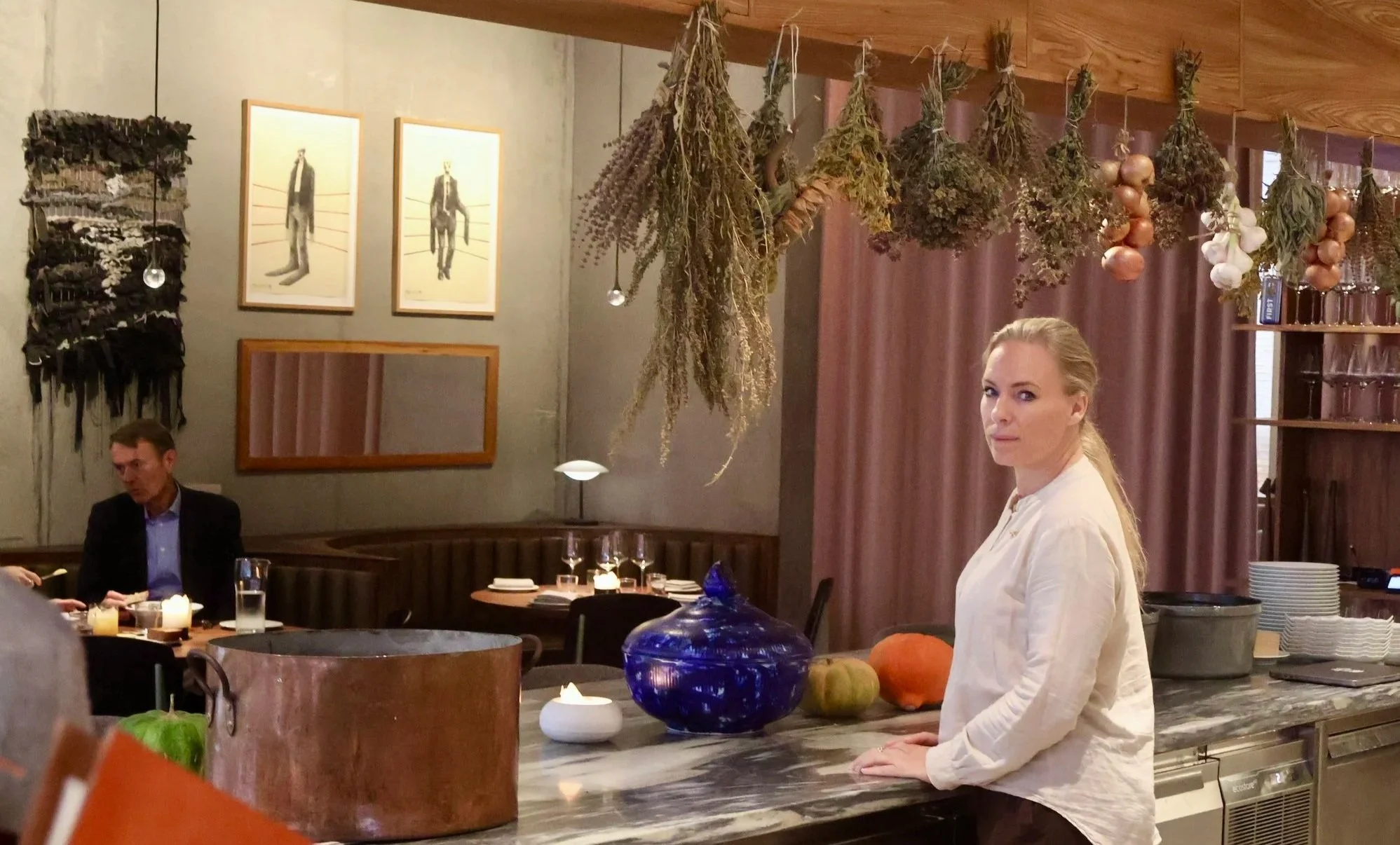
Gin Isabel Martín Haugaard. Photo: Ronja Bo Gustavsson
Teaching and the craft of service
She has been teaching at Dansk Sommelier Uddannelse for three or four years. “I like giving back. I teach Rhône and the South of France, and the first day is wine history and how to taste and look at wine. I am lucky, I have the class on day one and again after half a year, so I can see the development.”
She is honest about what she sees in the industry. “Many young people taking sommelier education are not trained waiters. It is a shame. They know the wines, but not the service. They do not know the cuts of meat, or how sauces are made, or how to start a table and plan a service. They would get more out of the wine education if they also had a waiter background, especially if they want to work in restaurants.”
Sponsored banner from https://vintur.dk/
Trends she sees, and what she prefers
Gin Isabel is optimistic about Spain. “Especially the north. Great value, more organic producers, and the styles have really changed. Before, Spanish wines could be aggressive, with high alcohol and tannin. Now they make many juicy and balanced wines.”
She also notices a shift in the Danish market. More restaurants are starting to import their own wines. “They can price their lists differently if they skip the middleman,” she said.
When asked what truly feels new, she paused. “If I think about it, the real trend is that more regular dining places, bistros and brasseries, now have sommeliers and good wine lists. Before, that was something you only found at gourmet or Michelin-starred restaurants.”
"I drink Champagne every Monday."
Mondays are for Champagne
“I drink Champagne every Monday.” I smiled at that. It is a good rule for life.
She plays padel too. “I needed a sport where I can switch my brain off. With the horse you must focus or it throws you off.
“I used to ride, and it was the rare moment my mind could rest, fully immersed in the present. One lapse in focus, and you’d be cast aside, the horse demanded your complete attention, your full presence. Padel is different, you use your body and do not think of anything else. It is a team sport, you must communicate who takes the ball, who goes to the net, who stays back.”
She used to play handball for many years, did energy training and weightlifting. “I was supposed to compete as Miss Fitness in the 1990s, but I had a car accident three months before.”
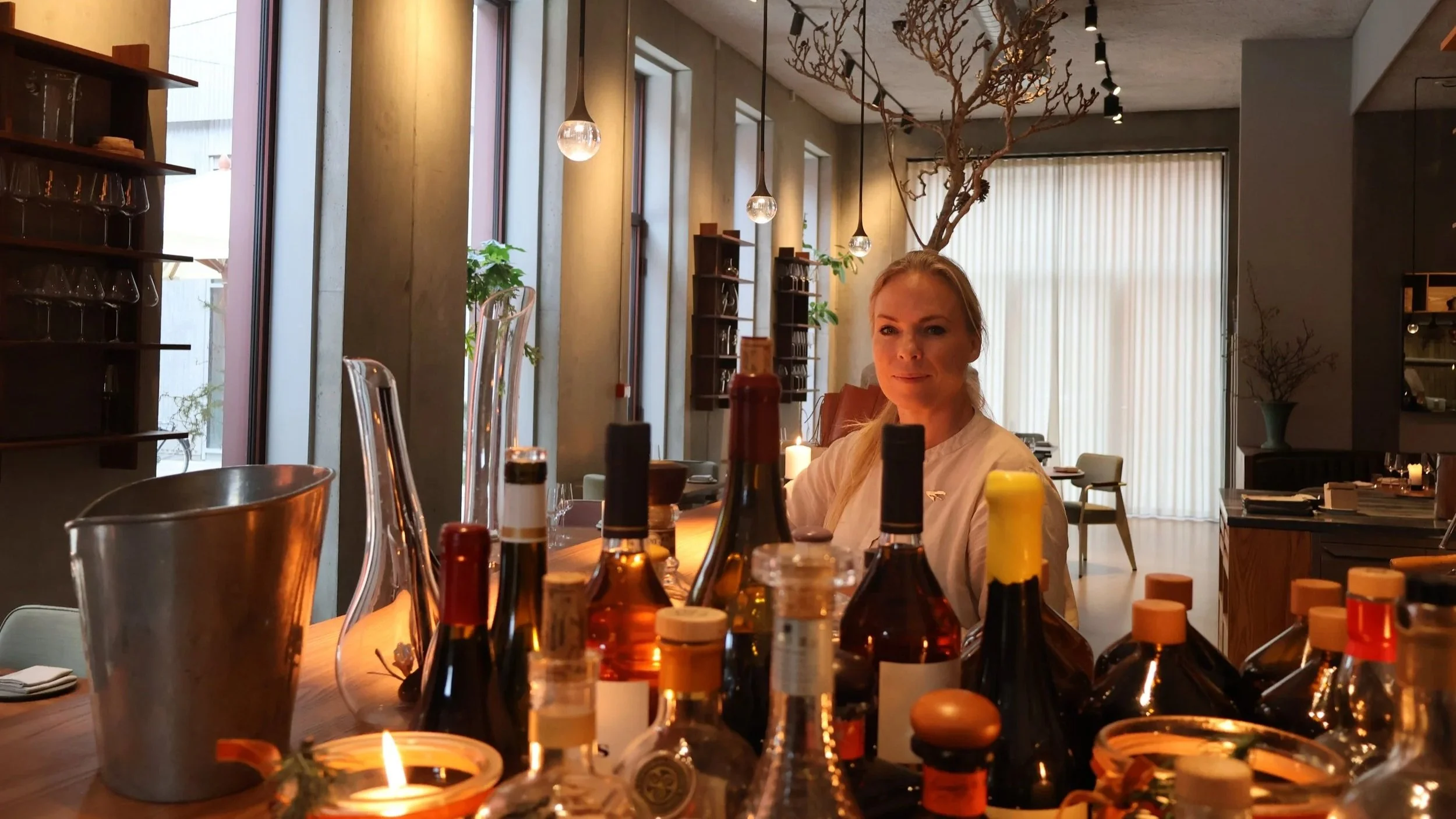
Gin Isabel Martín Haugaard. Photo: Ronja Bo Gustavsson
Future ideas and the joy of opening
When we spoke about the future, Gin said that one day she would like to go back into hotels. “A small boutique hotel, not in Denmark, in Spain or Italy,” she said.
She also has a strong connection to Mexico. “I go every year. I have been going for 25 years. It feels like my second home. I thought about opening a small bed and breakfast there, but it is far. Friends will not just come for a weekend. So Spain or Italy feels more realistic.”
For now, she is staying at VIE and continuing to build. “We are opening a wine bar. It is nice to start new things and also stay to see them grow. When I said yes to Mikkel, I told him that I will stay for a long time.”
Teaching is also a big part of her life. She works with NaCl four times a year on a volunteer basis and helps raise money through the Rasmus Leck Fischer Fund.
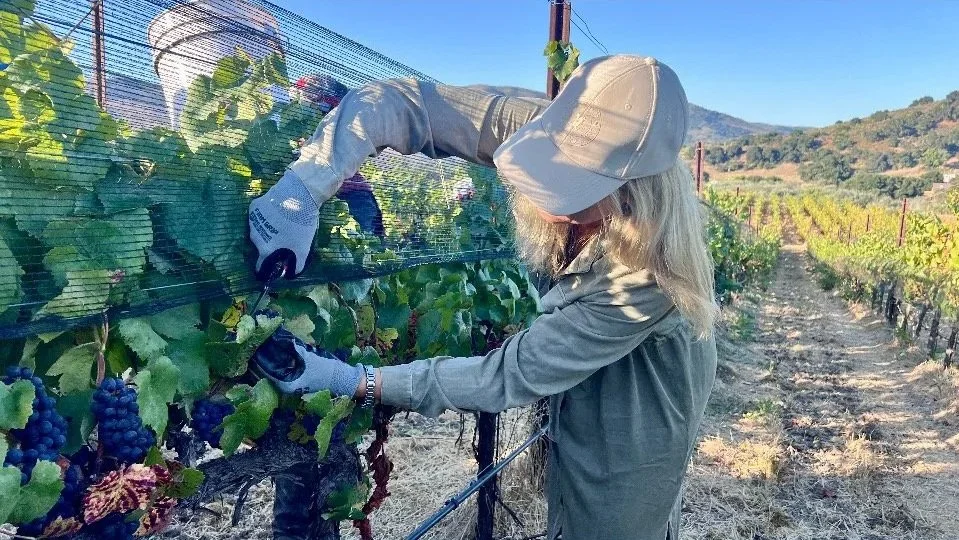
Gin Isabel. Photo: Private
“Students can apply for support. We always bring students to our events so they can experience the creative energy and build networks.”
She is also involved in charity projects such as Chefs Against Cancer. “It is time spent with good people for a good cause,” she said.
In addition, Gin is part of the Vinpanelen at the newspaper Børsen, which fits her profile well. She is practical, direct and focused on both taste and context.
I left VIE with the sound of the kitchen, the pre Christmas prep around us, and the simple feeling that the restaurant is in steady hands. There is movement, but it is a calm movement. Gin Isabel enjoys opening, building teams, setting systems, choosing wines that fit the food and the guests, and then letting all these parts work together.
After talking with Gin I felt that movement is not a problem. If you accept that the kitchen is alive and the dining room is a living thing, you can still be calm.