The Napa Bottle that Changed the World of Fine Wine
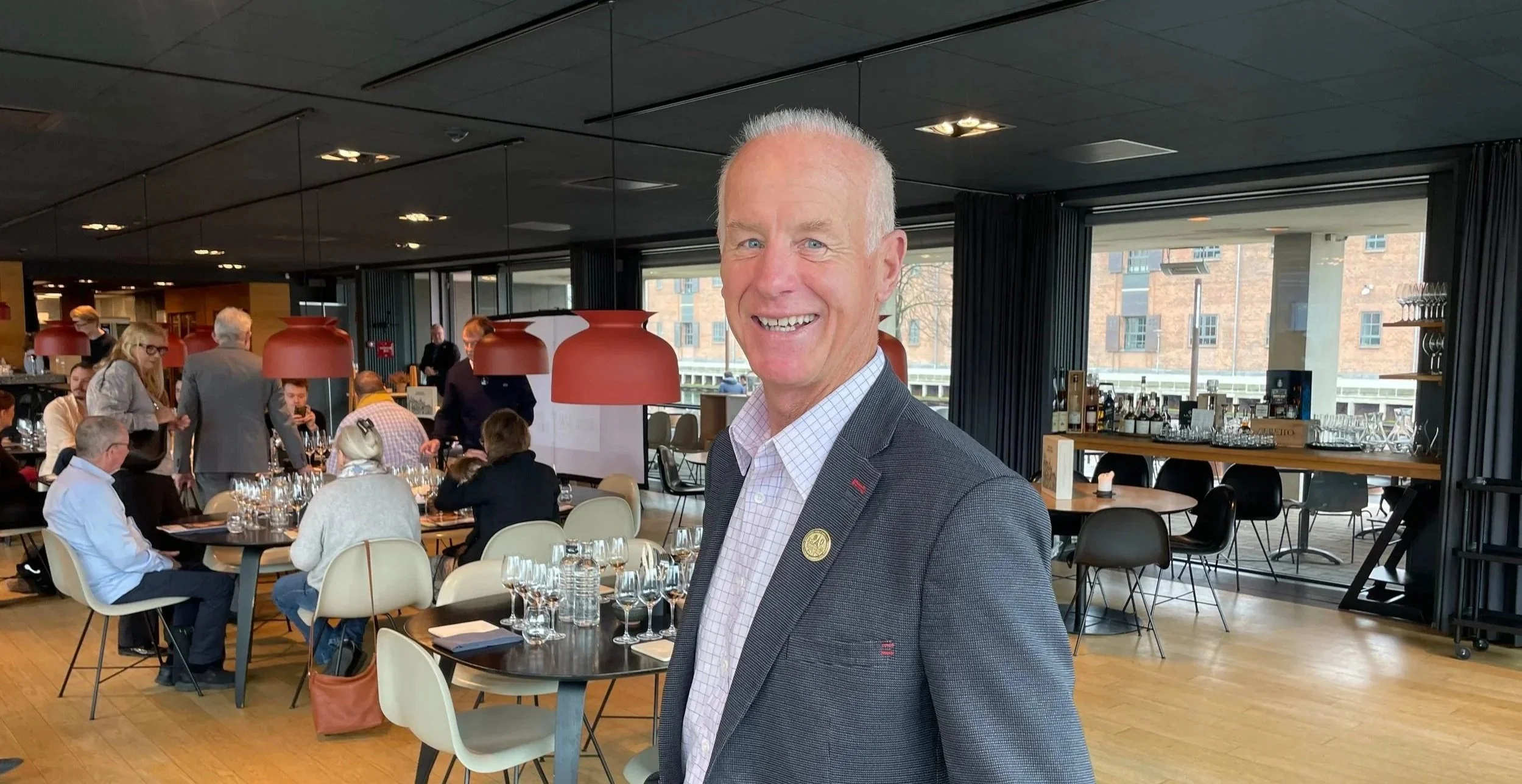
Bo Barrett at the restaurant No 2. Image: Anne Køster
“Why Is It Always Uphill?” Bo Barrett concludes after our interview. Fifty years after the Judgment of Paris turned California wine history on its head, Bo Barrett — CEO of Chateau Montelena — is still climbing. Not because he has to. Because that is simply who he is.
It is a Thursday in April, and Copenhagen is wearing its best face. The harbour outside Restaurant No. 2 glitters in spring sunshine, and the city’s flags are flying for Queen Margrethe’s birthday. Bo Barrett notices. “Is it always this festive?” he asks, looking out across the water with the easy curiosity of a man who is genuinely interested in everywhere he lands. He has been invited to Copenhagen by Somm Wine to conduct a Masterclass attended by Denmark’s leading sommeliers and wine journalists — a fitting audience for a man whose family’s 1973 Chardonnay rewrote the rules of fine wine half a century ago.
Barrett is warm, unhurried, and funnier than you might expect from someone carrying the weight of American wine history on his shoulders. He talks the way he works — with directness, a certain Californian ease, and the occasional sharp insight that cuts through the room. By the end of our 52 minutes together, he has ranged across prohibition, Tolstoy, the eternal Revenue Service, and what it really means to set a standard so high that you spend the rest of your life trying to reach it.
"That first harvest, there were only three of us. The most experienced guy ran the press, I was the crush guy — I brought in all the fruit — and the third guy did the rackings. So I was the number two cellar rat when we made that wine."
How it all began: The 1976 Paris Tasting
On the 24th of May 1976, a soft-spoken British wine merchant named Steven Spurrier organised a blind tasting in Paris. Nine French judges. Eleven wines — four white Burgundies and six California Chardonnays in the white category, four red Bordeaux and six California Cabernet Sauvignons in the red. The idea was to celebrate the American Bicentennial and give the Californians a chance to show what they could do. Nobody expected what happened next. The top white wine, chosen unanimously by the French panel, was the 1973 Chardonnay from a little-known estate at the top of Napa Valley: Chateau Montelena. The top red went to Stag’s Leap Wine Cellars, also Californian. Time Magazine ran the story, and the wine world has never quite recovered.
The 50th anniversary of the Judgment of Paris is clearly a big moment. But you’ve been living with this story for fifty years. Does it still feel significant to you?
”It’s had much longer legs than we ever expected. The first couple of years it was a very big deal — it really helped get the fine wine business in California restarted. The wine industry had been killed by Prohibition, and things like that typically take three generations to repair. The immediate impact of the Judgment of Paris was that we jumped a generation. Instead of 1932 to 2032, we could start working in the 70s and 80s. Outside the West Coast, our wines were not accepted. Then suddenly, all of America opened up. That was the big one.
Then something curious happened. During the big red wine push of the 90s — those ten great Cabernet vintages in a row — the Paris tasting kind of fell into the background. And then the film came out, and there was a second wave. It’s more well known now, fifty years later, than it was at year twenty-five or thirty. I think it lasts because at its core, it’s just a human story. Tolstoy said there are only two stories: a man goes on a voyage, or a stranger comes to town. The Paris tasting is both”, Bo Barrett explains.
“Tolstoy said there are only two stories: a man goes on a voyage, or a stranger comes to town. The Paris tasting is both.”
Take us back to the beginning. How did an Irish-American attorney from Los Angeles end up making world-class Chardonnay in Napa Valley?
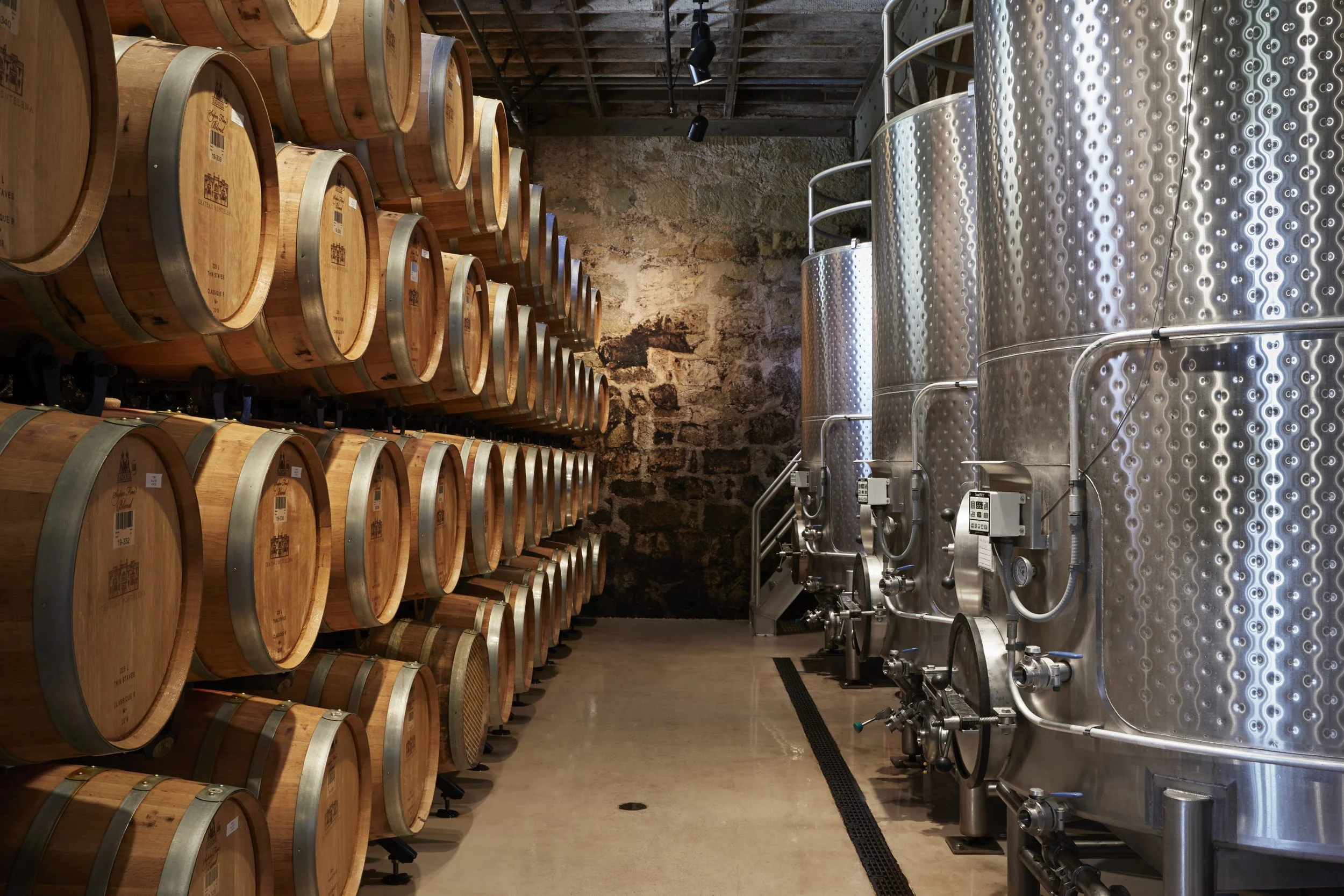
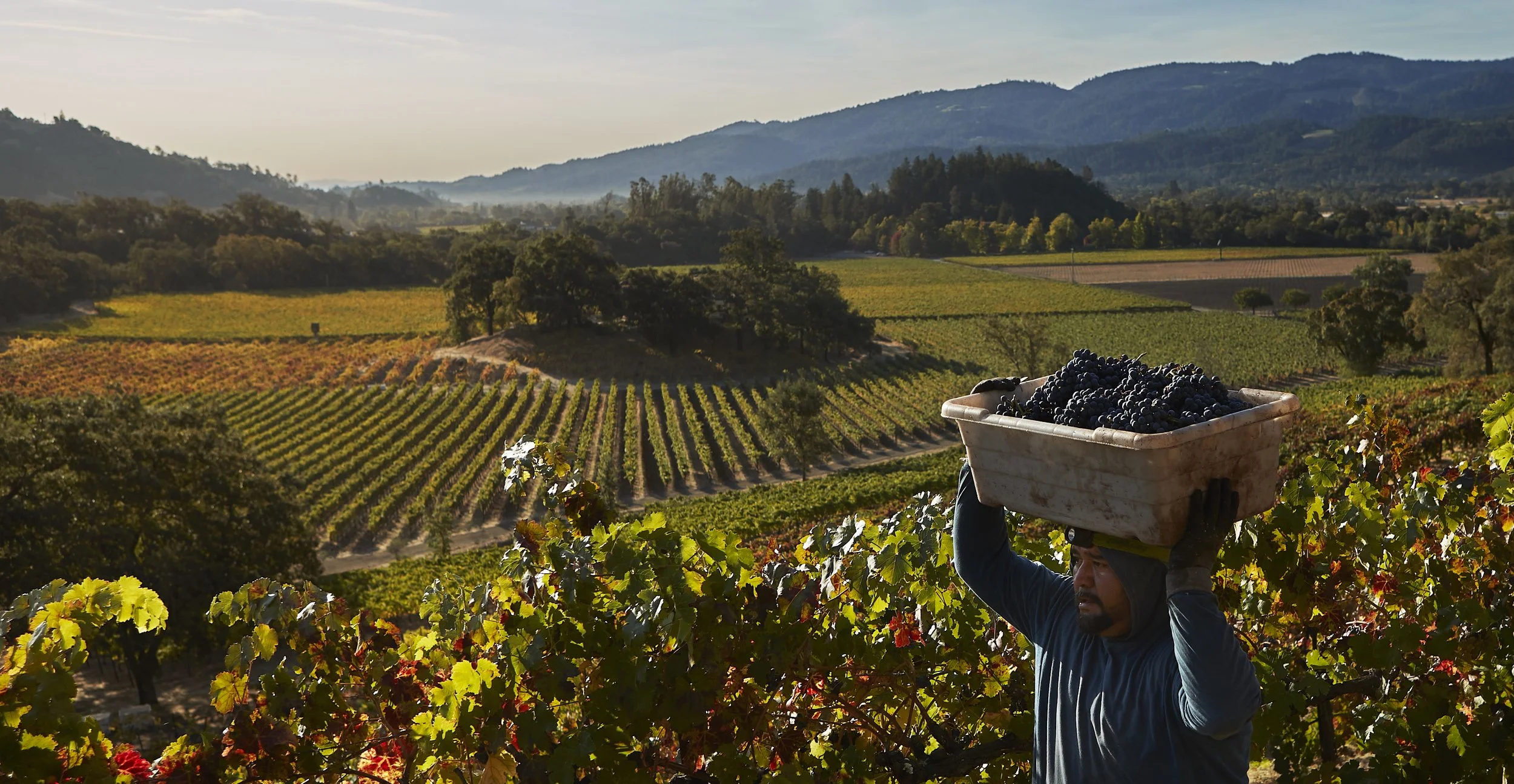
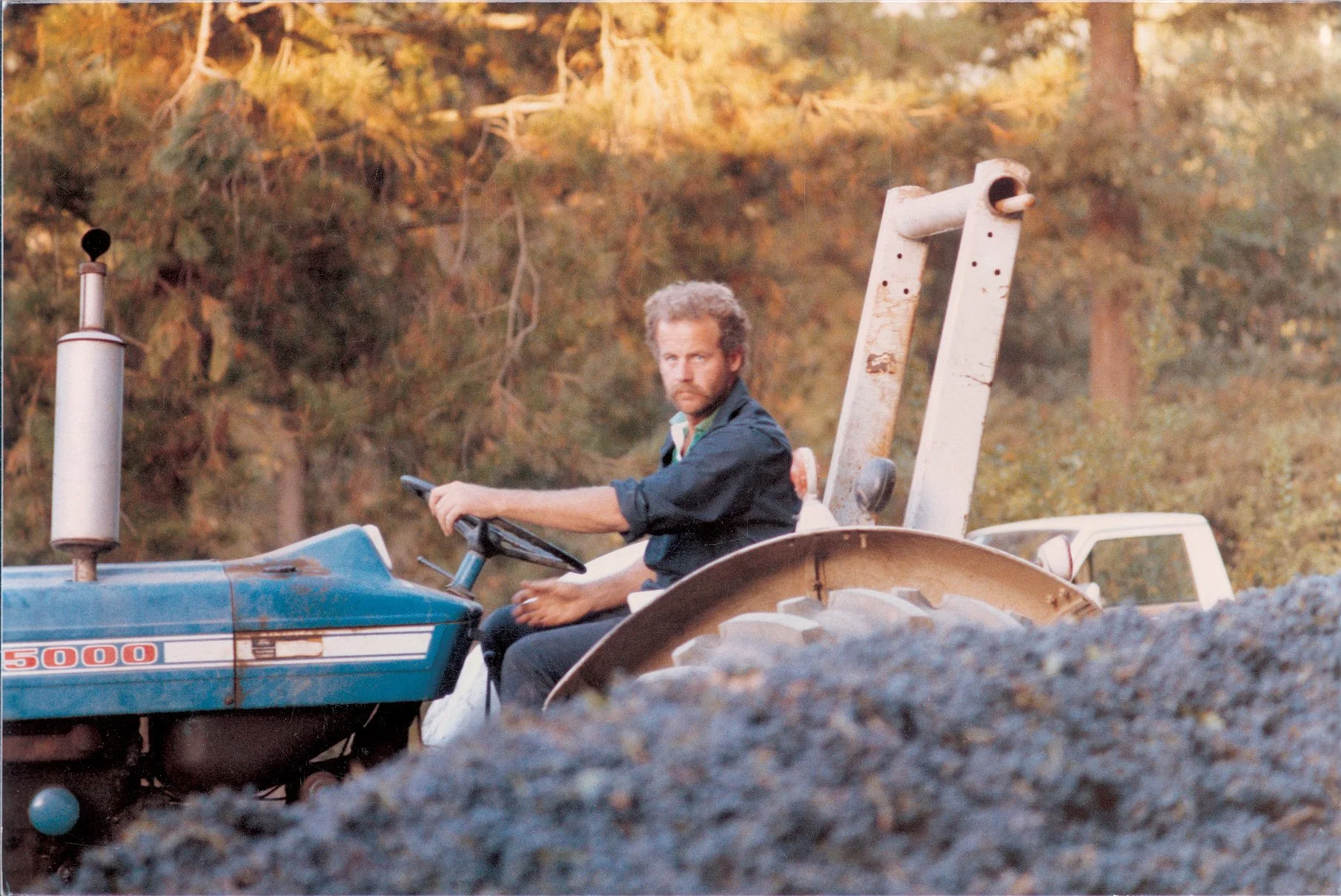
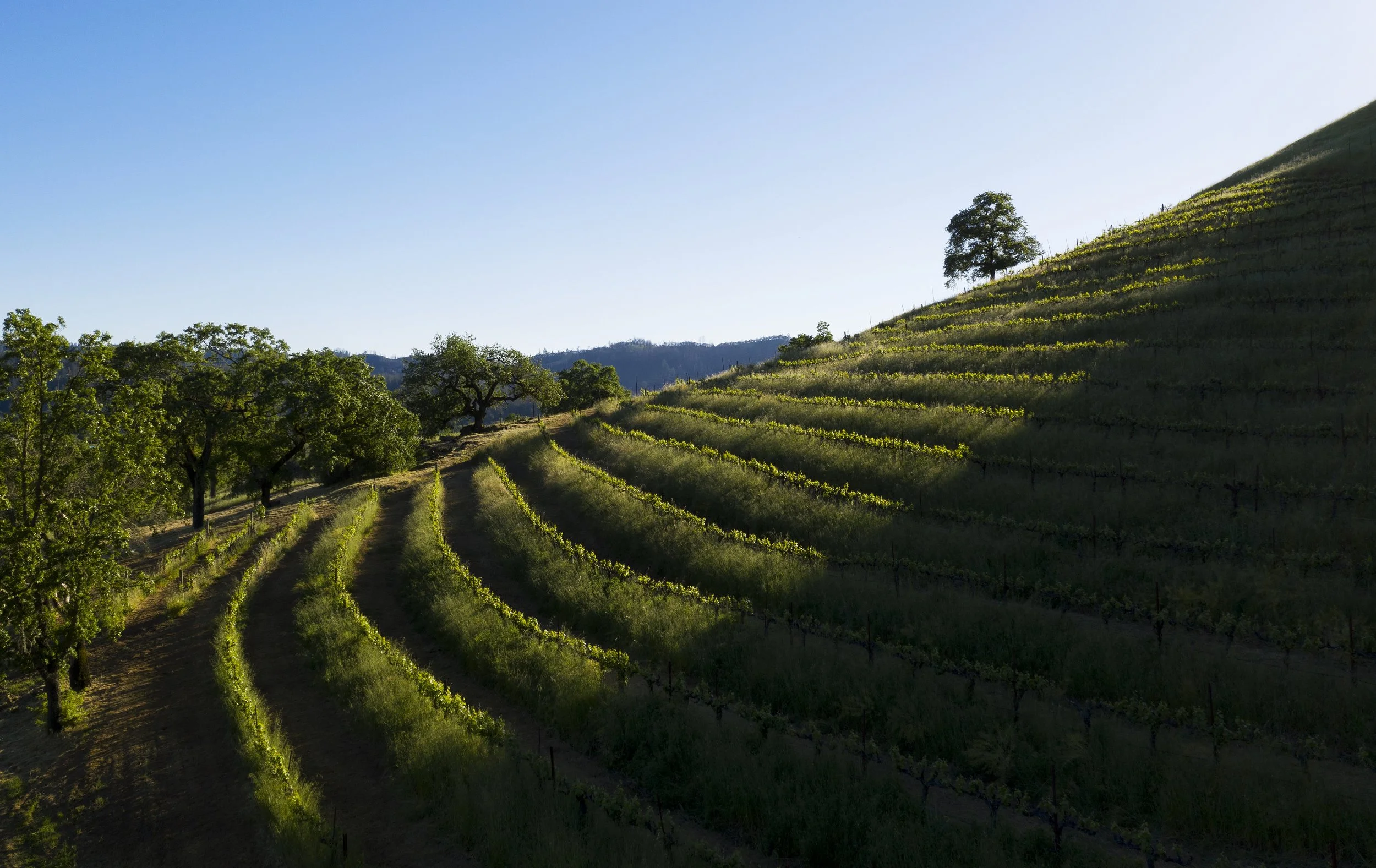
”My father learned about wine at a night class at UCLA. As he became more successful as a lawyer, his clients were more and more influential, and he wanted to be able to talk about wine. He learned there were four great wine categories — white Burgundy, Bordeaux, and German Riesling. That’s how it started. But it was also American agricultural policy that got us there. The tax rate was 77% from the Vietnam War. American agriculture was dying. The government introduced investment tax credits for agriculture, and my father’s job was to find a suitable property for a wealthy client. He jumped in his plane — we were both aviators — flew up to Napa Valley, and there it was. Chateau Montelena. The roof had caved in and the floor was dirt.”
You were eighteen years old. What do you remember from those first days?
”When I graduated from high school, my plan was to surf. We lived on the ocean. My father said: great idea, but you need a full-time job. So they sent me to the winery and gave me a shovel. I planted vines, irrigated, pulled weeds by hand. By 1973 I’d been transferred to the cellar. That first harvest, there were only three of us. The most experienced guy ran the press, I was the crush guy — I brought in all the fruit — and the third guy did the rackings. So I was the number two cellar rat when we made that wine,” Bo Barrett says with a big smile.
"Mike Grgich always said: your winemaking is ten percent art and ninety percent sanitation. That was our job — keep everything clean, keep everything moving."
And that wine won the white category in Paris three years later. How did you manage to make something so extraordinary as relative beginners?
”My father, not knowing anything about wine, was like a philosopher king. He just put together a team of professionals. Our vineyard manager, John Rolleri, had been growing grapes his entire life. And Mike Grgich had worked at BV-and at Mondavi. My dad was building a baseball team: here’s my pitcher, here’s my catcher. And his philosophy was simply highest quality. That’s all. Highest quality, highest quality, highest quality.
I think the other thing was sanitation. Our equipment was new. Mike always said your winemaking is ten percent art and ninety percent sanitation. That was our job — keep everything clean, keep everything moving. And we were very strict about press cuts. You can’t just throw the Chardonnay in the press and squeeze it all out. You have to be tasting every squeeze, making that cut where the free run ends and the heavy press begins. Those details were probably adhered to even more strictly than in France at the time. Remember, it was the 70s. Nobody cared about that stuff.”
“Mike Grgich always said: your winemaking is ten percent art and ninety percent sanitation. That was our job — keep everything clean, keep everything moving.”

Sponsored banner from Somm Wine
When did you actually realise what had happened in Paris?
”Day one, when the telegram arrived. My father was on a tour of French wineries with some other young American winemakers — he got the news at Chateau Lascombes. He rushed to a telegram office — there were no mobile phones — and we received it in the middle of the day while we were working in the cellar. Our winemaker Mike Grgich was Croatian, and he just started dancing around the gravel driveway. We ran out to see what he was up to. And then the phone started ringing. People who had said they didn’t want our wine the week before were suddenly calling to say they did.
Then about two or three weeks later, the Time Magazine story broke, and then the LA Times and the New York Times. The LA Times had a circulation of maybe eight million on Sundays. They ran a cartoon of a cowboy and a French guy. And that was it — visitation went up, and the wine went around the country,” says Bo Barrett.
By 2000, you nearly stopped making Chardonnay altogether. What happened?
”America had invented a new style of Chardonnay where the flavors are not from the vineyard but from oak, from malolactic fermentation, from dead yeast. Soft, sweet, approachable. And Americans like sweet. Our style — the crisp, lean Burgundy style, the brightness — was not popular. We were genuinely having trouble selling it. So my father and I, being hardheaded guys — he’s 100% Irish, I’m half Irish, my other grandfather was from Valdæs in Norway, so I got the stubborn from both sides — we said, instead of following the market, let’s double down. Let’s make it even more pristine. White Burgundy was still doing well. And so that’s how our Chardonnay survived. Whole-cluster pressing, smaller picking boxes, even stricter standards. We just went the other way.”
“Instead of following the market, we doubled down. Let’s make it even more pristine. We just went the other way.”
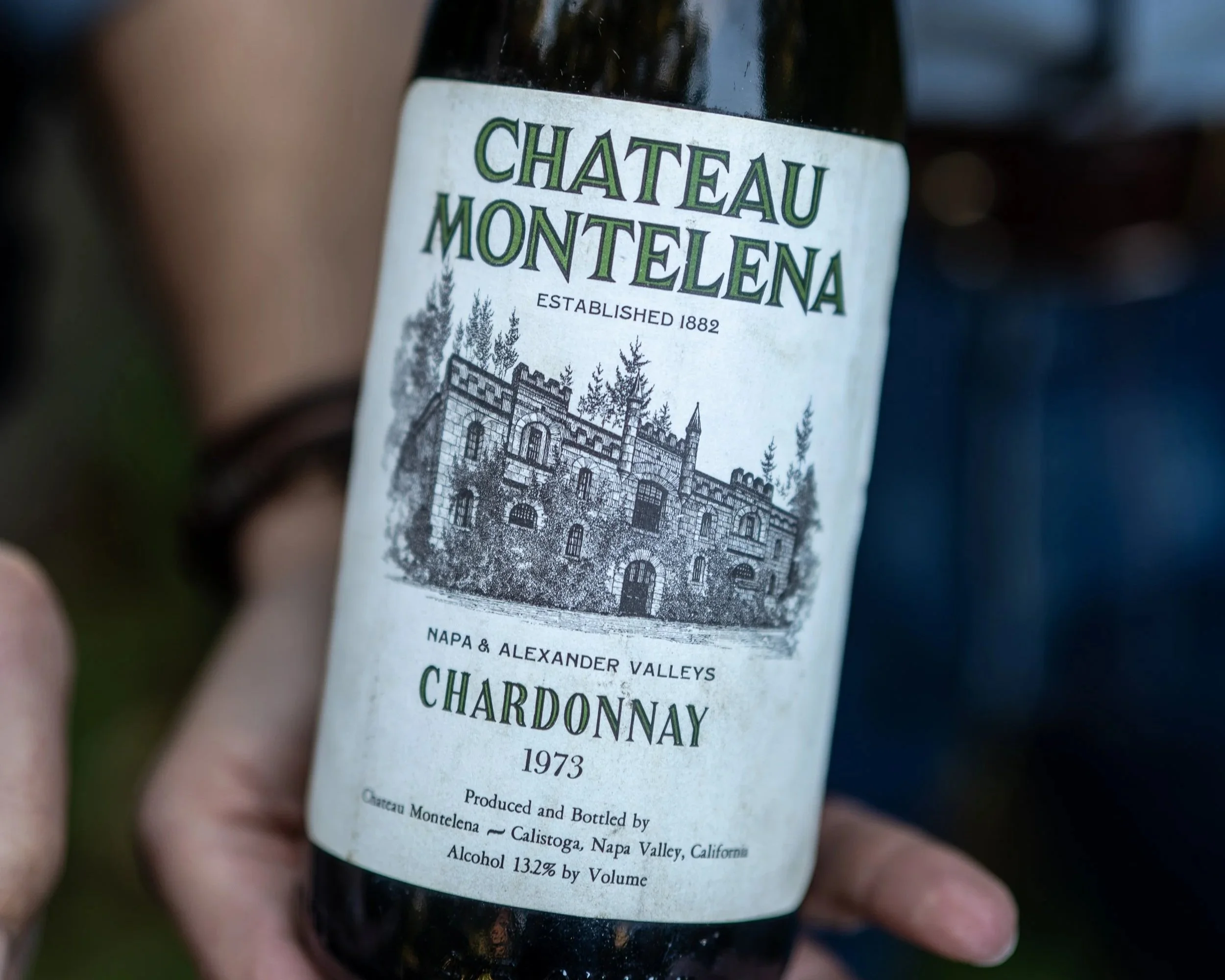
Chateau Montelena Chardonnay 1973. Image: Chateau Montelena
Bottle Shock came out in 2008. What did you think when you heard Chris Pine was going to play you?
”I thought it made a lot of sense. He was from LA, like me. And he’s a very good mimic — you can see that in his later career. We introduced ourselves, he came to the winery, we went around, then went to the local pub for a beer. And during filming I was a technical consultant for the winemaking scenes, so I’d be standing right next to the screenwriter, talking, and Chris would be listening. He could just absorb my gestures and the way I talked. So when he’s acting like me in the film — he’s actually acting exactly like me.”
The film took some liberties with the truth. What bothers you most about it?
”We were never that broke. That’s the first thing. And my father and I never had a fistfight. He was tough and competitive — an extremely competitive, chess-playing, left-handed tennis player — but he was a philosopher king, not a brawler. We called him that. And the family was together. In 1976, my parents were not divorced. All my brothers and sisters were still at the winery, and we are all part of the bottle that is displayed at the Smithsonian Institution. My brother Michael put the nitrogen in the bottle. My sister Stephanie put on the label. My brother Kevin, sixteen years old, put the bottle in the box. My mother was an artist from eastern Montana, and that artistic focus at Montelena had a lot to do with her. The whole family’s DNA is on that bottle. That’s what the film missed.
"Every time the opportunity came to go big — after Paris, after the film, after Parker — we resisted. Our job was to be the beacon, not the biggest."
But look — the film was never meant to be a documentary. They told us from the start: it’s a love story to wine. And it worked. Before the movie, we had an eight-car car park with an eleven-car overflow. Afterwards, we had to rent the neighbour’s property. And it came out during the 2008 financial crisis, which was terrible for wine tourism. It genuinely helped the whole of Napa Valley recover.”
The American wine market is going through a difficult period right now — declining volumes, younger consumers drifting away. How do you read it?
”It doesn’t really worry me. It’s Ag economics. Any market — even a luxury consumable like wine — eventually matures. The American market had thirty years of three to five percent compounded growth. That was never going to go on forever. Einstein called compounding the eighth wonder of the world, but it does end. What we’re seeing now is a mature market. People will drink beer for a while, cannabis for a while, craft spirits. It cycles. We actually saw this coming around 2015-16 and reduced our production from 42,000 cases to about 37,000 — almost ten years before it became a crisis for others. We lowered volume and increased quality. The Ag economics were just obvious.
I’d bet wine imports in Denmark followed a very similar curve — up like this from 1976 on. Because the Paris tasting pushed the whole world toward quality. And quality wine markets grew everywhere as a result.”
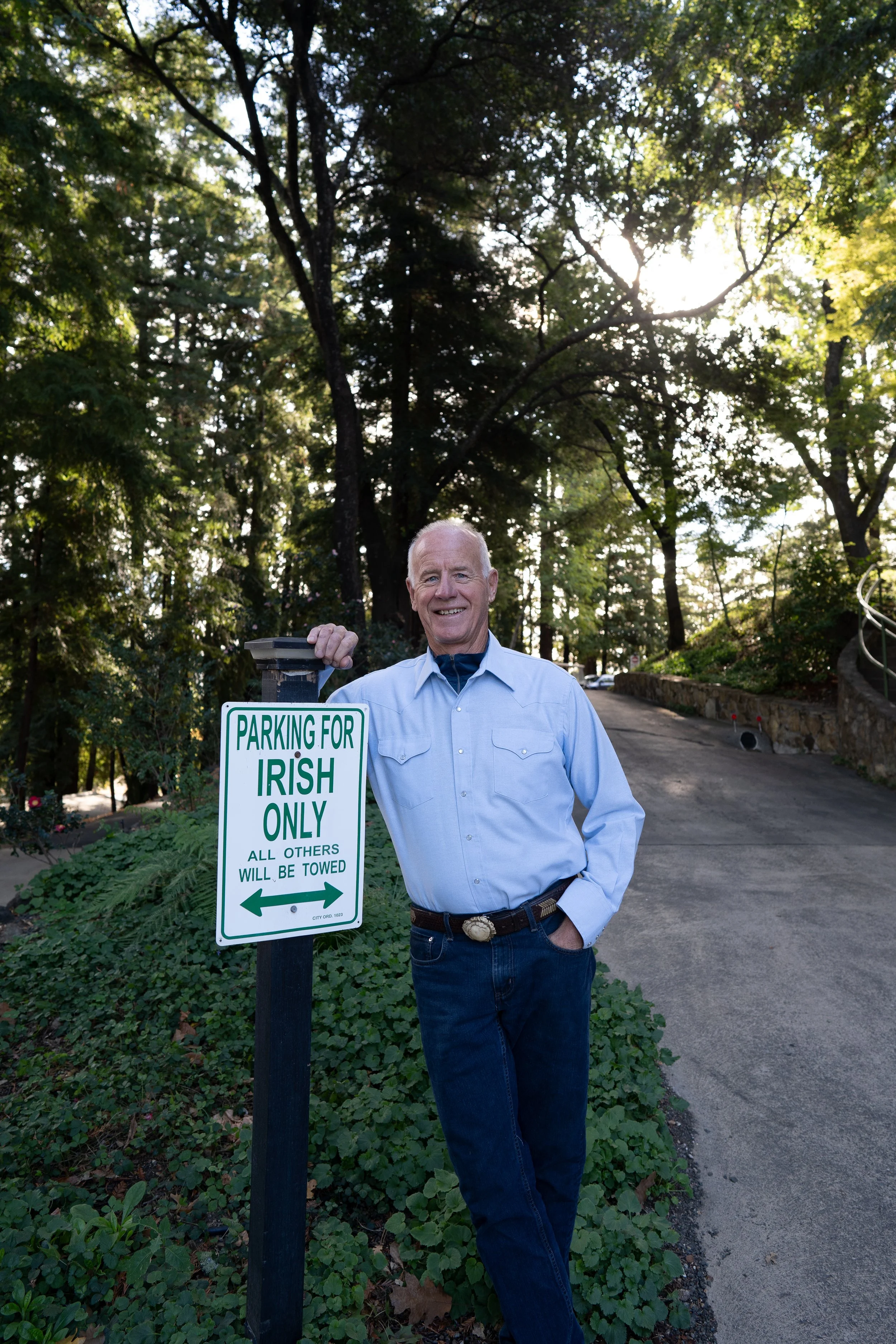
Bo Barrett. Image: Chateau Montelena
You’ve always resisted going big. While other wineries scaled up, Montelena stayed small. Why?
”My father had built a successful law firm — started with three guys, had a great time, then grew to forty lawyers and stopped having fun. He knew the feeling of over-growing something. And he had been a submariner in the Navy. Small ships, very cohesive, everyone matters. He always said he never wanted an aircraft carrier. He was happy with a submarine. That stayed with me. Every time the opportunity came to go big — after the Paris tasting, after the film, after Robert Parker loved us — we resisted. Our job was to be the beacon of American wine excellence. Not the biggest. The most focused, ” Bo explains.
“Every time the opportunity came to go big — after Paris, after the film, after Parker — we resisted. Our job was to be the beacon, not the biggest.”
And now you’ve just bought 73 acres in Carneros. After fifty years of farming, what does it feel like to be planting a new Chardonnay vineyard from scratch?
”It’s tremendously exciting. We’ve always had leased Chardonnay land — estate-labelable fruit, but we never owned it. When that lease ended, we finally had the chance to build something permanent. We’ve been looking for the right property for decades. It’s a very narrow band of latitude in the southern Napa Valley where it’s warm enough at night that you don’t need to do malolactic — but not too warm, not too cold. We found it. Our standard for that vineyard is to make the greatest Chardonnay in Napa Valley. I’m not telling you we’re going to do it. But that is the standard we set ourselves. That’s what we say when we walk the rows.
Making white wine is like painting. Making red wine is like sculpture. Leonardo did both. So do we. And now we finally own the canvas for both.”
And the future of Montelena itself? Will it stay in the family?
”The winery is owned by a board of my brothers and sisters, my father’s widow, and Heidi and myself. My daughters are both in the business with Heidi on La Sirena and Barrett and Barrett. But Montelena — I think about Downton Abbey. He doesn’t own that place. The place owns him. That’s what Montelena is. It owns me. And at some point, somebody else will have the joy of stewarding this magnificent property. The tax law makes the maths rather difficult for any family, American or otherwise. But in the long run, I think its future is as a place of stewardship. Not ownership.”
We need a headline. What is yours?
”Why is it always uphill?”
He laughs, but then steadies.
”The Paris tasting set a super-high bar for us to jump over year after year after year. And the bar kept moving up. The quality of the wine kept having to match that bar — and then exceed it. Why is it always uphill? Because that’s the path. You just have to keep climbing the mountain and doing the best you can.”
Outside on the harbour, the flags are still flying. Bo Barrett looks out at the water one more time before the room claims his attention. Fifty years of climbing a mountain nobody else had climbed before. He does not seem tired.