English Sparkling Wine Deserves its Own Ode to Joy – and Cherie Spriggs is Writing it
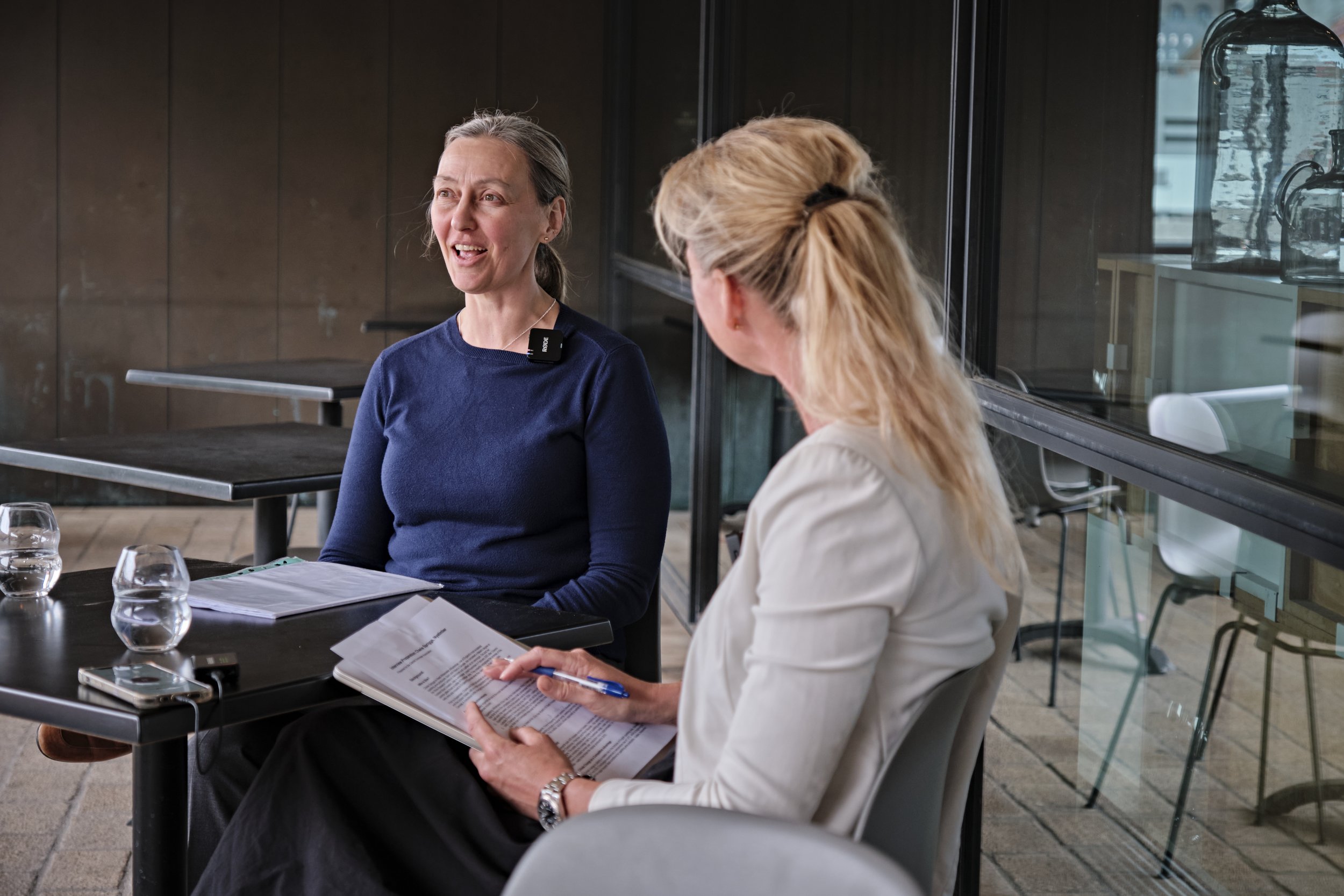
Cherie Spriggs and Anne Køster. Image: Anne Køster
Not with Beethoven’s drama, but with Chopin’s quiet depth and elegance. The winemaker who became the first person outside Champagne to win Sparkling Winemaker of the Year – and then did it again – on beating France at its own game, the freedom of starting from scratch, and why joy is the only headline that matters. Thank you to our Gold Sponsor Winegroup/ HJ Hansen /Theis Vine for setting up the interview.
Near the end of our conversation, I suggest “Ode to Joy” as a headline for an article about the award winning sparkling English wines from Nyetimber. And Cherie Spriggs laughs loudly. “As my favourite composer, I would never cry about that. But funny enough – I don’t think Nyetimber tastes like Beethoven. It’s not stormy. It’s not that dramatic.” She pauses. “I keep coming back to Chopin.”
It makes sense when you hear her explain it. Chopin was more balanced across the registers than, say, Brahms – “Brahms had such an aptitude for anything in the tenor range, very, very strong. Chopin was more balanced across the registers.” Seems light and elegant on the surface. But the depth is incredible. Difficult to play. And, as it turns out, difficult to make.
Cherie Spriggs is a classically trained pianist who thinks about wine the way a conductor thinks about a score. “If you find the balance point across the different ranges, you end up with something really powerful,” she says. “You can almost feel when music is missing something – it’s the same idea with wine. We don’t want to make something that lacks that depth you get when you’ve filled in all the elements of the register.” She has spent the better part of her professional life doing one thing: Helping Nyetimber make the best sparkling wine in the world. Not just the best English - the best.
A Bottle From a Father
The story begins in Canada, with a bottle of wine that Cherie’s father brought home from a trip to England. It wasn’t a special occasion. Just an evening, a glass – and then the moment she describes like this:
“There was this fruit intensity, but without richness, without heaviness, without coarseness texturally, that had so much potential to turn into something as good as Champagne. I hadn’t seen it anywhere else.”
Together with her husband Brad Greatrix, also an oenologist, she had plans to end up making still wine in Canada. The two had worked at wineries across Australia, New Zealand and the United States, and the future was well mapped out. Then they contacted Nyetimber and asked whether, by any chance, they might be looking for two winemakers, and they actually were.
"I don’t mind that it is compared to Champagne, because it’s easier for people to grab on to a comparison versus something that is more known. But that doesn’t mean that we don’t stand on our own two feet. We’re not just Champagne part two."
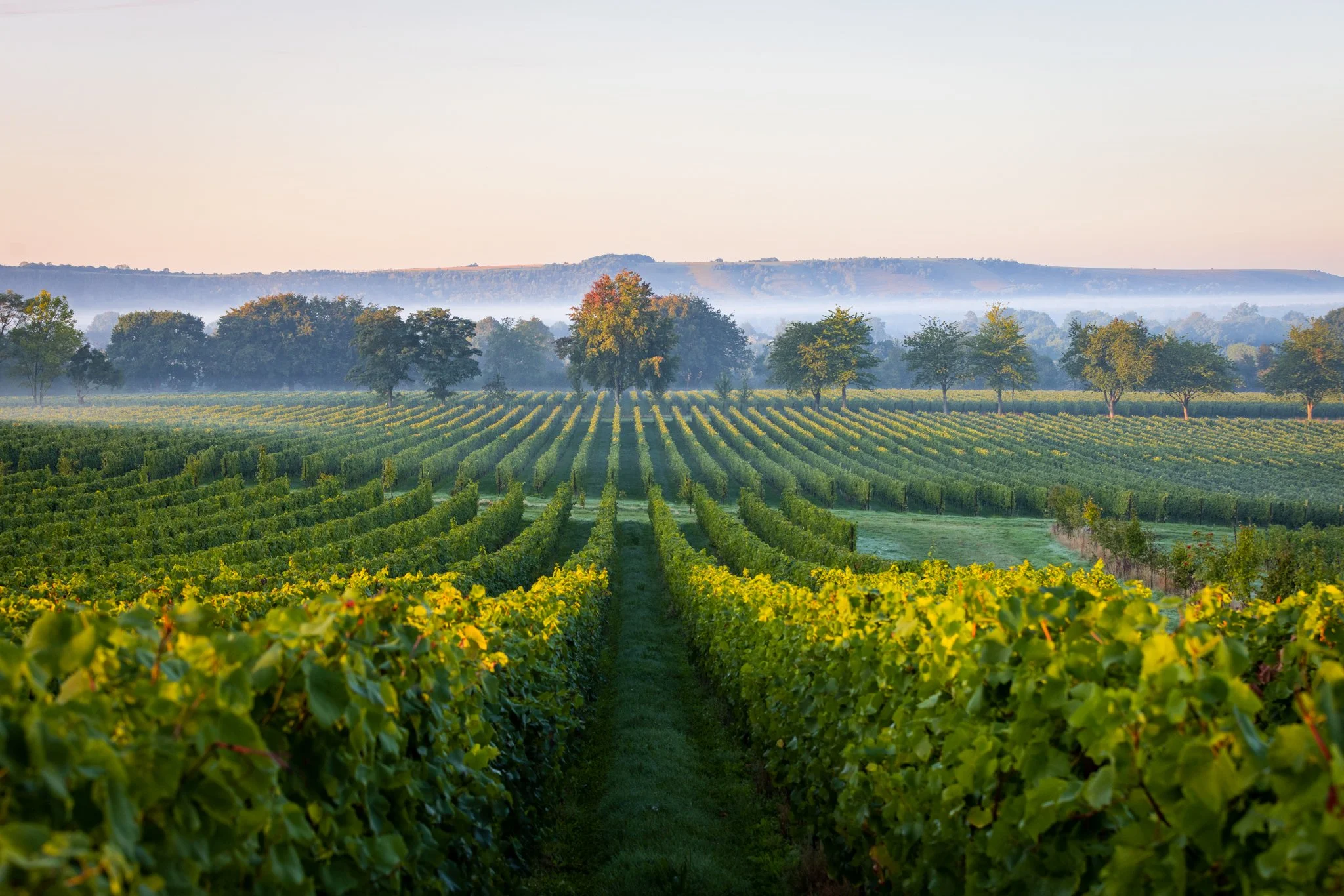
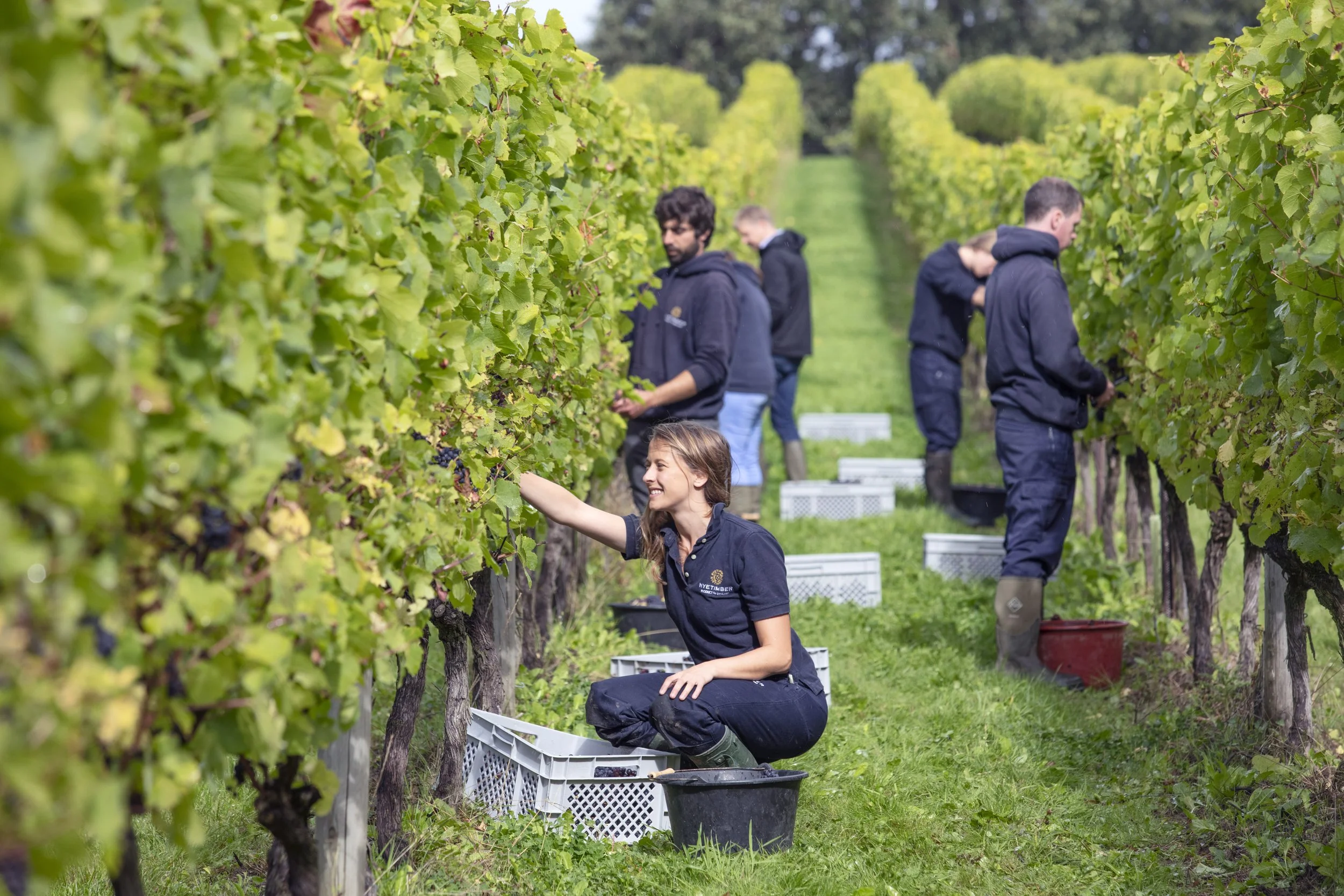
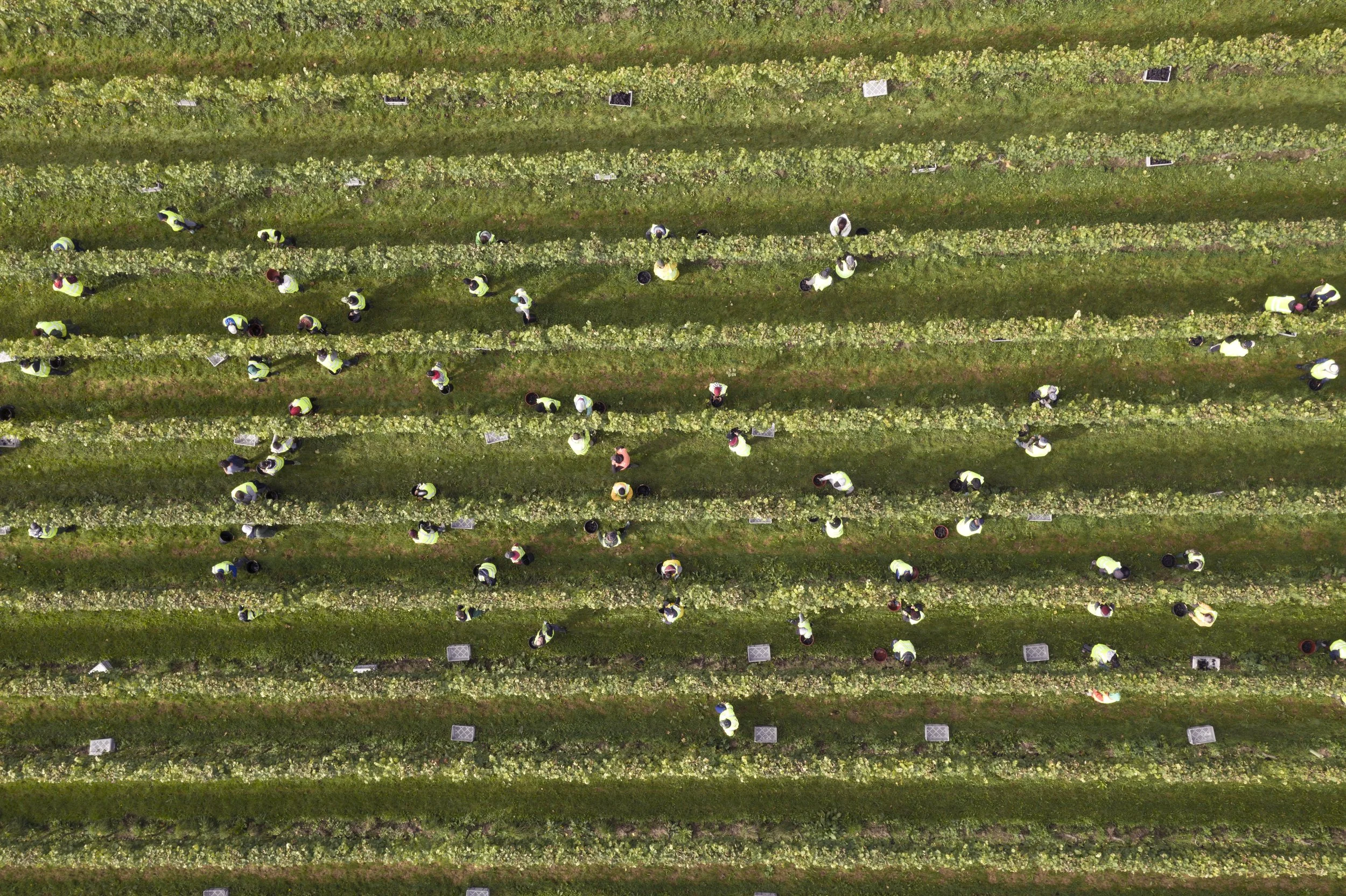
In February 2007, the couple moved to England. The vineyard consisted of 18 hectares at the time, today it is 425.
Classical – but not in the sense of old fashioned. Classical in the sense of elegance. It’s a description that turns out to apply just as well to the wine as to the music.
Beating Champagne at its Own Game
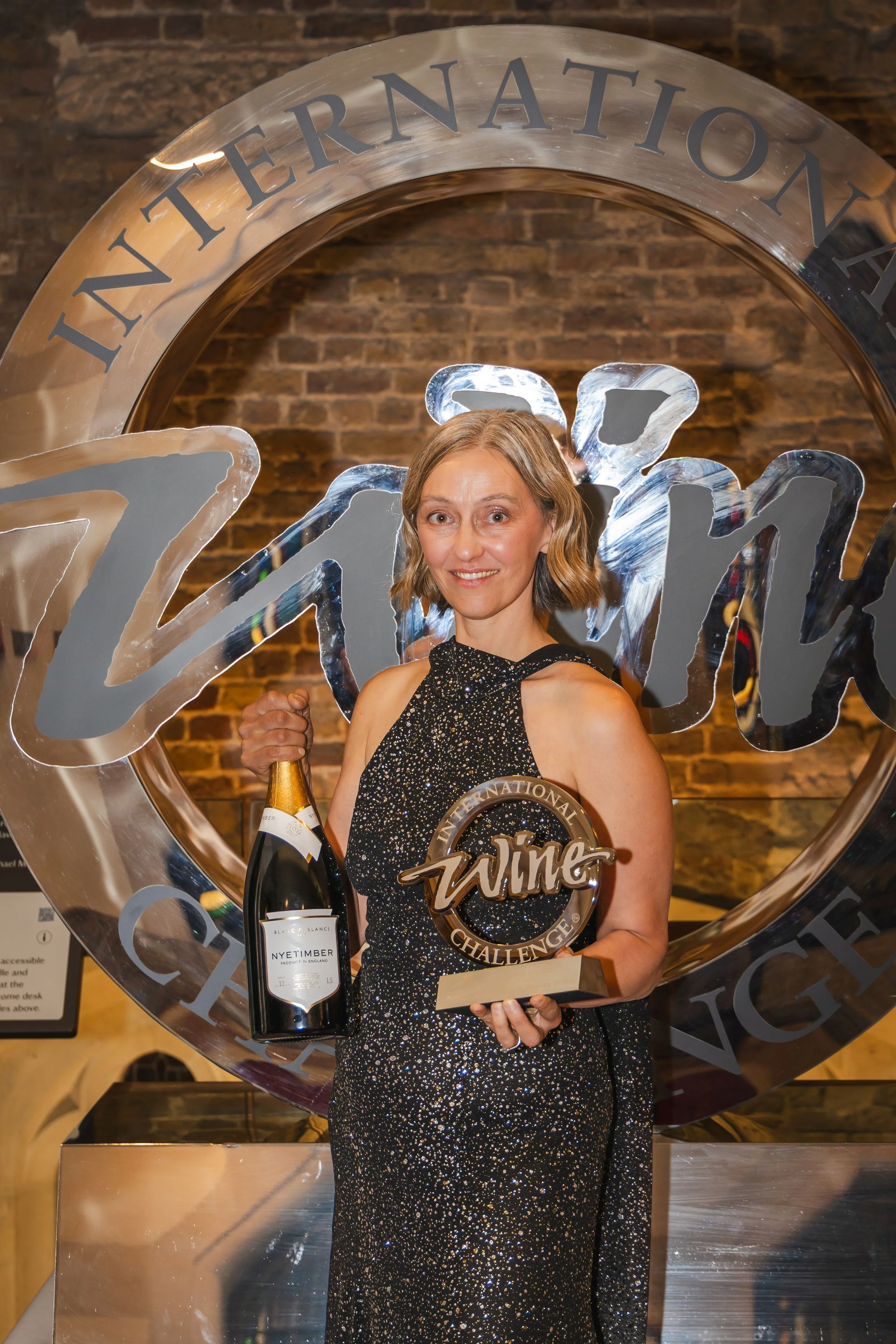
In 2018, Cherie Spriggs won the International Wine Challenge’s Sparkling Winemaker of the Year. The first time ever awarded to anyone outside France, and the first time ever to a woman. In 2025 she won again – making her the only person outside France to have done it twice. In the same year, Nyetimber’s Blanc de Blancs 2016 Magnum won Champion Sparkling Wine at the same competition – the first non-Champagne wine to win in the competition’s 34-year history.
The comparison with Champagne is, she says, inevitable – and perfectly fine.
“I don’t mind that it is compared to Champagne, because it’s easier for people to grab on to a comparison versus something that is more known. But that doesn’t mean that we don’t stand on our own two feet. We’re not just Champagne part two.”
What makes a wine distinctly English? The answer is sensory, she explains. English sparkling is lighter, crisper, fresher. The finish is more fruity, less drying. Not because it is a deliberate stylistic choice – but simply because that is what Mother Nature gives them to work with.
“It gives us delicacy and finnesse – so it’s trying to look at the wine in a way that you fill that in, but still within the context of the English character.”
Freedom – and Three Grape Varieties
One of the things that sets English sparkling wine apart from Champagne is freedom. No AOC rules, no “this is how it’s always been done”, no must and must-nots. Nyetimber can choose to press more selectively. Other producers can experiment with alternative varieties.
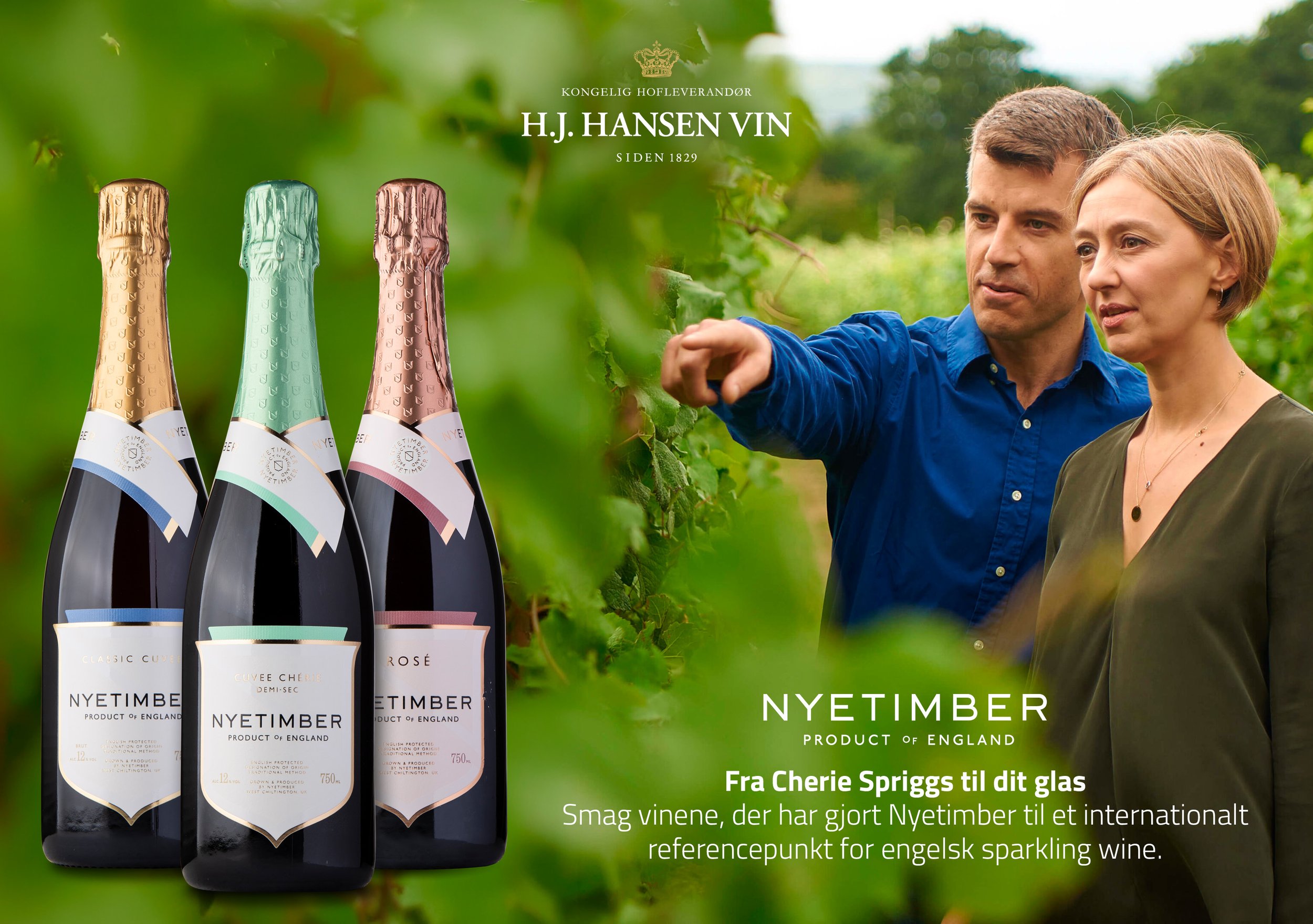
Sponsored banner from H. J. Hansen
Nyetimber does not. They stay with the three classic Champagne varieties: Chardonnay, Pinot Noir and Pinot Meunier. Not out of tradition – but out of conviction.
“We only have the three classic grapes because ultimately we feel that they are the grapes that give the taste profile that we think is the most elegant,” she says. She adds quickly: “Nyetimber’s belief is absolutely freedom – and we really support other producers doing their own thing.”
Climate Chaos – not Climate Gain
You hear it often: climate change is good for English wine. Cherie raises an eyebrow at that narrative.
“It would be wrong to say that English wine exists because of climate change,” she says. “Nyetimber started before climate change had taken a real tangible effect. And when we think climate change, the assumption is usually that it means warmer – but what it really means is climate chaos.”
She gives examples: 2021 was the coldest spring since records began, pushing bud burst back three weeks. The very next year: early bud burst and temperatures over 40 degrees in the UK. “A vine can’t change that fast. It’s stuck in one place. When you prune that vine, you’re always thinking to that year plus the next – and if those two years are vastly different, you’re going to make very different decisions.”
This is not an industry cheering uncritically for global warming. It is an industry navigating serious uncertainty – and doing so with growing skill.
Serving, Food Pairing and the One Bottle
For the sommeliers reading this, there is practical advice to be had. Cherie is unambiguous on the most important point: Do not serve the wine too cold.
“Zero degrees or four degrees is really cold – it’s a great thing to do when the wine is not good,” she says with a smile. “We set our fridges at eight degrees, anticipating that the wine will warm up once it’s out. If you don’t have a special wine fridge, try to take it out of the fridge 20 minutes before you’re going to drink it.”
On food pairing, the key is not to ask too much of a sparkling wine. Seafood and the kind of beautiful, clean food served across Scandinavia is ideal. The rosé gives more room to work with poultry and slightly richer dishes. With heavy, powerful meat dishes: step away.
Asked to name the one bottle that best captures what Nyetimber is, her answer is perhaps not the most expected one. “1086 by Nyetimber encapsulates so much of what drew me to Nyetimber in the first place – this incredible ageing potential, this purity, the silkiness of the texture, and the tension between the restraint of the wine and the fruit power. That interplay is what I really love.”
The Only Woman
There is one question I am curious about, even if I’m slightly unsure whether it is the most sophisticated one: Does being a female winemaker make a difference?
Cherie thinks for a moment. “I really don’t think about it. The only time I think about being a female in the wine industry is when someone asks me about it.” She laughs. “But biologically? I do think there is probably something. Sparkling wine is very transparent – there’s no place to hide. If you have a heightened sensitivity to perceiving all the different characters, that can help make sure the purity is there, and the elegance is there.”
"There’s something just so inherently smile-inducing about Nyetimber and the bubbles and everything that comes with it – so joy is the first word I think of."
That she is still the only woman to have won the title genuinely surprises her. “It’s 2025. I’m seven years on from the first time – how can you not have had another woman? But I think it’s because there are not enough wines made by females entering these competitions. That’s changing – it just takes time.”
Joy
Near the end of our conversation, I ask which word is the best to describe Nyetimber. The answer comes quickly.
“Something to do with joy. Because that’s what I love more than anything – when I can just sit back at an event and watch people sitting at tables with a bottle of Nyetimber, and they’re smiling and laughing and tasting and enjoying.”
She talks about those moments when she steps back and just watches. People pulling out a bottle when something big has happened in their life. Or on an ordinary Tuesday.
“There’s something just so inherently smile-inducing about Nyetimber and the bubbles and everything that comes with it – so joy is the first word I think of.”
Nyetimber might just be Cherie Spriggs' own ode to joy. Elegant, seemingly effortless — and with a depth that is very difficult to put into words.
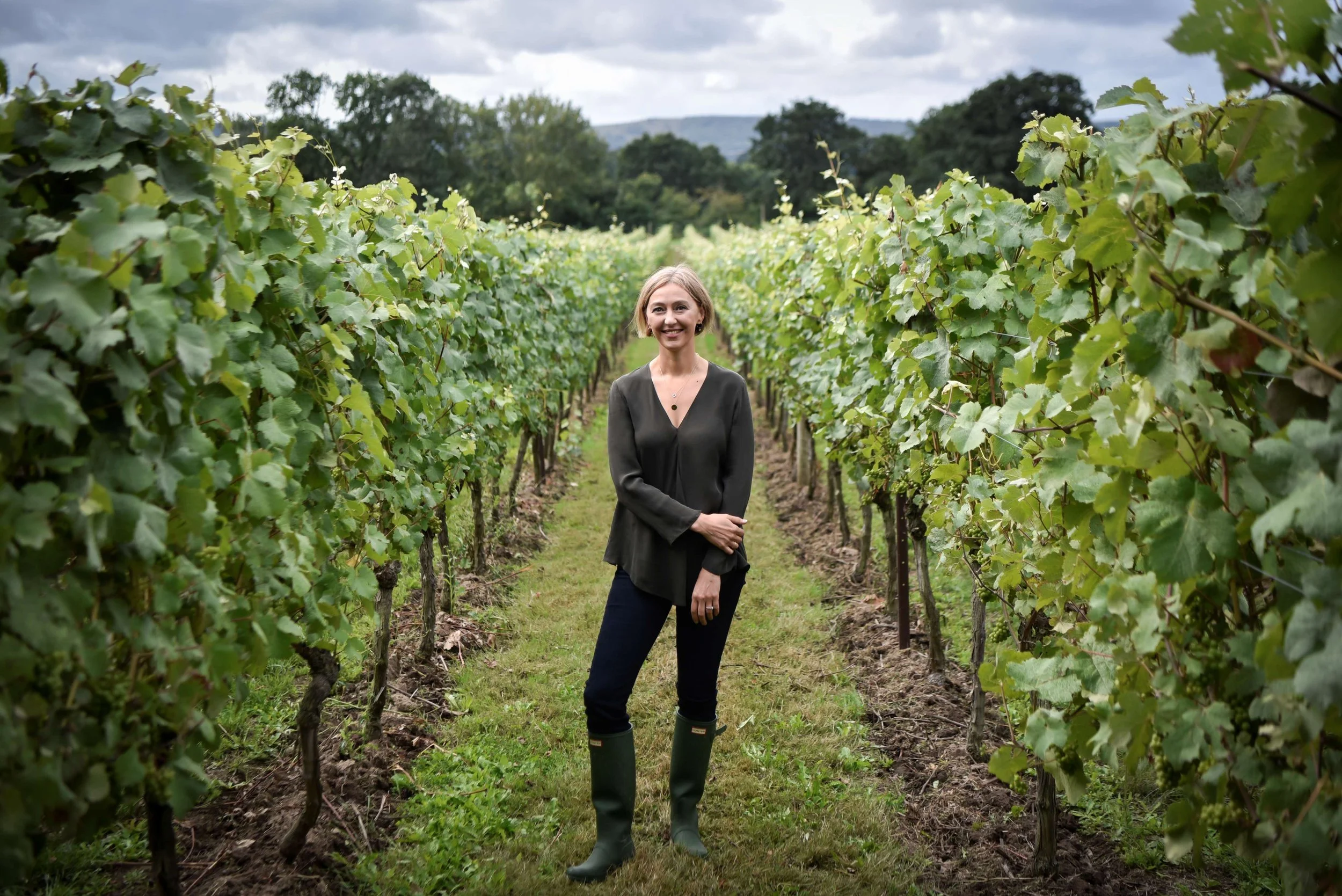
Cherie Spriggs. Image: Cherie Spriggs
FACT BOX
Cherie Spriggs
Name Cherie Spriggs
Born Canada, 48 years old
Education Master’s degree, Wine Research Centre, Vancouver. Qualified oenologist.
At Nyetimber since February 2007
Title Head Winemaker, Nyetimber
Personal Married to Brad Greatrix, also a winemaker at Nyetimber. Classically trained pianist.
Award 2018 Sparkling Winemaker of the Year, IWC – first time ever awarded to a winemaker outside Champagne, and the first woman to win.
Award 2025 Sparkling Winemaker of the Year, IWC – still the only woman to have ever won the title..
Award 2025 Nyetimber Blanc de Blancs 2016 Magnum wins Champion Sparkling Wine, IWC – first non-Champagne wine in the trophy’s 34-year history.
Nyetimber
Founded 1988, West Sussex, England
Owner Eric Heerema (owner and CEO)
Vineyards 425 hectares across West Sussex, Hampshire and Kent
Grape varieties Exclusively Chardonnay, Pinot Noir and Pinot Meunier
Production Approx. 1.6–1.8 million bottles annually
Wines 7 styles, of which 4 are vintage-dated. Prestige cuvées: 1086 by Nyetimber and 1086 by Nyetimber Rosé.
World ranking No. 32 on World’s 50 Best Vineyards 2025
Terroir Chalk and greensand soils – geologically connected to Champagne’s chalk bedrock beneath the English Channel