Domaine Chandon de Briailles: Decisions Behind the Wines
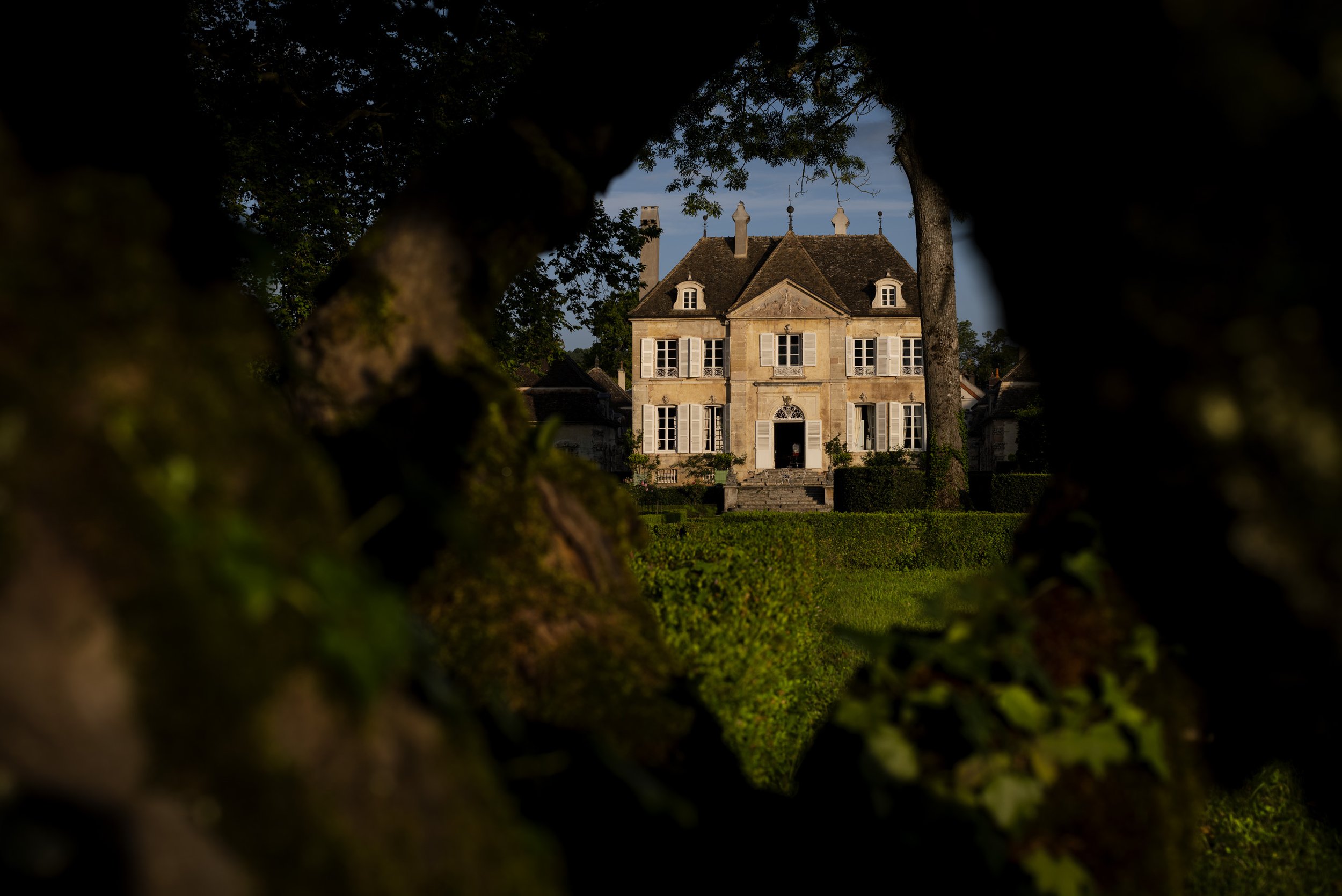
Image: Domaine Chandon de Briailles
We begin by speaking about the weather. Francois de Nicolay, who today runs Domaine Chandon de Briailles together with his sister Claude de Nicolay, describes an unstable season marked by rain, wind, and fluctuating temperatures. When I mention that Denmark is experiencing one of the coldest winters in years.
“Our weather was quite bad. Actually, it’s been raining a lot, and it’s been sometimes very cold, sometimes warmer. It’s changing all the time,” he says. Then he adds, almost immediately, “But it’s not bad. For the vines, actually, it’s quite good. We have frost in December and beginning January, and it’s quite good for the soils.”
Thanks to Luc Bouet at L’Esprit du Vin for arranging the interview.
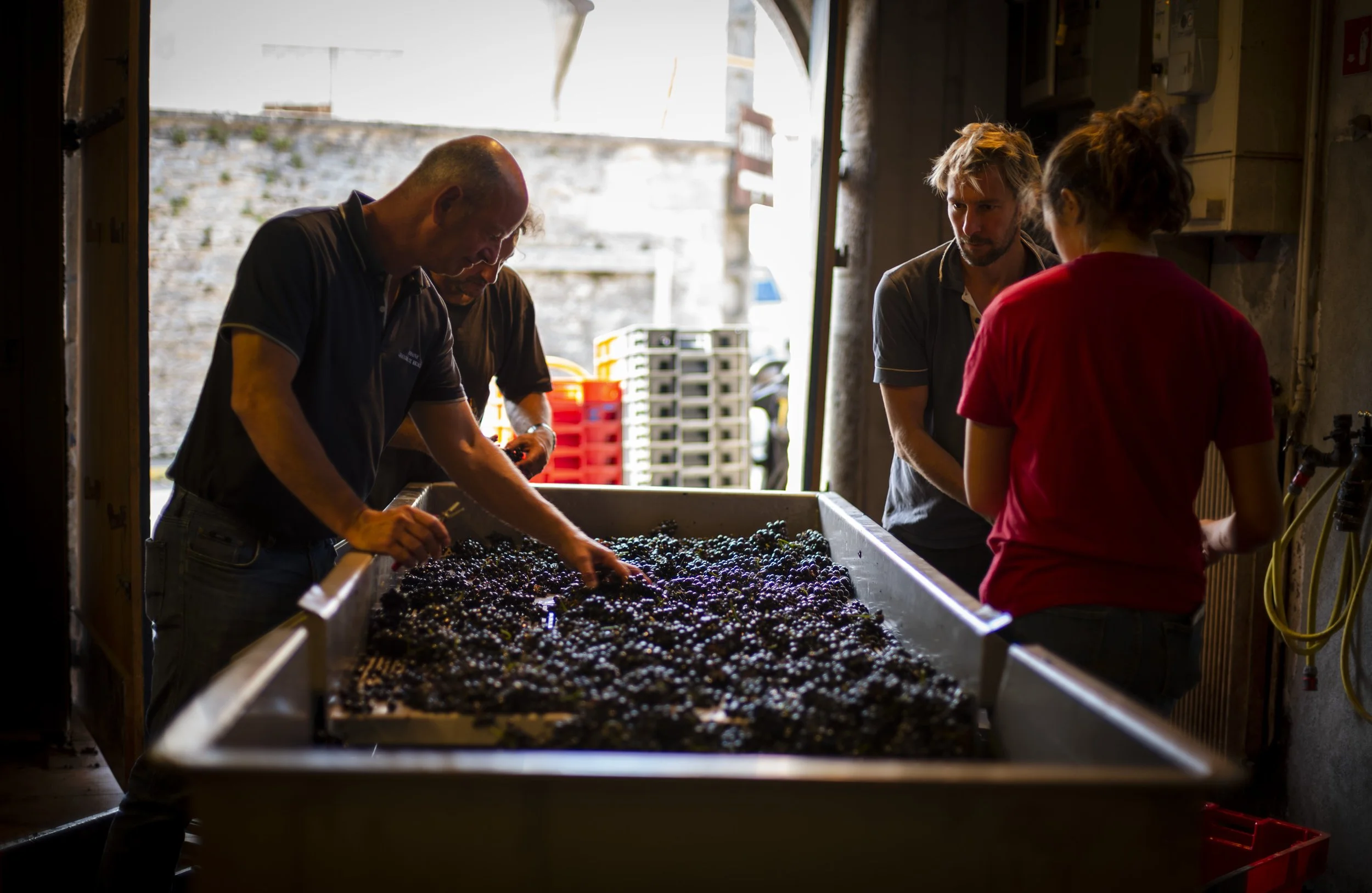
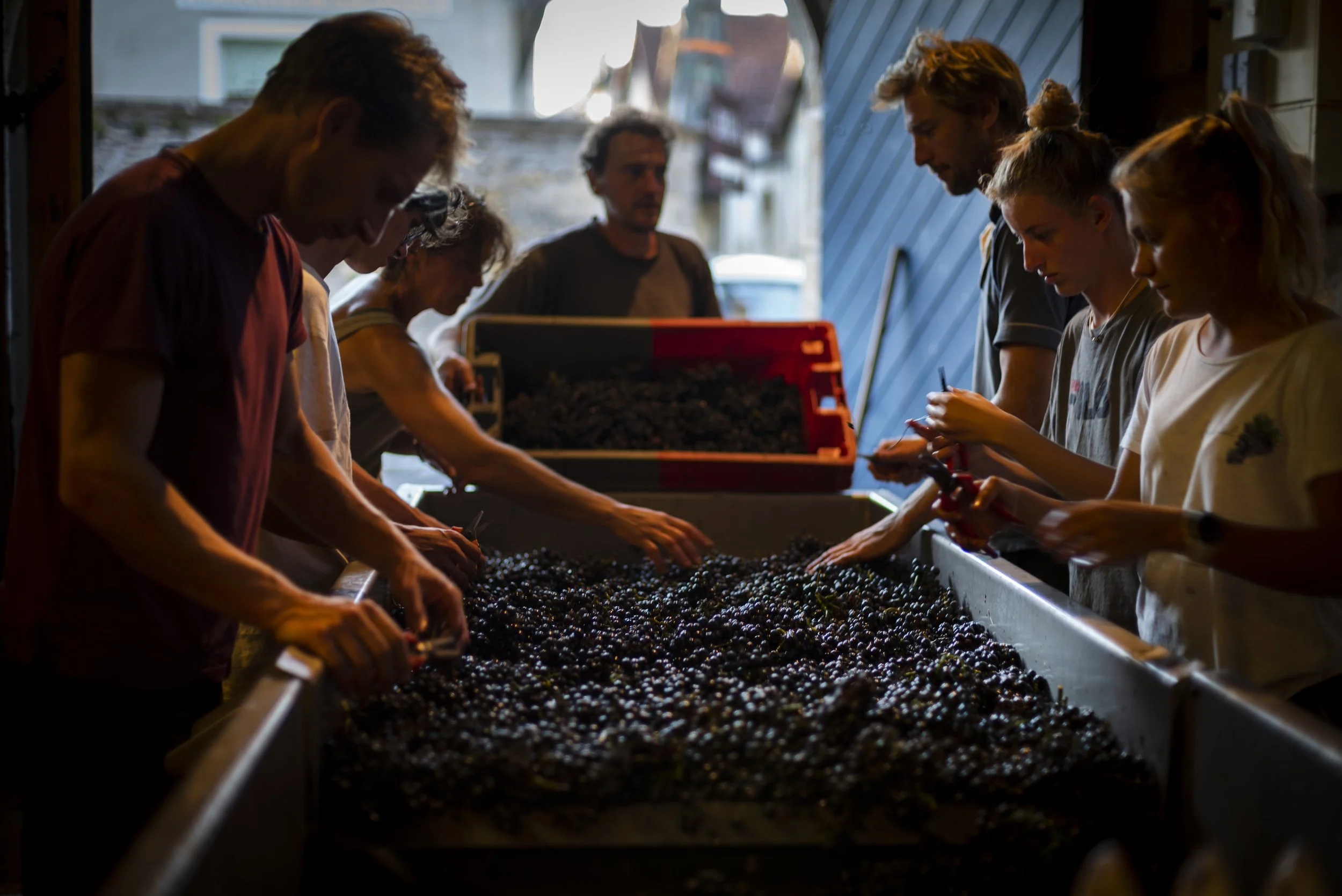
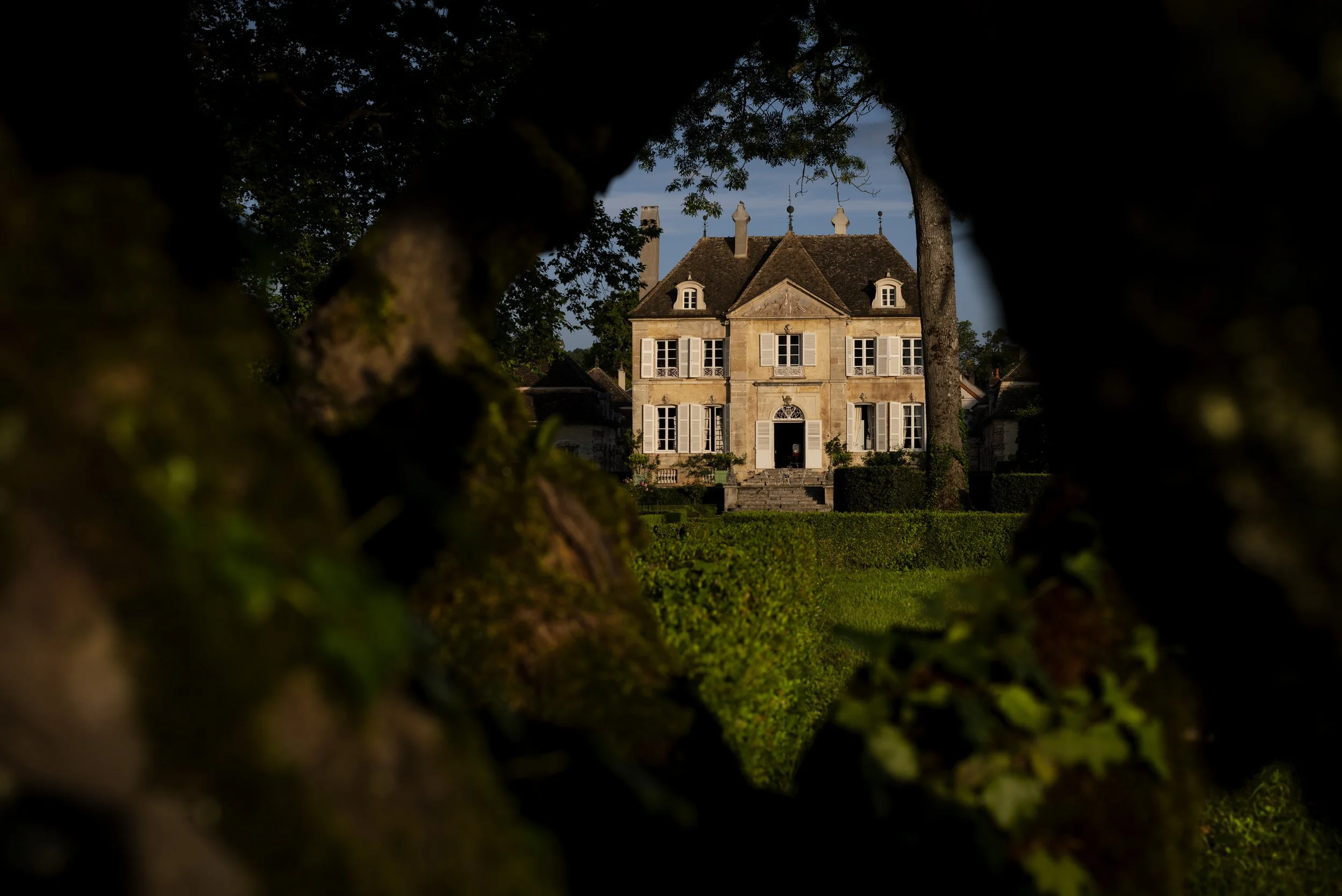
Biodynamics as a way of working
Biodynamics is often described through visible practices, yet when Francois speaks about it, the focus moves quickly away from imagery and toward practical outcomes. He acknowledges that clear specifications guide cellar work.
“There are strict specifications to follow for wine making in the cellar,” he says. “We cannot use any additives.”
At the same time, he emphasises that the intention has never been to follow rules for their own sake but to reduce intervention where possible.
“It was my aim from the beginning to make wines with nothing added, except a little permitted sulphite.”
At Domaine Chandon de Briailles, sulphur levels are kept extremely low.
“We have between 15 and 40 total sulphites in our wines” he explains, referring to total sulphur dioxide levels measured in milligrams per litre. Only when deemed necessary, a light dose of 20mg/ L of sulphur is added at bottling.
For him, the central idea remains the quality of the fruit itself.
“To me, when the vines are well cultivated, they produce a beautiful, high quality, rich and balanced grape.”
When I ask when biodynamics becomes intuition rather than method, he responds thoughtfully.
“Some people think that biodynamics is only a recipe,” he says. “It’s not the case at all. It’s a philosophy and it’s about reconnecting humans to their environment.”
Trusting preparation
One of the themes that returns throughout our conversation is trust. I ask whether biodynamics has ever required him to accept something he might previously have tried to control.
“Biodynamics requires you to trust your work in the vineyard,” he says. “The rest is monitoring but not control.”
This distinction between monitoring and controlling is subtle but important. Careful attention remains essential, yet the objective is not to reshape the wine during vinification but to allow it to develop with minimal correction.
"We no longer have problems with reduction during fermentation or ageing in barrels. We don’t have to rack the wines."
Skimmed milk
One of the more unexpected adaptations at the domain is the replacement of sulphur sprays with skimmed milk to combat powdery mildew. What might initially sound experimental is described by Francois as a gradual and pragmatic transition.
“We have not just reduced our use of sulphur in the vineyards. We don’t use it anymore. We use skimmed milk.”
The method originates from historical agricultural practices and was tested through several vintages before being adopted fully.
“We ran trials in 2013 and 2014, and they were very successful. So in 2015 we began using only skimmed milk.”
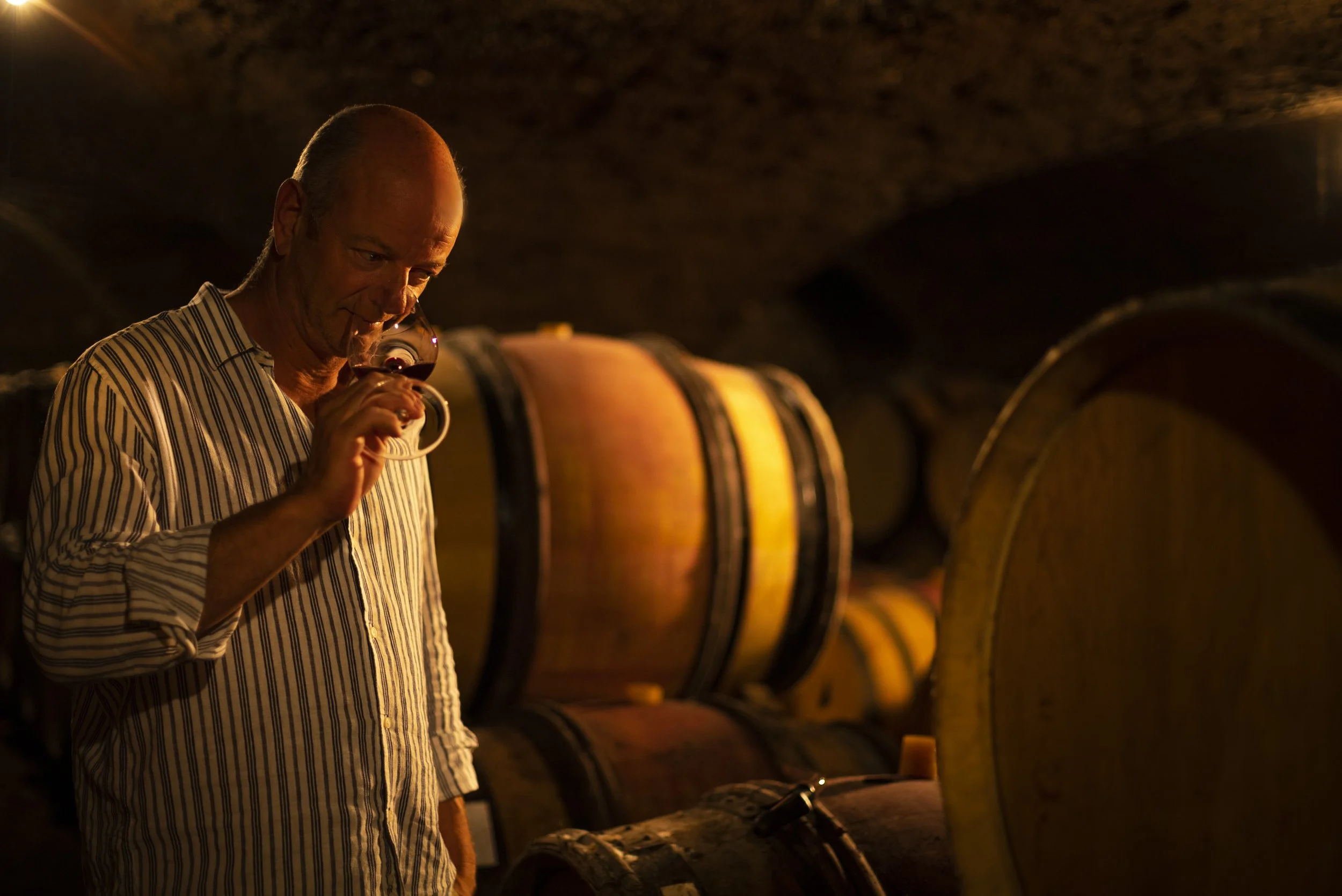
Francois de Nicolay. Image: Domaine Chandon de Briailles
He notes improvements not only in disease management but also in fermentation behaviour.
“We no longer have problems with reduction during fermentation or ageing in barrels.” he says. “We don’t have to rack the wines.”
After he explains how replacing sulphur sprays influenced both vineyard health and cellar behaviour, I realise that what might appear technical from the outside is in fact a chain reaction. A decision taken to reduce impact in the vineyard has consequences for reduction in the cellar for handling and for overall stability.
I ask him why specifically skimmed milk is used rather than other alternatives like semi or fat and his answer is practical:
“You should not spray fat on the vines or on the soil. It’s not good for the environment,” he says.
"What we could see, because it takes time, was that after about five years of working with horses, the wines began to develop a more pronounced mineral character and a saline finish"
Horses, soil structure and time
The transition to working exclusively with horses followed a similar pattern of observation over time rather than sudden change.
“Since 2016 we have worked the entire domain only with horses. There are no tractors anymore.”
He explains that the effects were not immediate and required several years before becoming visible in the wines.
“What we could see, because it takes time, was that after about five years of working with horses, the wines began to develop a more pronounced mineral character and a saline finish.”
He describes the mechanism through soil structure and water movement. Decompacted soil allows deeper root systems, which in turn encourage the development of mycorrhiza fungi that help transport water and trace elements.
Five years is a long time to wait for confirmation especially in a region where each vintage carries weight. Yet he describes it without emphasis almost as if waiting itself was part of the process.
“I would never go back to tractors,” he says.
Sponsored banner from L’Esprit du Vin
Harvest decisions and whole cluster
Harvest timing is described as a process of cross-referencing rather than relying on a single indicator.
“The ideal way to determine the harvest date is to cross reference information,” he explains.
Laboratory analysis is combined with tasting and visual observation in the vineyard.
“When I go to the vines and I taste the grapes, I know if we can go.”
Whole cluster fermentation is used consistently.
“We have systematically vinified using whole bunches since 2011.”
Rather than adapting percentages to stylistic trends, he prefers continuity adjusting only when conditions such as hail or frost require flexibility.
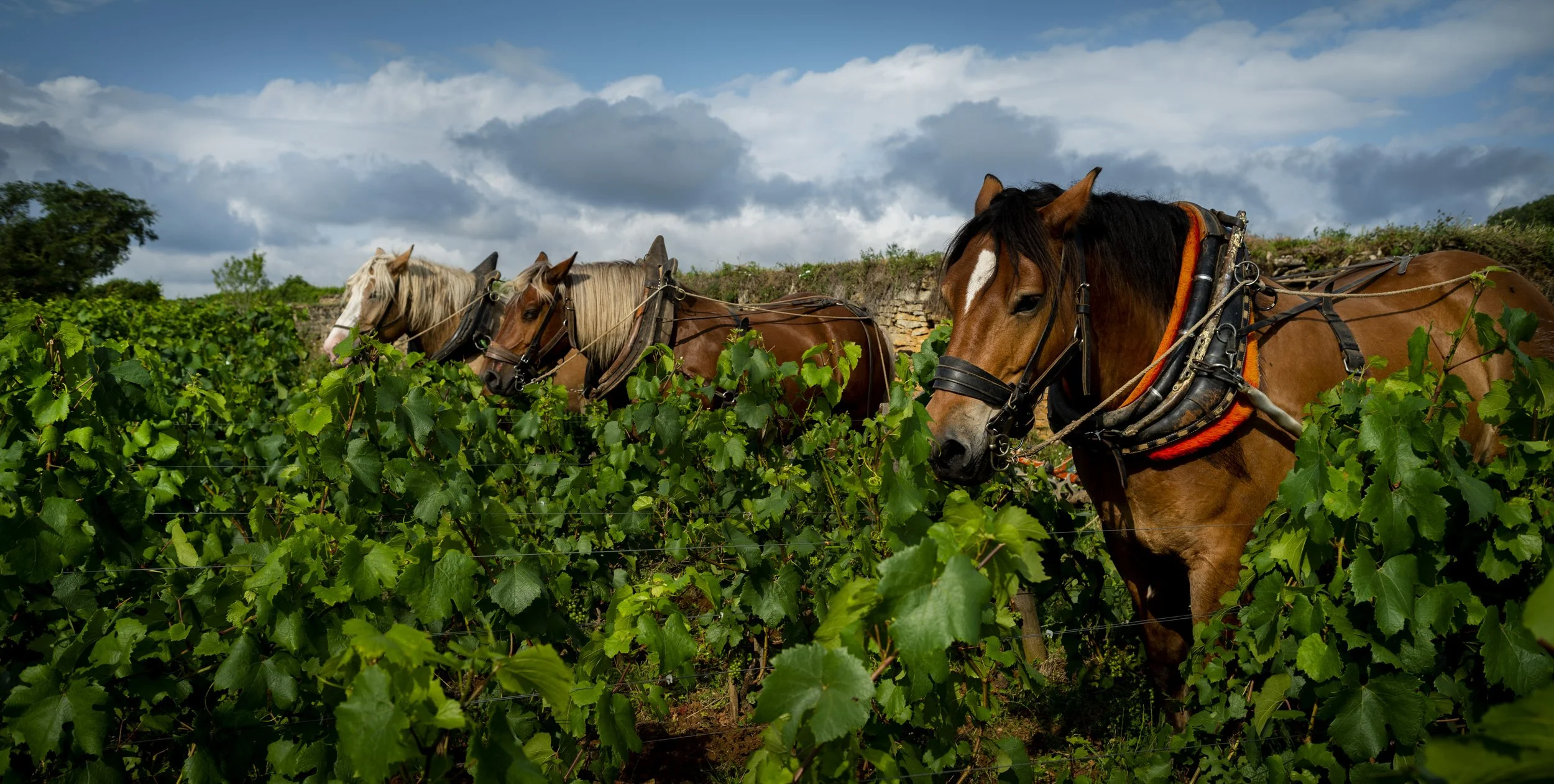
Image: Domaine Chandon de Briailles
Gentle handling in the cellar
In the cellar, the domain has moved steadily toward gentler handling.
“We don’t use pumps at the domain anymore, neither for vinification nor for aging. We rely solely on gravity.”
The reasoning is partly hygiene particularly when working with minimal sulphur additions.
“The problem with the pump is that sometimes it’s never totally clean.”
Fermentations unfold naturally in cool conditions, sometimes slowly, sometimes over extended periods.
“The wines are more free, and they give you much more aromatics, much more freshness when you go that way,” he says.
Despite minimal intervention,oxygen management remains precise through the use of inert gas when needed.
Sulphur-free wines
The domain has produced wines without added sulphur for many years yet Francois is careful to avoid presenting this as ideology.
“It’s not a religion,” he says.
Before deciding to bottle without sulphur, several factors are evaluated carefully, including laboratory analysis, turbidity, acidity, and the general behaviour of the wine during ageing.
“If you have low acidity, you should add a little sulphite, and then you can sleep better at night.”
He believes that when conditions allow, the absence of added sulphur can amplify aromatic precision and clarity of terroir expression.
“The aromatics of wines without added sulfates are pushed to their maximum.”
At the same time, he avoids positioning the wines within a broader natural wine identity.
“I don’t belong to this world,” he says.
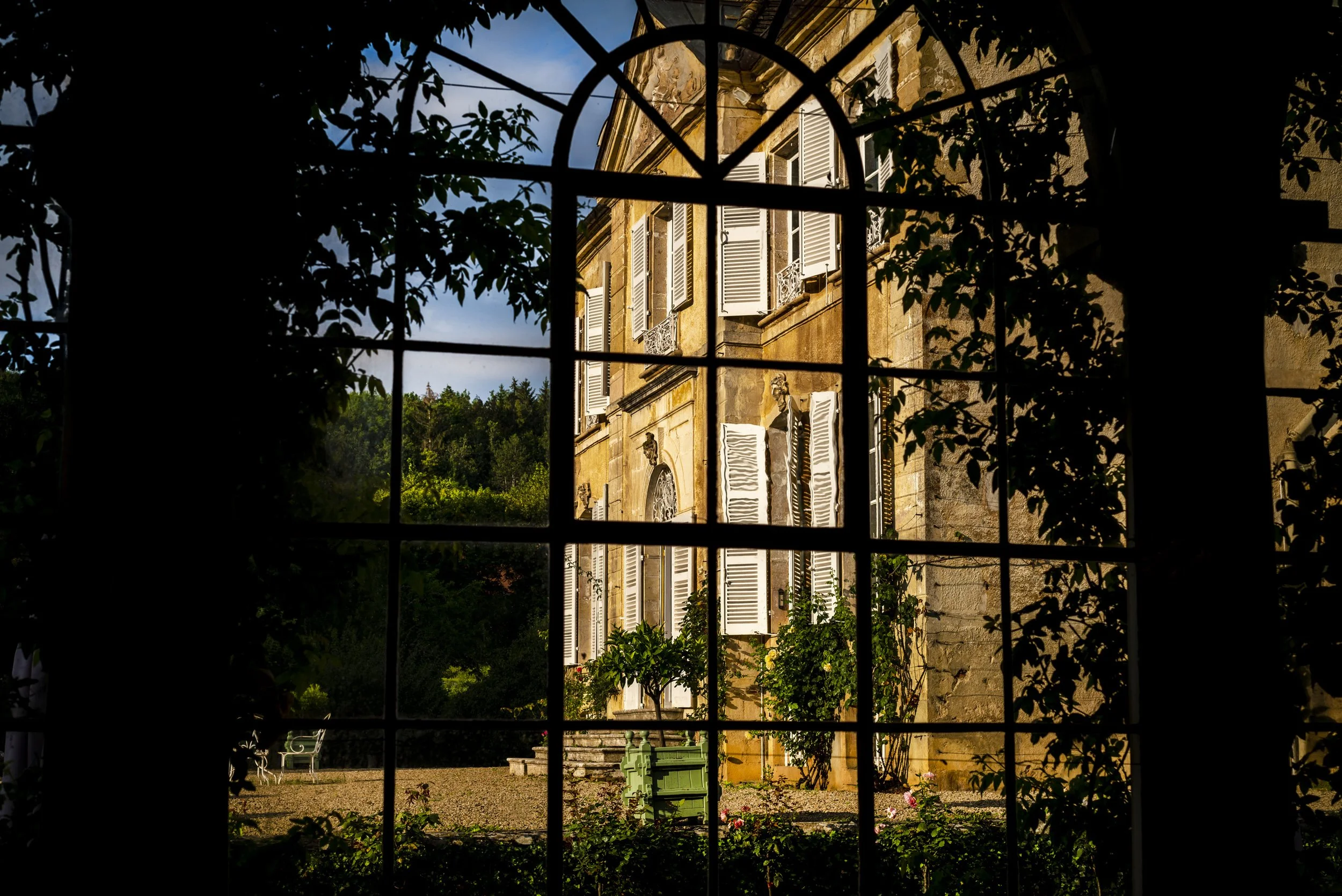
Image: Domaine Chandon de Briailles
"The Pinot Blanc we have here is not very interesting when pressed directly. However it develops more complex aromatic profiles when it’s macerated."
Pinot Blanc within classification
Within the Premier Cru parcel Île des Vergelesses, a small number of rows of Pinot Blanc were planted by his mother. Over time, Francois chose to vinify this separately.
“My mother planted this Pinot Blanc,” he explains, noting that it was originally blended with Chardonnay before he decided to vinify it separately.
Initially pressed traditionally, he later experimented with maceration.
“The Pinot Blanc we have here is not very interesting when pressed directly,” he says. “However it develops more complex aromatic profiles when it’s macerated.”
The resulting wine reflects an attempt to understand how a different grape might express itself within an established terroir, rather than a challenge to classification itself.
As our conversation comes to an end, I ask whether there is something he hopes sommeliers will understand more clearly about their work.
“I hope it gives sort of model,” he says. “That we can manage high quality level of wines with preserving the environment as much as we can.”
Over the course of our discussion, what becomes evident is that the work at Domaine Chandon de Briailles is shaped less by declaration and more by adjustment. Replacing sulphur sprays with skimmed milk, removing tractors, eliminating pumps in the cellar, bottling without sulphur when conditions allow, and exploring Pinot Blanc within a classified site are not presented as defining moments, but as results of observation over time.
For sommeliers, this perspective feels relevant. In a period where categories such as biodynamic, natural, sulphur-free or traditional are often framed as opposites, Francois describes something more continuous. Intervention is reduced where possible, stability is maintained where necessary and classification remains a framework rather than a boundary.
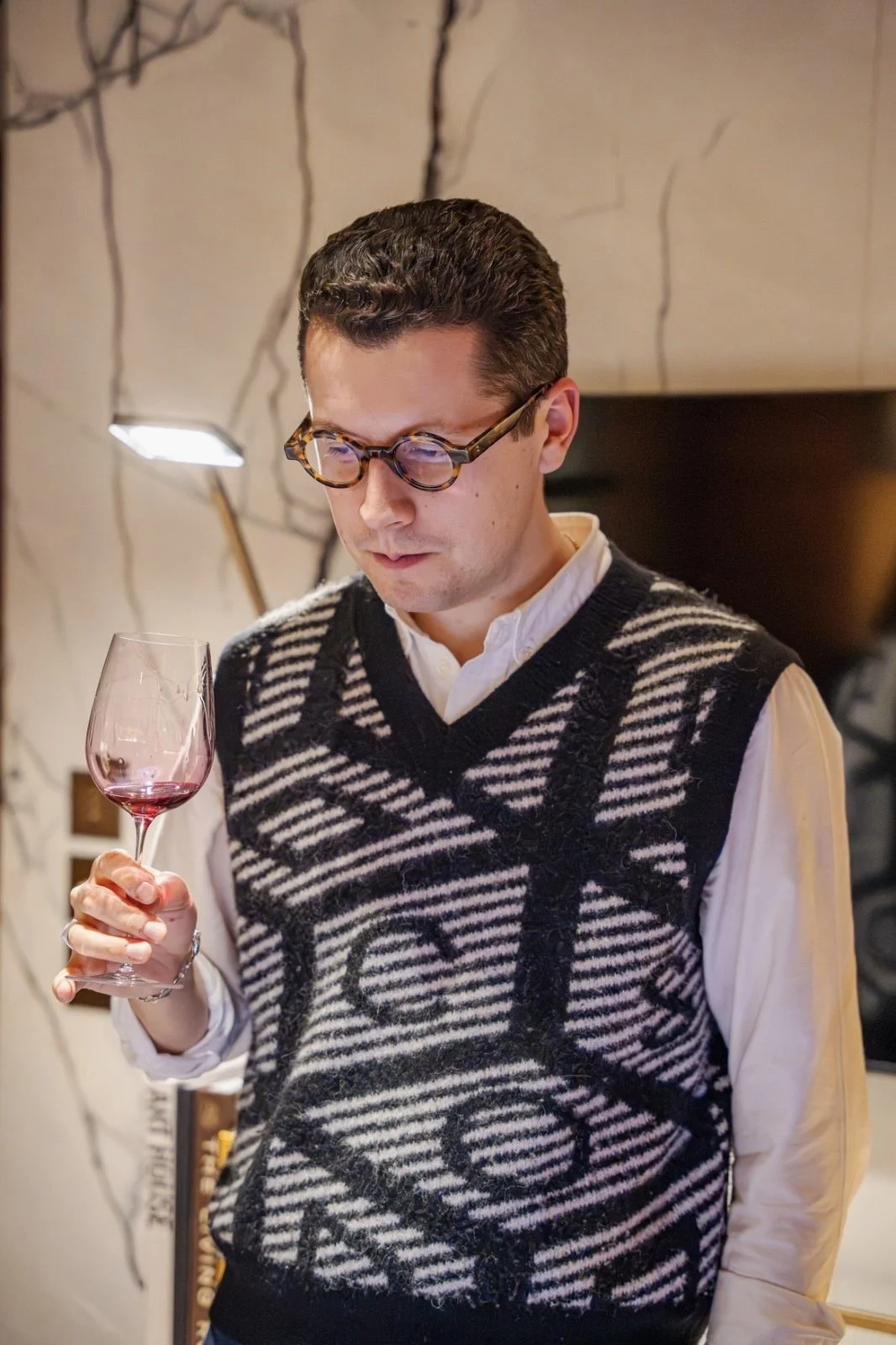
Luc Bouet at L’Esprit du Vin:
“I’m personally very fond of the wines (in all three colours) at Domaine Chandon de Briailles, whose style is driven by whole-bunch fermentation, fruit-coated tannins, and minimal, if any, sulphur in the cellar - a combination that, when done well, delivers some of the most aromatic and detailed Pinots coming out of Burgundy! As you move up through the range towards the grands crus, the wines really show their class, and I’d say they sit stylistically somewhere between DRC and Prieuré Roch: classical in profile and expressive of their terroirs despite the hands-off, whole-bunch approach."
"Until 2022, the wines were made by Christian Knott, and he has been succeeded by Samuel Berger, formerly cellar master at Domaine Ganevat. It’s exciting to see a historic, family-owned domaine continuing to look forward and not being afraid to evolve its style in response to changing climatic conditions and their own tastes. The whites, in particular, feel refreshed and more dynamic, now seeing up to 30 months in large-format Stockinger casks before bottling, which brings a striking reductive nose and tension to the palate. Among recent releases, the 2021 Île des Vergelesses Blanc was immense - tasting very much like a Corton-Charlemagne in disguise, with its pitch-perfect balance and chalky tension. These are modern white Burgundies that remind me of the very best in Jura, for want of a stylistic comparison.”
Domaine Chandon de Briailles | Fact Box
Location: Savigny-lès-Beaune and Pernand-Vergelesses, Burgundy, France
Ownership: Family-owned estate, today managed by siblings Francois and Claude de Nicolay
Total vineyard area: Approximately 13.5 hectares
Key appellations:
Savigny-lès-Beaune
Pernand-Vergelesses
Corton Grand Cru
Farming approach:
Certified biodynamic (Demeter)
Horse ploughing across the domaine
High biodiversity focus, including tree planting and reduced soil compaction
Cellar philosophy:
Native yeast fermentations
Whole cluster fermentation (except in extreme vintages)
Gravity flow, no pumps
Minimal additions and very low total SO₂ levels
Bottling without added sulphur when conditions allow
Notable practices:
Replacement of sulphur sprays in vineyard with skimmed milk against powdery mildew
Exploration of macerated Pinot Blanc within a Premier Cru site (“La Vie Est Belle”)
Overview of the appellations that Domaine Chandon de Briailles produces:
White
Savigny-lès-Beaune 'Les Saucours' Blanc
Pernand-Vergelesses 1. Cru 'Île des Vergelesses' Blanc
Corton Blanc Grand Cru
Corton-Charlemagne Grand Cru
Orange
Pernand-Vergelesses 1. Cru 'Île des Vergelesses' “La Vie Est Belle”
Red
Savigny-lès-Beaune 1. Cru 'Aux Fournaux'
Savigny-lès-Beaune 1. Cru 'Les Lavières'
Pernand-Vergelesses 1. Cru 'Île des Vergelesses' Rouge
Pernand-Vergelesses 1. Cru 'Les Vergelesses'
Aloxe-Corton 1. Cru 'Les Valozières'
Corton Grand Cru 'Les Maréchaudes'
Corton Grand Cru ‘Les Bressandes'
Corton Grand Cru 'Clos du Roi'