Tim Mondavi & the Continuum Approach
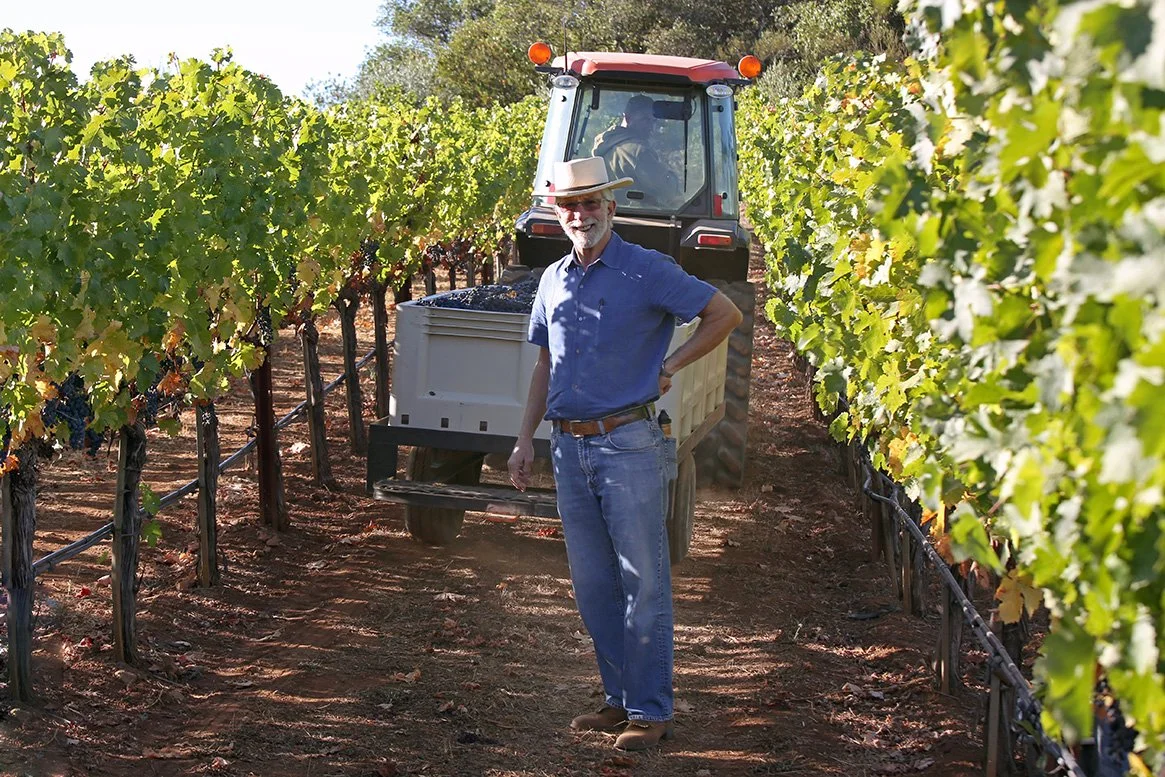
Tim Mondavi. Image: Continuum
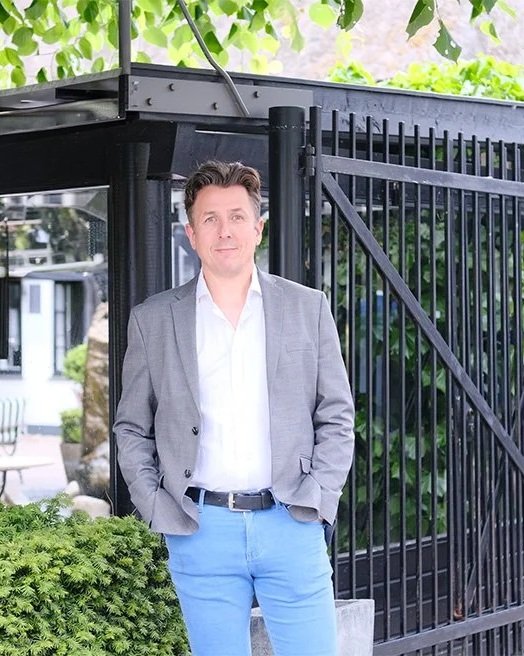
The interview was organised by David Ekberg from Laudrup Vin.
For him, the estate stands out for one clear reason: “What sets Continuum apart from many other Napa wines is its unique understanding of terroir and some of the best vineyard sites in the area.”
I met Tim Mondavi at Hotel d’Angleterre in Copenhagen. Continuum was the focus of our meeting, but Tim’s story covers decades of work and many different projects. Much of his background is already well documented, and many of the obvious questions have been asked before. I was more interested in how his experiences connect, and how choices made years apart can lead to one clear direction.
Tim suggested we let the conversation unfold naturally. He wanted to begin with context, not conclusions. He returned several times to the idea that clarity takes time.
He explained that he does not see Continuum as a typical Napa Valley project. He prefers to think of it as standing among the best wines in the world, comparable in ambition and intent to a first growth. The estate comprises 173 acres of land, of which 70 acres are planted to vines. Everything produced comes entirely from this single estate.
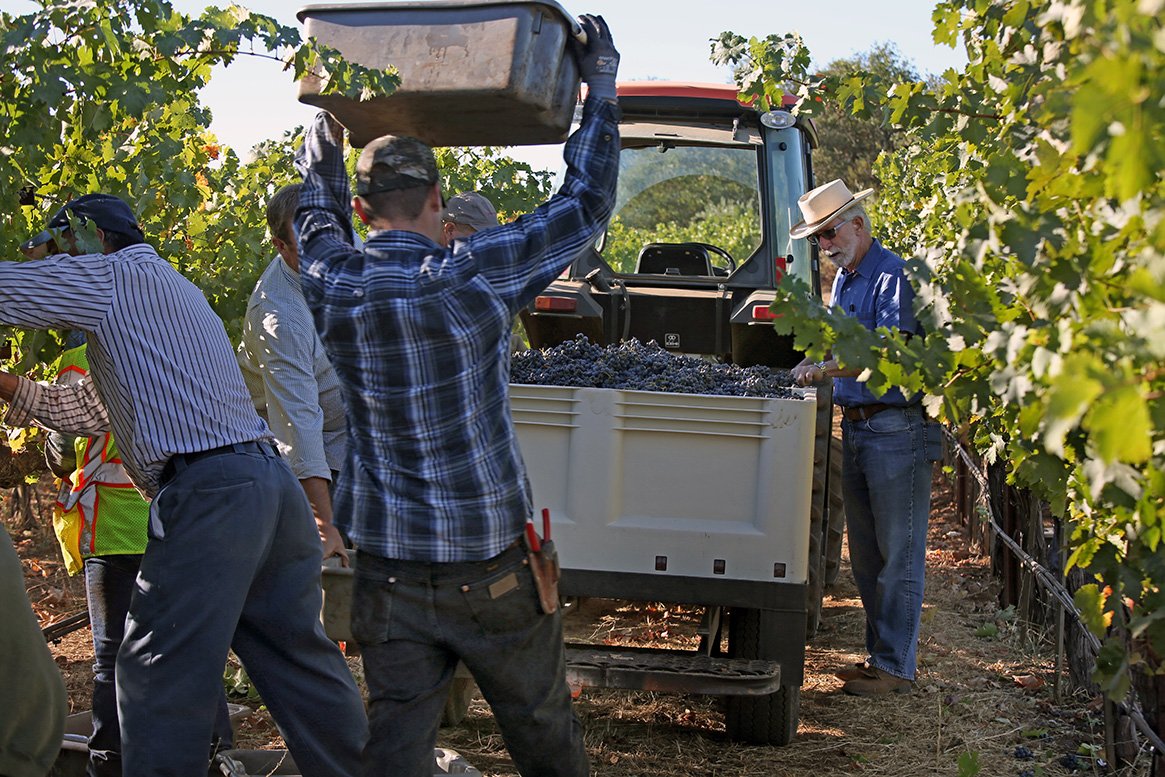
Tim Mondavi. Image: Continuum
Four grape varieties define the vineyard. Cabernet Sauvignon and Cabernet Franc form the core. Petit Verdot and Merlot play smaller but important roles. This blend approach developed over time, based on tasting and observing how varieties respond to site, climate and stress.
"My family has been in wine now since 1919. My grandfather Cesare got us going. My father Robert took us to the stars."
Growing Up Inside Wine
To explain why Continuum exists in this form, Tim returned to his beginnings. Wine was part of his life from the start.
“My family has been in wine now since 1919,” he said. “My grandfather Cesare got us going. My father Robert took us to the stars.”
He spent much of his childhood around Charles Krug Winery, established in 1861 and the oldest winery in Napa Valley.
“I would play in the tanks like a little boy would, know that cellar better than anybody and also in the vineyard,” he recalled.
He described climbing around pumice piles and watching grapes arrive from across the valley. Over time, this became an early education in how fruit from different areas behaves differently. When he spoke about developing “Appalachian systems,” it was clear he was describing an early way of thinking about site differences in Napa Valley.
By the time Robert Mondavi Winery was founded, Tim was already involved. He put the first valves on the first tanks and worked there every summer from the beginning. In 1974, his father placed him in charge of both vineyards and wines.
“I’ve grown up with this great change,” he said.
"There was a pebble that was thrown into this otherwise tranquil sea, and the ripples of that pebble awakened the wine world."
Napa as a Catalyst
Tim described how the early Napa years felt active and forward looking. He recalled a visit from Hugh Johnson, who framed Robert Mondavi’s impact in a memorable way.
“The world of wine was a tranquil one,” Johnson said. “There was an oversupply, and everything was calm and nothing much changed. Every generation followed what had happened before.”
Then came the disruption.
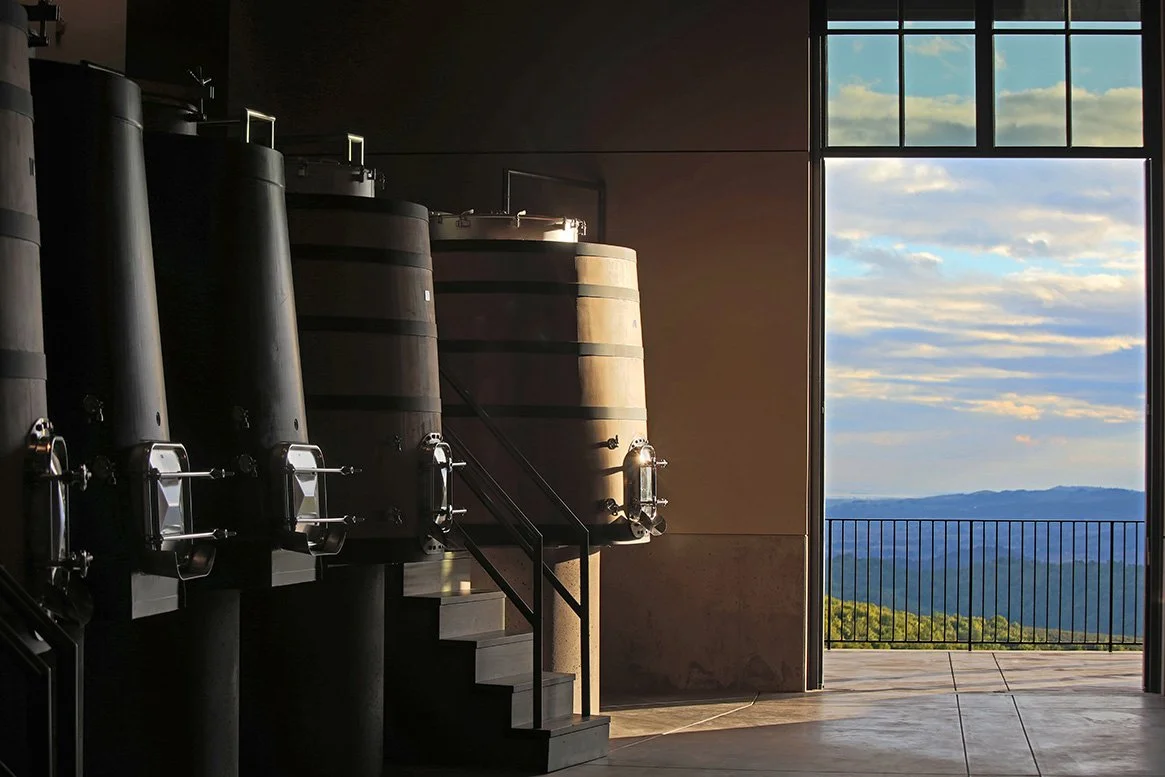
Image: Continuum
“There was a pebble that was thrown into this otherwise tranquil sea, and the ripples of that pebble awakened the wine world. And that pebble landed in Oakville, Napa Valley, California, and the man that threw that pebble was Robert Mondavi.”
Tim described how Robert Mondavi Winery pushed toward quality with modern tools and new benchmarks. He also described the wider attention Napa began to receive. Baron Philippe de Rothschild visited because he saw potential.
“He saw the buzz that was going on in California, and saw the potential and he said, I want in.”
Opus One followed.
“I was the winemaker at Robert Mondavi Winery, working with our team but I was there, and that was great fun.”
Tim described that era as a period of momentum.
“They were heady days. They were exciting times.”
Loss, Control, and the Decision to Begin Again
The conversation shifted as he described the changes that followed. Phylloxera spread through Napa in the 1980s and forced widespread replanting. The process required capital and changed how the region worked.
In 1993, the company went public under rules that initially allowed the family to retain control. At the same time, replanting changed Napa viticulture. Vineyards moved toward higher density plantings. Rootstock choices were reassessed. Growers became more precise and more involved.
Later, the rules around control changed again.
“We lost control of the company and our outside directors overused my father’s good name,” Tim said.
By 2004, the company was taken over.
“I’ve often said that we were broken hearted,” he reflected. “As my father would say, we didn’t have a vine to our name.”
He described it as painful, but he also described what came next clearly.
“I was determined to begin again.”
"It’s not just more concentration. It’s more concentration of something that’s even better."
Choosing the Hills
Continuum was built as a new start with a single focus. Tim chose to move away from the valley floor and into the hillsides.
“Napa Valley is north of San Francisco Bay, and I chose to go from the valley floor up into the hillsides.”
The site came in two parcels and required patience. His father passed away before the first escrow closed.
“I think we’ve got somebody pulling for us,” he said quietly.
From the site the view extends south toward San Francisco Bay, cooling air from the Pacific shapes the climate.
“When people think of California, they think of California sun. They think of Baywatch,” Tim said. “You don’t do that in San Francisco. It is freezing as cold.”
He explained why the cold matters. It slows ripening and helps preserve freshness. It can also lower disease pressure and support organic farming.
He also noted how small Napa is within California.
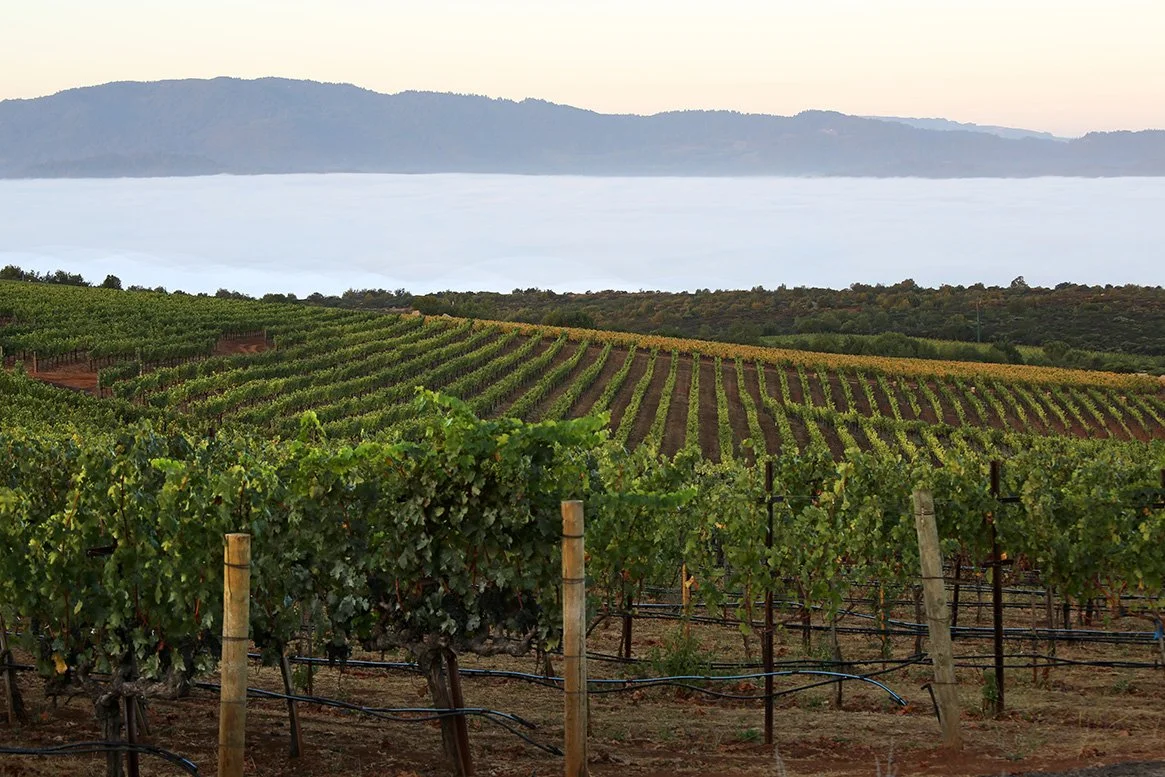
Image: Continuum
“So we are tiny upon tiny,” Tim noted. “The best wines are on the sides of the hill.”
He explained that valley floor soils are deeper and more fertile. Vines can stay in a vegetative phase longer, growth is more vigorous, and berries can become larger. Hillside soils are thinner and more limiting, which pushes vines earlier into maturation.
“That’s why the grand crus are so great,” he said. “It’s not just more concentration. It’s more concentration of something that’s even better.”
Continuum as a Way of Working
Toward the end of our conversation, I asked about the name and what it represents after everything he described about restarting and narrowing focus.
He said Continuum matters because it allows him to carry forward the best of what his family stood for, while still giving each vintage and each generation room to respond to the site.
He connected this thinking to Novicium, the second wine.
“The crown prince that will be king one day.”
The name reflects younger vines, but also the idea of staying a novice. He described it as a mindset, even after decades in wine.
Sentium, the white wine created by the next generation, followed the same logic.
“Even the name kind of implies to use all of our senses.”
The key point was clear. Continuum is not a side project. It is a focused estate, shaped by a long career, and designed for longevity.