
Reykjavík is About to Become the Nordic Capital of Sommellerie
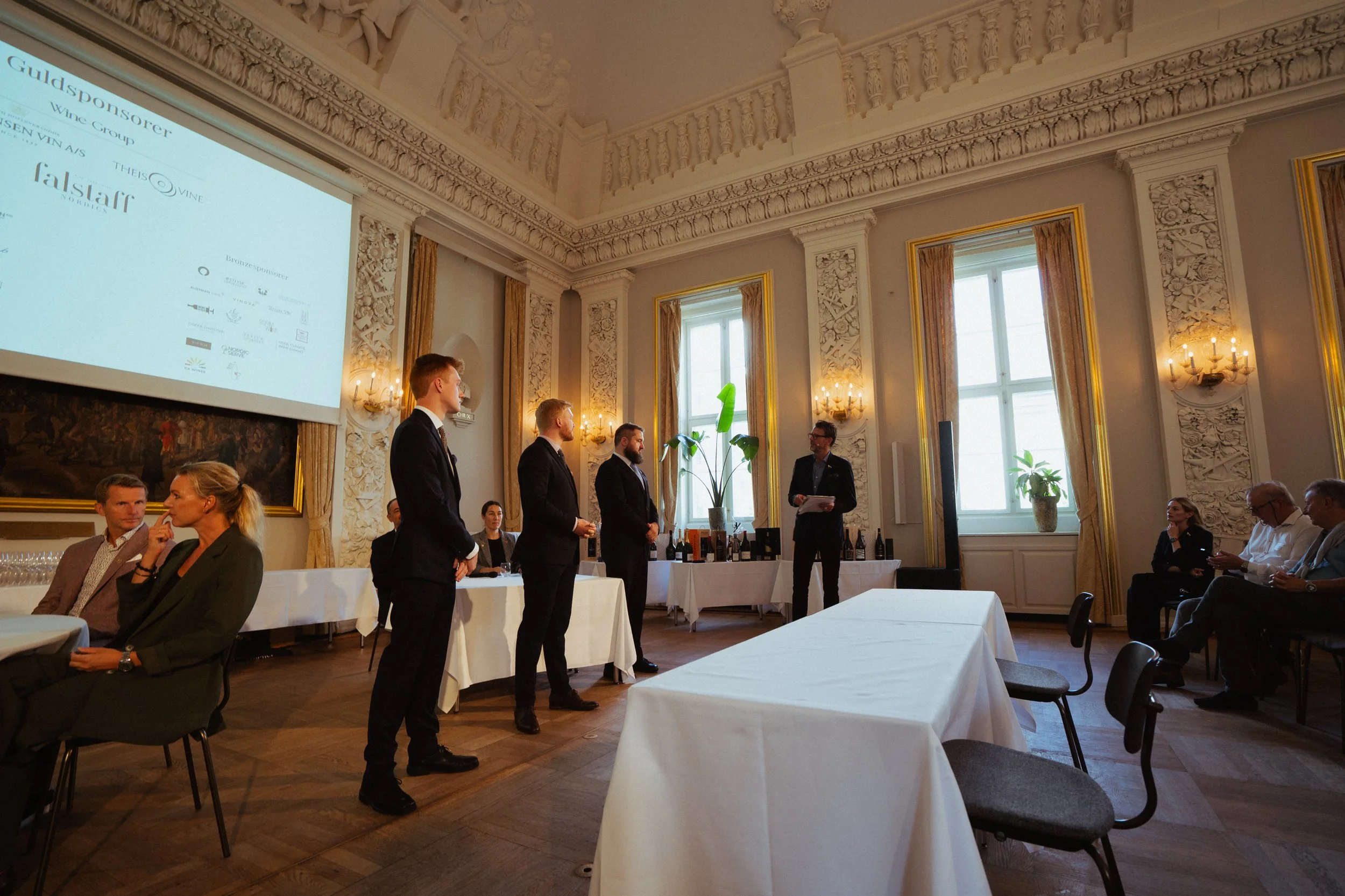
From the left: Toke Fiedler Terkildsen, Jacob Ludwig Bargholz Binzer and Ketil Sauer at the finals of DM2026. Image: Danny Samarov
This September, some of the region’s finest sommeliers will gather in Iceland to compete for one of the most prestigious titles in Nordic wine: Best Sommelier of the Nordics. The Nordic Sommelier Championship brings together Denmark, Sweden, Norway, Finland and Iceland in a competition that tests far more than the ability to identify a wine blind.
Reykjavík Takes Centre Stage
Knowledge, precision, service, hospitality and composure under pressure are all part of the equation. And while the competition is fiercely serious, the Nordic Championship is also a meeting point for the region’s sommelier community—a place where competitors, judges, producers and wine professionals exchange knowledge, build relationships and challenge one another.
The format has evolved into a demanding test of the modern sommelier. Competitors can face written theory, blind tasting, wine-list analysis and practical service tasks before the strongest candidates advance to the final stage. There, in front of a live audience, the competition becomes a test of speed, communication and nerves as much as knowledge. This year, the Championship’s home country is Iceland, and it takes place in Reykjavík on the 20th of September.
A Nordic Tradition
The Championship brings together the five Nordic countries—Denmark, Sweden, Norway, Finland and Iceland—with two candidates from each country. The host country rotates, making the competition both a championship and an annual meeting point for the Nordic sommelier community. This year in Iceland, Denmark will be represented by Toke Fiedler Terkildsen (the winner of DM 2026), as well as Ketil Sauer (second place at DM 2026). Together with the two finalists, Danish delegation is going to consist of the DSF’s president Christian Aarø, vice-president Tim Vollerslev, and SoMe/Web master Stine Pimenova.
From Wine Knowledge to Hospitality Under Pressure
Competitors are tested on theory, tasting, service, wine knowledge and increasingly the wider beverage and hospitality world. Every year the tasks can vary a bit, including making cocktails or serving tea, as well as correcting wine lists, and making food and beverage pairings.
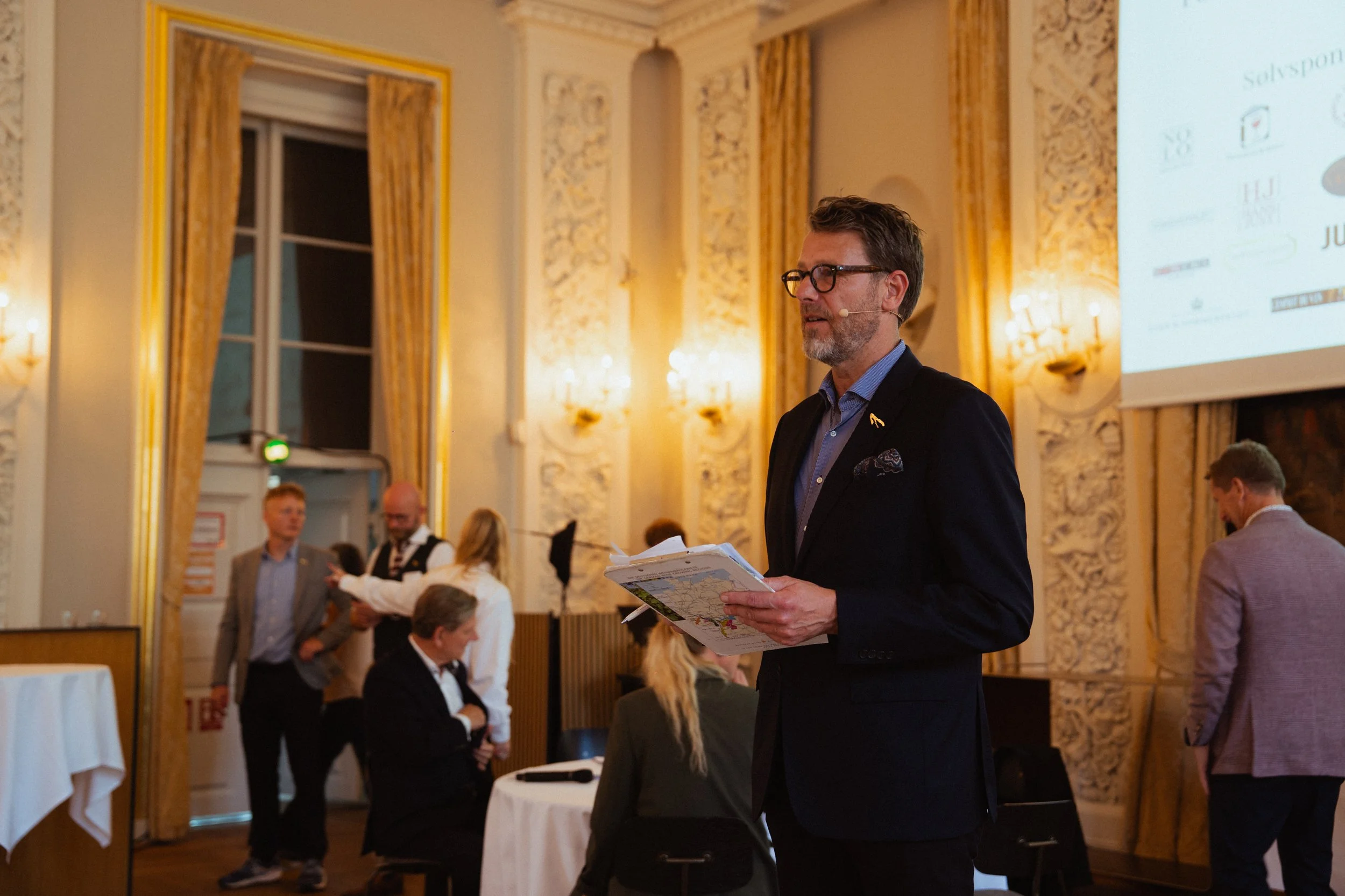
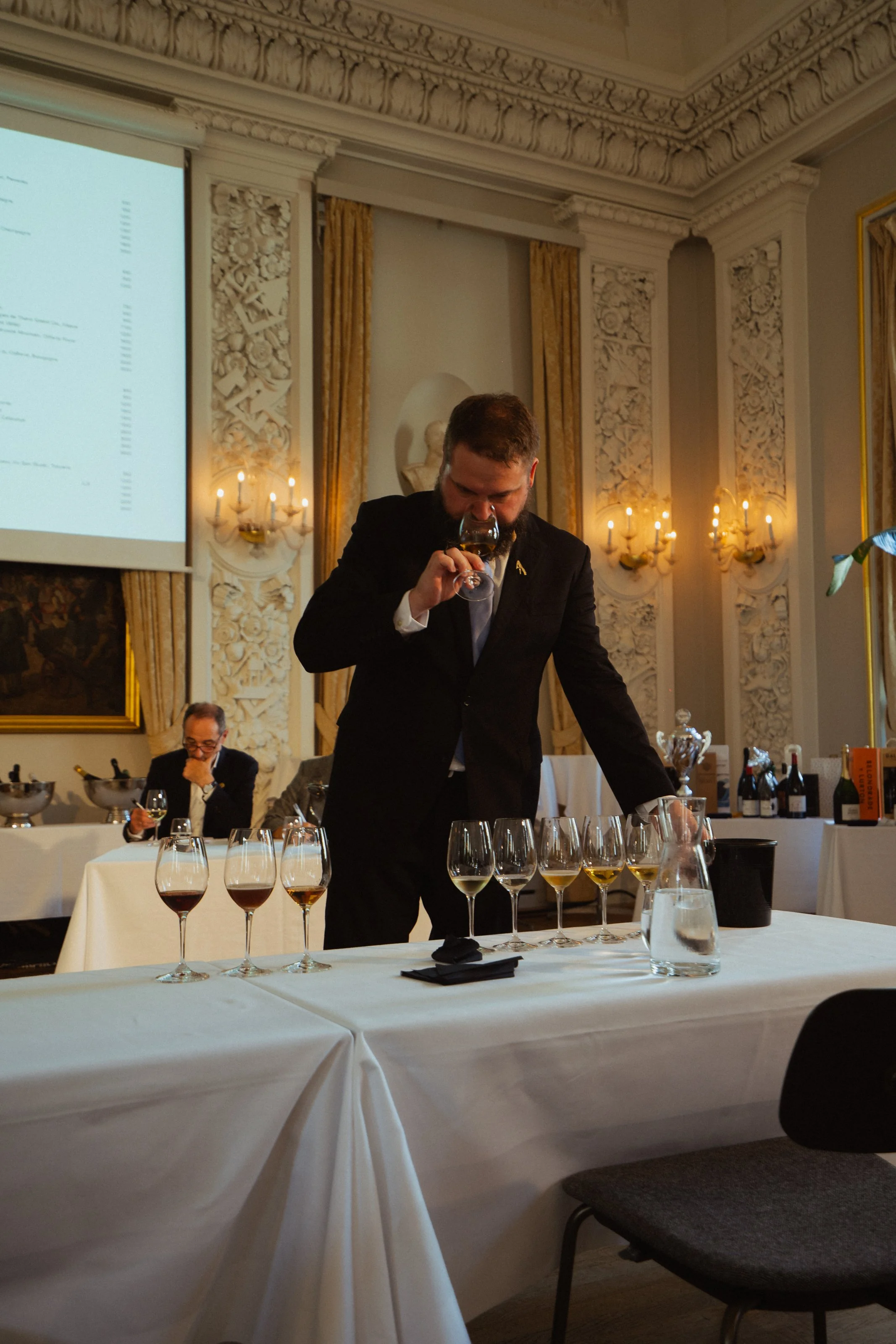
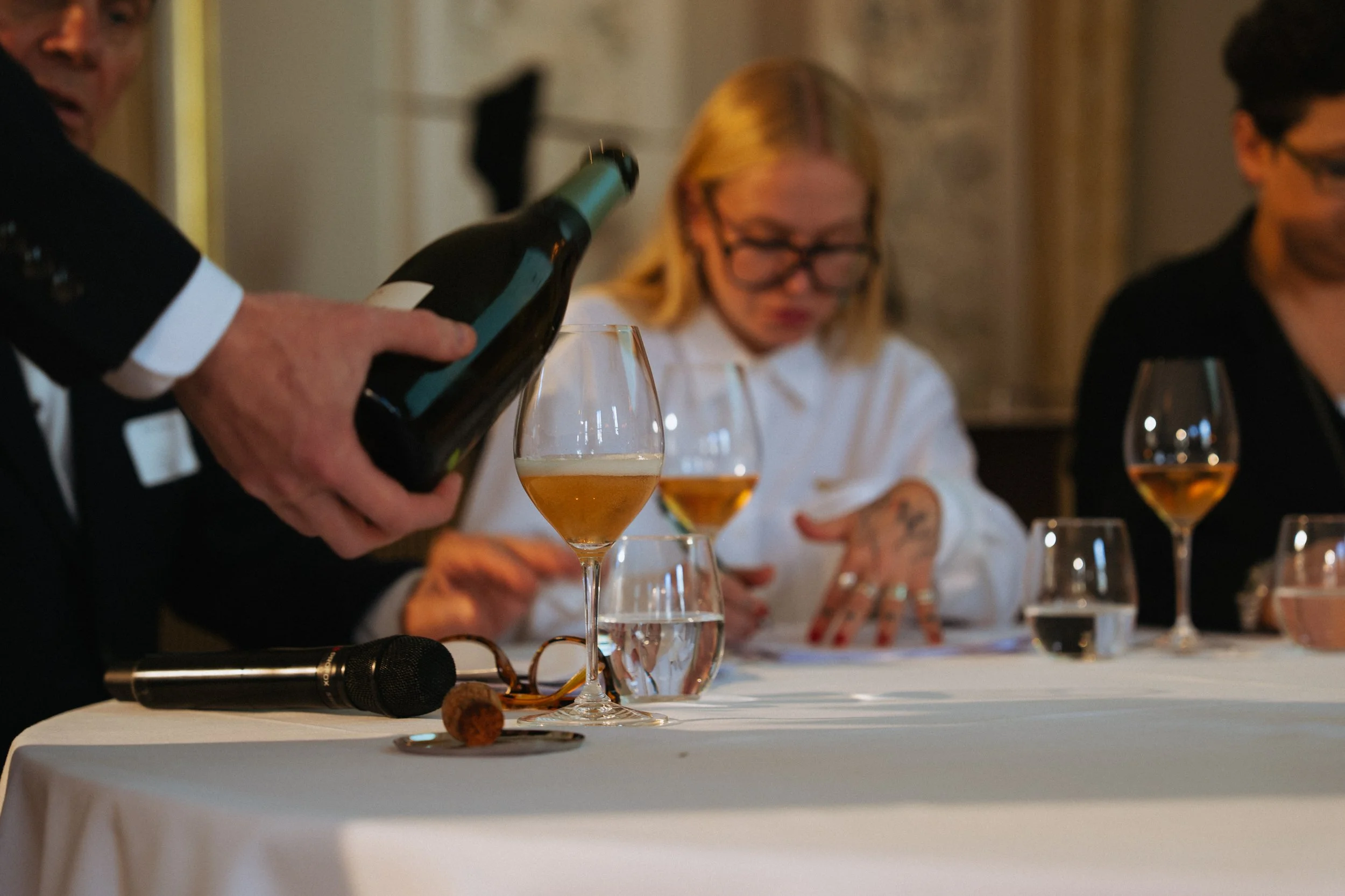
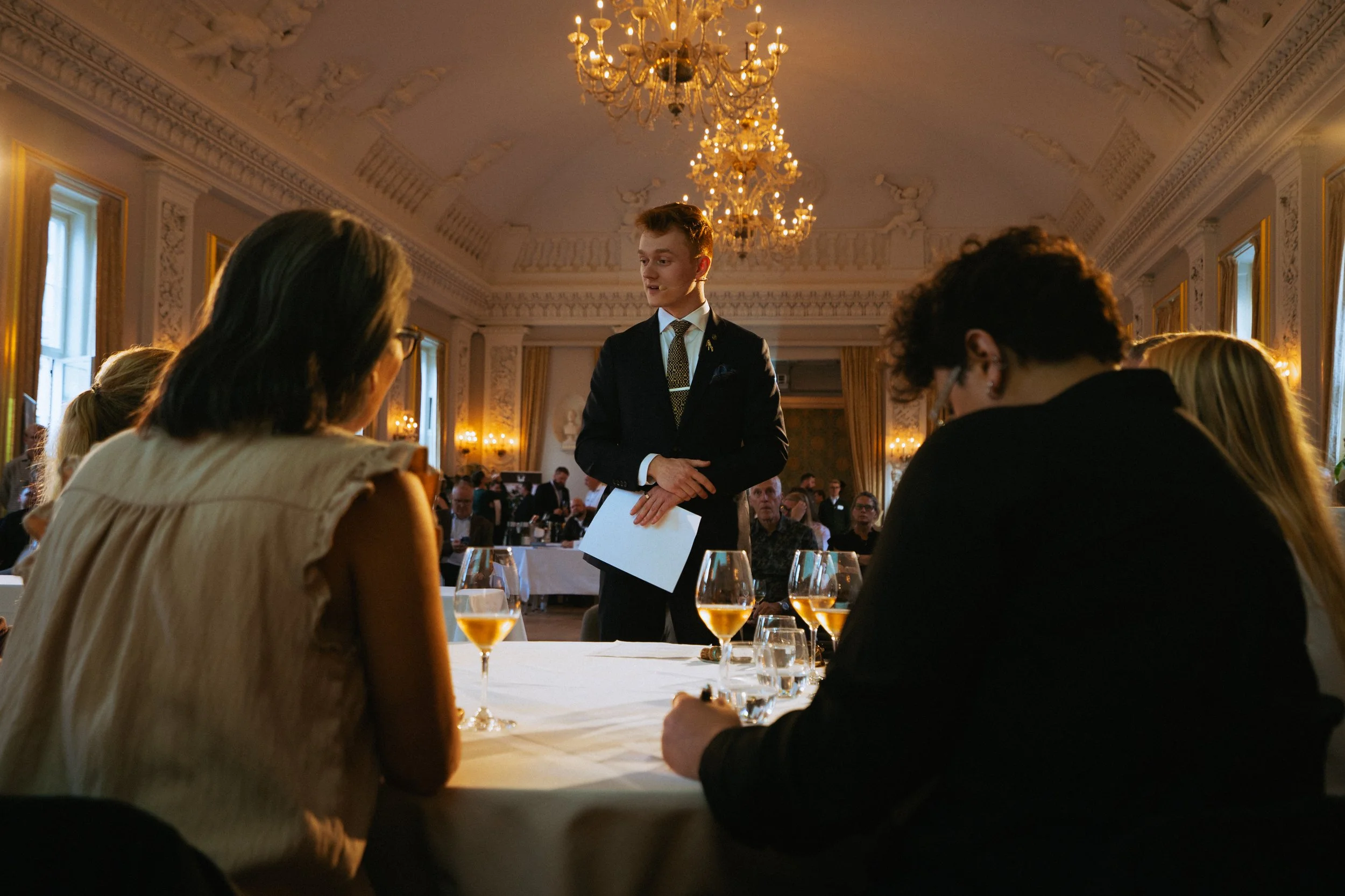
The format generally moves from written/theoretical and practical qualifying rounds to a smaller group of semi-finalists and ultimately three finalists on stage. In the 2021 Reykjavík Championship, for example, six semi-finalists progressed after the first round, with three finalists competing publicly.
What Does a Nordic Champion Actually Need to Know?
This is where you can make the article lively: blind tasting, decanting, Champagne service, food pairing, wine-list analysis, spirits, cocktails, tea, beer—and the ability to remain calm when judges deliberately change the parameters.
A particularly useful first-hand account from the 2024 Nordic Championship describes tasks such as identifying teas and cocktails, correcting a wine list, serving wine at the correct temperature, decanting a magnum and creating wine pairings under deliberately changing customer requirements. Reykjavík—Denmark is ready. See you soon!
Very best of luck to Toke and Ketil! We cross our fingers!
